embryo development
Aims
• Introduction to genetics
• flow of genetic information from parent to offspring
• genetic aberrations
• development of the human and animal embryo
• embryonic development
• developmental aberrations
• development from embryo to adult
• the nature nurture debate
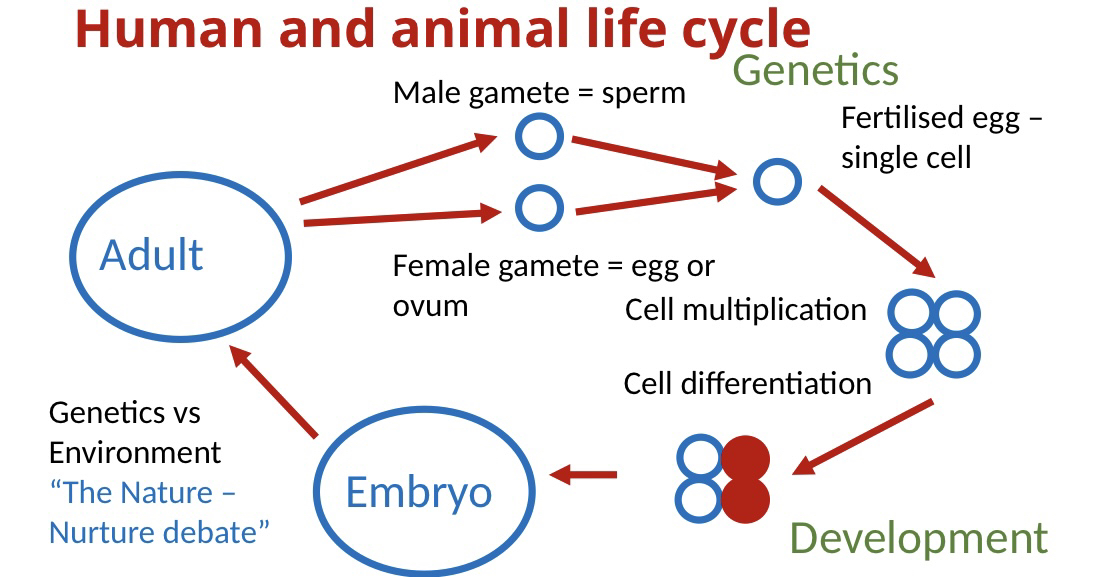
Development of the embryo
• Fertilised egg – single cell
• how does the information in the DNA generate
a complex structure?
Gestation period
-Humans 266 days
-Mice 20 days
-Elephants 645 days
•happens early in the developmental cycle
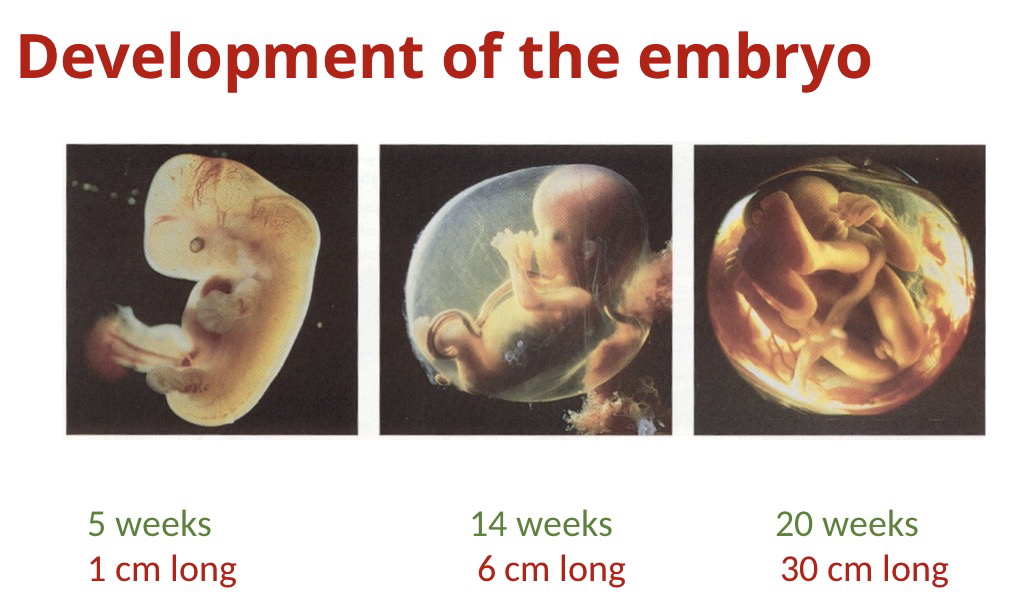
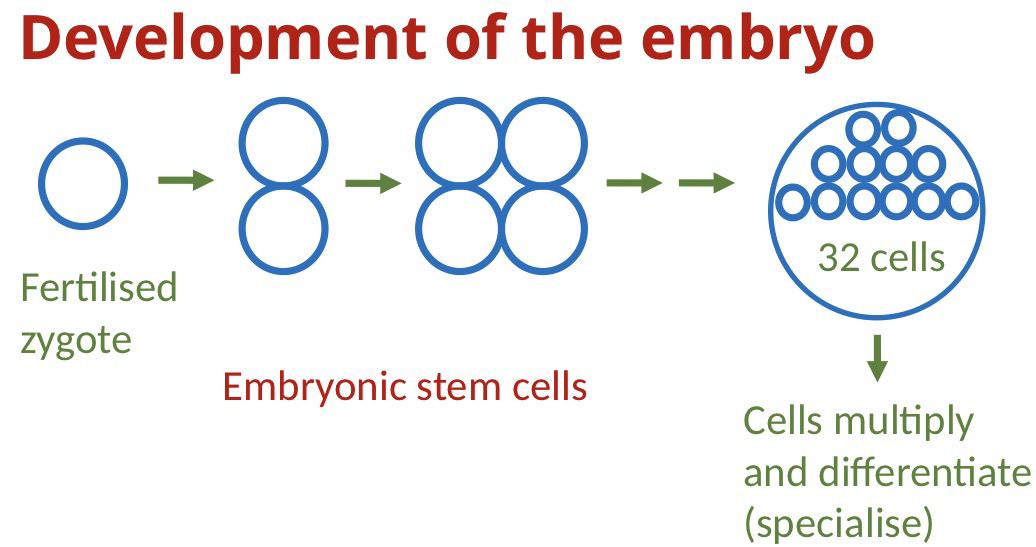
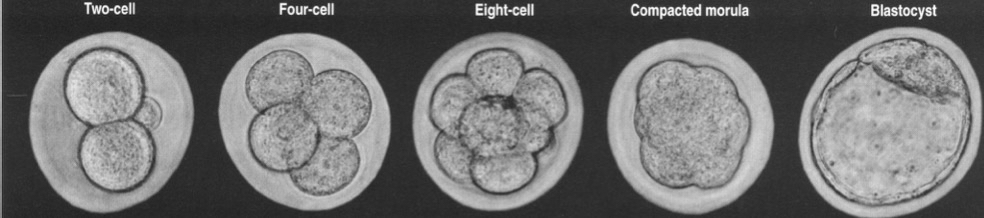
stage 1:
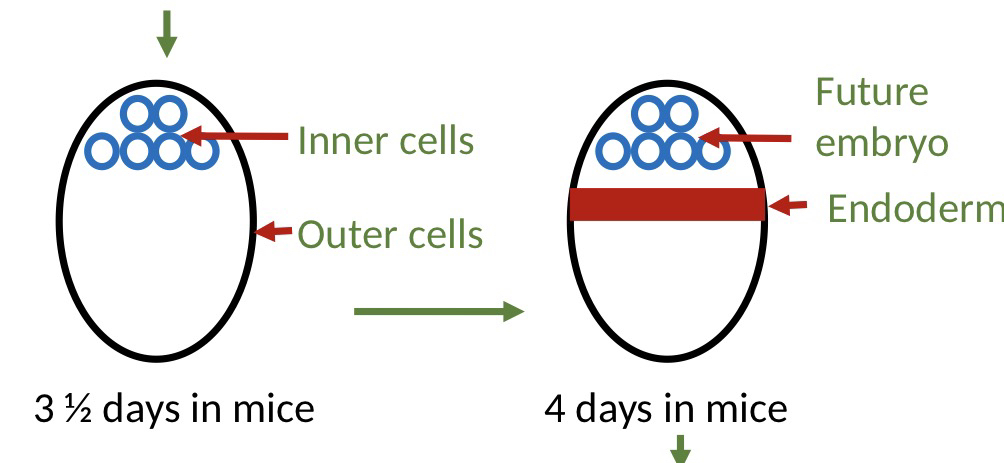
stage 2:
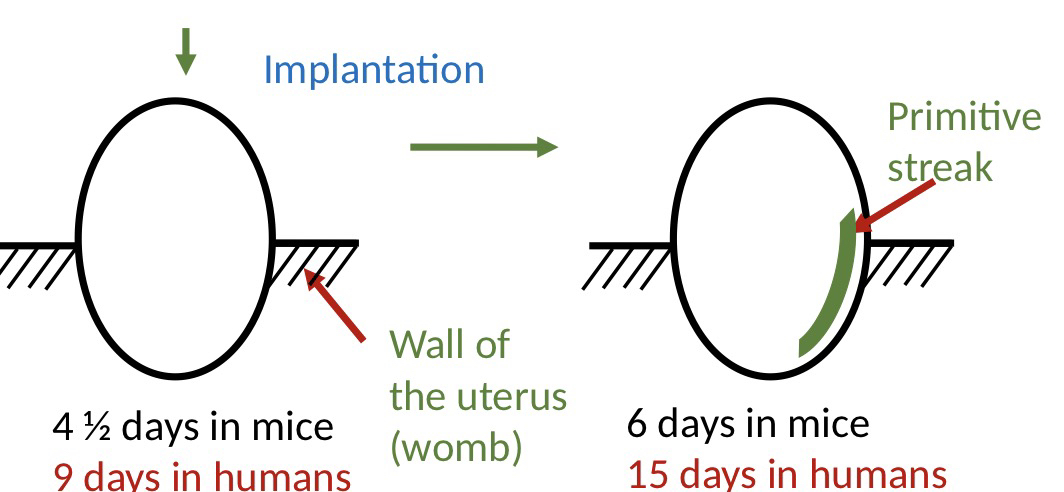
stage 3:
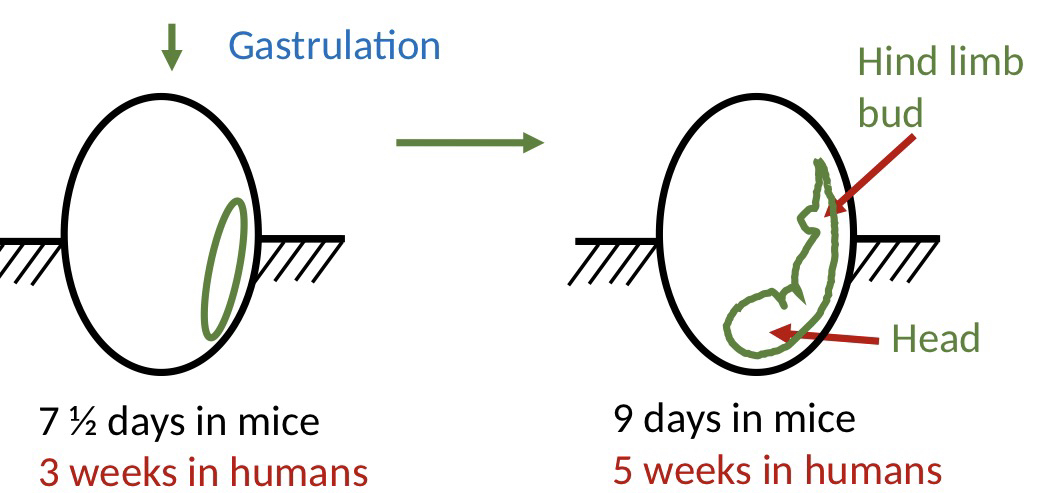
Later development of the embryo includes:
• Neurulation
• Formation of spinal cord and brain (occurs after
gastrulation)
• Organogenesis
• Formation of organs: neurulation
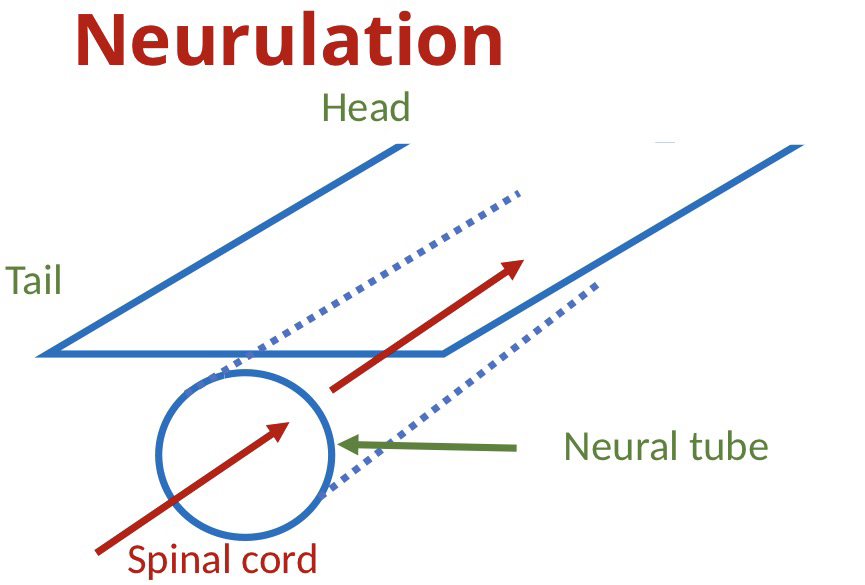
problems:
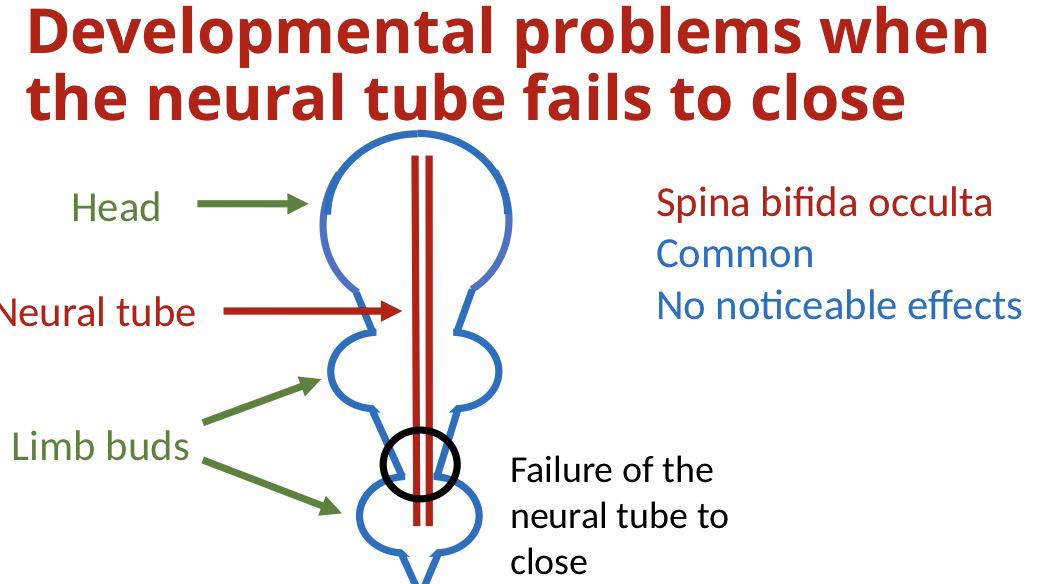
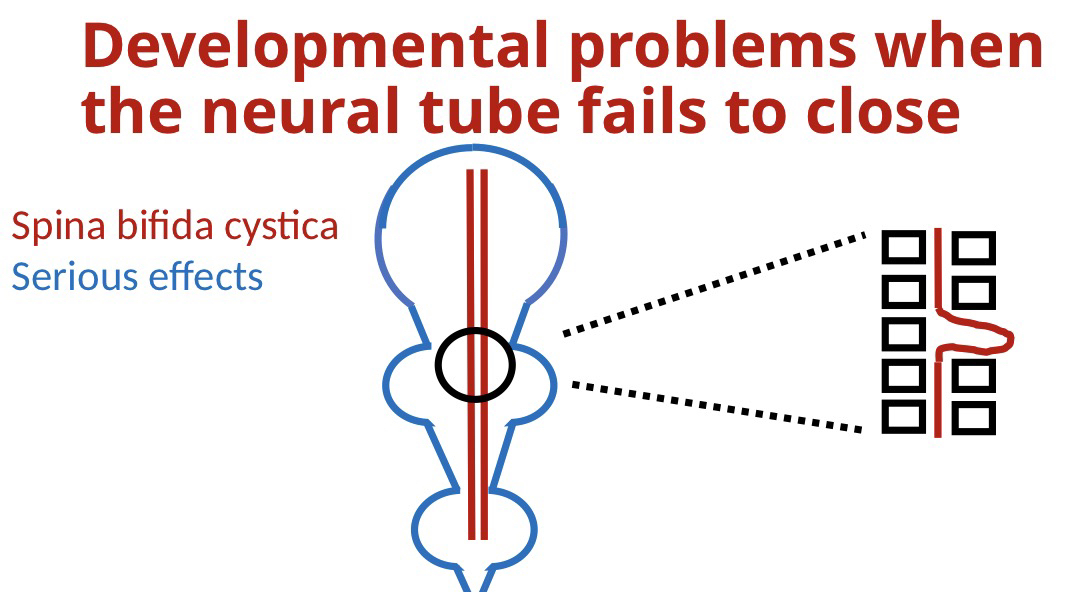
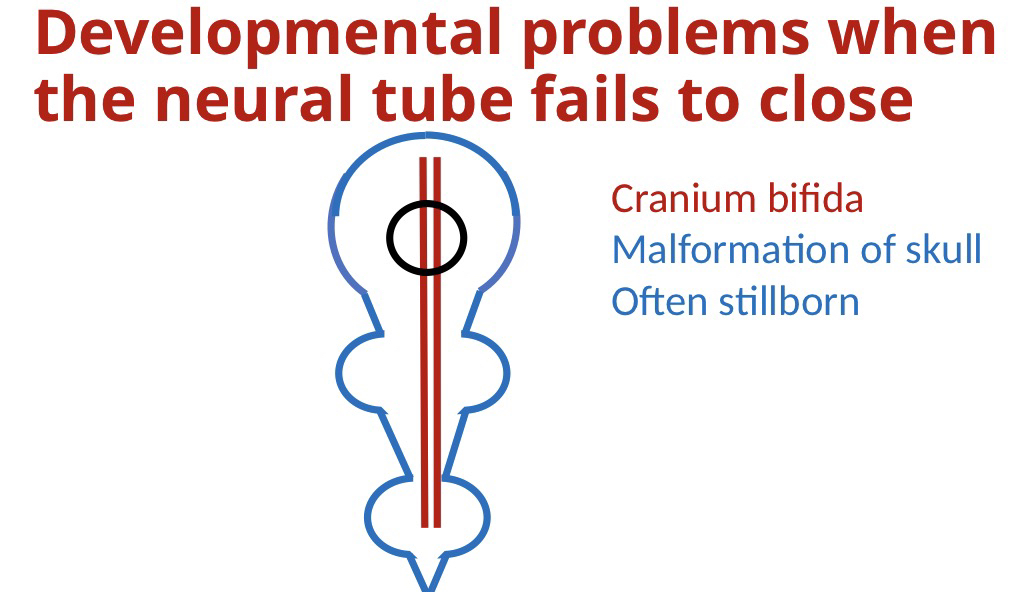
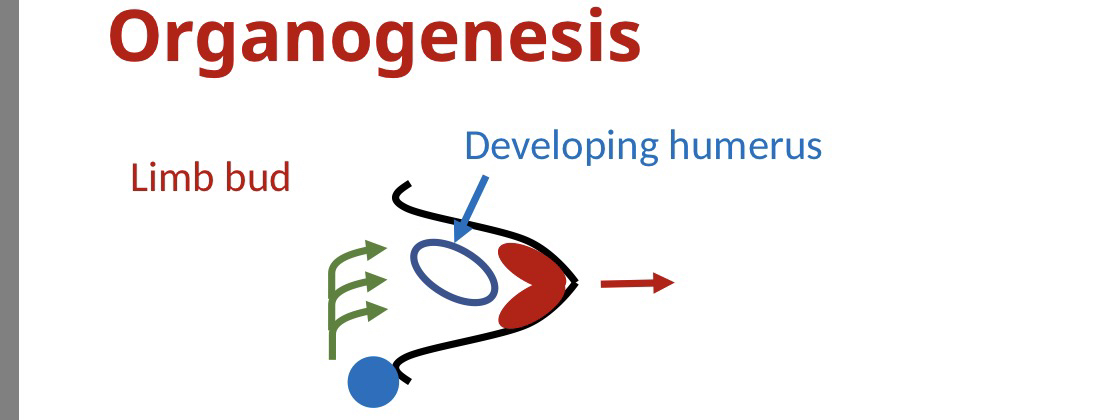
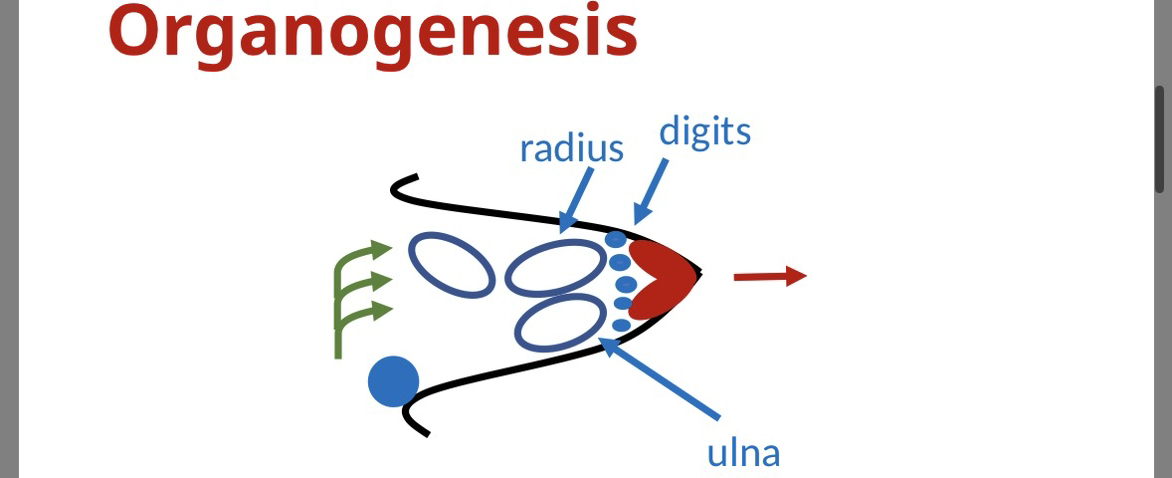
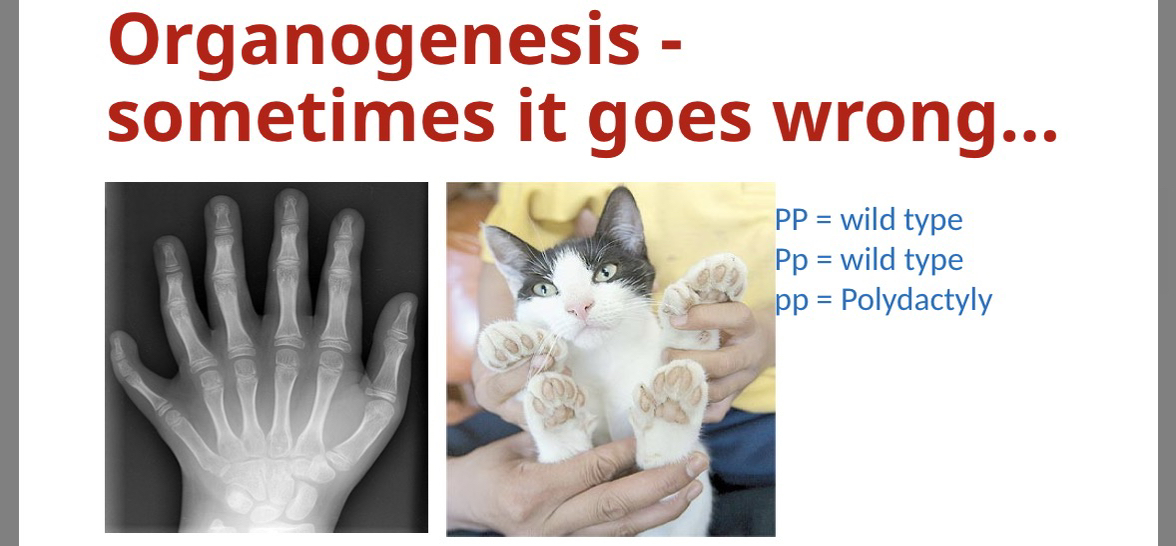
Formation of limbs:
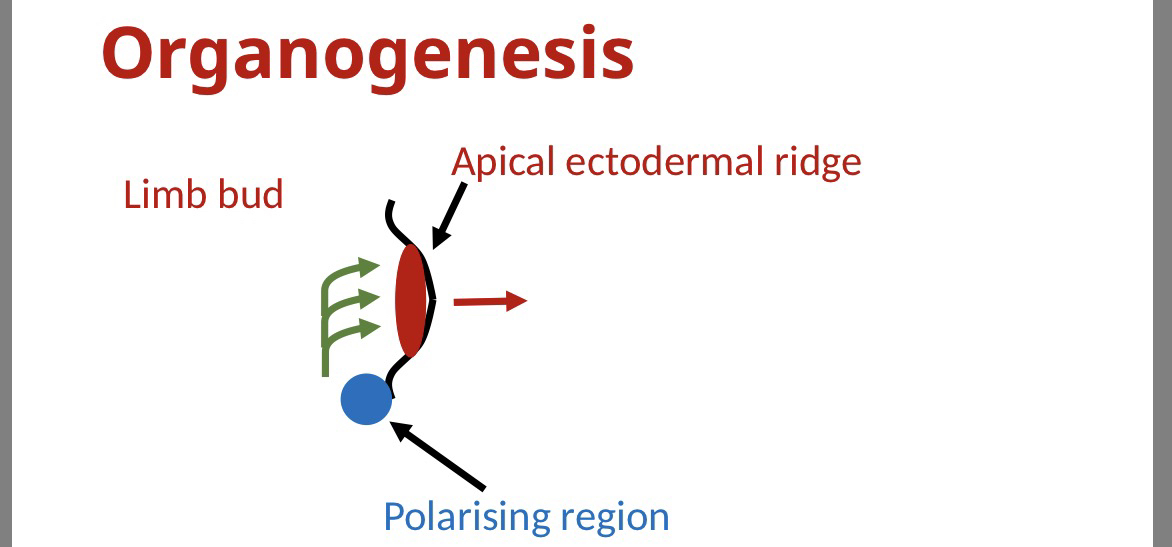
—
Organogenesis
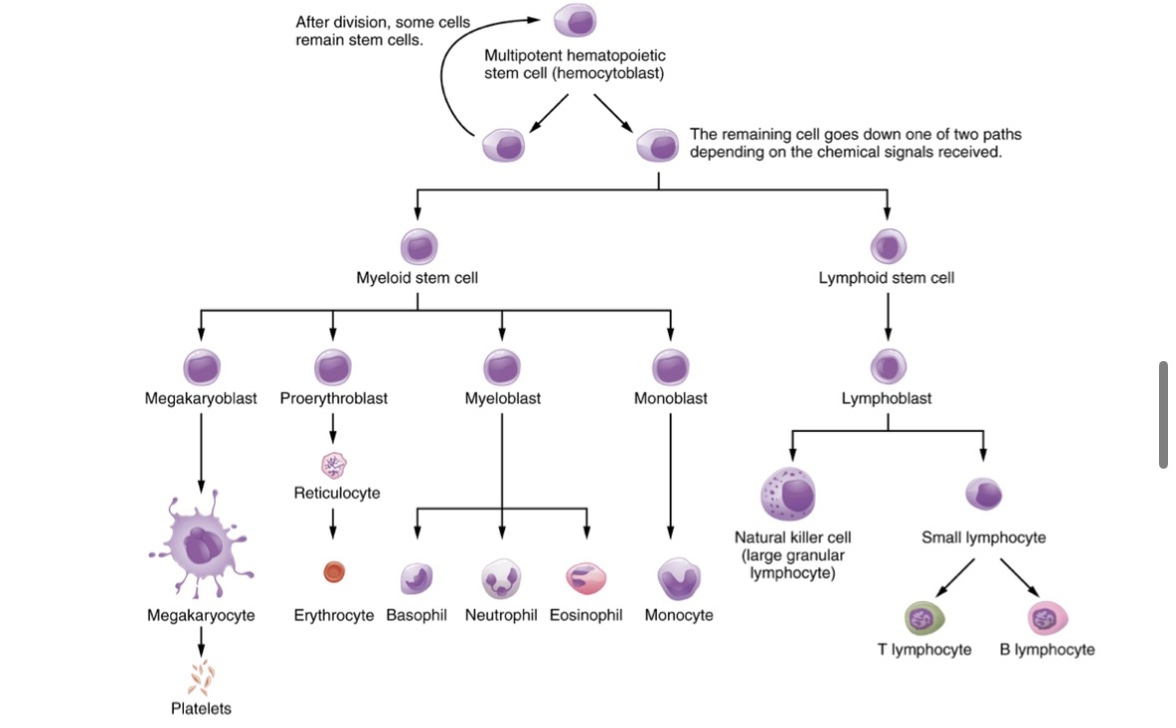
• Cells are directed to specialise in different ways
• Controlled by genes being switched on and off
in different ways in different cells
Epigenetics
• Genetic changes not associated with changes in
the DNA sequence
• Genes permanently switched on/off
• determines cell type
Genes used in development:
• how do we know which genes are involved in
controlling development ?
• make use of mutants
• Drosophila (the fruit fly)
Homeotic mutants
• mutants that affect development
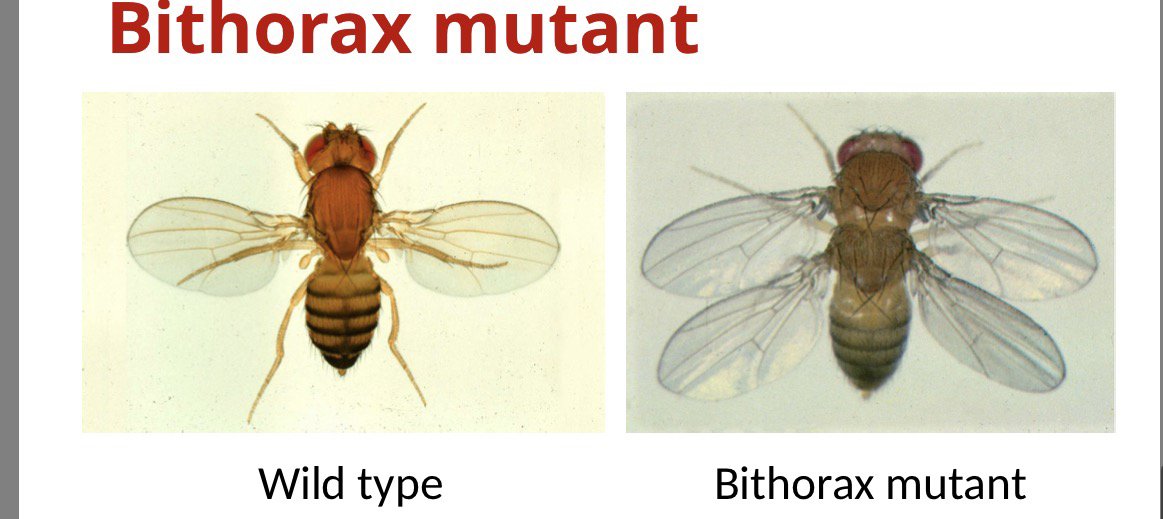
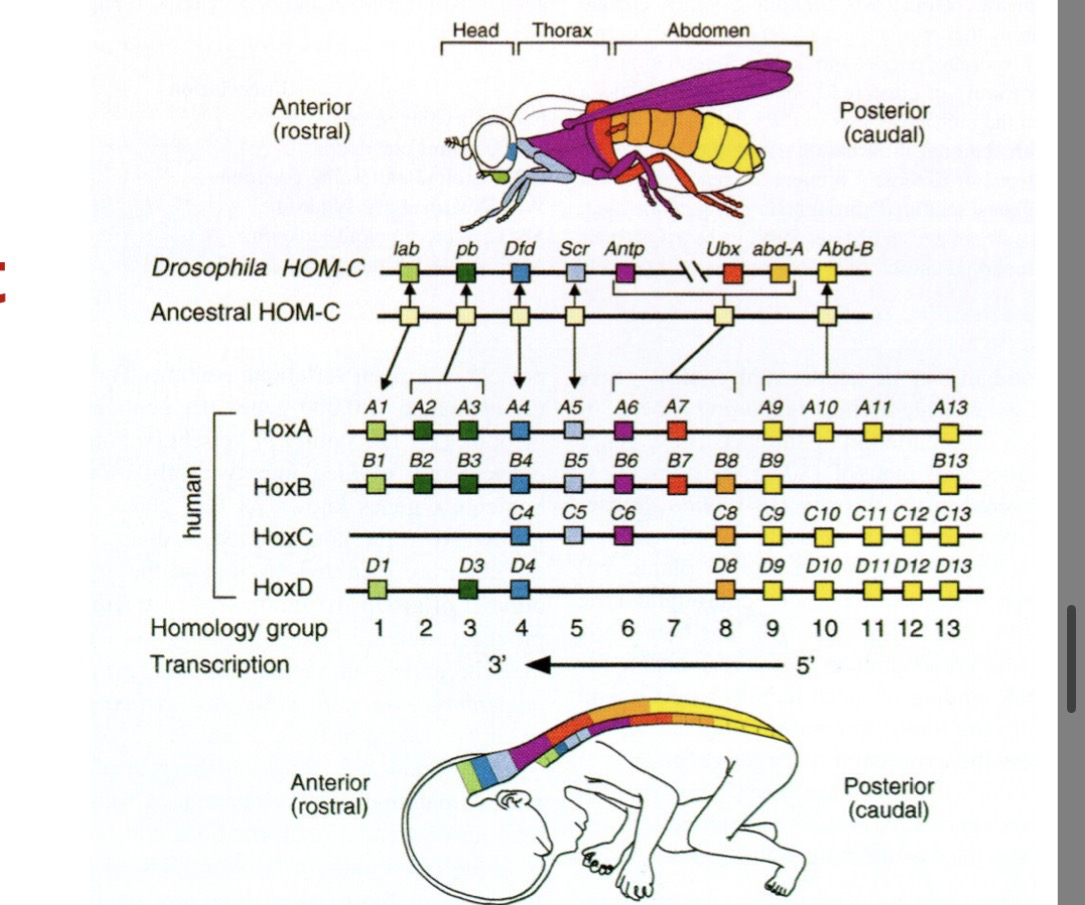
Genes which have universal role in development:
• HOX genes
• E.g. Eyeless mutant of Drosophila
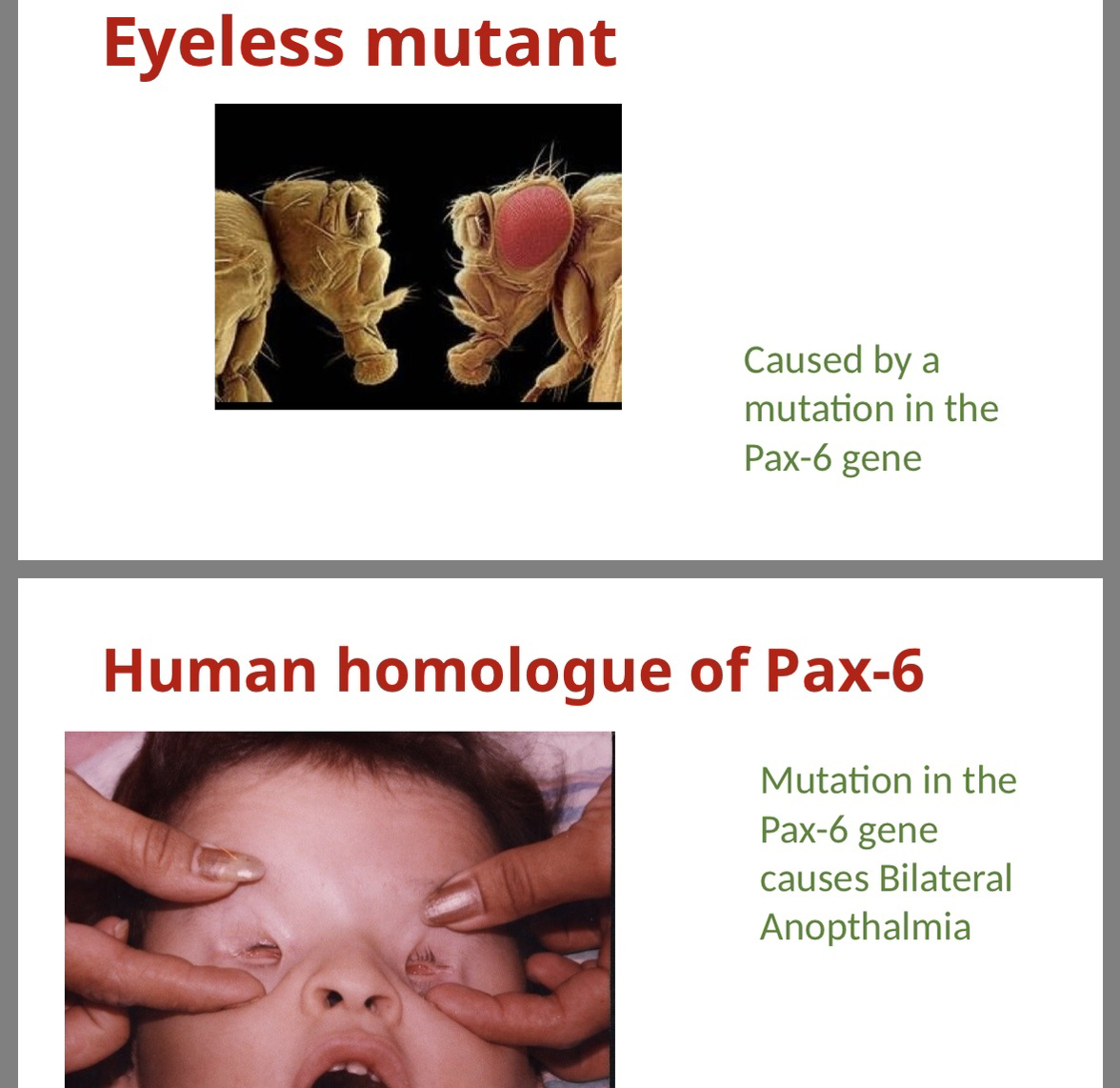
Genes involved in development
Genetics vs the environment
• “nature – nurture debate”
• Clear genetic influences
• E.g. Haemophilia – presence of the defective
alleles causes the phenotype
• E.g. Ricketts – vitamin D deficiency causes
phenotype
• example of both - Rhesus blood group and pregnancy
• Blood groups Rh+ and Rh-
blood transfusion…Generates antibodies against RH+ leading to severe reaction