physics
electromagnetic radiation
electromagnetic radiation consists of energy travelling in the form of waves through space that radiate from energy sources
einstein proposed(as we know it) that energy can behave as a particle or a wave
these energy particles are called photons
photons are a type of elementary particles that have energy and movement but does not have a mass or an electrical charge
all photons travel at the speed of light that oscillate(make a wave)
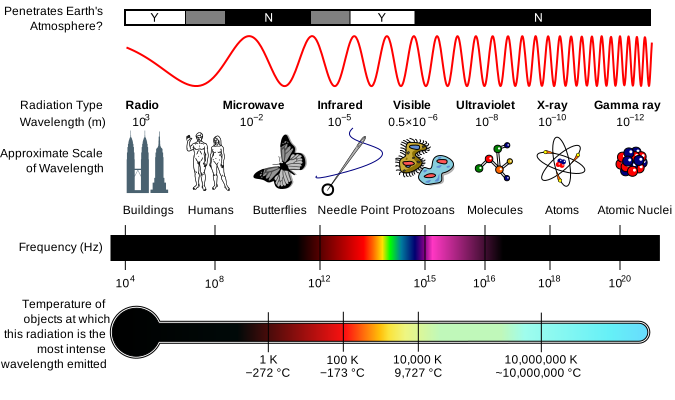
scientists have determined all possible forms of electromagnetic radiation which resulted in the electromagnetic spectrum:
radio
microwave
infrared
visible
uv
x-ray
gamma ray
harmful radiation
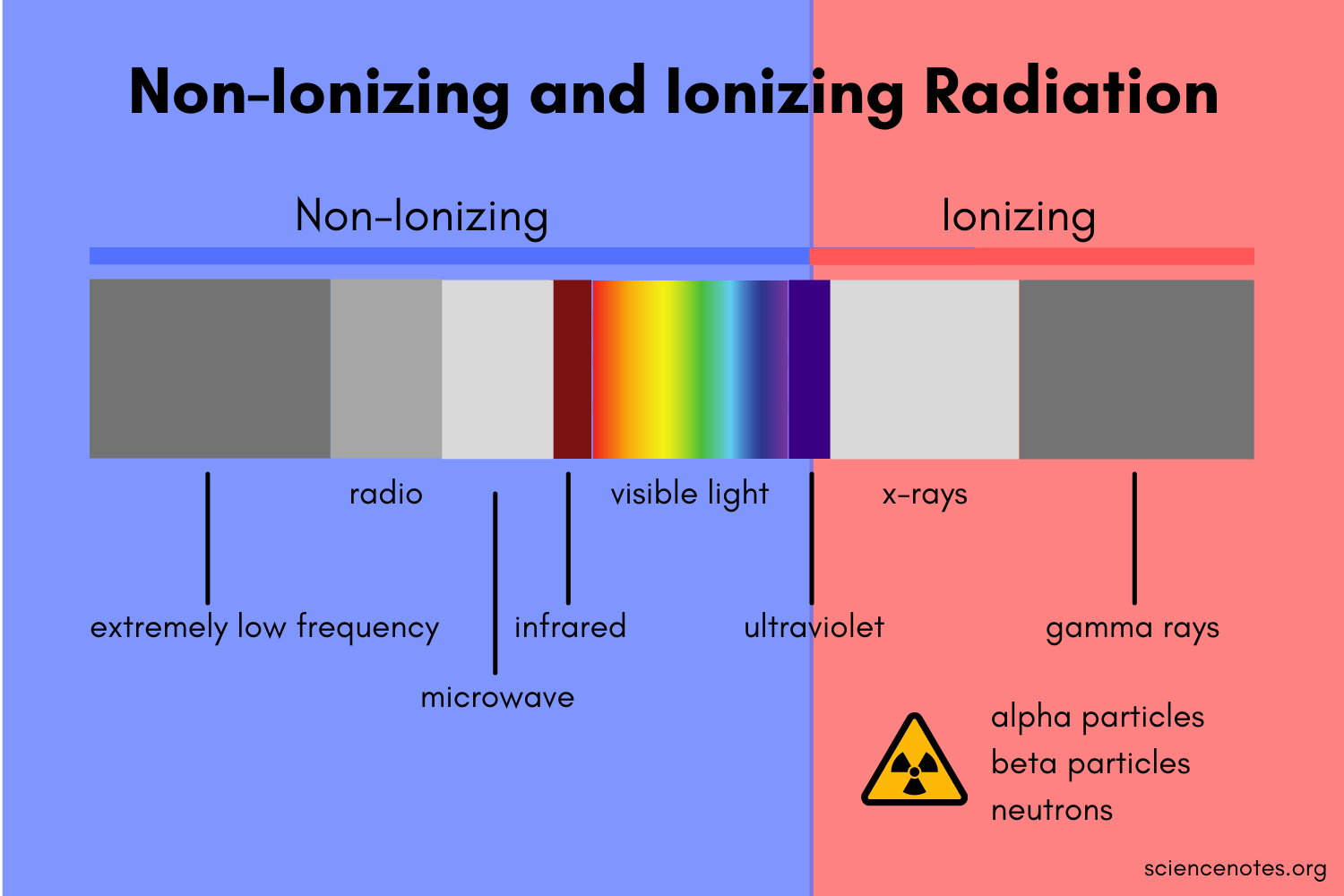
we can classify electromagnetic radiation into 2 categories:
ionizing
ionizing means that these waves have the ability to detach electrons from atoms creating an ion(giving the atom a charge)
exposure to ionizing radiation can cause tissue and organ damage
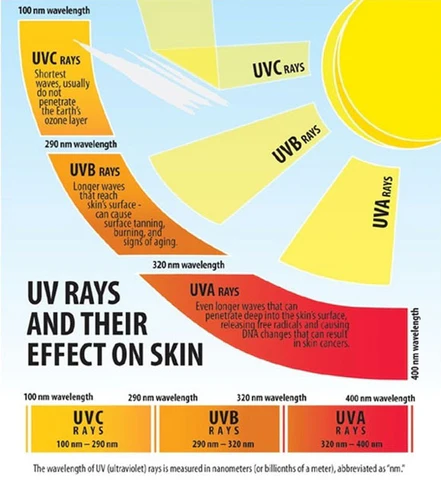
eg. uv rays cause cancer
non-ionizing
wave model, ray model, and particle model of light
properties of light:
invisible as it travels(must interact with matter to become visible)
involves the transfer of energy
scientific models - scientific modelling is a scientific activity, the aim of which is to make a particular part of feature of the world easier to understand, define, quantify, visualize, or simulate, by referencing it to existing and usually commonly accepted knowledge
the wave model of light
the ray model of light
the particle model of light
the wave model of light
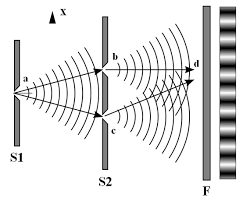
the wave model of light is part of a theory that explains that light has wave-like properties
in the 1800s, Thomas Young’s experiment showed that light spreads out into a series of lines when it passes through two narrow slits. this pattern of lines could only be explained if light has wave line properties
wavelength, amplitude, frequency
the ray model of light
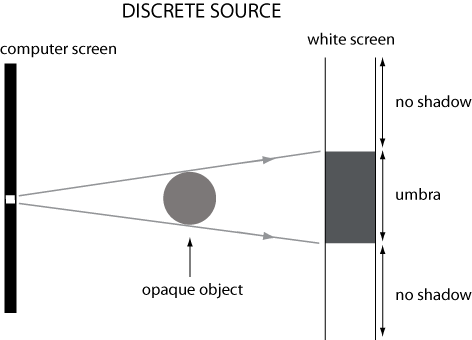
the idea that light travels in a straight line
light moves in a straight line and cannot bend around objects
it is used to model and describe how light behaves
ray diagrams can be used to predict size, location and shape of shadows
the particle model of light
explains that light has particle-like properties
the photoelectric effect cannot be explained by the models we mentioned before
the photoelectric effect:
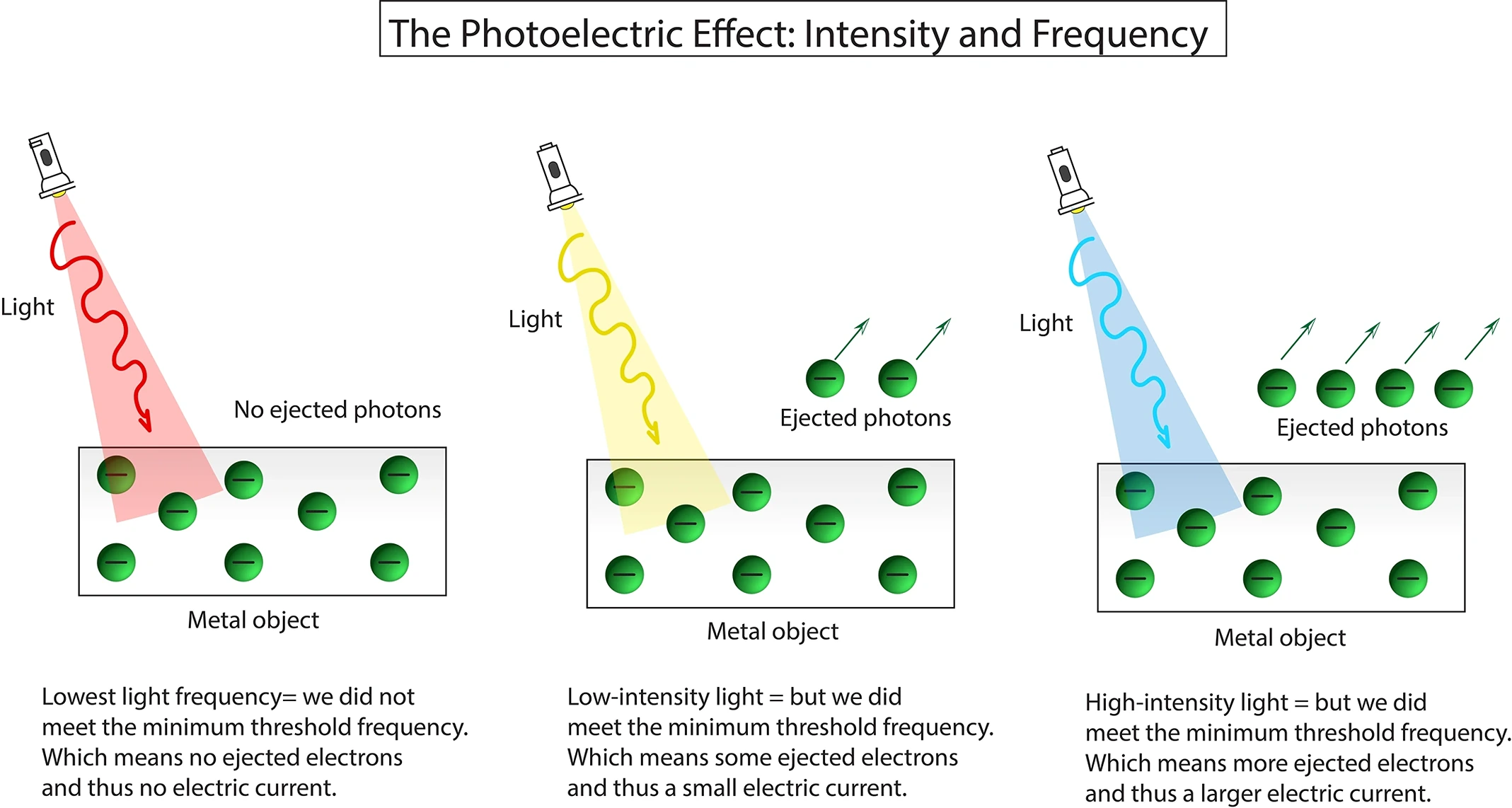
different colours of light shine onto a certain metal
electrons are never given off when energy from red light hits the metal
electrons are always given off when energy from blue light hits the metal
what is missing here?
if light is only a wave, any wavelength of light could carry enough energy to cause the release of electrons
einstein suggested that light interacts with matter as packets or distinct particles of energy(photons)
each photon must carry an exact amount of energy that is enough to make the metal give off electrons
photons must carry more energy as the frequency of electromagnetic radiation increases and the wavelength decreases
wave model
features of a wave
a disturbance or movement that transfers energy through space or matter is called a wave
properties of wave:
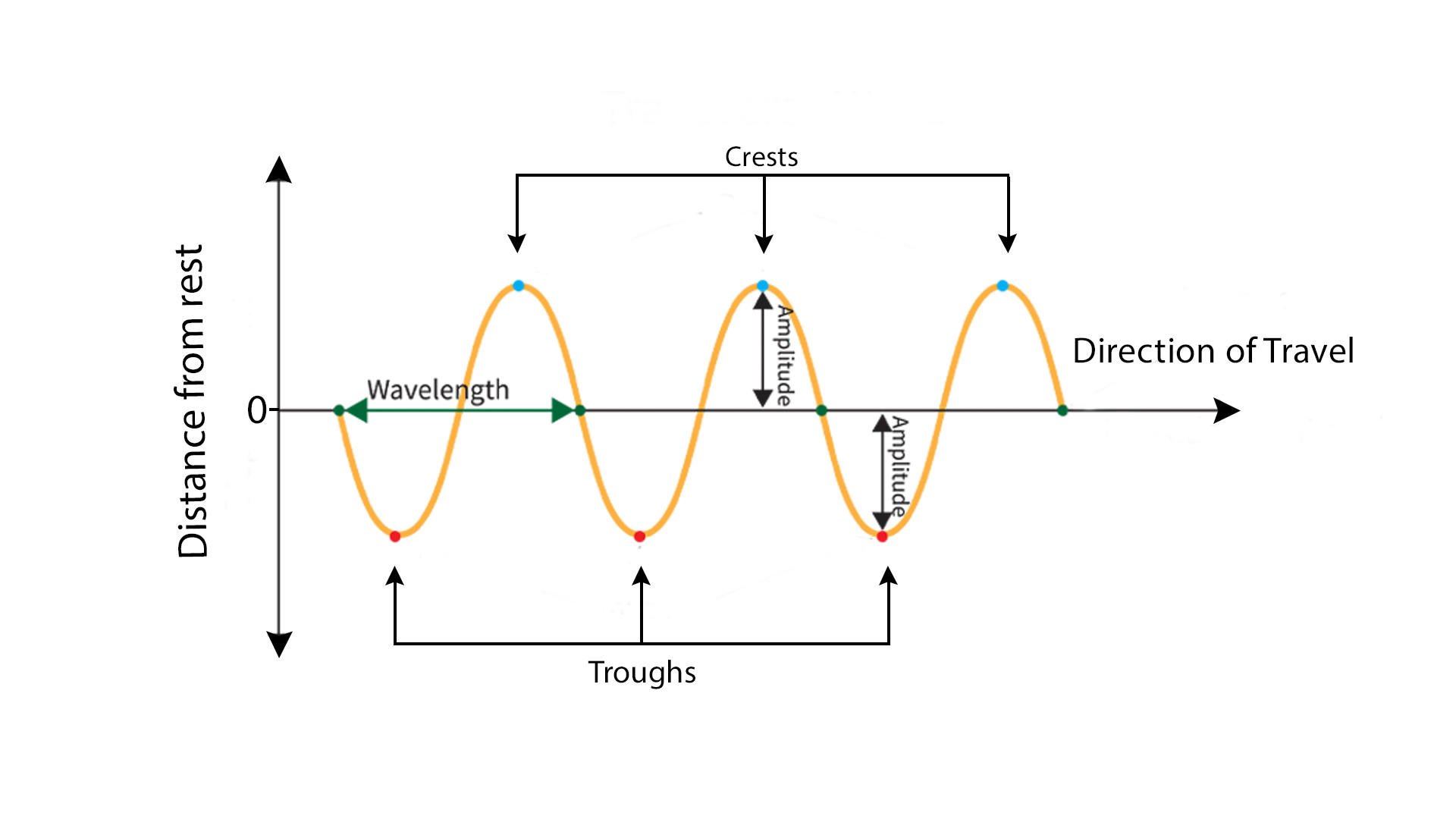
crest - the highest point of a wave
trough - the lowest point of awave
wavelength - the distance from crest to crest or from trough to trough
amplitude - the height of the wave crest or depth of wave trough of a wave from rest position. it is related to the amount of energy carried by the wave. the greater the amplitude, the more energy the wave carries.
frequency - the number of repetitive motions that occur in a given time. the unit is usually in hertz(Hz) or (cycle) per second
sound is also a kind of wave
as one person speaks to a cup, energy is being transferred, so the person on the other side can hear
waves carry energy forward without transporting matter
types of waves
medium: the matter the waves travel through
for example, the medium of ocean wave is water, the medium of sound wave is air
transverse wave: matter in the medium move up and down, perpendicular to the direction of the wave

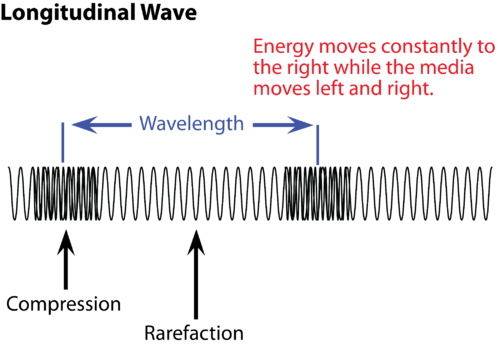
longitudinal wave: matter in the medium move forward and backward along the same direction of the wave
(sound waves are longitudinal waves)
not all waves need a medium to travel, some waves like electromagnetic can travel in space
absorption, reflection and transmission
when light strikes different materials:
light can be reflected(light bounces off)
light can be absorbed(light energy is trapped)
light can be transmitted(light passes through)
light can be refracted(path of light bends)
reflection | refraction | transmission | absorption |
when light strikes object, it often just reflects from the surface reflection is the process in which light “bounces off” a surface and changes direction 2 types: reflection off a smooth surface(eg. lake produces a clear image) reflection off a rough surface - does not produce a clear image the reflected rays are identical to the incident rays | the process in which light changes direction as it moves from one medium to another it has to do with the density of the medium the photons will slow down in a denser medium(ex. water) | some mediums allow different amounts of light to pass through when light passes through a material it is called a medium it is the process in which light passes through a medium and keeps travelling different materials transmit different amounts of light | the process in which light energy gets trapped in objects as heat blue doesn’t absorb a lot of heat black absorbs all light when looking at white, it hurts your eyes because it reflects the light |
different kinds of material:
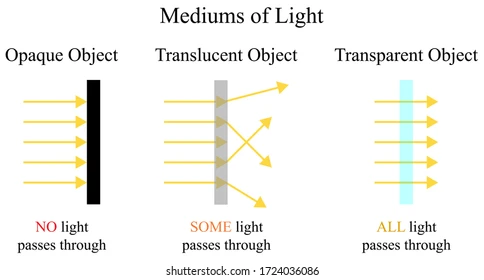
transparent | opaque | translucent |
all or most of the light is transmitted, only a small amount of light is scattered | all or most of the light is reflected or absorbed, and none of the light passes through | only some of the light is transmitted and that light is scattered in all directions |
reflection
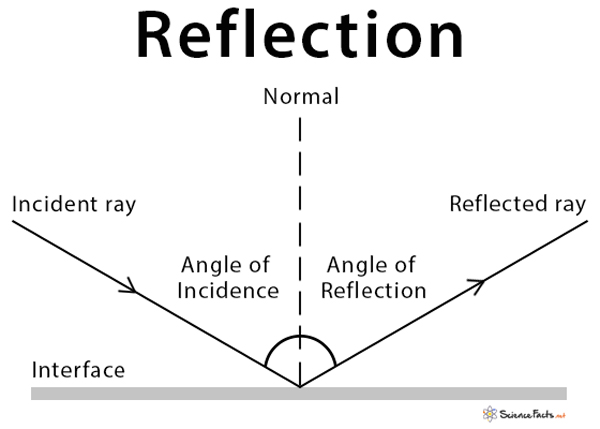
law of reflection:
angle of reflection = angle of incidence
the incident ray and reflected ray are on opposite sides of the normal
the incident ray, the normal and the reflected ray lie on the same plane
the incidence ray: the incoming ray; the light ray travelling towards the reflecting surface
the normal: a line perpendicular to a surface such as a mirror
the angle of incidence: the angle between the incident ray and the normal
the reflected ray: the outgoing ray; the light ray that has bounced off the reflecting surface
the angle of reflection: the angle between the reflected ray and the normal
plane and curved mirrors
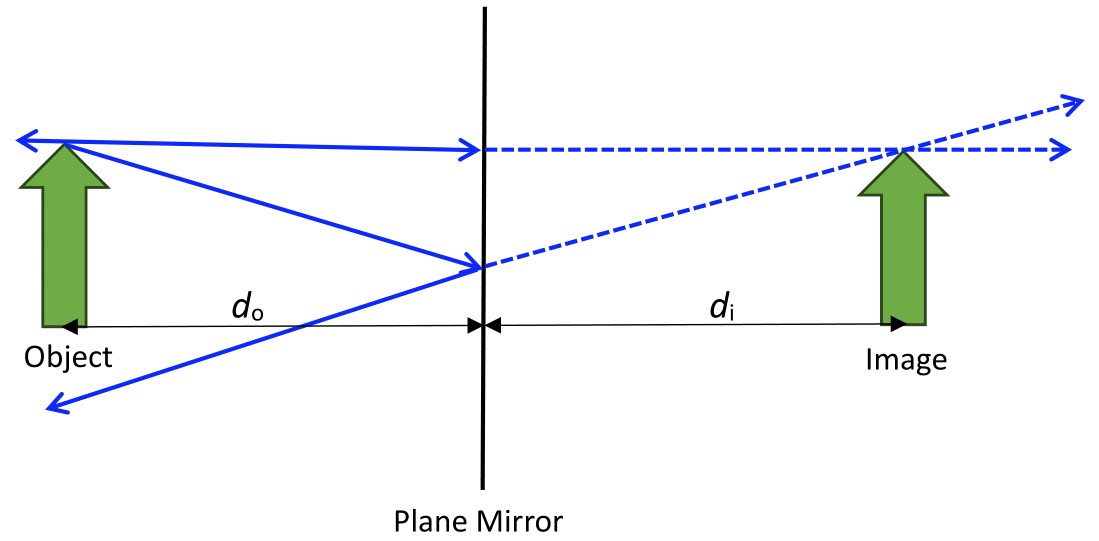
plane mirror: an extremely smooth, flat and reflective surface
how do we see things?
when light shines on an object, it reflects off all points of the object in every direction
some light rays reach your eyes if you are looking at the mirror and your brain assumes that light has travelled in a straight line and thinks the image is behind the mirror
you can find out where the image appears to be by extending the reflected rays backwards until they meet
four characteristics of images in a mirror plane:
location: the image may be closer to, farther from, or same distance from the mirror as the object
size: the image may be same size, larger or smaller than the object
orientation: an image may be upright or inverted
type:
real
it is formed when reflected rays meet
it is located infront of the mirror
virtual
it is formed when extended rays meet
it is behind the mirror
a mirror plane produces an image that is nearly identical to the object: the image is reversed
there are two types of curved mirrors
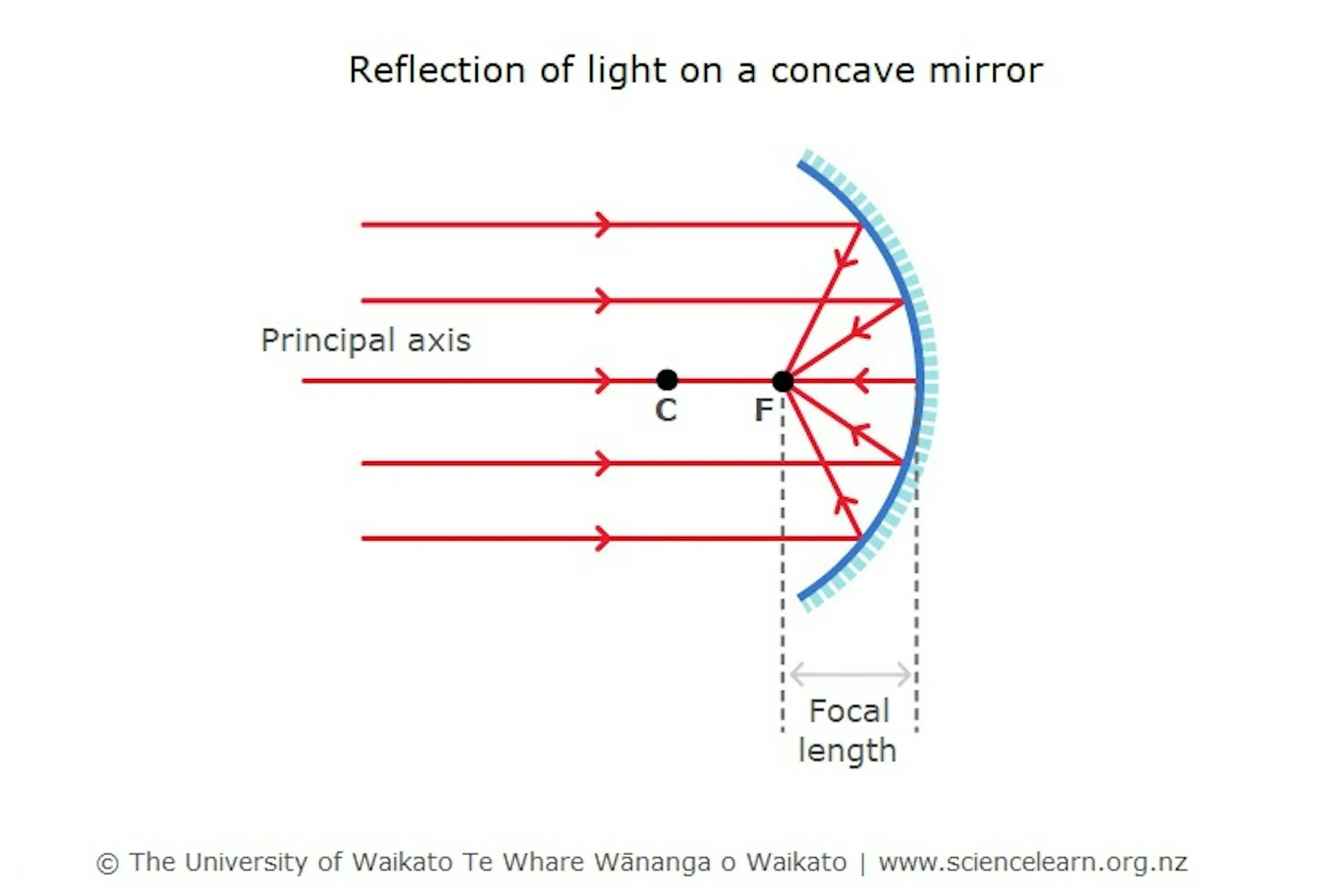
concave mirrors:
a mirror with a reflecting surface that curves inward(cosmetic mirrors)
and convex mirrors:
a mirror with a reflecting surface that curves outward
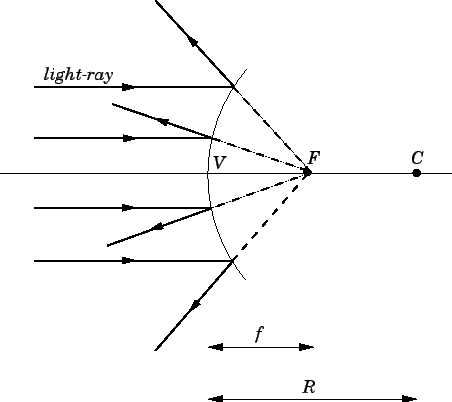
images in concave mirrors
focal point: the point where the reflected light rays come together
when light rays reflect off a concave mirror, they converge at the focal point
the characteristics(location, size, orientation, type) of the image formed by concave mirrors depend on where it is located compared to the surface of the mirror and the focal point
when the object is far from the focal point:
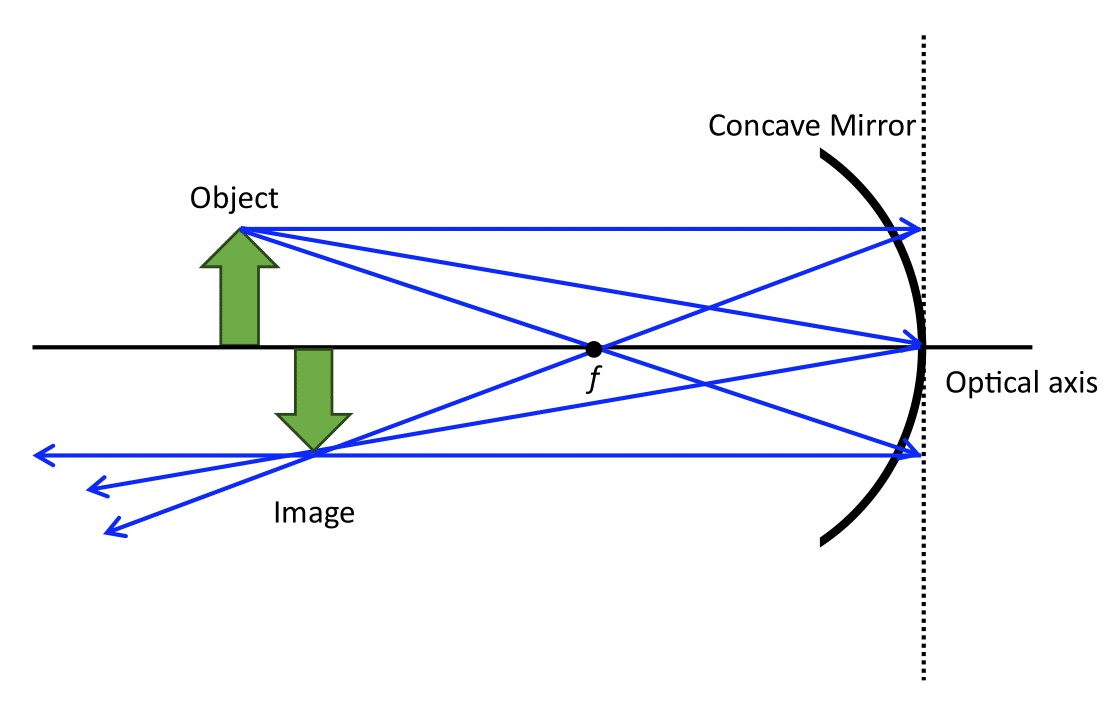
the image formed is closer, smaller, inverted and real
when the object is closer to the focal point, but not between the focal point and mirror
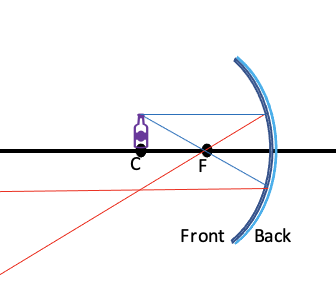
the image formed is farther, larger, inverted and real
when the object is between the focal point and the concave mirror
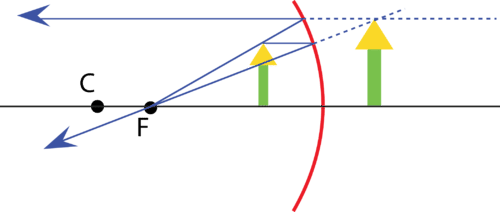
the image formed is farther, larger, upright and virtual
images in convex mirrors
when light rays reflect off a convex mirror, they diverge(they spread out in different directions)
the characteristics(location, size, orientation, type) of the image formed by convex mirrors do not depend on where it is located compared to the surface of the mirror and focal point
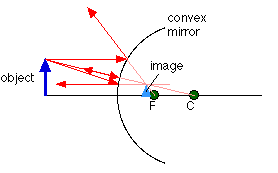
the image formed is: closer, smaller, upright and virtual
refraction
refraction occurs because light travels at different speeds in different media(plural of medium)
example of medium: air, water, glass oil
angle of refraction
the angle measure between the refracted light ray and the normal
the degree of the angle of refraction is related to the density of the medium
the following media is arranged from most dense to least dense:
glass, water, oil, air
light slows down as it travels from less dense to more dense medium, and hence bends toward the normal
light speeds up as it travels from a more dense to a less dense medium and hence bends away from the normal
glass to air:
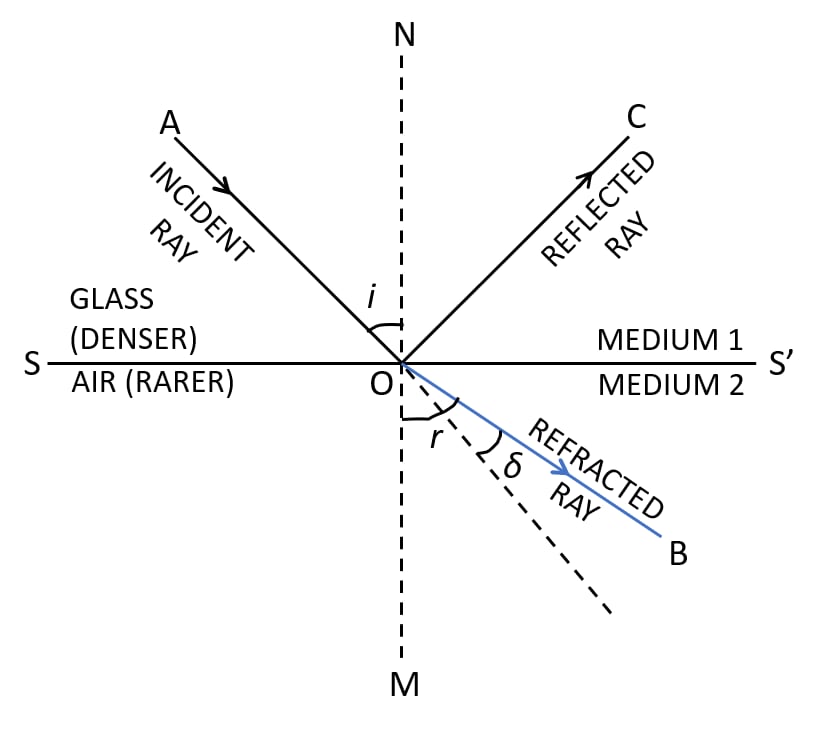
air to glass:
example of refraction:
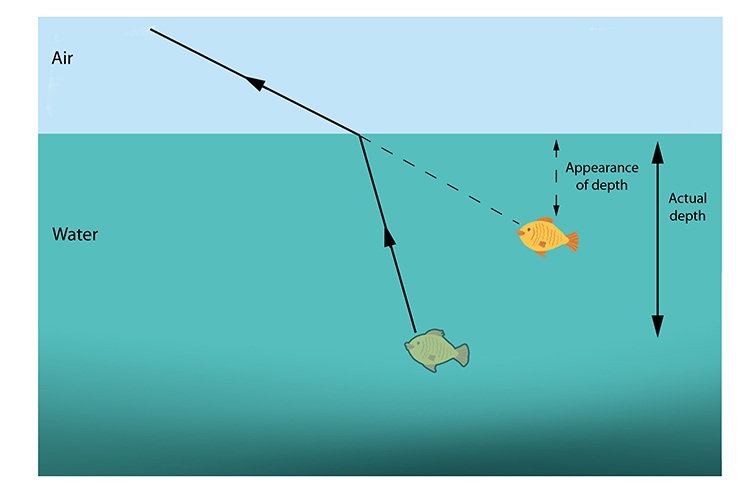
light reflected from the fish bends away from the normal as they pass from water to air
our brain assumes light travels in a straight line, so it appears higher/closer than it is
mirage

when the ground is very hot and the air is cool, there are different layers of air.
when light moves through the cool air into the hot air, the light is refracted in a u-shaped bend as it reaches our eyes.
lens
a lens is a transparent object that causes light to refract and has at least one curved side
lenses come in a variety of sizes and shapes and are made of different types of material
types of lenses
the terms: plane, concave, convex are used to describe lenses as well as mirrors, but lenses have two sides and one side must be curved
there are two types of lenses:
converging - meets at focal point | diverging - spreads away, doesn’t meet |
converging lenses bring parallel light rays towards a common point they have 1 or 2 convex surfaces they are thicker in the center | diverging lenses cause parallel light rays to spread away from a common point they have 1 or 2 concave surfaces they are thinner in the center than the edges |
left side - more from less dense to more dense medium rays refract toward normal(converge) then they refract to less dense medium shape of lens is why rays converge with each other after passing through glass | less dense to more dense medium refract toward normal → diverge due to curvature when the light ray leaves = more to less dense medium(air) light rays refract away from the normal because of the overall shape of lens, the result is that the rays diverge away from each other |
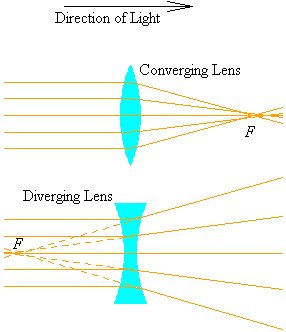
imperfect eye
20/20 vision is a term used to express normal visual acuity measured at a distance of 20ft

common vision defects:
nearsightedness(myopia) - you can see objects near you clearly, but objects farther away are blurry
why? eyeball is too long or cornea is too curved so the light is refracted too much so the light focuses in front of the retina instead of directly on it
fixes? eyeglasses or contact lenses(diverging lens placed in front of eye - diverging light)
farsightedness(hyperopia) - can see objects far from you clearly, but objects closer to you are blurry
why? eyeball is too short or the cornea doesn’t curve as much, thus the light does not refract enough so the light is focused behind the retina instead of on it
fixes? eyeglasses or contact lenses(converging lens placed in front of eye - converging light)
astigmatism - blurry all distances
why? cornea has an elongated shape
light focused on multiple points
fix? eyeglasses, contact lenses, or laser surgery
cataracts - cloudy and/or loss of vision
why? proteins build up in the lens of your eye as you grow older
fix? surgery is the only way to treat cataracts - surgery that replaces cloudy lens with a new lens