Art Class
Figure 4.1: Painted Plaque, Apollo 11 Cave, Namibia
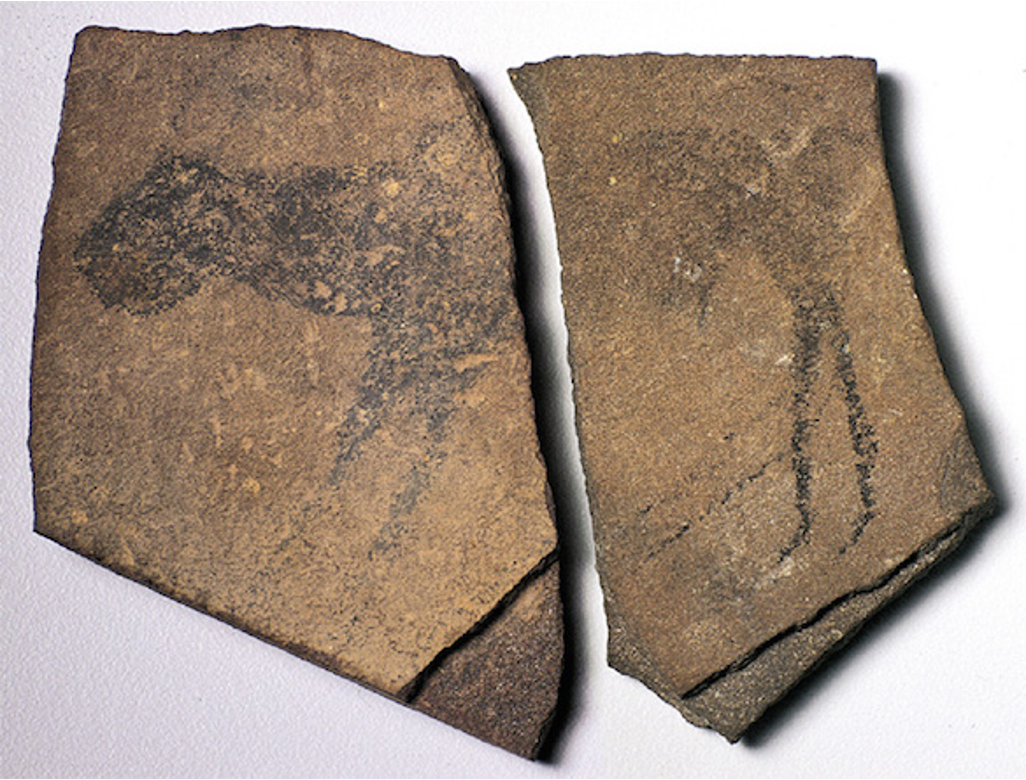
Date & Dynasty/Culture/Period: 25,500-23,500 BCE
/
Style: N/A
Materials: quartzite slab
Iconography/subjects, functions: some kind of four legged animal
Figure 4.3: Camp Sceen, Tassilli n’Ajjer, Algeria
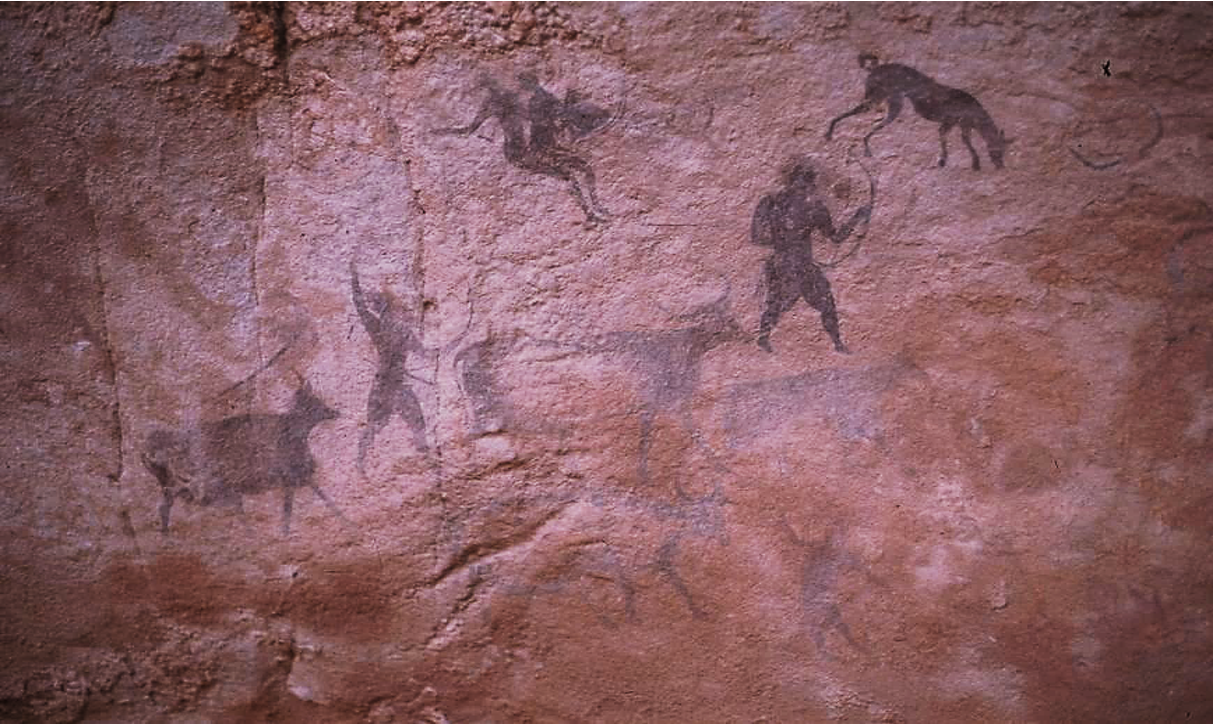
Date & Dynasty/Culture/Period: 5200-2000 BCE
Style: Pictograph/genre scene
Materials: Brushes
Geographic location, functions, decorative techniques: Shows a scene of everyday life, herding cattle, hunting, women seated together working
Figure 4.5: Palette of Narmer. Hierakonpolis, Egypt
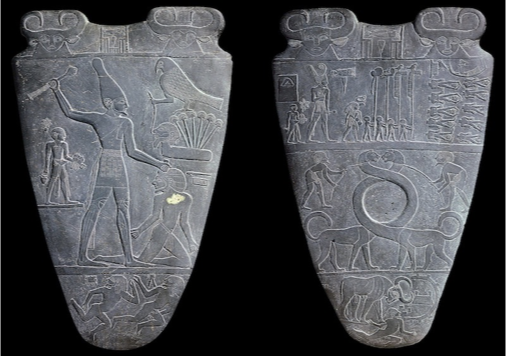
Date & Dynasty/Culture/Period: Early Dynastic
Style: hieroglyphic writing, composite view, hierarchal scale, aerial
Materials: Siltstone
Iconography/subjects, functions: offering, ione side tells the story of Narmar, wearing the white crown, killing the king of lower Egypt. Creating the propagandistic narrative that he is the soul reason for the unification on Egypt. The other side shows Narmar wearing the Red crown (from lower egypt) ruling over all of egypt, killing the rest of the enemies showing his power.
Figure 4.6: Pyramid of Djoser, Saqqara, Egypt
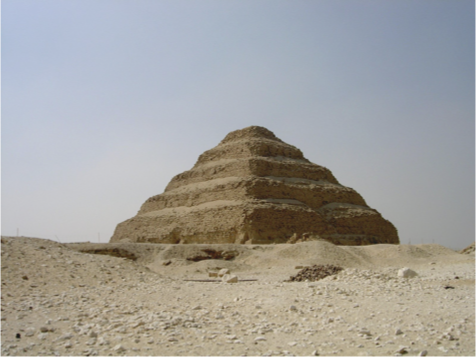
Date & Dynasty/Culture/Period: Old Kingdom
Style: stepped pyramid
Materials: stone
Geographic location, functions, decorative techniques: Squarra, used as a way to protect the mastaba, where the soul would live once a person passed on.
Figure 4.8: Pyramids of Menkaure, Khafre, and Khufu
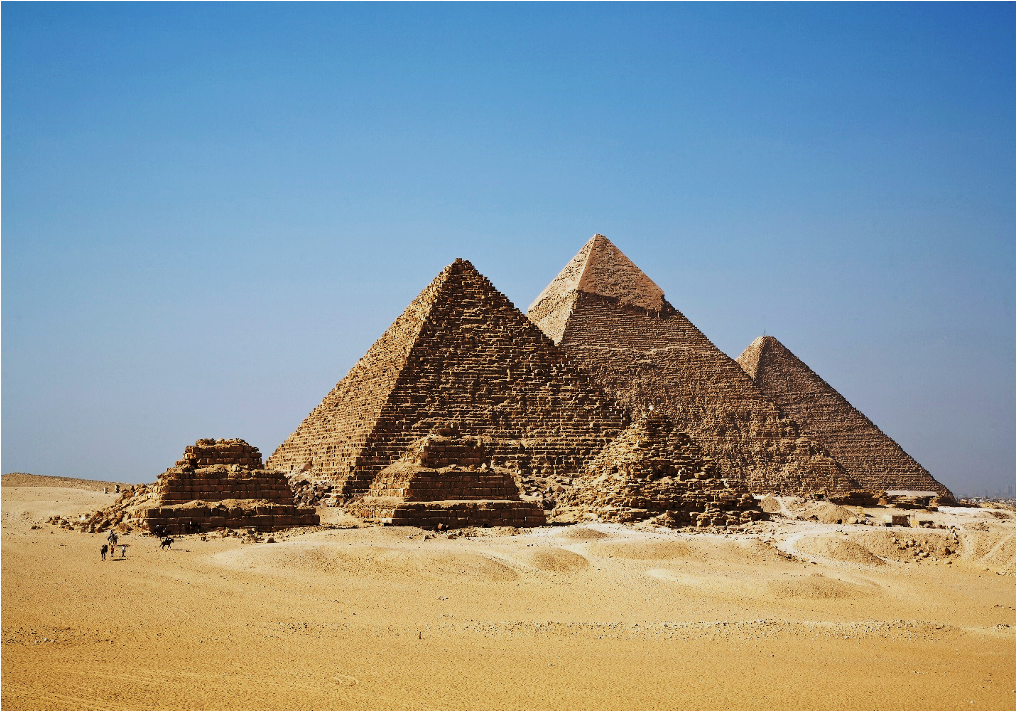
Date & Dynasty/Culture/Period: Old Kingdom
Style: Straight-sided pyramids
Materials:
Geographic location, functions, decorative techniques: Giza, tombs for the Pharaohs
Figure 4.10: Ka statue of Pharaoh Khafre
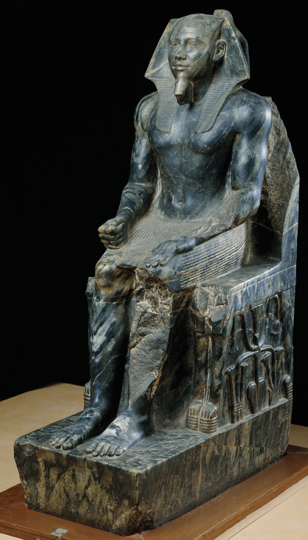
Date & Dynasty/Culture/Period: Old Kingdom
Style: uraeus, bilateral symmetry, abrasion, subtractive
Materials: Diorite
Iconography/subjects, functions: A funerary statue of Pharaoh Kafre made to hold the life force of his soul.
Figure 4.13: Large Kneeling Statue of Hatshepsut with offering Jars
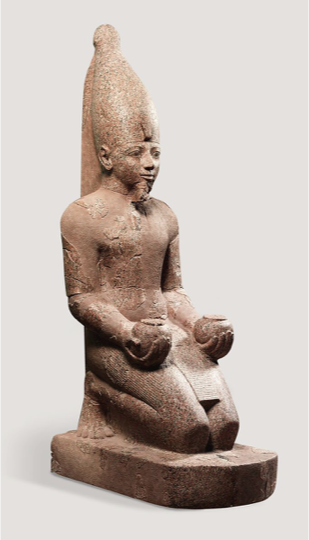
Date & Dynasty/Culture/Period: New Kingdom
Style: Regent
Materials: Carved statue
Iconography/subjects, functions: Hatshepsut, a masculine structure of Hatshepsut
Figure 4.14: Mortuary Temple of Hatshepsut
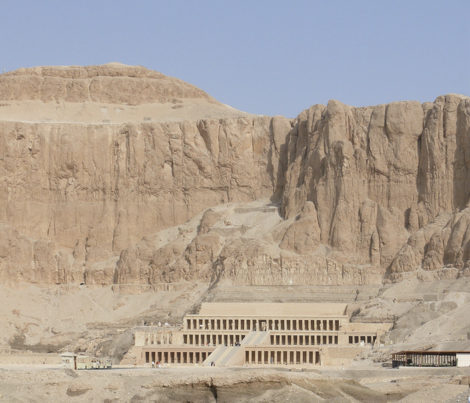
Date & Dynasty/Culture/Period: New Kingdom
Style: Temple
Materials: N/A
Geographic location, functions, decorative techniques: Mortuary temple for Hatshepsut, Deir el-Bahri
Figure 4.15: Painted Relief
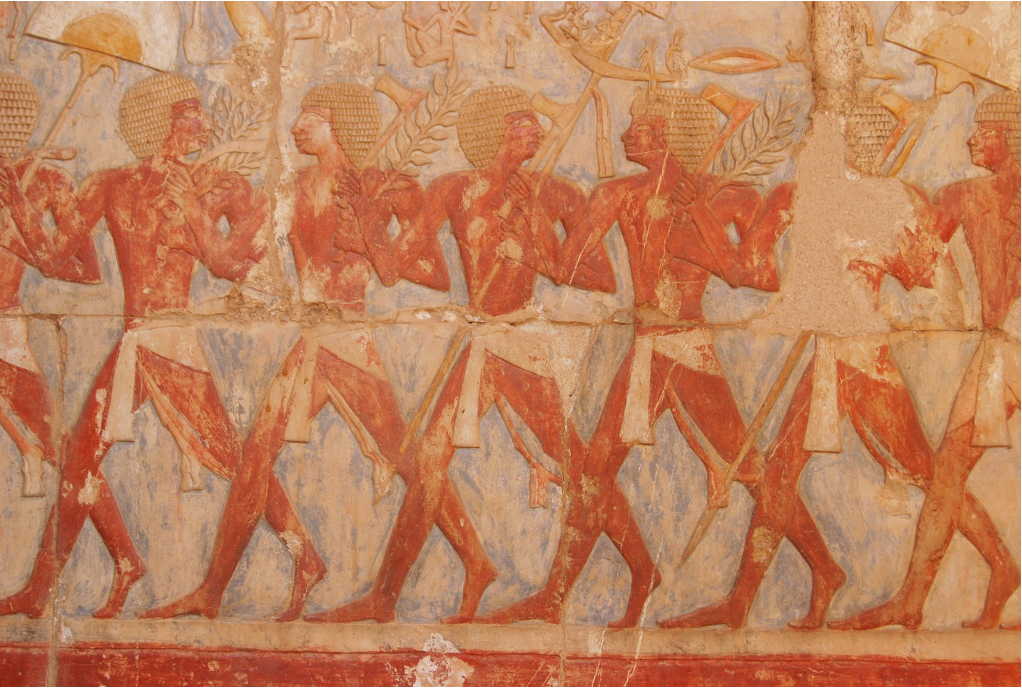
Date & Dynasty/Culture/Period: New Kingdom
Style: bas-relief
Materials: painted stone
Iconography/subjects, functions: Shows soldiers returning from an expedition for Hatshepsut, carrying trees. Temple decoration, story telling
Figure 4.16: Akhenaten, Nefertiti and their three daughters
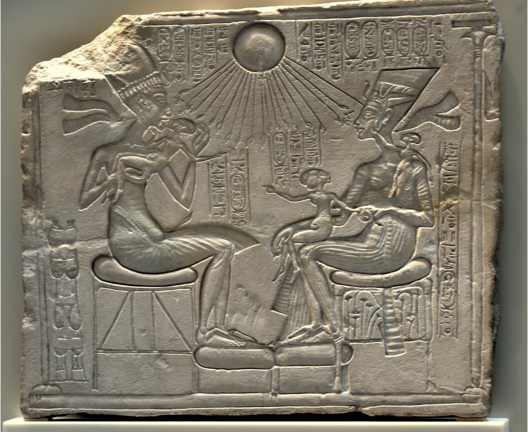
Date & Dynasty/Culture/Period: Amarna Period
Style: genre scene
Materials: lime stone
Iconography/subjects, functions: Royal couple (Nefertiti and Akhenaten) and their children. unusual due to how familiar the figures are pictured with each-other.
Figure 4.21: West Façade of Bet Giyorgis
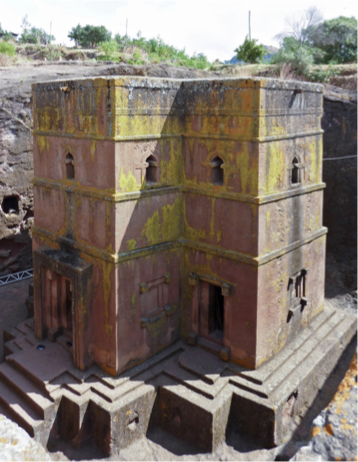
Date & Dynasty/Culture/Period: 1180-1220 CE
Style: Zagwe
Materials: Rock-hewn tuff
Geographic location, functions, decorative techniques: Lalibela, Ethiopia, church
Figure 4.23: Great Zimbabwe
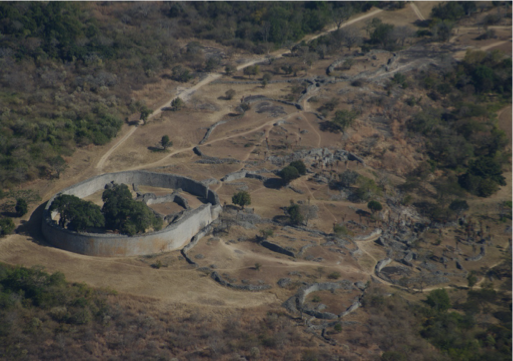
Date & Dynasty/Culture/Period: 1275-1550 CE
Style: dry stacking, mortarless masonry
Materials: stacked granite
Geographic location, functions, decorative techniques: Protected area where there as a temple and where the King’s senior wife lived
Figure 4.25: Memorial head of an Oni
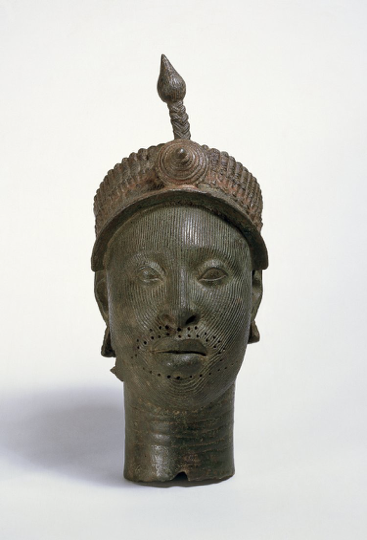
Date & Dynasty/Culture/Period: 1100-1400 CE
Style: Ile-ife, yoruba
Materials: Brass
Iconography/subjects, functions: Figure has scarification marks, associated with high ranks. is missing top part of head peice
Figure 4.26: Head of an Oba
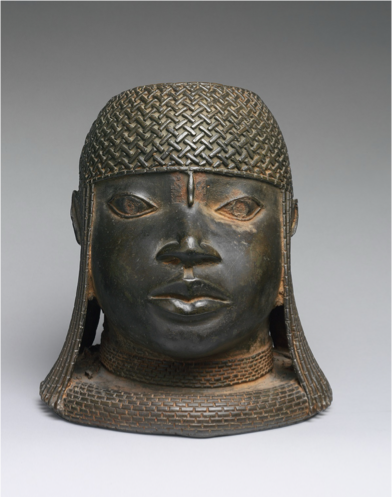
Date & Dynasty/Culture/Period: 16th Century
Style: Edo
Materials: Brass
Iconography/subjects, functions: Upon the Oba of death, this commemorative head was cast in memorial.
Figure 4.27 Great Mosque of Kairouan
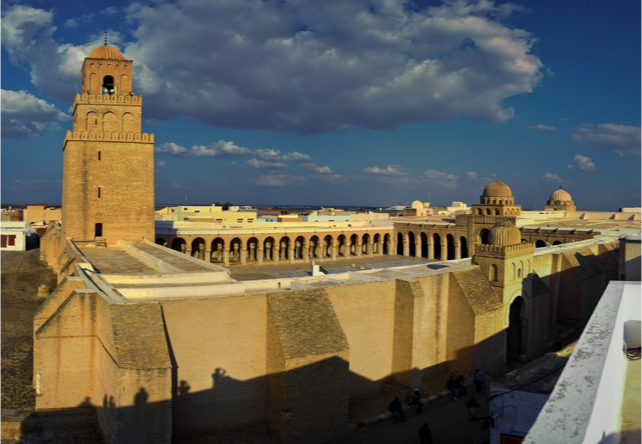
Date & Dynasty/Culture/Period: 863 CE,
Style: hypostyle
Materials:
Geographic location, functions, decorative techniques: Tunisia, religious space for islamic followers
Figure 4.28: Afro-Portugese Ivories “Sapi”
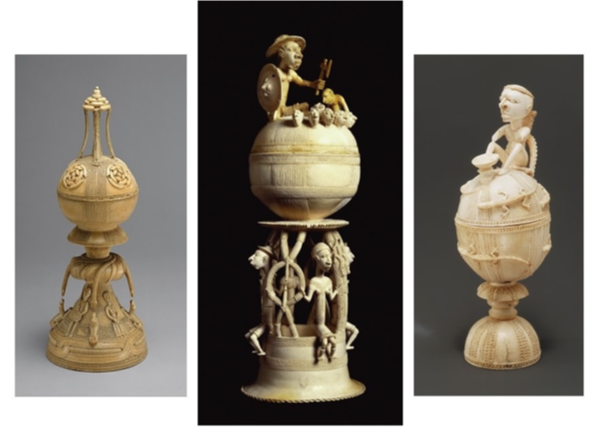
Date & Dynasty/Culture/Period: 15th-16th century CE
Style: Portufese influence
Materials: Ivory
Geographic location, functions, decorative techniques: Salt holders, made for europeans higher-ups; used as a sign of high status
Figure 4.30: Veranda Post with Equestrian figure and Caryatid
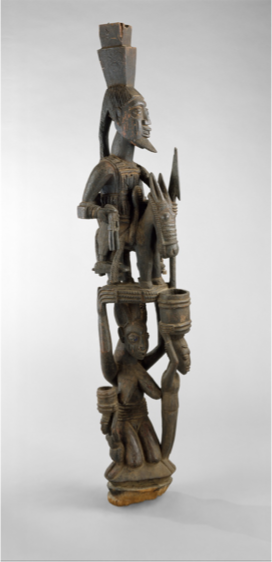
Date & Dynasty/Culture/Period: 1873-1938
Style: Yoruba/oyo
Materials: Wood and pigment
Iconography/subjects, functions: column for the veranda palace courtyard