Chapter 6-Professionalism and Ethics
Citizenship Roles
Rights and Responsibilities
Constitutional Rights | Responsibility as citizens |
Right to just administrative action
| act in a respectful manner → knowing you can be taken to court otherwise |
Political rights
| vote for a party that has the nation’s best interests |
Right to food, water, and healthcare | treat country’s resources with respect |
Children <18 have special rights such as protection against abuse and exploitation | Not abuse or exploit others (don’t bully) |
Right to basic education | go to school and learn |
Organisational culture and ethical behaviour
organisation culture = common perception amongst employees about what’s right vs. wrong and acceptable vs. unacceptable
common understanding created when business states their expectations regarding behaviour etc.
guides relationships within the business and stakeholders outside the business; enforcing the right culture and punishing anyone who goes again it is important
how is a culture of ethical behaviour established in the business?
first step is to recruit people who will behave in an ethical manner
management should lead by example = value-based leadership
formal policies and ethical codes should constantly be reminded to employees through training sessions, informal conversations, and stories shared among employees
Ethics in Marketing
ethical vs. legal:
(legal but unethical) = selling bread and medicine for cheap, but you exploit the poor in the process and make unreasonable profits
(illegal but ethical) = selling petrol bellow the government’s stipulated price which helps consumers
unethical behaviour in marketing:
materialism = false needs created e.g. advertising alcohol to rehabilitated alcoholics
naming products deceptively e.g. calling pizza a “slimming meal”
deceiving customers by selling second-hand goods as new items
competitive advertising is illegal and also unethical in SA
using unacceptable language, discriminating against people in any way etc.
Contracts and contractual obligations
contract = written document or verbal agreement that is legally binding between two or more parties
→ two parties = person making offer & person accepting the contract
legally binding = court forces parties to honour agreements stated in the contract
elements that make the contract legally binding:
- Contractual capacity: legal age to enter contract is 18 in SA
- Sound mind: person entering contract shouldn’t be under any substance influence or suffer from mental illness
- Reasonable: conditions have to be reasonable and fair
- Legal: duties carried out as part of contract must be legal
- Possible: activities that are part of the contract must be possible to achieve
a breach in contract occurs when:
any of the above requirements aren’t met
either party fails to fulfil requirements of the contract
false or misleading information that forms part of the contract
someone is forced to or tricked into signing the contract
requirements of contract were unclear to one of the parties
NB!! “not knowing” is not an excuse in the eyes of the law
Employment Contracts
=an agreement between an employer and employee where:
the employee undertakes to perform certain duties and to meet certain deadlines
employer promises to remunerate employee for work done
contract has to be in line with BCEA (Basic Conditions of Employment Act) which includes:
name and address of both parties
job title
job description and responsibilities
remuneration structure (salary scale)
leave details
notice period
code of conduct
Insurance Contract
entered into between two parties, namely the insurer and the insured
insurer is company that carries risk and promises to protect insured again possibility of loss, provided the insured meets certain conditions
insured is the person who wants assets protected, makes monthly payments (premium) to insurer to transfer the risk to them
Lease Agreement
entered into between the lessor and the lessee
lessor is the owner of the goods
lessee uses goods for an agreed upon (usually monthly) fee, but goods never become property of the lessee
e.g. furniture, machinery, and tools
Instalment sale/Hire Purchase Agreements
contract exists when a seller allows a buyer to:
pay a deposit
immediately take possession of the goods
pay the goods off in monthly instalments
ownership is only transferred to buyer when last instalment is settled
seller usually adds interest to amount being paid off by the buyer
instalment sale agreement is seen as a credit transaction, National Credit Act (NCA) must be applied
NCA helps protect rights of both parties that enter instalment sale contract
Rental Agreements
contract between landlord and tenant, tenant rents property from landlord
tenant pays a monthly amount agreed upon by both parties
property being rented never becomes property of tenant
rental amount is usually reviewed yearly
Rental Housing Act (RHA) looks after rights of both parties involved in agreement
Franchising
legal contract between:
franchisor (original owner of business concept)
franchisee (person who pays to use business concept to generate income)
agreement signed by both parties, stipulates relationship, rights, and responsibilities of both parties
franchisor promises to provide ongoing training, support, and allow franchisee to use brand (business concept)
franchisee promises to pay a once off lump sum and monthly/quarterly/yearly fee for use of business concept
Self-management in a business context
very important the manager realises the role that their performance plays in the overall success or failure of the business
if manager is effective in their role, business will benefit as a whole
if manger is ineffective, their inefficiencies = poor performance = poorly motivated employees, lack of teamwork, unhappy clients
knowing personal strengths and weaknesses and how they can impact business is an important part of being an effective manager
manager that knows skills they lack in can use insight to surround themselves with people who compensate for that lack
thus it’s important that manager can take control of their own learning and development
manager should work on weaknesses and use strengths to create success for the business
Personal Development
before knowing one’s personal development goals, one has to do a self-assessment to understand:
who you are as an individual (skills, knowledge, thinking process and developmental ability)
the effect (positive and/or negative) that you have on people around you and your working environment
personal development = process of “reconstruction” where one improves themselves by learning new knowledge and skills through different experiences to perform better in unfamiliar situations
if manager realises that they are only human and can’t handle all tasks, they can use that insight to surround themselves with people who compensate for potential weaknesses in certain tasks
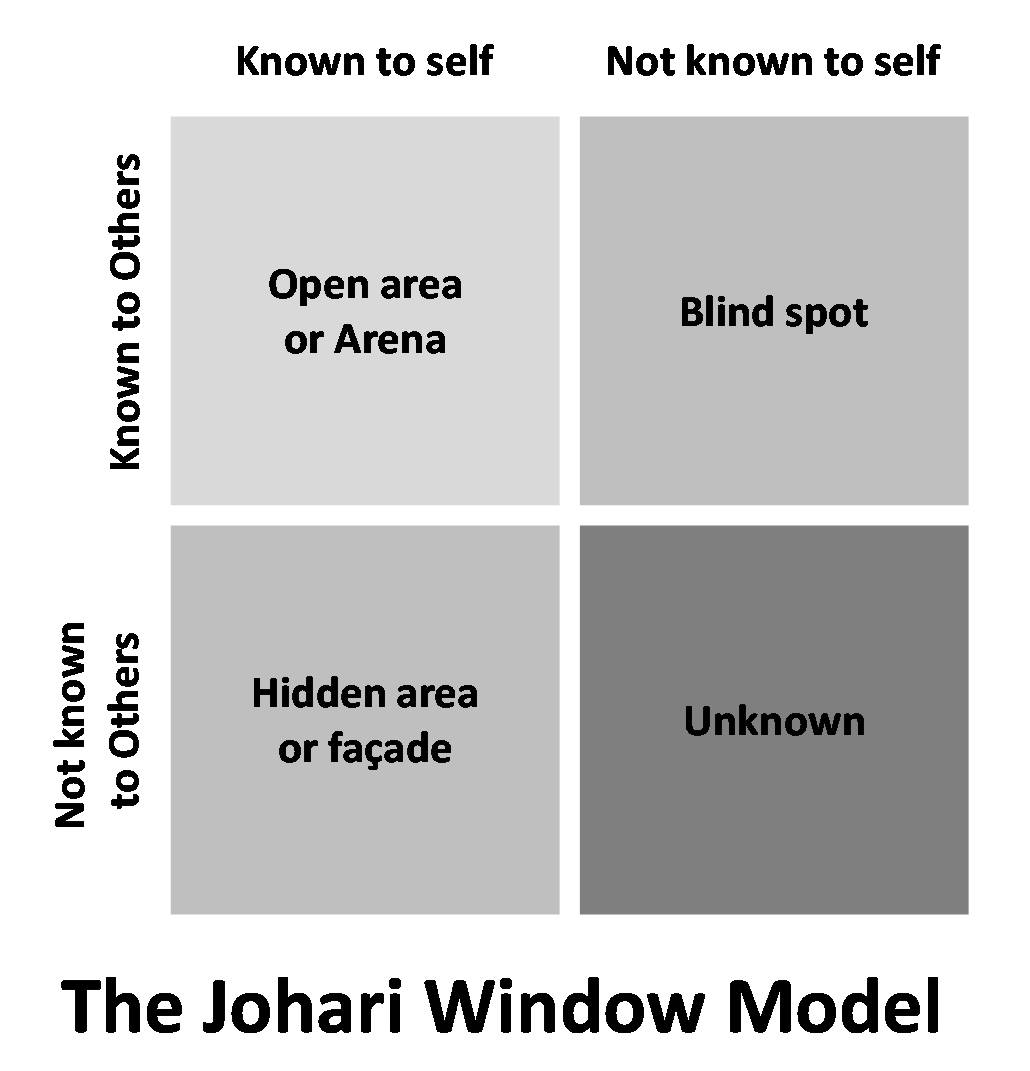
JOHARI Window = tool that can be used to help someone understand themselves better
(1) Open/Free Area:
information that person knows about themselves and is known by other people
(2) Blind Area:
area that is completed by team members → listing perceptions regarding team member’s knowledge, skills, and value
clarifies issues that person doesn’t know about themselves
(3) Hidden Area:
highlights what other people don’t know about you
in order to achieve success in the team (business), people have to know what each is capable of (or not)
(4) Unknown Area:
refers to information (such as hidden potential, emotions and fears) that is unknown to individual and others
goal is to minimise info that could fall under this area (by getting to know yourself) because experience in a similar situation has taught you how you’ll react
SWOT Analysis = tool used to gain information about oneself
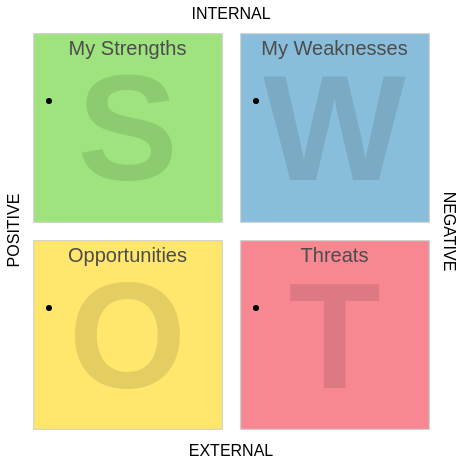
Personal strengths = skills, experience, and/or knowledge
Personal weaknesses = disabilities, deficiencies, lack of skills and/or lack of knowledge
Opportunities = available resources, new development (technology), diversity etc.
Threats = result of constraints (time, money), competitors, changes in legislation, unmotivated friends/colleagues etc.
Skills Development
Time Management
it’s important to learn to manage time productively by planning activities and tasks to ensure enough attention is given to each task
equally important that role of manager isn’t compromised due to poor time management
examples of time wasters: meetings not starting on time, meetings not being effectively managed, unpleasant tasks being left till last, poor prioritising of tasks, poor delegation
Delegation
being able to delegate without micromanaging is an important skill that managers need to master
manager has to identify skills and abilities of each employee so that work is delegated effectively
delegation can be used to motivate and empower team members; manager has to explain to workers that responsibilities require accountability for one’s actions
when delegating, manager should keep the following principles in mind:
know your own abilities
understand the abilities of others
understand different job roles
trust your employees
communicate effectively
empower your employees
feedback and control
Workload and Stress
hard for managers to plan their own days due to unplanned interruptions which adds stress to manager
stress is a natural part of daily life, could have a positive or negative and destructive outcome depending on how it is managed
factors that lead to stress include change, workload, too much responsibility, poor working conditions, job insecurity, and financial insecurity
first step is to recognise symptoms of stress which include low self-esteem, anxiety, irritability, trouble concentrating, medical issues (high blood pressure, depression, etc.)
manager should learn to cope with own stress and identify stressors that may have a negative effect on the productivity of employees, and help them manage the stress
techniques to handle stress:
know what causes stress in your life
establish boundaries and learn to say no to certain things
plan activities and deadlines (DON’T PROCRASTINATE!)
learn to relax and take a break
learn to ask for help, but don’t transfer responsibility to someone else
eat well and get enough sleep
Communication
communication includes a variety of formats, such as:
verbal communication (talking face-to-face or on Zoom)
written communication (emails, letters, memos, SMS)
body language
body language is important during face-to-face communication as body language also projects a message
to become a good communicator a manager has to work on their communication skills which include:
good speaker
sound use of electric communication
good listener
interpreting non-verbal messages
confident over the telephone
Assertiveness
middle ground between aggression and passivity
being assertive while remaining calm means person can voice their views without emotion confusing the meaning of the message
Technological skills
technology is becoming an important element that supports role of manager
has potential to simplify processes but if manager is unfamiliar with technology, it may make the task more difficult and less productive
Balanced Work-Life
= balance between time and effort put into work situation vs. time and effort invested in one’s private life
difficult to maintain a balance because managers are expected to take unfinished work home, answer calls and emails 24/7 etc.
research shows that employees with a work-life balance are more productive; they are less stressed, more motivated, and productive
BCEA (Basic Conditions of Employment Act) prescribes working hours (daily and weekly) to protect employees from being exploited
also prescribes annual leave, sick leave, and family responsibility leave that workers are entitled to
businesses focus on helping employees achieve a balance by:
allowing flexible working hours and/or working from home
provide support to employees during crisis e.g. burst geyser, sick child etc.
Ethics
= difference between right and wrong
i’s important that manager is seen to be ethical in their talk and actions
managers make decisions based on skills, knowledge, and experiences
manager should keep vision, mission, and values of business in mind when making decisions AND ensure the decisions have a positive impact on the stakeholders of the business
legal requirement have to be adhered to, for example the CPA (Consumers Protection Act) advises how, when, and where to advertise the product or service
it’s difficult to please everybody which is why manager has to gather all information about the topic before a final decision is made
consistency is crucial to ensure fairness to all employees and other stakeholders
following principles should be kept in mind when making business decisions:
be guided by pre-existing rules
develop a sense of justice and fairness
allow for input from others
choose the way which is most beneficial to the needs of most employees
follow your gut
develop an understanding of values and core identity of the business
ensure that you don’t act out of self-interest
Professional Image
managers need to be aware of image they project in the working environment
professional image will improve level of respect from different stakeholders
professional image refers to:
dress appropriately for the job
ways of interaction with people
manner in which work is completed
the way you conduct yourself around people
the type of decisions you make
your footprint on social media
resources used to improve a manager’s professional image include websites, books, courses, life coaches, image consultants etc.
Personal Goals
= a statement regarding what a person would like to achieve
people’s goals direct their learning (skills, knowledge, and experience) and daily actions; personal goals are a critical component of professional development
personal goals act as motivational tools to help individual maintain high level of performance
goals must be SMART: Specific, Manageable, Achievable, Realistic, and Time-based
Self-Knowledge, Self-Confidence, and Adaptability
self-knowledge = knowing oneself and understanding what drives personal motivation
knowing oneself assists with a strong level of self-confidence
self-confidence = level of trust one places on one’s ability to perform a particular task or job
accepting oneself with all of your flaws
core competency of successful people; belief one has in oneself to perform at a particular level
self-confident people focus on their strengths which help them approach new tasks assuredly
adaptability = a person being flexible around different situations and tasks
people who are adaptable are more likely to accept change
research shows that people who are more willing to adapt = more likely to take risks = self-confidence = better chance of success