Clinical Significance: Proteins
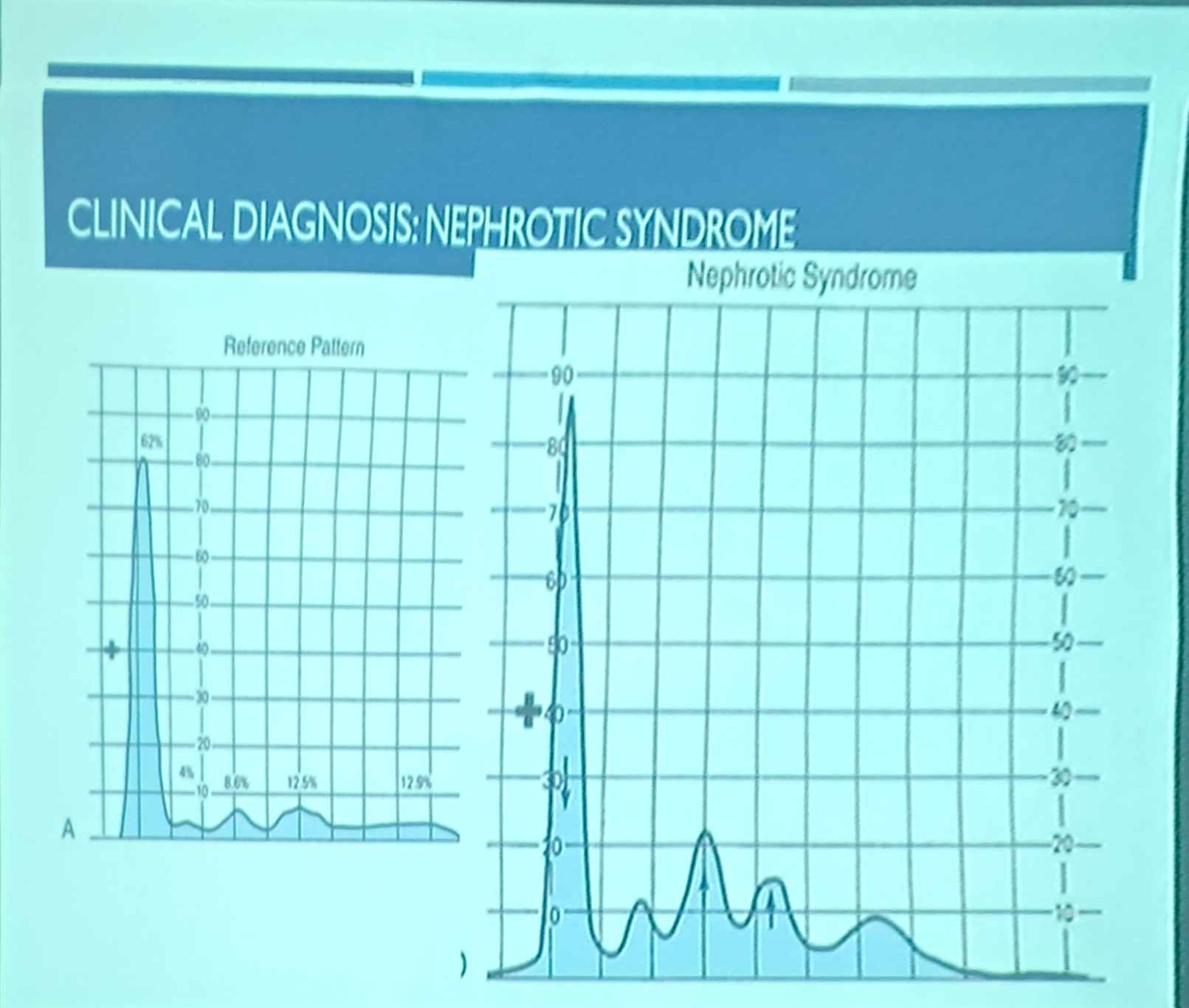
I. Nephrotic syndrome : is a kidney disorder characterized by:
high levels of protein in the urine (proteinuria),
low levels of protein in the blood (hypoalbuminemia),
high cholesterol levels, and swelling (edema).
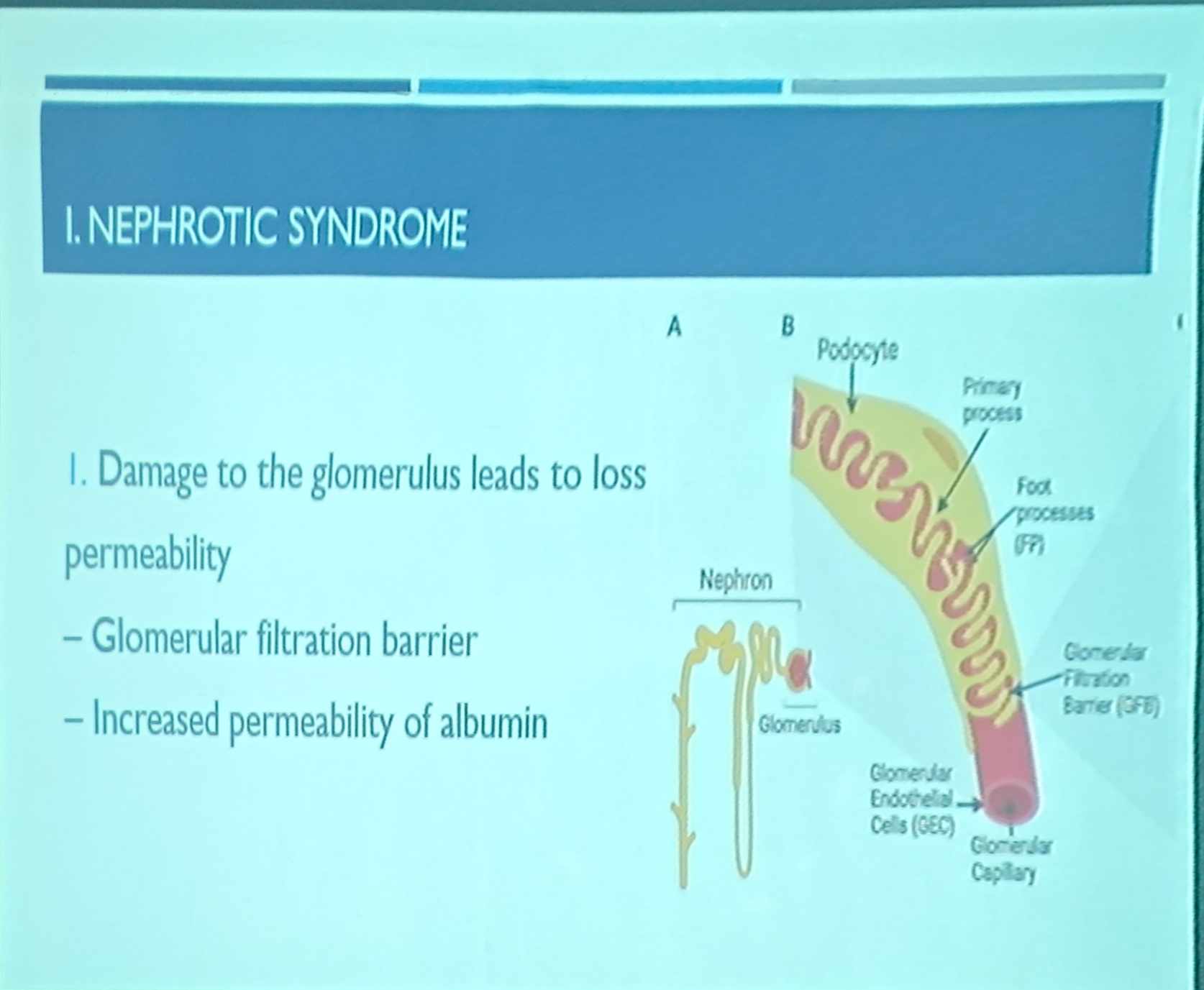
1. Damage to the glomerulus leads to loss of selective permeability
This statement describes a key aspect of nephrotic syndrome. The glomerulus is a tiny blood vessel cluster within the kidneys responsible for filtering waste products from the blood.
Glomerular filtration barrier: This refers to the layers of cells and structures that make up the glomerulus, which are responsible for filtering the blood. Damage to this barrier disrupts the filtration process.
Increased permeability of albumin: Albumin is a protein found in the blood, and its presence in the urine (proteinuria) is a hallmark of nephrotic syndrome. Damage to the glomerulus increases the permeability of albumin, allowing it to leak into the urine.
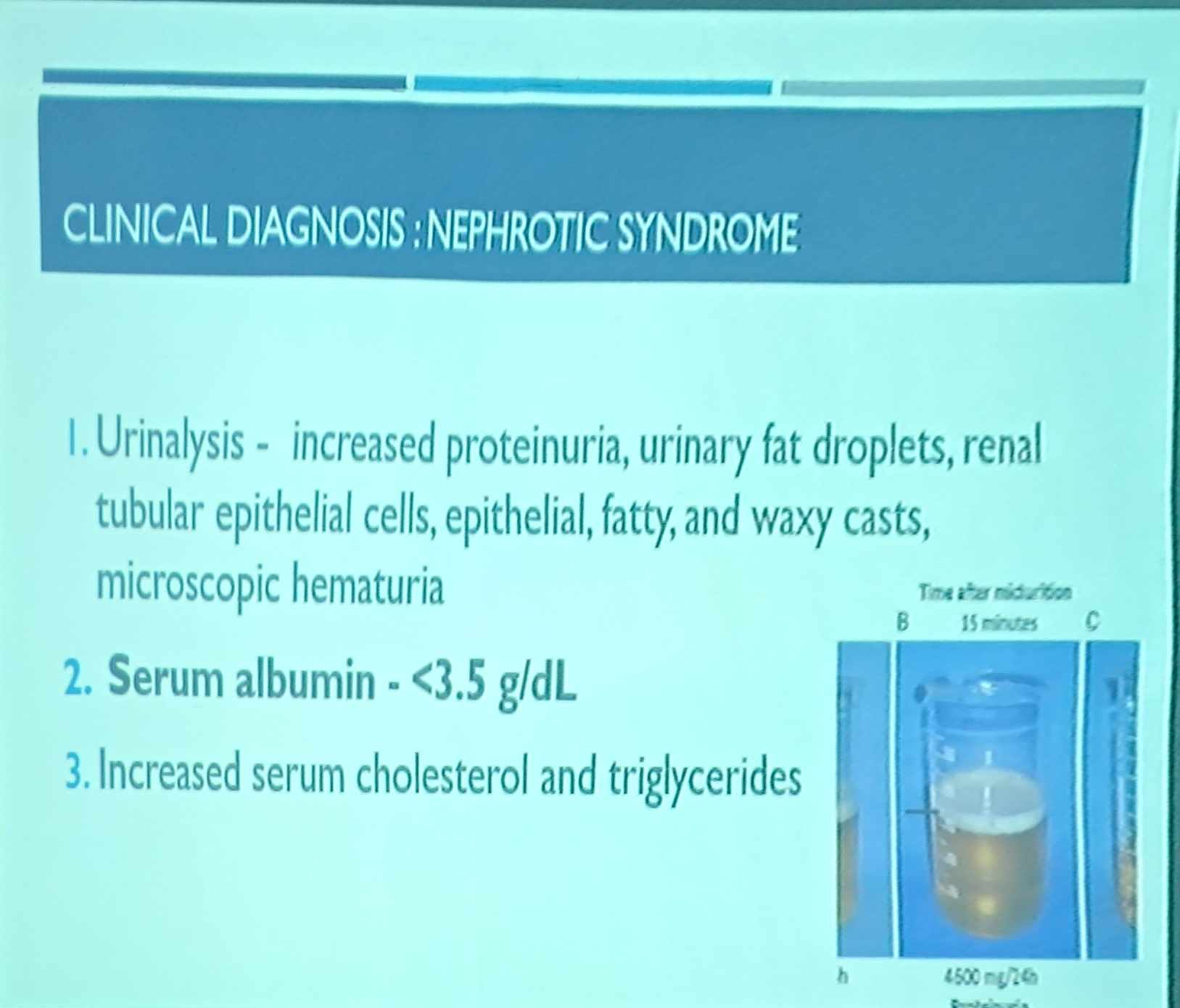
2. Proteinuria - >3.5 g/dL:
Proteinuria: This refers to the presence of excessive protein in the urine.
>3.5 g/dL: This indicates a significant amount of protein in the urine, exceeding the normal threshold.
3. Hypoalbuminemia - Edema:
Hypoalbuminemia: This means low levels of albumin in the blood. Albumin is a protein that helps maintain fluid balance in the body.
Edema: This refers to swelling, typically in the legs, ankles, and feet, caused by fluid retention. Hypoalbuminemia leads to edema because the low albumin levels in the blood decrease the osmotic pressure, causing fluid to leak out of the blood vessels and into the surrounding tissues.
4. Hyperlipidemia:
Hyperlipidemia: This refers to high levels of lipids (fats) in the blood. This is often associated with nephrotic syndrome due to the kidney's role in regulating lipid metabolism.
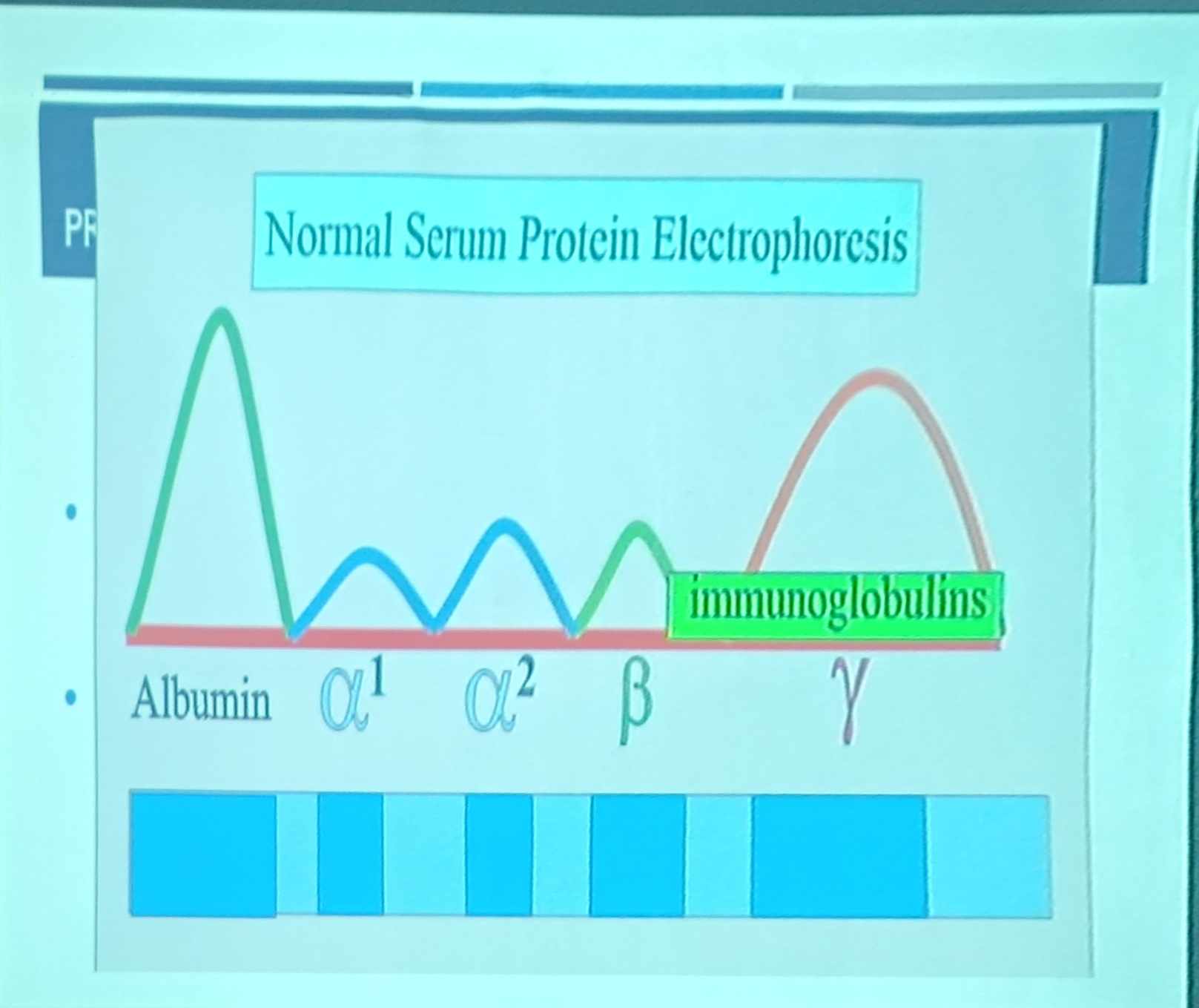
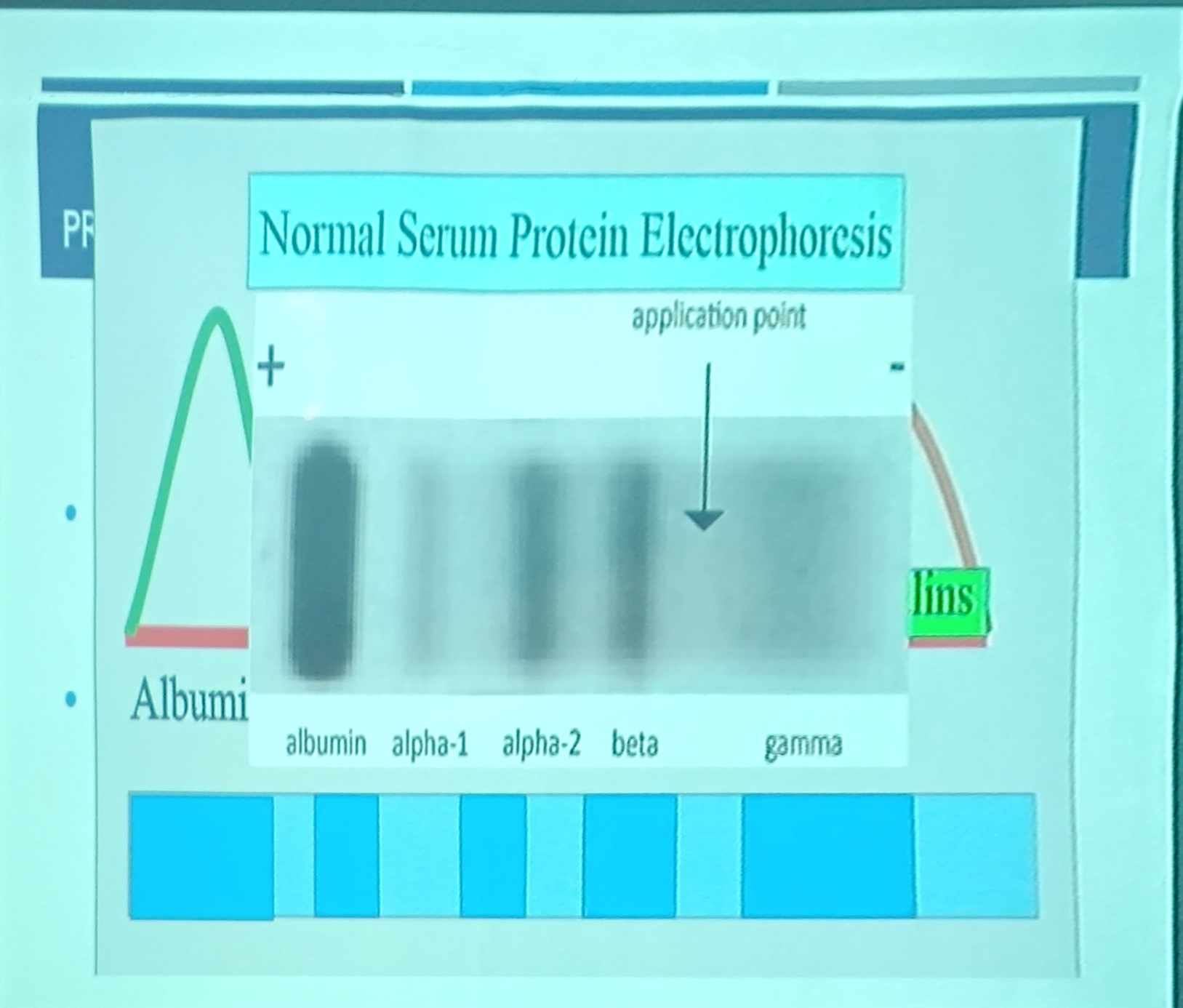
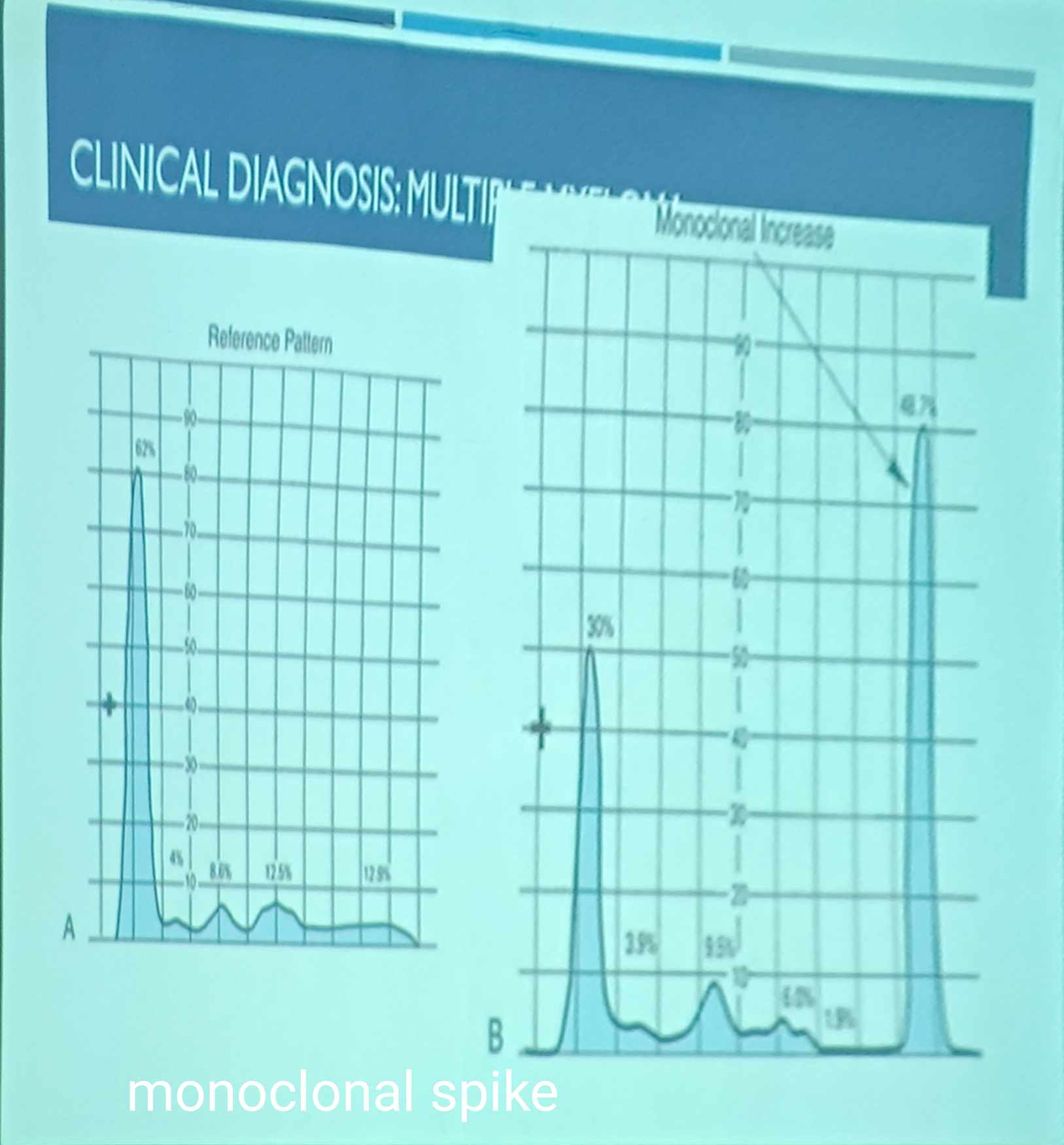
PROTEIN ELECTROPHORESIS : Performed when an abnormality in total protein or albumin is found.
PROTEIN ELECTROPHORESIS : Separates proteins based on their charge density
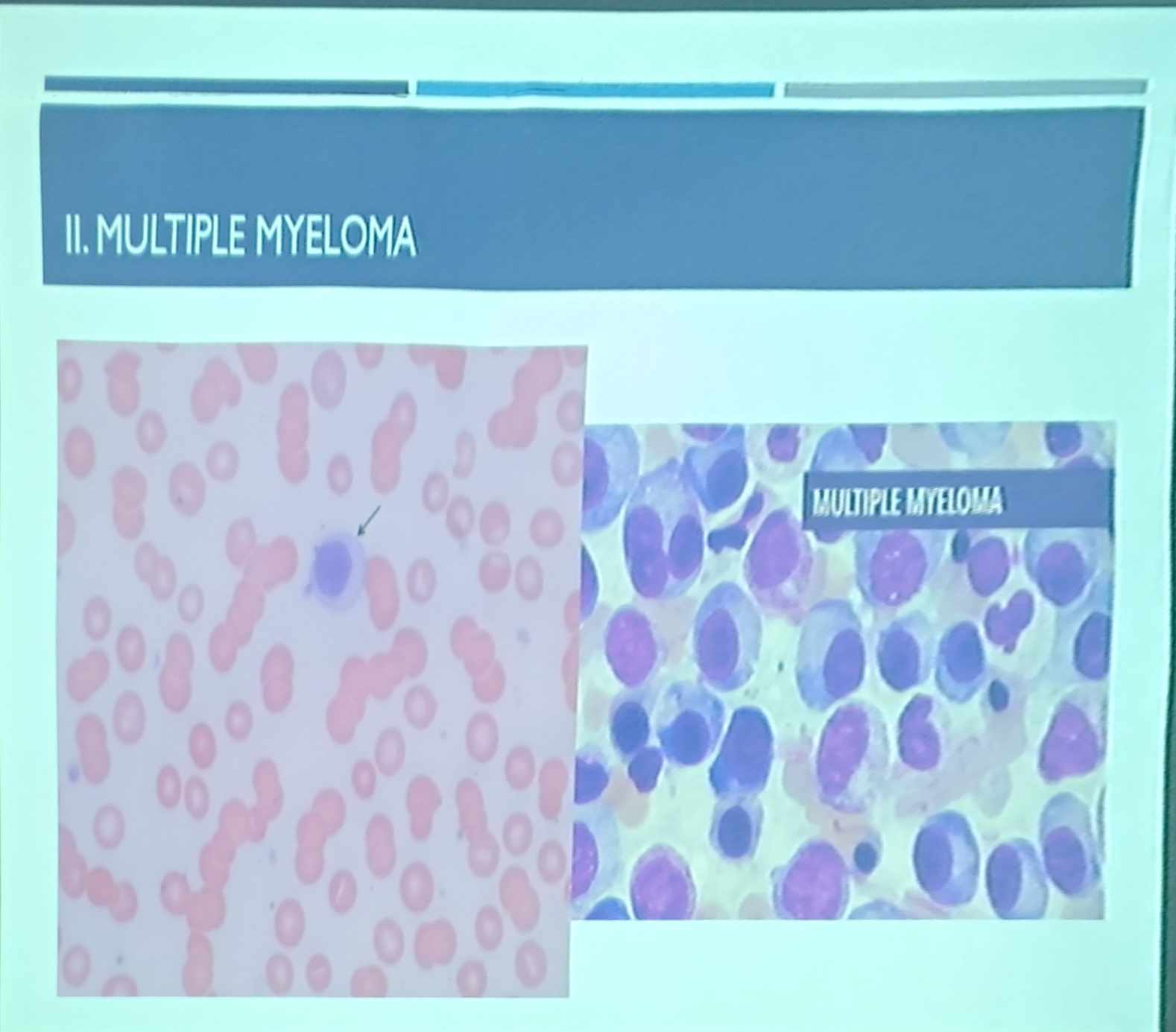
II. Multiple Myeloma: is a type of cancer that affects plasma cells, a type of white blood cell that is responsible for producing antibodies. A type of cancer that affects plasma cells in the bone marrow.
Proliferation of Plasma cells: The disease starts with abnormal plasma cells that multiply uncontrollably due to genetic mutations or chromosomal abnormalities. These abnormal cells accumulate in the bone marrow.
Excessive growth of myeloma cells disrupts hematopoiesis: The uncontrolled growth of myeloma cells disrupts the normal production of blood cells in the bone marrow, leading to various complications.
Bone destruction: Myeloma cells can also damage the bone, leading to bone pain, fractures, and other problems.
M protein production: Increased production (Light chain fragment). Myeloma cells produce an abnormal protein called M protein in excess. This protein can be detected in the blood and urine and is a hallmark of the disease
Renal Impairment: Increased light chain fragment in the kidneys; tubular obstruction
Immunodeficiency: Overproduction of M protein will suppress the production of normal antibodies.
III. Macroglobulinemia: a rare blood cancer characterized by the overproduction of a specific type of antibody called IgM.
Cause: Macroglobulinemia arises from the uncontrolled growth of abnormal B lymphocytes (white blood cells) that produce excessive amounts of IgM antibodies.
Location: The proliferation of these abnormal cells occurs primarily in the bone marrow, lymph nodes, and spleen.
Consequences: This overproduction of IgM can lead to several complications, including:
Impaired Hematopoiesis: The abnormal cells crowd out healthy blood cell production, resulting in anemia (low red blood cells), thrombocytopenia (low platelets), and leukopenia (low white blood cells).
Hyperviscosity Syndrome: The high levels of IgM in the blood can increase its viscosity (thickness), leading to circulation problems.
Immunodeficiency: The overproduction of IgM can suppress the production of other important antibodies, making the body more susceptible to infections.
Neuropathy: In some cases, Macroglobulinemia can affect the nervous system, causing nerve damage.
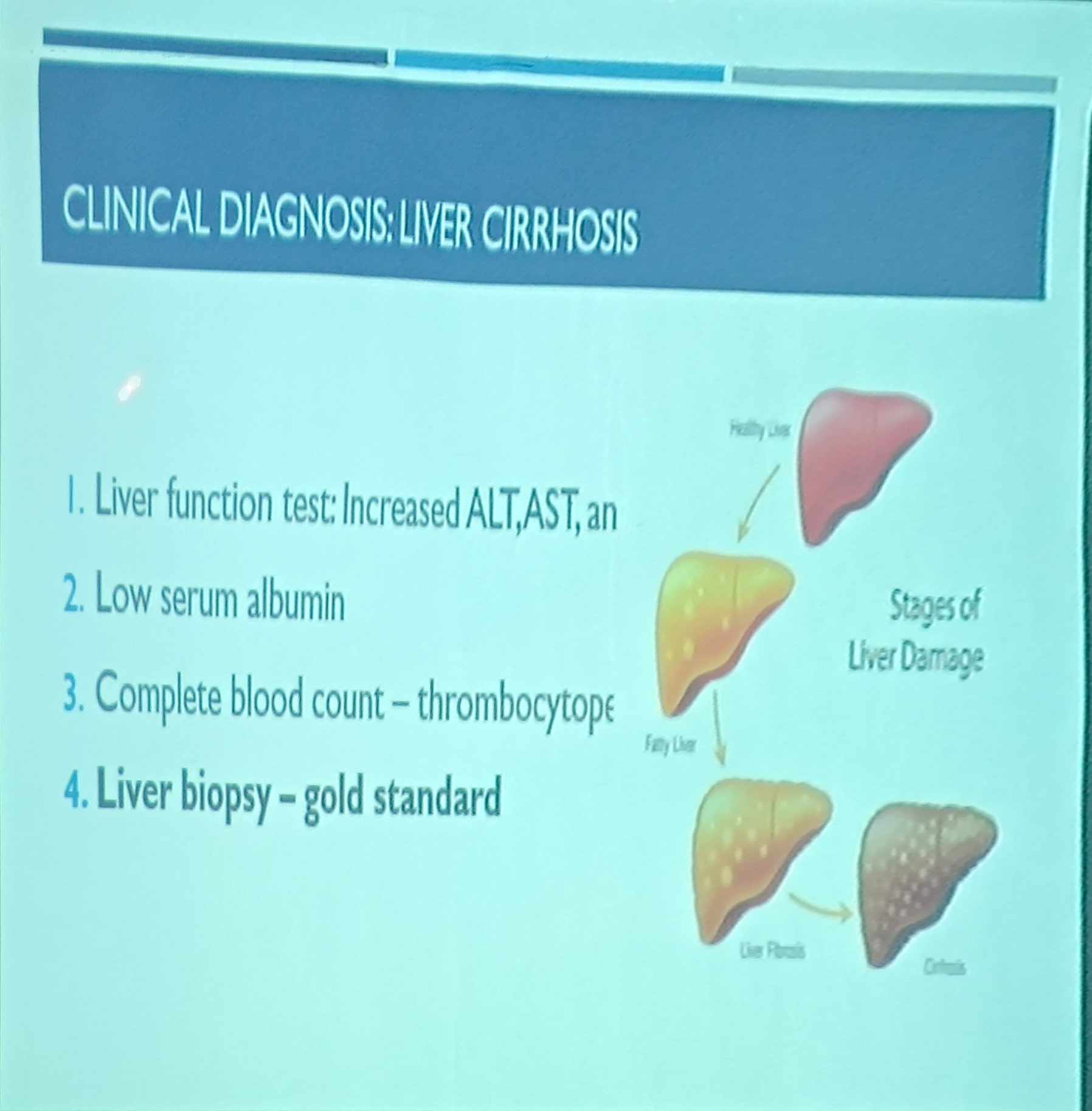
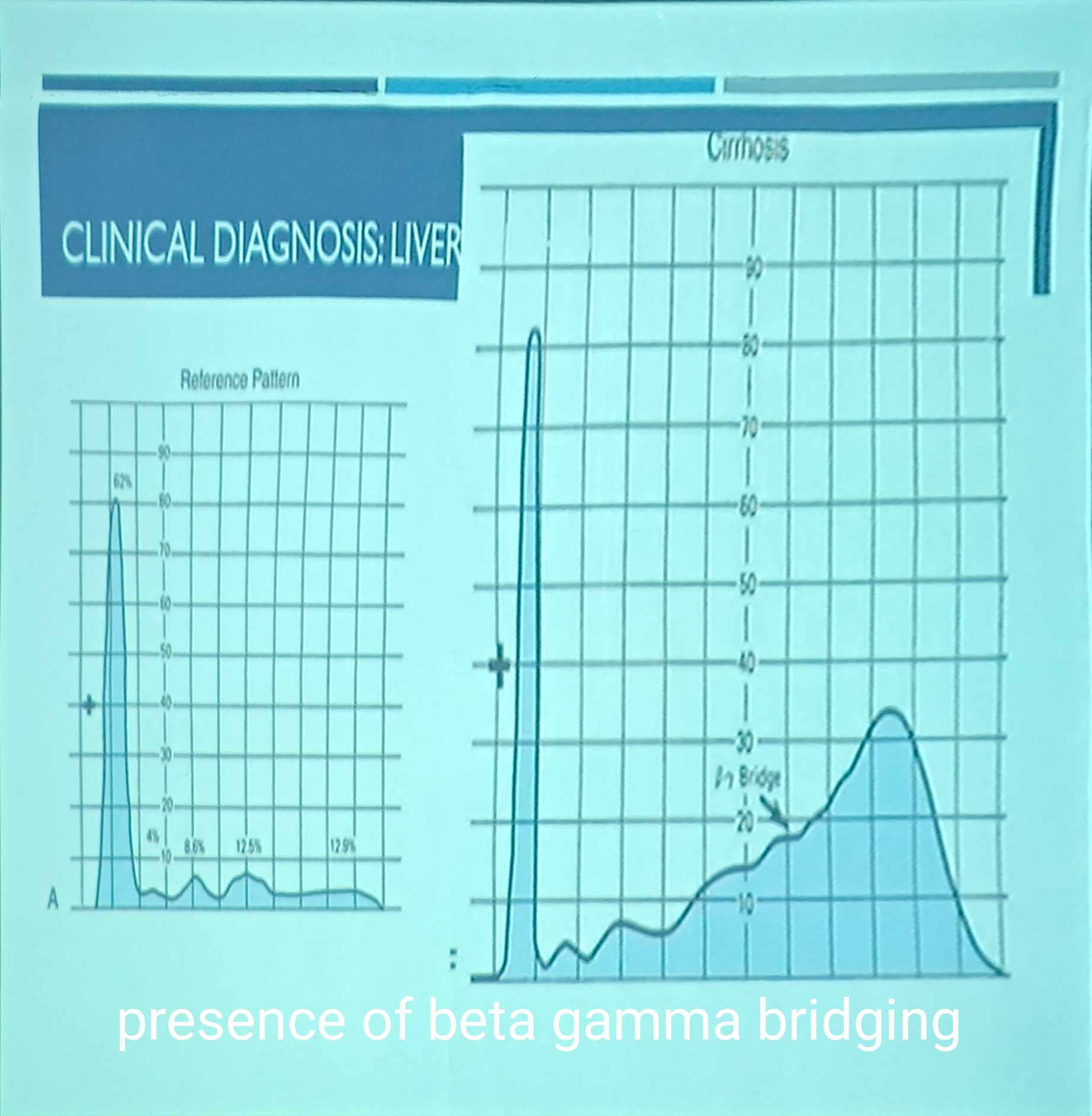
IV. Liver Cirrhosis: a serious condition where healthy liver tissue is replaced by scar tissue.
1. Causes: Liver cirrhosis is often caused by prolonged liver damage due to:
Chronic viral hepatitis (e.g., hepatitis B or C)
Alcohol abuse
Fatty liver disease
2. Fibrosis Formation: A key feature of cirrhosis is the excessive production of collagen, a fibrous protein. This collagen buildup transforms hepatic stellate cells into myofibroblasts, leading to scar tissue formation.
3. Impaired Blood Flow: The scar tissue disrupts the liver's normal structure, impairing blood flow. This can lead to the formation of nodules (small lumps) in the liver.
4. Elevated Portal Vein Pressure: The increased vascular resistance caused by scar tissue leads to elevated pressure in the portal vein, a major blood vessel in the liver. This can lead to splenomegaly (enlargement of the spleen).
5. Hepatocellular Dysfunction: Cirrhosis also affects the liver's ability to function properly, leading to hypoalbuminemia (low levels of albumin, a protein produced by the liver)
Prepared by: Valdez_ Danica BSMLS