Atomic Theory
Atoms and Subatomic Particles
Atom: the smallest unit of measurement for anything
They are neutral-charged, and individual particles have different charges + mass
Atoms can be broken down into 3 subatomic particles: proton, neutron (protons and neutrons make up the nucleus), and electrons
Proton
positively charged subatomic particle that is found inside of the nucleus
the atomic number of an element represents the number of protons in said element
Neutron
contain no charge
have the same mass as protons (not the same number)
found inside of the nucleus
the number of neutrons is equal to the mass number subtracted by the number of protons
#n = mass number - #p
Electrons
negatively charged subatomic particles found outside of the nucleus (for test purposes think of planets surrounding the sun)
chemical reactions occur as the result of interactions between electrons
Neutral atoms contain the same number of protons and electrons. If there is an imbalance, then the atom becomes an ion
Ions and Charges:
Charge = #protons - #electrons
An atom charge is displayed to the right, above a symbol (C^+3)
O^-2 means that there are 2 more negative units (electrons) than positive units (protons)
All atoms are neutral unless a charge is displayed
Ion = an atom with a positive or negative charge
Mass Number: The number of protons + the number of neutrons
For example, carbon has 6 protons and 6 neutrons, so the mass number would be 12
The mass number on the periodic table is always rounded to the nearest whole number
In certain atoms recognized as isotopes the mass number of the atom is different
The number of neutrons can vary in a natural sample
Carbon-13 has 1 more mass unit than usual, meaning the number of neutrons is 7 instead of the usual 6
Isotope = atoms of an element with a different number of neutrons (mass) than the periodic table
Written as the element name and the atomic mass (Carbon-13)
Most elements have 2+ isotopes
Different ways to express specific parts of an element:
Finding different subatomic particles:
Protons: Look at the atomic number on the periodic table (usually in the bottom left corner or the very top of an element box)
Neutrons: Find the mass number (in the top left corner or the very bottom of the element box) and subtract it from the atomic number/the number of protons
Electrons:
Isotope: electron charge = atomic number - e
C^-4: -4 = 6 - e
Non-isotope: the same number as protons


Drawing Bohr Model Atoms
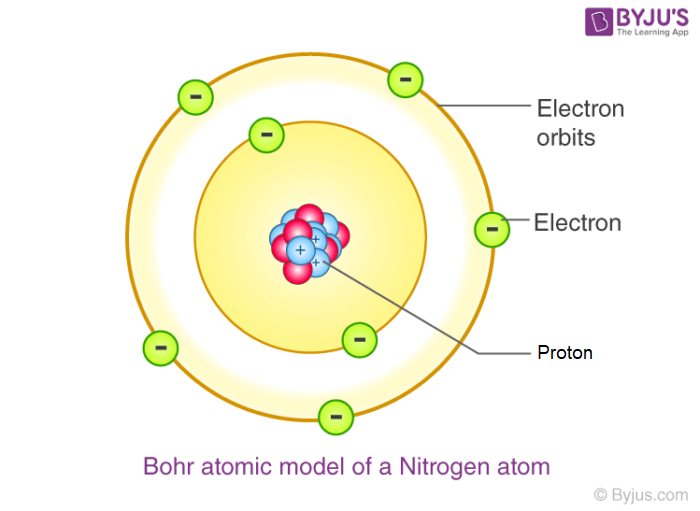
Electrons are found in orbits (shells) surrounding the nucleus (planets revolving around the sun)
Each shell has a fixed number of electrons that it can hold
Shell 1: 2 electrons
Shells 2 and 3: 8 electrons
Lewis Dot Diagrams
Based on the valance electrons of an atom
Valance electrons: outermost shell of electron rings
Need 8 valance electrons to be stable

Bill Nye Discussion + The Structure of Atoms
Relationship between atoms and elements
atom: element:: piece of pasta: spaghetti
In this scenario, the atom acts as the smallest unit of an element while still being that element. A piece of pasta is the smallest unit of spaghetti that still remains spaghetti
atom = unit, element = type
atoms are not building blocks! they are the element!
Atoms are mostly empty spaces, but things can’t get through them. Why?
think of a fan with blades moving extremely fast
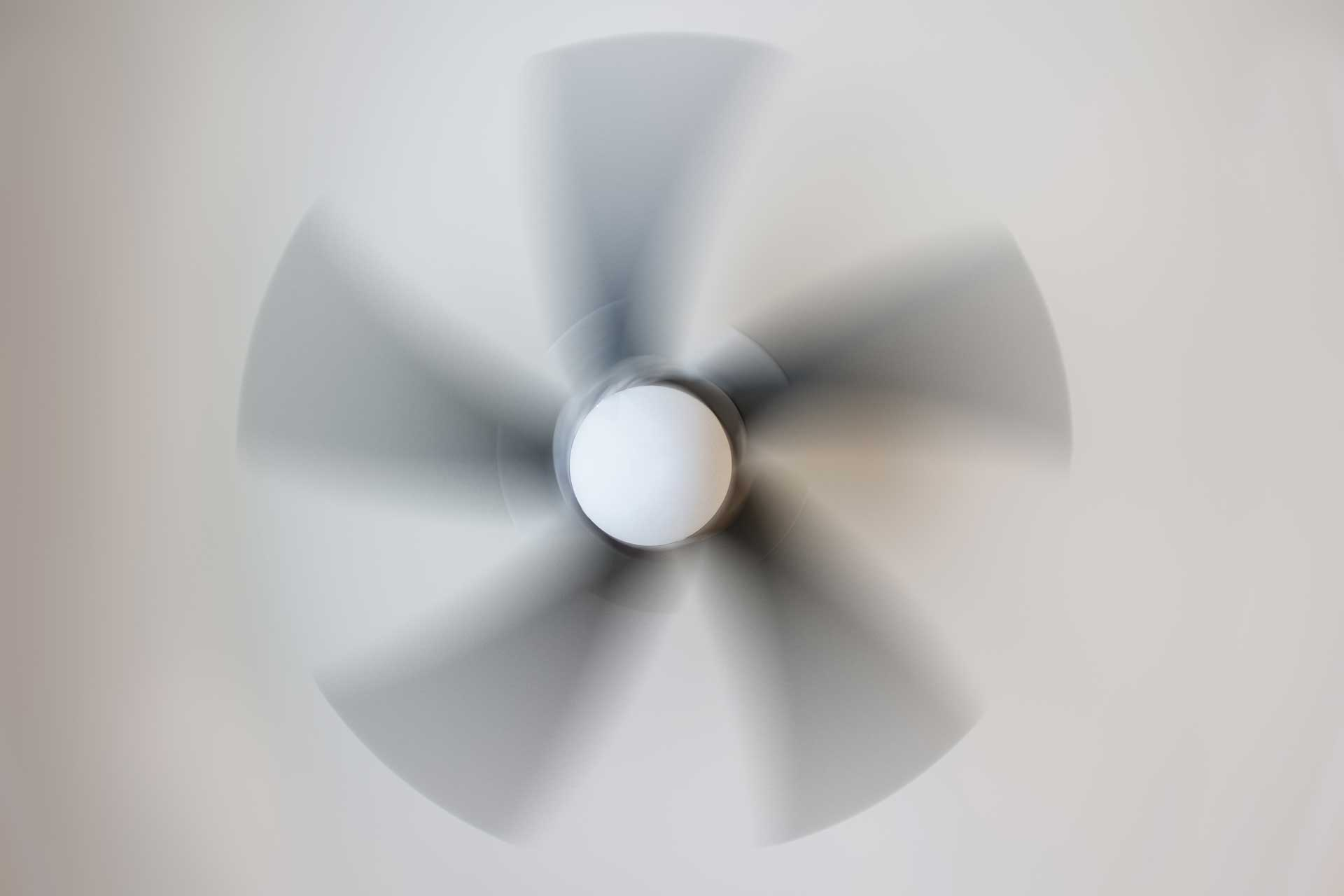
electrons move so fast (so fast that they seem everywhere at once) that things are unable to pass through
No one really knows what protons/neutrons really look like due to the size, so we just guess