OSA Therapy
Types of OSA therapy:
Adjunctive therapy
Avoid excessive alcohol and sedative use
Environment/allergen modification
Medical or pharmacological nasal therapy eg nasonex spray or nasal irrigation
Weight loss
Positional therapy
May reduce AHI by up to 10 events per hour
Myofunctional exercises
Sleep hygiene
Mainstream therapy:
Positive airway pressure (PAP) - CPAP, BPAP
Mandibular advancement oral appliance
Surgery
Combination therapy
Informed Consent
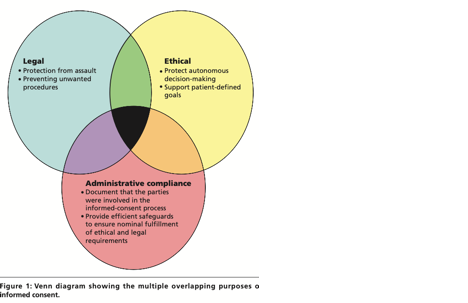
Valid consent to treatment means consent to treatment that is voluntarily given by a competent person based on full disclosure and understanding of information; and includes authorisation for a specific treatment plan by a specific health care provider
Informed consent is a person’s voluntary decision about healthcare that is made with knowledge and understanding of the benefits and risks involved
Good practice includes that you:
Provide information to patients in a way they can understand before asking for their consent
Give the patient enough time to ask questions and make informed decisions
Act according to the patient’s capacity for decision-making and consent, including when caring for children and young people, based on their maturity and capacity to understand, and the nature of the proposed care
You should consider the need for the consent of a parent, carer, guardian or other substitute decision maker
Get informed consent from the patient or where the patient does not have the capacity, from their parent, carer, guardian or other substitute decision-maker before carrying out any examination or investigation,
providing treatment (this may not be possible in an emergency), or involving patients in teaching or research
When obtaining informed consent you should include information on material risks and expected outcomes and take into account any advance care directive (or similar)
Get financial consent by discussing fees in a manner appropriate to the professional relationship and addressing the costs of all required services and get general agreement about the level of treatment to be provided, preferably before the service is provided
Inform your patients of the benefits, as well as associated costs or risks, when referring them for further investigation or treatment, which they may wish to clarify before proceeding
Document consent appropriately, including considering the need for written consent for procedures which are of higher risk or may result in serious injury or death
CPAP compliance:
Adequate CPAP compliance is benchmarked as > 4 hours per night for > 70% of nights (Kribbs et al 1993)
CPAP compliance tends to reduce over time
After 6 months 50% use CPAP > 4 hours per night
After 5 years 17% use CPAP > 4 hours per night
Oral appliance compliance:
After 3 months, use > 7 hours per night
After 1 year, use > 6 hours per night
Weight Loss
Weight reduction is the first-line treatment in MILD OSA
Is an effective treatment for the majority of patients with mild OSA
Weight loss and increasing exercise seems to be beneficial for OSAS and should be recommended along with other interventions for OSAS in obese children and adolescents
Very low calorie diet combined with active lifestyle counseling can result in marked weight reduction and reduction in AHI
Can be nearly as efficacious as tracheostomy in the treatment of OSA. But, compliance with the weight-control program is a major issue when considering this form of treatment. The prognosis for weight maintenance following surgical or behavioral methods of weight reduction is also not optimistic
Mechanisms for OSA resolution after weight loss:
Reduction in nasopharyngeal collapsibility and resistance implying that calibre of upper airway increases
Pharyngeal and glottic function improves related to reductions in mechanical loading from parapharyngeal fat pads
Reduction in central adiposity and the resulting reduction in production of adipokines that act on the CNS may leading to enhanced neuromuscular control of pharyngeal calibre
Improvement in vital capacity, total lung volume, functional residual capacity and forced expiratory volume and this increase in lung volumes may result in increased tracheal traction on the pharynx
OSA improvement is NOT related to changes in nasal airflow. Absence of attenuation of OSA after weight loss may be related to presence of concomitant otorinolaringoiatriac pathology
Complete resolution of OSA depends on level Pcrit falls after weight loss
Positional Therapy
CPAP has a greater effect on improving AHI compared with positional therapy
Positional therapy may have better adherence than CPAP
Positional therapy was better than inactive control for improving ESS and AHI
There were no significant differences for other clinically relevant outcomes such as quality of life or cognitive function
Devices designed for positional therapy include:
Lumbar or abdominal binders
Semi-rigid backpacks
Full-length pillows
A tennis ball attached to the back of nightwear
Electrical sensors with alarms that indicate change in position
At this point, no recommendations can be made with regard to positional therapy for OSAS in children
Oral Appliance Therapy
History of oral appliance therapy:
1909: Emil Herbst creates Herbst appliance, which was rediscovered by Hans Pancherz in 1970s
1934: Pierre Robin described a "monobloc" functional appliance that he used to pull jaw forward
1979: first dental device in literature by Boraz, unsuccessful attempt to treat OSA using maxillary dental device
1981: Collin Sullivan showed CPAP could reverse OSA
1982: Charles F Samelson creates tongue retaining device/sleeve shown to have comparable outcomes to UPPP
1983: Dr Peter George, Dr Bruce Soll created first modified nocturnal airway patency appliance (NAPA)
1984: Karlheinz Meier-Ewert/Dr Heinrich Schafer created monobloc mandibular advancement appliance
Hoae and McNamara altered the Herbst appliance making it a removable acrylic device that was also easily adjustable
1995: MAA deemed most effective in treating mild-moderate OSA
2016: those who used oral appliance therapy for decades seen to have significant exacerbation in OSA level and concluded that similar to CPAP, the amount of advancement may require continuous titration during long term tx
Oral appliance designs:
> 60 different OAs are in the market, with notable design variations
Numerous designs with no gold standard types of device
The influence of device design on the efficacy and side-effects of OAs is almost unknown
Patients have poor adherence to OA if uncomfortable
Degree of bite changes is influenced by appliance design in addition to initial type of bite and treatment time
Appliances that allow mouth opening are less effective - important in severe OSA patients in supine position
Custom-made, titratable appliance that does not allow mouth opening is recommended
Pre-fabricated and “boil and bite” devices have poor retention and not suitable as test devices
Appliances with a soft liner are preferred by some due to ease of fit and speed of delivery; they are gentler on the teeth, particularly helpful when dealing with heavily restored teeth, veneers, or crown and bridge
Ball clasps can be used to assist with retention in cases of short clinical crowns or poor retention
Designs:
Tongue-retaining devices
Soft palate-lifting devices
Mandibular advancement devices
Mono-block
Hinge-based eg Somnoguard adjustable
Compression-based eg Herbst
Traction-based eg dorsal design
For edentulous patients, can consider:
Tongue-retaining devices
Implant-retained devices
Traction-based device over denture
Palatal lift appliances:
Elevate the soft palate through an adjustable acrylic button, thus preventing the tissue from vibrating during slumber
While this helps in reducing snoring for OSA patients, most of them have difficulty maintaining the appliances for an extended period. Consequently, palatal lift appliance use in OSA is becoming limited
Tongue retaining devices:
Draw the tongue forward in a position without regard to the mandible
Since these are composed of a mouthpiece covering the upper and lower arches, TRDs can be recommended for patients with insufficient dentition.
Though studies show that MAAs and TRDs have similar effects in apnea reduction, more than 90% of patients preferred the MADs due to better compliance
How does it work?
Effect of the OA on the AHI is related to the amount of mandibular protrusion
Success depends on ability of patient to advance jaw
Primary mode of action of MAA therapy is via improvement in passive pharyngeal anatomy
OA acutely improves the upper-airway collapsibility under passive and active conditions, without affecting muscle function, loop gain, or the arousal threshold
The key to success is improvement of velopharyngeal patency and increasing and stabilising the oropharyngeal and/or hypopharyngeal airway space
Reduction of pharyngeal closing pressure especially at velopharyngeal airway appears to be the key for mandibular advancement tx
Successful improvement of nocturnal oxygenation appears to be achieved when the MAA reduced the closing pressure of the passive pharynx below atmospheric pressure
Each 2mm mandibular advancement coincided with approx 20% improvement of the number and severity of nocturnal desaturations
Improves the patency of the upper airway by increasing the pharyngeal volume or size and/or reducing the pharyngeal collapsibility of the airway through muscle tone improvement in a dose-dependent manner WITHOUT systematically changing genioglossus muscle function
Genioglossus activities decrease with mandibular advancement during sleep which suggest little contribution of pharyngeal muscles in restoring pharyngeal patency with mandibular advancement
Airway collapsibility tends to improve in non-responders during the initial range of mandibular advancement (0-50%) BUT majority of improvement in airway collapsibility occurs close to the maximal possible mandibular advancement in MAA responders
Mandibular advancement induced improvement in pharyngeal collapsibility coupled with unchanged muscle function implies MAA tx works primarily by PASSIVELY improving pharyngeal anatomy and function
Pharyngeal muscle activity dramatically reduces during REM so capacity of MAA to induce major changes in muscle behaviour during REM is LIKELY LOWER compared to NREM
REM-predominant OSA patients have a lower complete response rate to MAA
MAA reduces AHI in NREM OSA more than in REM OSA
Response rates are lowest in supine REM OSA
MAA works better in NON-POSITIONAL OSA
Tongue moves forward en bloc in those with a low AHI following the advanced mandible, however as the severity of OSA increased, the tongue more often deformed resulting in less improvement in upper airway size
Alteration in soft tissue position with mandibular advancement appears impacted not only by anatomy and physiology but also mechanical factors such as mouth opening
Some patients whose OSA initially became worse with OA therapy may need greater advancement of the mandible
Studies showed many patients report a significant improvement in symptoms without equal improvement in PSG criteria
AADSM defined an effective oral appliance as one that advances the mandible and allows titration by the pt
The evidence available at present indicates that OAs successfully “cure” mild-to-moderate OSA in 40–50% of patients, and significantly improve it in additional 10–20%. They reduce, but do not eliminate snoring
50–70% of patients continue to use OAs for several years
Their effectiveness is inferior to CPAP. It is similar to surgical procedures, but these are invasive (although not particularly dangerous) and irreversible
The effect of OAs on the vascular consequences of sleep apnea is not known
There is marked variability of individual responses to OA therapy and therefore the necessity to approach each patient on an individual basis
Side effects are common, but are relatively minor
There is a chance that the overjet and overbite will decrease which can result in a suboptimal occlusion (e.g. less occlusal contact points and a possible development of (bi)lateral crossbite in the (pre)molar region) and altered aesthetics
4 phenotypes of OSA:
Impaired airway anatomy
Loop gain
Arousal threshold
Muscle function
Factors affecting oral appliance efficacy and treatment success:
Baseline upper-airway anatomy/collapsibility
Non-anatomic trait loop gain (the ratio of the size of a response to the size of a disturbance)
These two traits explain the overwhelming majority (70%) of the variance in the AHI reduction
Responders had a less collapsible airway and lower loop gain compared with nonresponders
Responders to OA therapy have primarily milder anatomic deficiencies
Non-responders have a moderate-severe anatomic abnormality that is also accompanied by deficiencies in the non-anatomic traits (most notably loop gain)
Those with a better passive upper-airway anatomy/collapsibility and a low loop gain at baseline gained the greatest benefit from oral appliance therapy
Physiological goals of oral appliance therapy:
Target obstructive events
Reduction in AHI by way of reduced frequency and duration of apnoeas, hypopneas, RERAs
Reduction in sleep fragmentation
Reduction in oxygen desaturation
Symptomatic goals of oral appliance therapy:
Target snoring
Target sleepiness
Improve QoL
Possibly improve other comorbidities
Titrating the oral appliance:
Studies show an effective response on AHI already at a protrusion of 25% but more response is achieved when the advancement is increased to 50% or 75%
Most patients will receive optimal treatment in 75% advancement
In cases of insufficient improvement at 75% advancement, 90% can be considered
Indications for oral appliance therapy:
Primary snoring (OAT recommended than no therapy)
Adults with OSA who are intolerant of CPAP or prefer alternate therapy
Mild-moderate OSA and in severe OSA where CPAP fails
OAs have a better response when used for mild to moderate OSA who have lower BMI
With CPAP or positional therapy when use itself isn't totally successful
To reduce side effects from high pressures during CPAP
Contraindications for oral appliance therapy:
Rapid therapy required eg severe symptomatic OSA, sleepiness with driving
Severe or prolonged oxygen desaturation ie SpO2 < 70% (OAT may not improve oxygenation much)
Heart failure
Respiratory failure
Select dental conditions:
Severe TMD
Periodontal disease
Insufficient dentition for retention
Inadequate range of jaw motion
Gag reflex
Poor manual dexterity
Central sleep apnoea and/or central hypoventilation
Severe obesity (BMI > 35 Kg/m2)
Poor response to oral appliance therapy in obese patients with breathing related sleep disorders may be caused by:
Lack of mechanical influence of mandibular advancement on the velopharynx
Length of soft palate
Presence of severe oropharyngeal and hypopharyngeal narrowing
Increased soft tissue elasticity of the tongue may limit mechanical transmission of the mandibular advancement force to the base of tongue
Disadvantages of oral appliance therapy:
Short term side effects related to acclimatisation in the first few weeks of therapy:
Excessive salivation
Dental pain
Gingival irritation/pain and intra-oral discomfort
Myofascial pain and TMJ discomfort
TMJ discomfort are transient and decreases in intensity with continued use
Mandibular exercises may allow perseverance with MAA use until discomfort improves
Can be resolved by:
Correction of asymmetric mandibular advancement
Reducing appliance titration rate
Modification of the interocclusal distance
Addition of posterior stops to occlusal surfaces in some appliance designs
Passive jaw exercises and the use of morning occlusal guides are commonly used to manage both transient jaw pain and bite changes
Dry mouth
Difficulty swallowing with appliance in place
Long-term occlusal and dentofacial changes
Long-term use of an OA resulted in small but significant dental changes compared with CPAP
Changes in facial height and jaw relationship have been noted 6/12 into MAA use
Bite changes occur in almost all patients, although they tend to be minor and do generally not disturb the patients
Occlusal side effects are typically the most frequently experienced side effect and appear insidiously, they are rarely a cause for discontinuation of OA by patients
Dental changes (progressive in nature with ongoing OA use):
Dental side effects of OA treatment are a product of protruding the mandible to achieve a therapeutic effect rather than specific appliance design
Decrease in overbite (2mm), overjet (2mm) and mandibular crowding
Increase in mandibular intercanine and intermolar width resulting in widening of mandibular dental arch
Overbite was found to decrease less with time
Overjet was found to decrease progressively and continues at a constant rate
Proclination of lower incisors
Retroclination of upper incisors
Occlusal alterations to posterior teeth
Bilateral anterior crossbite in the (pre)molar region and posterior open bite on > 2 mandibular teeth resulting in anterior-posterior occlusal change
Decrease in number of occlusal contact points in the (pre)molar region
Shift in molar and cuspid occlusion from class I to class III or a shift from class II to class I or III
Bite changes
Degree of bite changes is influenced by appliance design in addition to initial type of bite and treatment time
Even very low applied forces, if applied for a sustained amount of time (such as for several hours during nighttime wear of an appliance) will result in tooth movement
Permanent bite changes can arise from tooth movement or jaw joint repositioning that may or may not be reversible on discontinuing oral appliance
The design of the MAA might influence the type and magnitude of orthodontic side effects during treatment for snoring and OSA
A deep bite and soft elastomeric monoblock device with full occlusal coverage has been found to produce fewer reductions in overjet than a hard acrylic monoblock
Advancements of the mandible of < 6 mm related to a high chance of small overjet reductions
Larger vertical displacements of the mandible tended to relate to small reductions in overjet
Patients with normal occlusion and mild disease could try a soft elastomeric device with an advancement < 6 mm and a low-to-moderate vertical displacement to diminish the risks of orthodontic side effects
Symptoms of nasal congestion before MAA treatment were related to smaller risks of overjet changes among the frequent users
This might be explained by slight differences in compliance rates between the patients; those who suffered from nasal congestion might have found the appliance difficult to wear when this symptom disturbed them
On the other hand, nasal congestion might cause the lips or the mouth to open during sleep with the device or during the daytime without the device; this might in turn reduce the horizontal forces on the maxillary front teeth and result in smaller reductions in overjet by the device. This suggestion is supported by the finding that a reduction in the force exerted by the lips has been related to more maxillary incisor proclination in untreated subjects
Certain jaw exercises might help to relieve stiffness of the masticatory muscles and accelerate the repositioning of the mandible to the normal position after a night of appliance use
Jaw exercises may also inhibit or minimize the occlusal functional changes in predisposed patients
If not reversible, restorative or orthodontic intervention may be needed
Loosening of teeth
Does not tend to reduce daytime sleepiness in severe OSA group as much as CPAP
In milder OSA group unclear if daytime sleepiness is significantly reduced
Milder OSA patients generally have less collapsible airways and pharynx will increase more along the whole of its length
Benefits of oral appliance therapy:
Improves sleepiness
Decrease AHI, although to a lesser extent than CPAP
Can improve blood pressure modestly, like CPAP
Can improve arousal index, oxygen saturation, REM sleep duration, snoring
CPAP+MAA is more effective than placebo in improving QoL symptoms and subjective BUT NOT OBJECTIVE sleepiness with neither being better
Blood pressure:
No response to CPAP whereas MAA improved NOCTURNAL diastolic BP but no significant response in hour by hour mean BP with either MAA or CPAP
Significant portion of non-dipper subjects with MAA regained their normal nocturnal dip in BP but not with CPAP or placebo
Compared with placebo, CPAP tx resulted in no greater improvement than MAA in measures of daytime function (sleepiness, executive function, quality of life) or was found to have only a very slight advantage (mood) but may relate to differences in treatment adherence with an otherwise superior CPAP treatment response being moderated by relatively poor adherence
Despite positive responses to both CPAP and MAA treatments there is a significant residual neurobehavioural deficit likely relating to poor usage of CPAP and lesser efficacy of MAA
Boil and bite thermoplastic design could reduce AHI but poorly tolerated and no retention
Both oral appliance therapy and CPAP may be equally effective in reducing the risk of fatal cardiovascular events in patients with severe OSA
Predictors of MAA treatment success:
Younger age
Lower BMI
Smaller neck circumference
Mandibular retrognathism and large OB, OJ
Greater upper anterior face height
Female
Low baseline AHI
Low loop gain
Moderate pharyngeal collapsibility
Position dependent OSAH BUT none are sufficiently discriminatory
Lateral cephalograms showing (although association is weak):
Retrognathic mandible deficiency (i.e. smaller angle between the lines
connecting Sella with Nasion and Nasion with point B [SNB])
Shorter soft palate
Low set hyoid bone
Larger intermaxillary discrepancy (i.e. higher angle between
the lines connecting point A with Nasion and point B with
Nasion [ANB])
Predictive tools:
MRI computational manipulation of scans - too expensive
Drug induced sleep endoscopy - effective but expensive and intrusive
Titrating MAA during sleep studies
Testing mandibular advancement with cheap device but thermoplastic device did not predict success with customised MAA
Adjustable thermoplastic MAA
In prediction modelling, age, baseline AHI, and anthropometric variables were predictive of MAA treatment outcome but not OSA phenotype. Gender was not associated with treatment outcome
Demographic, anthropometric, and PSG data only weakly inform about MAA efficacy, supporting the need for alternative objective prediction methods to reliably select patients for MAA treatment
Sutherland study found patient characteristics of younger age and less obesity (but not gender) are associated with treatment response, but these prediction models do not have sufficient accuracy for clinical practice, and hence alternative prediction methods are needed, particularly as up to a quarter of severe patients could be completely treated by this therapy alone
Predictors of adherence:
Related mostly to improvement in symptoms but efforts to predict OA adherence have so far been unsuccessful
OA adherence highest in thinner younger subjects with few or no nasal obstructions
Although less effective than CPAP, successfully titrated MAA is very effective at reducing the AHI and was associated with a higher reported compliance
Deterioration of success possibly due to loosening and adaptation of soft tissue structures and musculature of upper airway as a result of long-term overnight advancement as well as age related reduction in genioglossus muscle tone
The most common reasons for discontinued use reported by patients were:
Unable to adapt to the appliance (62%)
Highest percentage of dropouts (55%) occurred in the first year of appliance use
This pattern of withdrawal from therapy can also be found in CPAP adherence studies
Pain in the temporomandibular joint (38%)
Ineffectiveness (35%). One-third of patients experience no therapeutic benefit
The most common factors associated with continued usage were:
Effectiveness (100%)
Ease of use
Overall long-term efficacy of OA treatment is fairly good - 76% of patients report using their OA after 1 year and 62% of patients after 4 years
Factors affecting favourable outcome of MAA therapy:
Younger age
Less obese
Mild OSA
Certain craniofacial characteristics:
Mandibular retrognathism
Larger OB, OJ
Greater upper anterior face height
Long-term efficacy of oral appliance:
There is uncertainty about which patients will respond to this therapy in terms of apnoea reductions, decreased sleepiness and other symptoms, and reduced risk for future impaired health
Efficacy fairly stable up to 10 yrs, but it probably declines in the real-life long-term perspective
The natural development of the disease usually results in a deterioration in AHI
Aging increases AHI
Ability of pt to keep airways patent changes continuously
Bite changes may also reduce advancement of jaw therefore reduce efficacy
Effectiveness declines with patients discontinuing treatment because of poor subjective treatment effect or side-effects, or poorer outcomes in follow-up sleep apnea recordings
Supine-predominant OSA patients had lower treatment response rates than non-positional OSA (e.g., 36% vs. 59% for AHI < 10/h)
REM-predominant OSA showed a lower response rate than either NREM or non-stage dependent OSA
An average 50% reduction in total AHI was observed with similar improvements across NREM and REM supine and non-supine sleep
MAA reduced apnea and hypopnea duration and arousal index and increased minimum oxygen saturation and REM sleep duration
MAA reduced AHI across all sleep stages, with the exception of increased AHIREM in NREM-predominant patients
In stage-independent OSA, MAS reduced AHINREM more than AHIREM
REM-predominant OSA showed lower response rate than other sleep stage phenotypes
Complete resolution of REM-OSA was only observed in 12% of patients, significantly lower than other phenotypes (42% NREM and 32% non-stage dependent)
REM-predominant patients were more likely female and showed more obesity
MAS reduced AHI in both supine and lateral body position, with the exception of increased AHINon-Supine in Supine-isolated patients
In non-positional OSA, MAS reduced AHINon-Supine more than AHISupine
MAS did not change supine or non-supine sleep duration
Patients with OSA referred for oral appliance therapy require specific evaluation related to TMD:
Most common TMD diagnosis is myofascial pain with and without limited mouth opening and arthralgia (50%)
Many patients may not be aware they have TMD, and thus TMD pain may be manifested with oral appliance therapy who have not been diagnosed with TMD in the past
Appliance did not cause any significant change to TMJ morphology over time period
Patients who did not develop pain had condyles within physiological limits of TMJ movements
If translation of the condyle surpasses physiologic limits, it may result in articular pain possibly due to distension of the posterior attachment of the articular disc or the TMJ articular capsule
Support therapy for TMD should be provided to patients using MAA
Use of occlusal splint in apneic patient:
Is associated with a risk of aggravation of respiratory disturbances
Can cause an increase in AHI by more than 50%, RDI by more than 30%
Can exacerbate snoring
Oral appliance effects on snoring:
Effective control CPAP > OA > placebo
Persistent snoring during OA tx related to insufficient apnoea control and poor adherence to tx
Little research focused on snoring as difficult to measure sounds and less evidence of snoring being related to longer term negative health outcomes
Patients are more interested in psychosocial outcomes produced by snoring tx
Remotely Controlled Mandibular Positioner (RCMP)
RCMP might be a promising instrument for predicting OA treatment outcome and targeting the degree of mandibular advancement needed
Using RCMP, it might be possible to protrude the mandible progressively during sleep under PSG observation until respiratory events are eliminated without disturbing sleep or arousing the patient
Effective target protrusive position (ETPP) has been shown to significantly be associated with success of OA therapy in studies
Positive Airway Pressure Therapy
Mechanism of action:
Prevents respiratory events from upper airway collapse (apnoeas and hypopneas)
Maintains a positive pharyngeal transmural pressure so that the intraluminal pressure exceeds the surrounding pressure and by increasing end expiratory lung volume
The application of CPAP:
CPAP is a way of delivering a set pressure during the breathing cycle. It is measured in centimeters of water pressure (cm H2O)
Recommendations state that the minimum starting CPAP should be 4 cm H2O in adult patients and should be titrated to the lowest possible pressure at which apneic/hypopneic events are eliminated, to a maximum pressure of 20 cm H2O
Maintains PEEP (Positive End-Expiratory Pressure is the pressure in the alveoli above atmospheric pressure at the end of expiration)
Can decrease atelectasis (incomplete inflation of the lung)
Increases the surface area of the alveolus
Improves V/Q matching (a V/Q mismatch is when areas of the lung receive blood flow but no oxygen or vice versa), and hence, improves oxygenation
CPAP differs from bilevel positive airway pressure (BiPAP) where the pressure delivered differs based on whether the patient is inhaling or exhaling
These pressures are known as inspiratory positive airway pressure (IPAP) and expiratory positive airway pressure (EPAP)
In CPAP no additional pressure above the set level is provided, and patients are required to initiate all of their breaths (which differs from the IPAP component of BiPAP)
The forced air delivered by CPAP helps to keep the airways patent and prevents collapse
Compliance is a recognised issue
CPAP use in children with OSA:
Nasal CPAP is effective in the treatment of both symptoms and PSG evidence of OSA even in young children
BUT adherence can be a major barrier to effective CPAP use
For this reason, CPAP is NOT recommended as first-line therapy for OSAS in children when adenotonsillectomy is an option
But it is useful in children who do not respond adequately to surgery or in whom surgery is contraindicated
Objective assessment of CPAP adherence is important because parental estimates of use are often inaccurate
If the patient is non-adherent, then attempts should be made to improve adherence by:
Addressing adverse effects by using behavior modification techniques
Treating with alternative methods
A study noted that CPAP pressures change over time in children, presumably because of growth and development. Therefore, it is recommended that CPAP pressures be periodically reassessed in children
Types of PAP:
CPAP (continuous single pressure)
APAP (auto-titrating positive airway pressure)
BPAP (bi-level positive airway pressure) or VPAP (variable positive airway pressure) - 2 distinct pressure settings for inhalation (IPAP) and exhalation (EPAP)
Nasal EPAP
ASV (adaptive servo ventilation)
Algorithms maintain positive pressure, respiratory patterns and oxygen levels
Used for global respiratory insufficiency caused by COPD
Sensors for respiratory monitoring:
Airflow
Oronasal thermal flow
Nasal pressure transducer
Respiratory effort
Thoracoabdominal belt
Oxygen saturation
Pulse oximetry
CPAP masks:
Nasal
Is the gold standard for OSA therapy
Nasal pillow
Nasal cradle
Full face mask
Oral mask
Oronasal mask
Oronasal masks are associated with a higher CPAP pressure, higher residual AHI, and poorer adherence than nasal masks
Oronasal masks push chin backwards
Oronasal masks may allow mouth opening
Oronasal masks applied positive pressure to the oral compartment neutralising the pressure to the pharynx
Side effects of PAP:
Congestion
Rhinorrhoea
Sinus infection
Nosebleeds
Nasal dryness
Dry mouth
Sore throat
Abdominal distension (aerophagia)
Otic barotrauma (increase in middle ear pressure) as a result of excessive self-titration of CPAP therapy
Pneumocephaly, pulmonary barotrauma, intraocular hypertension, and subcutaneous emphysema
Claustrophobia
Eyes irritation
Difficulty breathing the pressurised flow
Sore skin areas over the nose bridge or upper lip related to the mask interface
Dentofacial changes
Nasal CPAP may change craniofacial form and may alter the relationship between the dental arches
Long-term nasal CPAP may cause a retroclination of the maxillary incisors and a decrease in the number of occlusal contact points
As nasal CPAP is administered through a tight-fitted (nose) mask, it could be hypothesized that the pressure of this mask results in palatally directed forces on the frontal part of the upper dental arch
Machine noise
Loss of intimacy
Cost of treatment
Inconvenience
Indications for PAP:
OSA
NICU to treat pre-term infants
Congestive heart failure
Some respiratory infections in children
Contraindications for PAP:
Uncooperative or extremely anxious patients
Reduced consciousness and inability to protect the airway
Unstable cardiorespiratory status or respiratory arrest
Poor respiratory drive
Trauma or burns involving the face
Facial, oesophageal or gastric surgery
Air leak syndrome (pneumothorax with bronchopleural fistula)
Copious respiratory secretions
Severe nausea with vomiting
Severe air trapping diseases with hypercarbia, asthma or COPD
Not spontaneously breathing
Benefits of CPAP:
Reduced sleepiness
Success is defined as ≥ 50% AHI reduction AND < 20 AHI score (mild-moderate)
CPAP has considerably higher probability of having the strongest association with systolic BP reduction than MAA, whilst both CPAP and MAA had similar reduction in diastolic BP
The more the CPAP is used, the more SBP, DBP benefit there is
Association of CPAP with reductions in SBP and DBP likely to be greater in patients using CPAP for longer periods at night or in those with higher initial baseline BP levels
A 1-hour-per-night increase in mean CPAP use was associated with an additional reduction in SBP and DBP
Benefits of using APAP in the home setting:
Lower cost
Reduced time away from home
Faster initiation of treatment
Greater access to care
Disadvantages of using APAP in the home setting:
Inadequate patient education
Inability to identify and rectify problems related to mask fit, leak or other PAP-related issues on the night of APAP use
Benefits of in-lab PAP titration:
Providing education by a trained sleep technologist
Real-time visual identification of efficacy of therapy
Ability to provide immediate interventions to make PAP treatment more comfortable for the patient
Disadvantages of in-lab PAP titration:
The need for an overnight stay away from home at the testing facility
Associated costs
Patient time
Potential delay in therapy initiation
When CPAP is not beneficial:
2 recent RCTs (Sleep Apnea Cardiovascular Endpoints [SAVE] and Randomized Intervention with CPAP in Coronary Artery Disease and Sleep Apnea [RICCADSA]) reported that there was no cardiovascular benefit of treatment using CPAP in patients with OSA who had pre-existing cardiovascular disease and minimal sleepiness
American Academy of Sleep Medicine PAP Clinical Practice Guideline:
Use PAP compared to no therapy to treat OSA in adults with:
Excessive sleepiness
Impaired sleep related QoL
Co-morbid hypertension
There is insufficient and inconclusive findings regarding the impact of PAP therapy on incident CV events and mortality and so no recommendation is made regarding the use of PAP based on reduced incident CV events and mortality
Positive airway pressure therapy be initiated using either APAP at home or in-lab PAP titration in adults with OSA and no significant comorbidities
There is no clinically significant differences in adherence, sleepiness, or QoL between APAP at home and in-laboratory PAP titration
The majority of well-informed adult patients with OSA and without significant comorbidities would prefer initiation of PAP using the most rapid, convenient and cost-effective strategy
Clinicians use either APAP or CPAP for ongoing treatment of OSA in adults
The benefits and harms of APAP and CPAP are similar and so the balance of effects does not favor either intervention
The main potential benefit of APAP to patients is the ability to automatically adjust pressure requirements over time in response to acute and chronic changes (e.g. alcohol consumption, body position or weight changes)
Clinicians use CPAP or APAP OVER BPAP in the routine treatment of OSA in adults
The main potential benefit of BPAP over CPAP or APAP is improved comfort by lowering the pressure during exhalation, which may then increase adherence
The potential harms of BPAP over CPAP or APAP are a sub-optimally low expiratory pressure level that fails to prevent the occurrence of obstructive breathing events and the higher cost of BPAP
There is a small subset of patients that require PAP treatment with pressures higher than 20 cm H2O, which CPAP units are not typically capable of delivering. In these situations, BPAP devices may be needed
In addition, for specific patients who are unable to tolerate CPAP or APAP due to high pressure requirements and despite the use of modified pressure profiles, a trial of BPAP may be offered
Educational interventions be given prior to initiation of PAP therapy in adults with OSA
Behavioral and/or troubleshooting interventions be given during the initial period of PAP therapy in adults with OSA
Educational interventions: Interventions focused primarily on providing information prior to initiation of PAP about what OSA is, its downstream consequences, what PAP therapy is, and the potential benefits of PAP therapy
Behavioral interventions: Interventions focused on behavior change prior to and during the initiation and subsequent use of PAP therapy using strategies such as CBT or motivational enhancement
Troubleshooting interventions: Interventions focused on close patient communication to identify PAP-related problems and to initiate potential solutions during the initial period of PAP therapy
Clinicians use telemonitoring-guided interventions during the initial period of PAP therapy in adults with OSA
Telemonitoring includes the remote monitoring of PAP parameters such as PAP use, residual OSA severity, unintentional mask leaks, and PAP settings during treatment initiation and follow-up.
Clinicians should generally use NASAL or INTRANASAL mask interfaces over oronasal or oral interfaces. However, individual patient factors or preferences vary; therefore, the mask interface that minimizes side effects and optimizes efficacy and adherence should be used
Humidified PAP:
Reduces some side effects (dry mouth/nose, nasal congestion, nose bleeds, sore throat etc)
No clinical significant improvement in adherence, QoL, sleepiness, increase ongoing cost, maintenance
CPAP vs MAA:
CPAP gold standard in reducing AHI and improving QoL, ESS and BP however CPAP does not appear to be more effective at achieving better health outcomes
Effects of MAA and CPAP on health related QoL, cognitive perfusion, BP were also similar but CPAP may produce better outcome than OA
Minimum acceptable CPAP compliance threshold is 4 hrs/night
CPAP failure rates 29% - 83% depending on study population
Higher efficacy of CPAP offset by greater MAA compliance
MAA compliance 6.5 hrs/night vs 5.2 hrs/night with CPAP
Good support for hypothesis that MAA and CPAP have similar clinical effectiveness due to greater MAA compliance achieving net similar AHI reduction
Lower CPAP compliance results in no differences with MAA in QoL, cognitive, or functional outcomes
Sleep medicine professionals should monitor treatment compliance and offer patients non-compliant with CPAP an oral appliance for treatment of OSA
No significant difference between 24hr mean systolic or diastolic BP or change in BP
MAA had significantly lower night time diastolic BP
MAA tx had significantly more apnoeas and hypopneas
CPAP subjects had significantly more in % REM sleep
Daytime sleepiness is better treated with CPAP than with MAA in patients with severe OSA
In patients with milder OSA it is unclear whether daytime sleepiness is significantly reduced
MAAs are effective, but their efficacy is more variable than that of CPAP
Rapid Maxillary Expansion in Children
An orthodontic procedure designed to increase the transverse diameter of the hard palate by reopening the midpalatal suture by means of a fixed appliance with an expansion screw anchored on selected teeth
After 3 to 4 months of expansion, a normal mineralized suture is built up again
The procedure is typically used only in children with maxillary constriction and dental malocclusion
Results in significant improvement in signs and symptoms of OSAS as well as PSG parameters
Holds promise as an alternative treatment of OSAS in children. However, data are insufficient to recommend its use at this time
Surgery
Indications for surgery in adults (ASA):
Failed compliance with/intolerance of device therapy
Significant complications of device therapy
Patient favours surgery and declines all other options
Favourable anatomy for surgery
As an adjunct to improve CPAP or oral appliance effectiveness
Indications for surgery in children:
Adenotonsillar hypertrophy
Surgical therapies:
Procedures to improve nasal patency and breathing eg polypectomy, turbinate reduction, septoplasty
Will not improve OSA
May improve nasal breathing, CPAP tolerance and compliance
Procedures to improve retropalatal obstruction (UPPP, UPF, tonsillectomy, adenoidectomy)
Success rate 40% based on reduction of AHI and RDI
UPPP is not recommended
Procedures to improve tongue-base and hypopharyngeal obstruction
Tongue-base, temperature-controlled radiofrequency
Rarely results in significant OSA improvement
Often performed as an adjunct to other hypopharyngeal procedures
Tongue-base suture suspension
Success rate variable
Often performed in conjunction with the UPPP to maximise outcomes
TORS for tongue-base reduction
Success rate 54% based on reduction of AHI and resolution of daytime sleepiness
Posterior midline glossectomy
Success rate variable, 25-83% based on AHI reduction
Genioglossus advancement
Success rate variable, 23-77%, based on AHI reduction
Maxillomandibular advancement
Around 75-100% based on AHI reduction
Hypoglossal nerve stimulation
Safe and effective for CPAP refractory OSA, high compliance and significantly improves subjective and objective outcomes of sleep
Targets pharyngeal tone and stimulates genioglossus protrusion to maintain airway patency
Delivers safe levels of electrical stimulation to the hypoglossal nerve via a stimulation lead having a distal cuff electrode
Stimulation is delivered synchronous with inspiration as detected by respiration sensing leads using bio-impedance
Electrical stimulation of genioglossus causes tongue protrusion and stiffening of anterior pharyngeal wall
Contraction of genioglossus muscle can be achieved by electrically stimulating its motor nerve
HGNS can decrease OSA and improve severity of oxyhaemoglobin desaturation without arousing patients from sleep
Cohort that would most benefit from therapy is:
BMI < 35 (low to moderate)
AHI 20-50
Non-concentric collapse of retropalatal airway
Discontinuation of HGNS did not cause patients to immediately revert to baseline AHI/ODI but long term discontinuation does - potential to modify the disease course of OSA
Complications generally uncommon and benign
Common adverse events of HGNS:
Most serious complication is device migration
Device malfunction
Pain (classified as non-serious, managed by analgesics)
Tongue abrasion as device stimulates the genioglossus to protrude the tongue against the teeth (resolve by reprogramming the device or use a tooth guard)
Abnormal sensations
Paresthesias
Change in saliva flow and lip weakness
No mention of dysphagia (common in traditional upper airway surgery)
Medications
Topical steroids may ameliorate mild OSAS. However, the clinical effects are small
Intranasal steroids may be considered for treatment of mild OSAS (defined as an AHI < 5/hr)
Steroids should not be used as the primary treatment of moderate or severe OSAS
Non-Invasive Therapy (NIV)
In patients with amyotrophic lateral sclerosis WITHOUT severe bulbar dysfunction, NIV improves survival with maintenance of and improvement in quality of life
In patients WITH severe bulbar impairment, NIV improves sleep-related symptoms, but is unlikely to confer a large survival advantage