Chapter 1: A Cultural Approach to Human Development
Human development: ways people grow and change across the life span (biological, cognitive, psychological, social)
Culture: total pattern of a group’s customs, beliefs, arts, and technology
Demographics
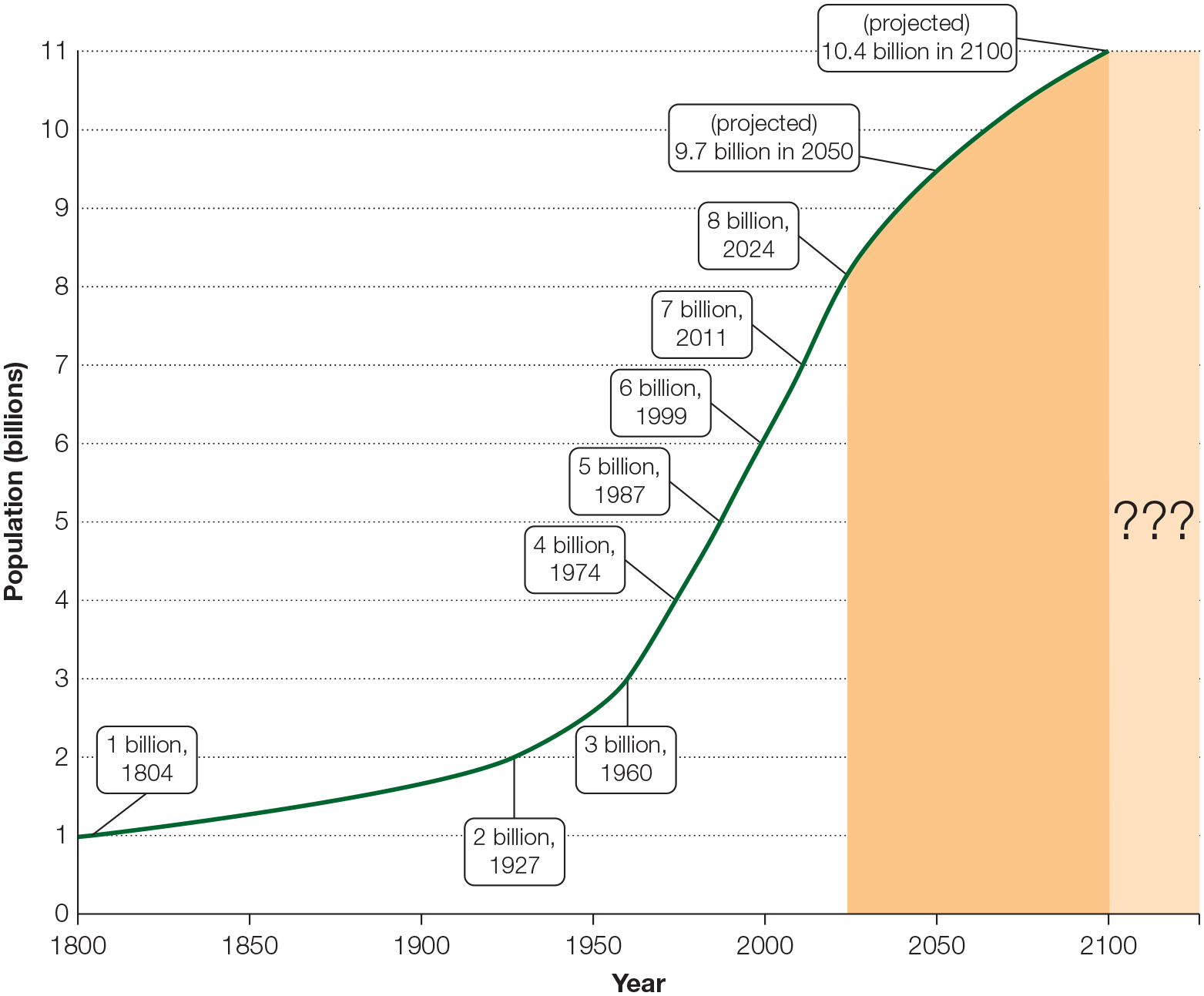
TFR: number of births per woman (2.3)
global demographic divide-
pop increase unequal
wealthy developed 20% of pop
most growth in developing
developed fertility rates below replacement
Developed countries: economically developed and affluent, high med income
Canada, Japan, Au, European countries
Developing: lower income but rapid eco growth
affluence can predict
life span, infant mortality, education, fertility rates
culturalistic differences
Individualistic: cultural values such as ind and self-expression
valued more in developed countries
Collectivistic: obedience and group harmony
more developing
economic necessity
Traditional culture: rural culture adheres to traditions
more developing
development skews research
takes money
mostly in US
white middle class
Globalization: increasing connections between parts of the world
trade, travel, migration, communication
diverse cultures
global village
internet
communication and perspectives
Majority culture: cultural group that sets norms in country
hold power, politics, economic, intellectual, media
Contexts
Contexts: settings contributing to development
SES, gender, ethnicity
family, school, work, religion, media
vary differently among developed and developing countries
vary within countries
Socioeconomic status: social class
education, income, occupation
higher more access to healthcare, edu
Gender: cultural beliefs and social construct
different expectations
Ethnicity: group identity with cultural origin, traditions, religion, language
ethnic minorities may have distinct cultural patterns
Origins
humans original niche
African savannah
cultural knowledge and customs enable living anywhere
→ evolve into cultural species → global species
Ontogenetic: typical pattern of ind dev in a species
Phylogenetic: dev of a species
Nat selection: evo process offspring best adapted survive to produce offspring
variation of characteristics
Hominin: evo line led to modern humans
Homo sapiens: species of modern humans
distinct from primates
Larger brain
twice as large as early
Wider pelvis
females birth of babies with big brains
Longer dependency
larger brains less mature
infant childhood dependency
Development of tools
success in food, hunting
Control of fire
cook food → more brain size
Hunter-gatherer: social and eco system with hunting (mostly males) and gathering plants (females)
dependent children mean mothers can’t travel
Upper Paleolithic period: 50,000 to 10,000 years ago dev distinct cultures
art, music, beads, clothes
trade, boats
Neolithic period: 10,000 to 5,000 years ago
domesticated animals and plants
climate change → new plants evolved
some animals extinct → replace food source
mortars, pestles, dwellings
Civilization: form of social life 5,000 years ago
cities, writing, occupation, states
Theories
Dharmashastras: oldest known conceptions of life Hindu
Apprenticeship- 0-25, grow up learn skills
Householder- 26-50, responsibilities, providing
Forest Dweller- 51-75, withdraw, religious
Renunciant- 75-100, reject more world, prepare end of life
Solon made another conception of life
0- unripe
7- approach manhood
14- growing
21- ripens
28- marriage parenthood
35- maturity and morals
42- at best
56- decline
63- end
Talmud Jewish
5- scripture
10- learn
13- moral
15- discuss
18- wedding
20- job
30- strength
40- understanding
50- counsel
60- elder
70- grey hairs
80- old
90- bent
100- dead
Freud’s Psychosexual Theory
Psychosexual theory: sexual desire driving force behind development
id
pleasure principle
immediate satisfaction
Superego: conscience
developed in childhood obedience
Ego: mediates id and superego
reality principle
seek satisfaction
Infancy
oral stage
sucking, shewing, biting
Next stage
elimination and feces
Phallic stage
3 to 6
Oedipus complex
Latency stage
give up Oedipus, more similar to same-sex parent
repress desires
social and intellectual skills
Genital stage
puberty onward
superego approves desires
hard to reduce dev to single motive (sexuality)
never studied children
Erikson’s Psychosocial Theory
Psychosocial theory: dev driven by need for integration in environment
Dev continuous, not done early years
resolved stages set up well for next
crisis builds high risk
Trust vs mistrust
infancy
loved and cared for or mistrust and doubt
Autonomy vs shame and doubt
distinct self
scope of choices or restraint
toddlerhood
Initiative vs guilt
planning or discourages
Industry vs inferiority
expand socially
taught well, enthusiasm
unsuccessful inferior
Identity vs confusion
adolescence
awareness, capability, place
Intimacy vs isolation
marriage
YA
Generativity vs stagnation
contribute next gen
Ego integrity vs despair
late adult
accepting
Bronfenbrenner’s Ecological Theory
Ecological theory: dev shaped by systems in social environment
not stages
multiple influences
broader cultural environment
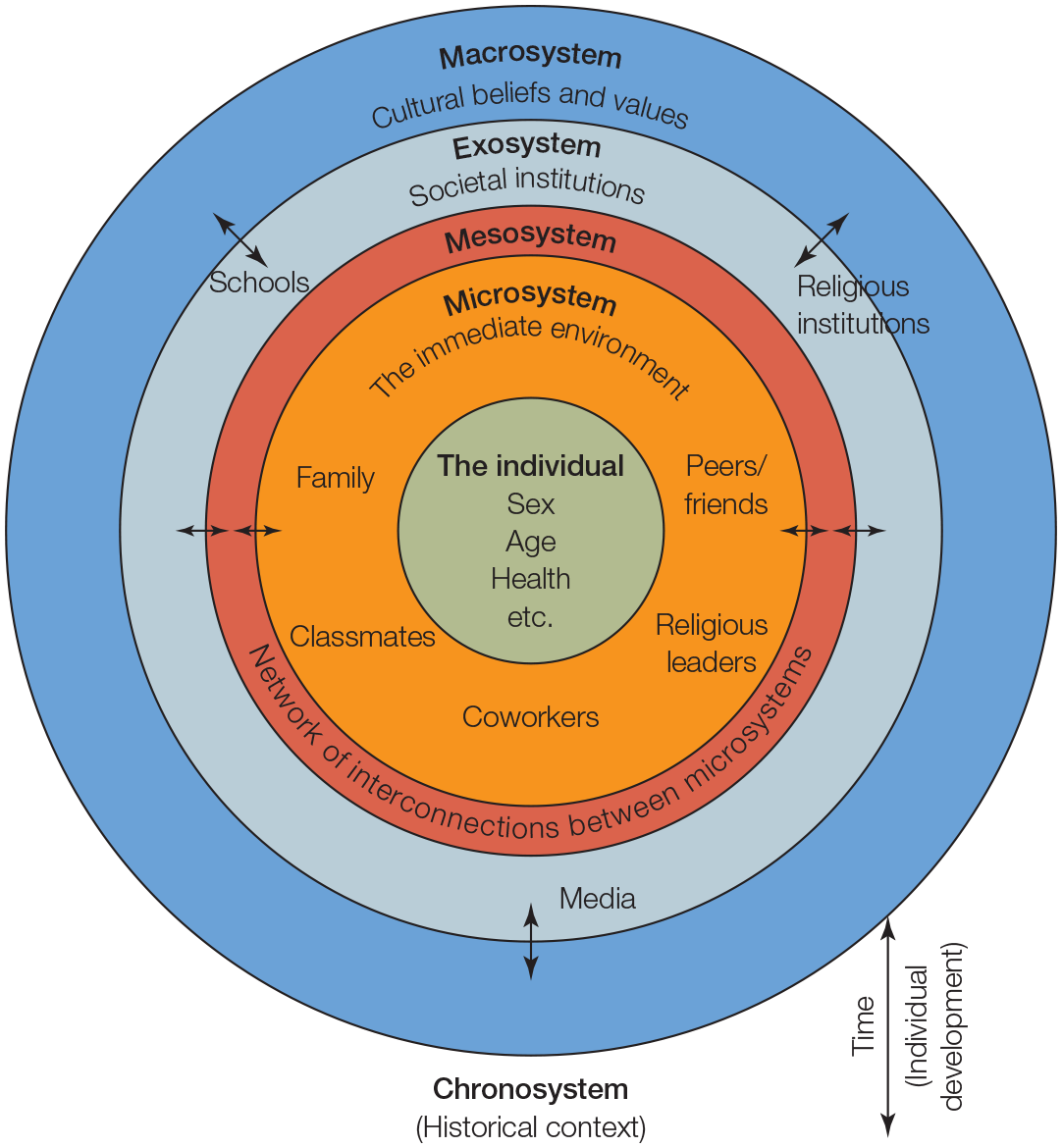
Microsystem
immediate environment
daily lives
people are active agents
context
Mesosystem
network of microsystems
Exosystem
institutions
Macrosystem
broad beliefs and culture
Chronosystem
change in dev over time
Cultural Developmental Model
Humans always develop within a culture
interactions that convey beliefs, skills, and knowledge
participate in shaping culture
relation to world
It is necessary to study development in diverse cultures
many different ways of living
focus on wealthy countries
Many cultures are changing rapidly, and cultural identities are becoming more complex for many people
globalization
developing countries rapid growth
Stages
Prenatal
Infancy 0-12 months
Toddlerhood 12-36
Early childhood 3-6
Middle 6-9
Adolescence 10-18
Emerging adult 18-29
life stage that exists mainly in deved countries
longer time in school, enter marriage and workforce later
more responsibilities in love and work
YA 30-45
Middle 45-65
Late adult 65+
dev in continuous
Science of Development
Scientific method: process of scientific investigation with steps
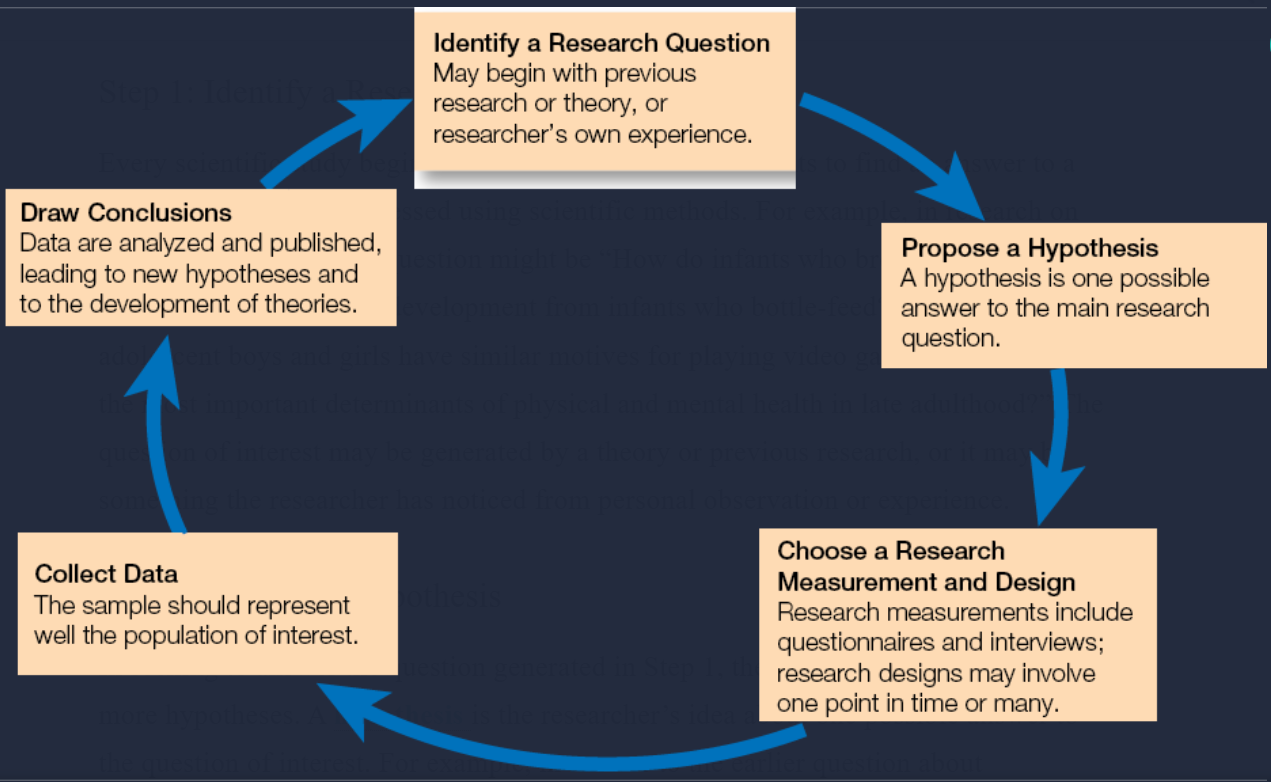
Hypothesis: Idea about possible answer to proposed question
Research measurement: approach to collecting data
Research design: when, where, and with collect data
master plan
Sample: subset of pop to collect data
goal find representative
so findings can be generalizable
Population: entire category represented by a sample
Procedure: step-by-step order study conducted and data collected
Theory: framework of interconnected ideas inspires further research
IRB approve research
Protection from physical and psychological harm
people participating
Informed consent prior to participation
possible risks
parent or guardian if under 18
Confidentiality
not shared or identified
Deception and debriefing
no harm and told afterward
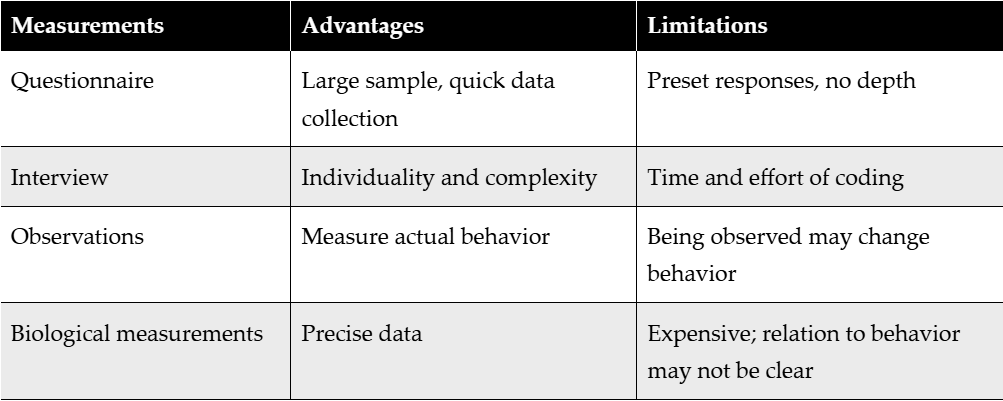
Questionnaire: written ?s select answer
typically closed- more convenient
some open- better captures
Interviews
spoken and open
allow more complexity and captures
more effort to code
Observations
naturalistic or structured
actual behavior instead of self-reports
toddlers and infants
awareness may skew
Biological measurements
genes
Electroencephalogram (cerebral cortex activity)
Functional magnetic resonance imaging (activity and stim)
Quantitative
#s
Qualitative
nonnumerical
Reliability
consistent
Validity
truthful
ecological- measurement and everyday life
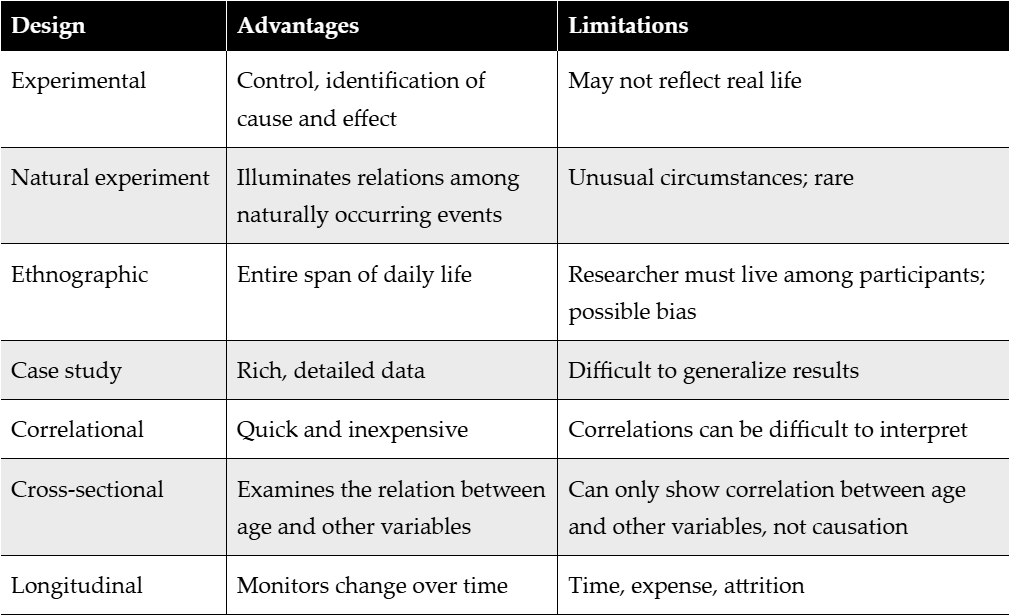
Experimental design: ex group with treatment and control
Ind v- different for exp than control
Depend V- outcome measured
Intervention- program change attitude
Nat exp- not controlled
unethical treatments
Ethnographic research- time with people
Case study- POI
Correlational design- variabels on single occasion
Correlation- statistical relationship predict other
not causation
Cross-sectional- different ages single point
Longitudinal- followed over time mult occasions