Program Design: Plyometrics 2
Discussion about measuring the intensity of plyometric drills, which are crucial for developing explosive strength in athletes across various sports.
Key Concept: Higher speed equals higher intensity. The relationship between speed and intensity is critical in assessing the effectiveness of plyometric exercises.
Measurement Tools:
Percent of maximum velocity can be used to assess both speed and plyometric intensity. This method provides a quantifiable measure to tailor training programs effectively.
Use of velocity-based training devices for precise power output measurement. These devices help in tracking improvements over time and can guide coaches in adjusting training loads based on athlete readiness.
Techniques for Measuring Intensity
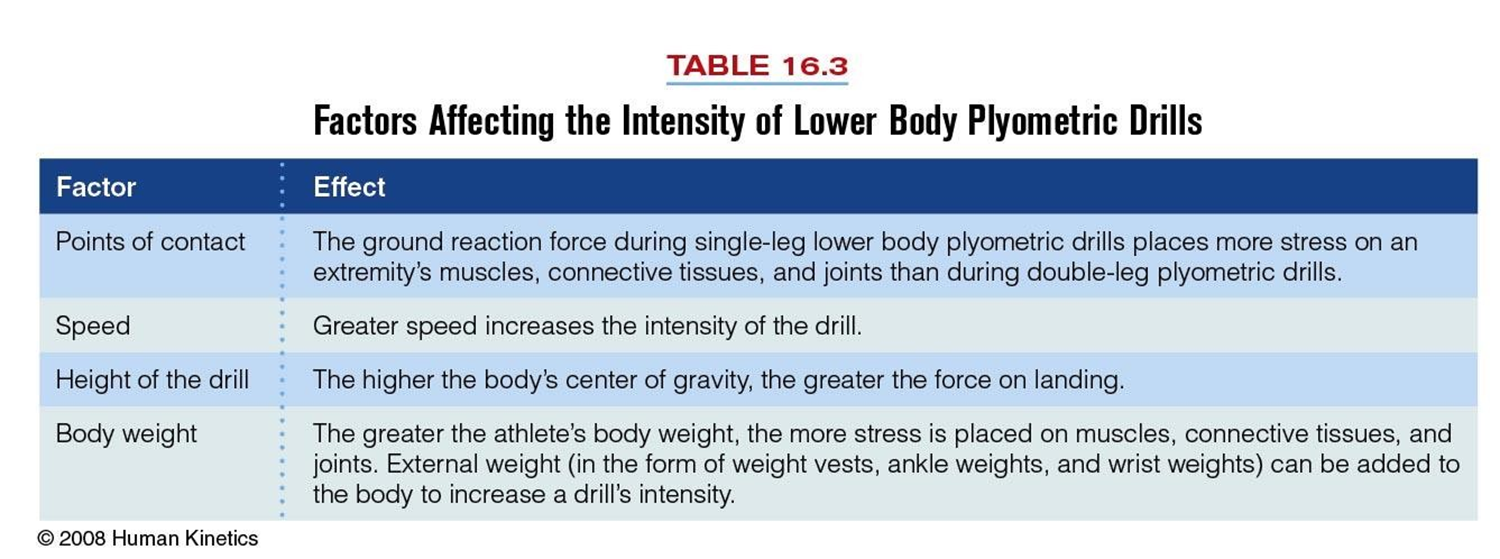
Height Drills:
Define max height through exercises such as box jumps, which allow athletes to push their limits safely.
Adjust height to gauge sub-max intensity. Sub-max drills help in developing technique and power without leading to excessive fatigue.
Weight Variance:
Use of weighted vests, ankle weights for intensity increase in drills, enhancing the load experienced by the muscles during exercises.
Recommend use of kettlebells and medicine balls for added load, which enhance strength alongside plyometric training for better performance.
Frequency and Recovery
Typical plyometric training frequency:
Non-consecutive days for recovery 48-72 hrs between, similar to resistance training. This approach minimizes the risk of injury while promoting performance gains.
Consideration of training intensity and volume to ensure recovery needs are met while maximizing benefits.
Muscle Soreness Aspect:
With proper training age, athletes may experience less soreness from plyometric activities, improving their ability to train consistently.
Emphasize concentric vs. eccentric muscle engagement and its effect on soreness and recovery. Understanding these differences aids in program design that minimizes soreness while maximizing training effect.
Recommended Recovery Times
Adequate recovery discussed:
Rest Periods between Sets:
Not aimed at fatigue. Effective rest periods allow athletes to perform each set with high quality, maximizing adaptation.
Suggest five-minute rest to ensure maximal effort on each attempt, particularly important in high-intensity plyometric training.
Volume Control:
Daily plyometric drills with low volume or intensity are acceptable, reducing the risk of overtraining while allowing for effective skill development.
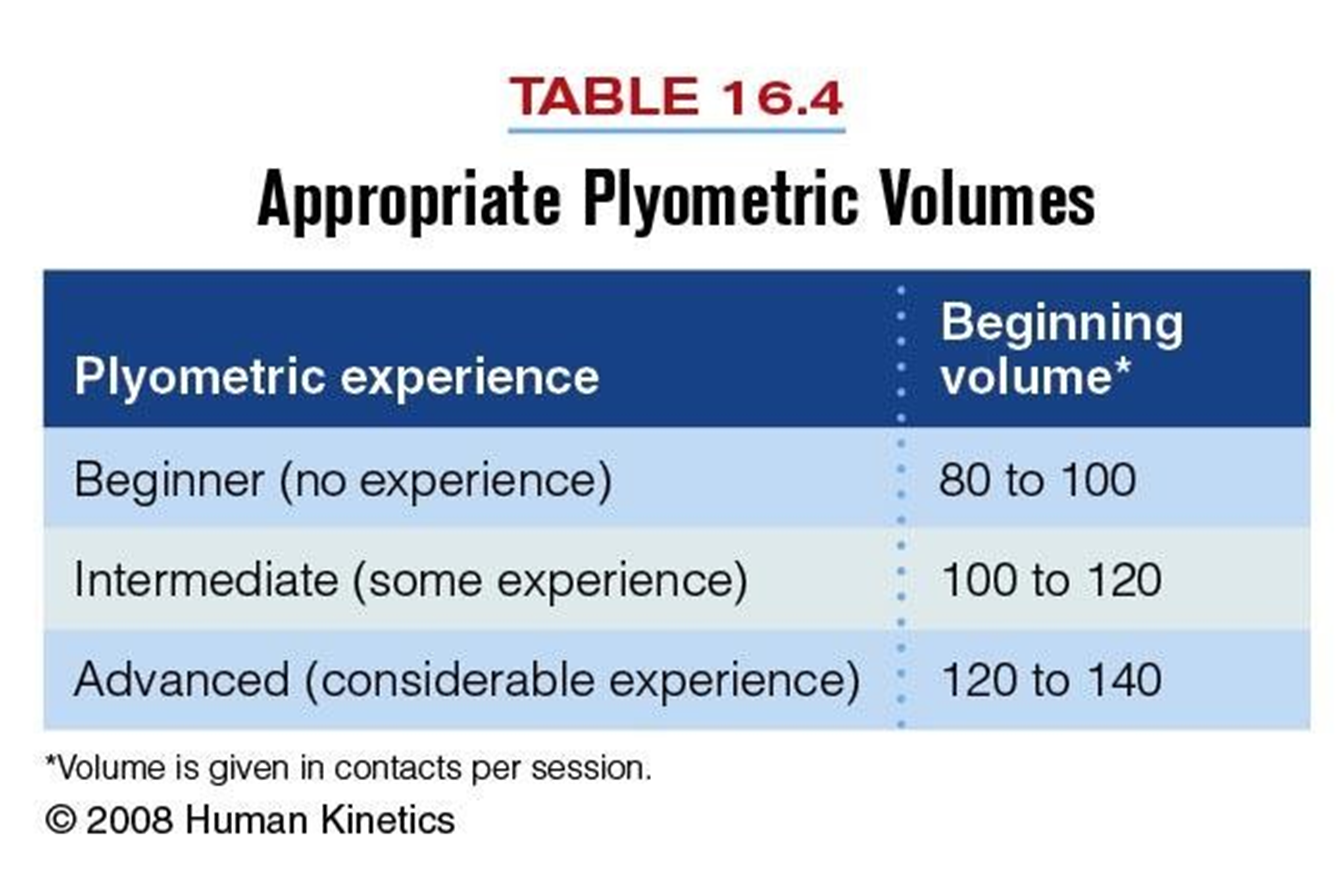
For lower body, plyo volume is measured with number of foot contacts per session
For upper-body volume, number of throws or catches per session.
Understanding Fatigue in Training Sessions
Fatigue Not a Goal: Emphasizes that fatigue should not be sought in training, especially for athletes who require peak performance during competitions.
Key Focus Items:
Maximize velocity in movements to enhance training outcomes, ensuring improvements in neuromuscular coordination.
Fatigue can introduce instability and increase injury risks, making it crucial to manage workloads carefully.
Recovery allows quality rest and ensures maximized outputs for subsequent training sessions.
Volume and Contact Count Conclusions
Contacts per Session Guidelines:
Single-leg activities are more taxing than double-leg due to increased stress on joints and muscles.
New practitioners should have lower volume compared to advanced individuals to ensure that training remains safe and effective.
Set Tracking Methods:
Use foot contacts as a measure of training stress, helping coaches adjust loads based on responses to training.
Maximum Contact Recommendations:
Limit lower body stresses to below 100 total contacts to manage strain effectively during training sessions.
Strategizing Training Sessions
If combining strength and plyo work, reduce plyometric volume to ensure quality performance in both areas.
Emphasis that high-intensity strength training should belong at the start of a workout for optimal output, as it allows for maximum energy expenditure when fatigue levels are lowest.
Potentiation Principle and Contrast Training
Discussion on using high loads followed by plyometric drills for performance benefits, emphasizing the enhancement of neuromuscular adaptations.
Importance of keeping volume low during these types of training sessions for effectiveness, to avoid overwhelming the musculoskeletal system.
In-Season Training Considerations
Continuous plyometric training is crucial regardless of the competitive schedule; maintaining neuromuscular efficiency during competition season is vital for athlete performance.
Balance strength training volume with fatigue management during the season to maintain high performance levels while allowing for adequate recovery.
Importance of Dynamic Warm-Ups
Warm-ups are crucial but are not part of the training volume; they should raise readiness without inducing fatigue, preparing the body for high-intensity activities.
Safety and Environment Considerations for Athletes
Consider the landing surface for plyometric drills and the space available, ensuring practices are safe and effective.
Gear and attire are crucial for injury prevention, especially for agility and plyometric training, as proper footwear and equipment can significantly reduce injury risks.
Stress Management in Training
Use upper-lower body splits in plyo to reduce overall fatigue, allowing for enhanced focus on specific muscle groups.
Align intensity appropriately with strength work to manage fatigue across workouts effectively, promoting better recovery and gains.
The Role of Plyometrics in Endurance Training
Discussion noted benefits of plyometrics for aerobic athletes, enhancing neuromuscular efficiency, speed, and energy conservation.
Enhanced stretch response during even low-intensity activities like jogging aligns with plyometric benefits, demonstrating the value of plyometrics for all athletes.
Neuromuscular Response and Size Principle
Discussed motor unit recruitment based on fatigue. Understanding this allows for better training strategies that optimize performance while managing workload.
Prioritize plyometric training to optimize power and strength outcomes, regardless of fatigue from aerobic activities.
Plyometric exercises should be done before aerobic endurance training because although you are mainly utilizing type I fibers during aerobic training. The fatigue in type I fibers prevents greater motor unit recruit of type II fibers because the pathway has to go through type I fibers to Type II fibers to maximize force development.
Technique and Landing Characteristics
Recognize that landing technique varies by individual and should not impose undue risk; tailored coaching can help individualize approaches.
Assess stability in movement patterns, adapting feedback accordingly to continually enhance performance and reduce injury risk.
Conclusion
Engage in active training management and awareness geared towards maximizing outcomes for both power and safety across training modalities, ensuring that athletes can perform at their best.