Yr11 VCE Geography Unit 2
Tourists
Tourists - people who travel to and stay in places outside their environment for more than 24 hours, but not more than one consecutive year.
Domestic tourists - tourism within a tourist’s own country
International tourism - tourism outside a tourist’s own country
Interstate tourists - travelling to another state in the same country
Intrastate tourists - travelling within your own state
Categories of tourist attractions
Natural environments - mountains, valleys, rivers, waterfalls, deserts, glaciers or forests
Built facilities - landmarks or specialised facilities for things such as medical, educational, or enjoyment
cultural/historical tourism - experience different societies, and historical sites and experience cultural food and events
Dark tourism - places that have experienced or are linked to conflict death and tragedy
Butler’s theory of tourist development
E, I, D, C, S, R/D
Exploration - a small number of people are visiting, very little tourist infrastructure and facilities to accommodate a lot of visitors, relatively underdeveloped as they do not have the revenue nor demand to increase infrastructure
Involvement - Locals begin to see an industry in its infancy, and start to offer small-scale accommodation, A clear tourist season begins
Development - facilities have been invested in to cater for a high number of tourists, increasing its popularity and interest in an area to visit, no longer primarily local infrastructure investment, it is now mainly investment outside the country, This external investment is threatening local cultures and the environment
consolidating - As a result of continuous tourism, a region becomes dependent on tourism for future economic sustainability, While this is occurring other locations are developing their tourist industry, which produces a drop in numbers as other places are chosen for holidays
stagnation - Over time facilities lose their appeal and therefore lose visitors, This has repercussions for an area as businesses may close and have an impact on unemployment rates, This can be a real issue for rural areas as they are often reliant on a single industry
rejuvenation/decline - significant drop in the numbers of people attending as well as people staying for a shorter amount, modernising the facilities to attract tourists again. If this is not done then it could lead to the closure of sites
Impacts of tourism
The three types of impacts of tourism - Social, Economic, and Environmental
Ecotourism (Borneo)
Ecotourism - responsible travel to natural areas that conserves the environment, sustains the wellbeing of the local people
Principals - Build environmental and cultural awareness and respect, positive experiences, Provide direct financial benefits for conservation, Recognize the rights and spiritual beliefs of the Indigenous People
impacts - minimise physical, social, behavioural, and psychological impacts
Activities
Rainforest Trekking: Guided hikes through Borneo's rainforests.
River Cruises: Boat trips along rivers to spot wildlife.
Canopy Walks: Suspended bridges offering views of the rainforest.
Caving: Exploring impressive limestone caves.
Birdwatching: Observing diverse bird species.
Cultural Tours: Learning about indigenous communities and their traditions.
Snorkelling and Diving: Discovering marine life in coral reefs.
Eco-Lodges: Staying in sustainable accommodations managed by local communities
Wildlife Viewing: Seeing orangutans, pygmy elephants, and other animals in their natural habitats.
Management
Local Scale Management
In Borneo, local management involves community-led conservation, sustainable small-scale farming, and the development of infrastructure that meets local needs while protecting the environment. Village leaders also work to preserve cultural heritage and manage resources based on community priorities.
Community Conservation: Local groups manage their natural resources, using traditional practices to protect forests and wildlife.
Small-Scale Farming: Villages oversee sustainable farming and forestry to support local livelihoods.
Infrastructure: Management focuses on local needs like roads and schools, balancing development with environmental care.
Cultural Preservation: Local efforts protect cultural traditions and heritage sites.
Local Governance: Village leaders handle land use and resource distribution, reflecting community needs.
Global Scale Management
Globally, Borneo is managed through international conservation efforts, regulation of commodity industries like palm oil, and climate change initiatives. Global policies and agreements guide sustainable practices and tourism, ensuring that both environmental and cultural impacts are addressed on a larger scale.
International Conservation: Global organizations coordinate large-scale efforts to protect Borneo's rainforests and wildlife.
Commodity Regulation: Management of global trade in palm oil and timber involves enforcing sustainable practices.
Climate Initiatives: Global projects focus on Borneo’s role in climate change mitigation and carbon offsetting.
Tourism Management: International agencies manage eco-tourism to ensure it benefits local communities and preserves the environment.
Global Policies: International agreements and treaties influence management practices in Borneo, addressing environmental and cultural issues.
Case study (Phillip Island)
Characteristics
Visitors
Seasonal patterns
Summer is the Peak due to better weather + school holidays
Focus of tourism management is increasing year-round visitation by developing facilities that are not dependent on the weather.
Domestic vs International Visitors
Penguin Parade visitor data suggests international visitors accounted for approximately 25% of visitation in 2023, down from 75% prior to covid
Economic
In 2021/22 approximately 4200 people were directly employed in tourism across the Bass Coast
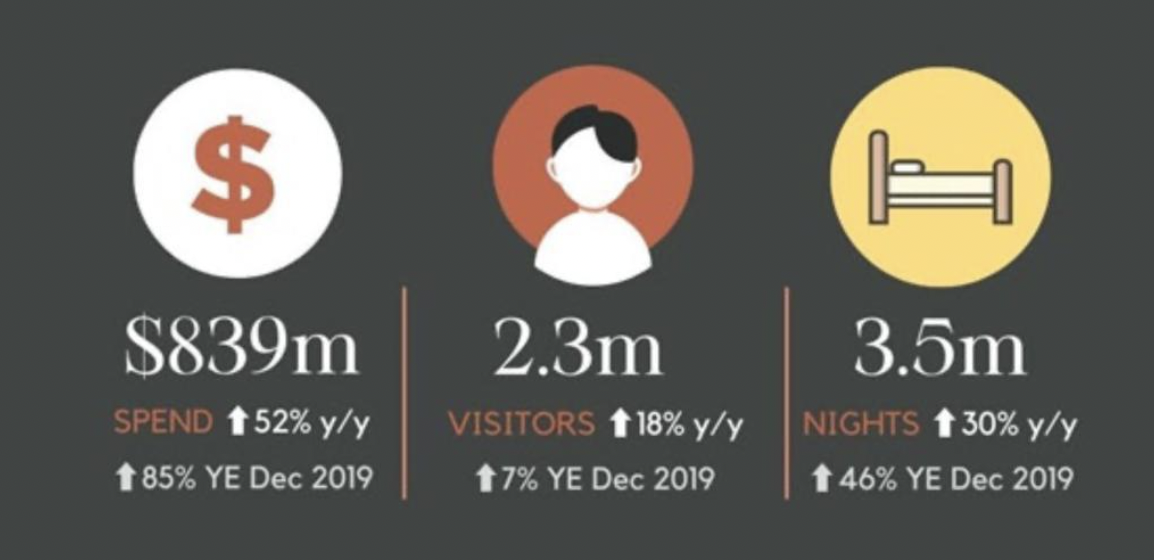
At $680 million in expenditure, tourism makes up around 26.8% of the GRP (Gross regional product) of Bass Coast economy. Characteristics
Post Covid Recovery
Tourist activities
Penguin Parade - Watching the nightly arrival of little penguins as they waddle ashore at Summerland Beach.
Koala Conservation Centre - Viewing koalas in their natural habitat from elevated boardwalks.
Phillip Island Nature Parks - Exploring multiple nature reserves, including the Koala Conservation Centre and Churchill Island.
Nobbies Centre - Visit the centre to see the rugged coastline and view seals on Seal Rocks via a boardwalk.
Churchill Island - Enjoying heritage farming demonstrations, gardens, and historic buildings.
Phillip Island Grand Prix Circuit - Experiencing motorsport events, go-karting, and tours of the racetrack.
Wildlife Cruises - Taking boat trips to see dolphins, seals, and occasionally whales.
Cowes Beach - Relaxing on the sandy shores of Cowes Beach or engaging in water activities.
Pyramid Rock - Viewing the unique rock formations
Impacts of tourism
Positive
Economic Benefits: Tourism generates revenue for local businesses, creates jobs, and contributes to the overall economy of the region.
Infrastructure Development: Increased demand for facilities can lead to improvements in infrastructure, such as roads, public transport, and amenities.
Cultural Exchange: Tourism fosters cross-cultural understanding and appreciation by bringing people from diverse backgrounds together.
Conservation Funding: Tourist dollars often support conservation efforts and the maintenance of natural parks and wildlife reserves.
Negative
Environmental Degradation: High tourist numbers can lead to pollution, habitat destruction, and strain on natural resources.
Wildlife Disturbance: Wildlife can be disturbed by human activity, leading to stress and changes in natural behaviours.
Cultural Erosion: The commercialization of local culture for tourist consumption can dilute or alter traditional practices.
Overcrowding: Popular sites may become overcrowded, leading to a diminished experience for visitors and pressure on local infrastructure
Management (environmental protection)
Visitor Limits: Restricting the number of tourists in sensitive areas.
Sustainable Practices: Promoting eco-friendly behaviours and businesses.
Conservation Support: Funding and supporting habitat protection efforts.
Education: Informing tourists about responsible behaviour.
Monitoring: Tracking environmental impacts and enforcing rules.
Community Involvement: Engaging local communities in tourism planning.
Eco-Friendly Infrastructure: Building and maintaining low-impact facilities.