Cardiorespiratory paediatric physiotherapy
Anatomical difference between adult and children
large head
short neck
large tongue
large tonsiles
high larynx
smaller airways
bronchila walls have more cartilage
cilia poorly developed at birht
alveoli smaller in size and number
immature muscles
chest wall rounded
larger tidal volume with limited insp/exp reserves
FRC is relatively less
more type 2 muslce fibres than type 1, hence more prone to fatigue
higher resting metabolic rate → higher O2 requirement → higher cardiac output
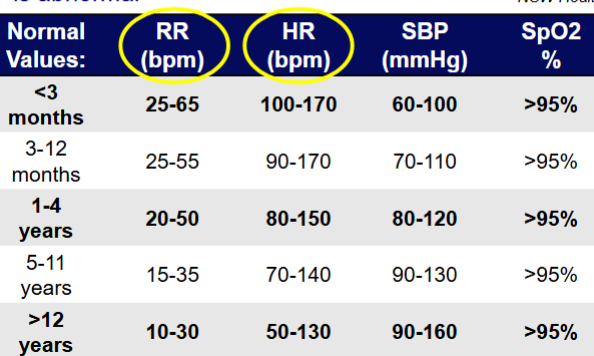
Signs of respiratory distress
sounds
stridor
difficulty vocalising
grunting and noisy breathing
behaviour
irritable and whiny
difficulty eating
drowsy
floppy
Signs of respiratory distress
recession
tracheal tug
nasal flaring
head bobbing
auscultation:
the smaller teh body the more difficult
faster respiratory rate with shorter expiratroy phase
less lung tissue for high frequency sound sto be filtered
unable to take a deep breath on command
compare lobs of both sides:
presence of breath sounds
presence of added sounds