childbirth pain medication
midwives care has large impact on how women deal w pain
pain physiology:
where tissue trauma happens from heat/ pressure/ stretching/ hypoxia, imflamitory endogenous chemicals released and exite nerves creating electrical impulse along sensory nerve fibre.
affected nerve (first order neuron) then carries electric impulse towards spinal cord and CNS
2 types of afferent nerve fibres
(electric implse travel faster along thick A-delta fibre and slower along thinner C-fibres)
thalamus interprets impulse as pain
intensity if pain depends on frequency of nerve impulse.
labour pain transmission pathway:
pain impulse in labour travel along thoracic/ lumbar/ sarcal nerve pathway
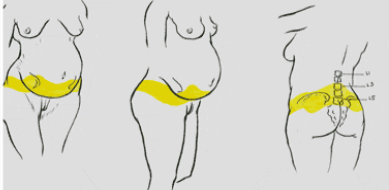
1st stage- from upper and lower uterine segments and cervix (slow pain)
transitional stage- from cervix/ vagina/ bladder/ rectum (slow pain)
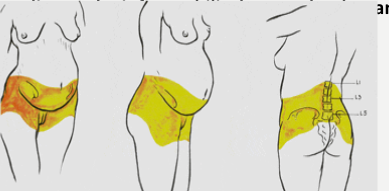
2nd stage- from pelvic floor/ perenium/ vulva (fast pain)
slow pain- visceral pain
1st stage- origin of slow pain:
hypoxia/ distortion/ stretching of uterine muscles/ dialation of cervix
pressure on tissue and organs around uterus and lombo-sacral regions
pressure on bladder/ urethra/ rectum
increase in intensity can cause fear which can cause production of cortosoil (stress hormone)
cortisol can have negitive impact on oxytocin and so can slow labour
cortisol can reduce production of endogenous endorphins and encephalins and so brain percieve higher level of pain.
fast pain- somatic pain:
late 1st stage and 2nd stage pain
sharp and well organised pain
felt in exact area of stimulus/ trauma
body response- wothdraw immediately from pain and ahrmful stimulus to avoid further damage.
non pharmacological pain handling:
deep breathing
relaxation
meditation
heat
massage
refered pain:
dermatome- region of body where deep visceral neurons and superficial somatic neurons enter spinal cord at same time and share info to spinal cord.
slow pain from intercostal tissue or organs is felt as throbbing.
pain at beginning of second stage of labour:
due to babies pressure on birth canal and near structures
originates from visceral and somatic pain
pain intense/ sharp and local
epidural analgesia:
injection of local anastetic and opioid combination
given in lower back
can cause numbing in lower body
advantages:
reduce stress in mothers
positive birthing experience
bonding and feeding
disadvantages:
reductio of mobility
relaxes pelvic floor- can be increased labour
risk of instrumental delivery