Fossil Fuels
Biomass - renewable resource that can be converted into biofuels
lumber, whales, living organisms
Some fossil fuels (oil) produce more energy by weight.
Natural gas - gasoline - charcoal - coal - wood
Biofuels - Liquid fuels produced through biomass (organic materials).
Heat and pressure turned dead plants into coal
Coal country- Pennsylvania
Mountain top removal picking on top surface, drill under surface
"Black lung” side effect from coal miners
Coal taken to coal power plant
Coal bunker - boiler- turbine - generator
Boiler: Ash disposal (filter) - SO2 & NOx (PM)
Turbine: condenser- cooling tower (waster heat)
A global effort to reduce coal emissions- Kyoto Protocol
OPEC- Organization of the Petroleum Exporting Countries
Types of oil:
Crude oil - OPEC - High net energy CO2 and other pollutants
Shale oil - N. America - Medium net energy - CO2, water
Oil/ tar sand- N. America- low net energy
Oil Refinery
Heat oil - separate in different products- heaviest to lightest asphalt up to gases
Deepwater horizon- An oil platform that blew up. The crude oil is linked to the ocean. 4 million barrels. lasted 87 days—thousands of miles of coastlines.
Natural Gas
Mostly methane (CH4)- extremely toxic, stops x-radiation from escaping.
CH4 + O2 = CO2 + H2O
Natural gas in layers of rock. Shell
Fracking negatives:
Groundwater contamination
Well has a short lifespan
Methane escapes
Water intensive
Energy
Fossil fuel extraction is causing earthquakes in areas not near a boundary due to the air bubbles left in the ground from extraction.
Various power plants convert heat energy into electrical power.
Fossil Fuels Externalities:
Oil spills= natural resources (habitat destruction), health bills (black lung, asthma)
Floods= property destruction
Climate change
Carbon capture- capturing CO2 from the atmosphere.
Power plant:
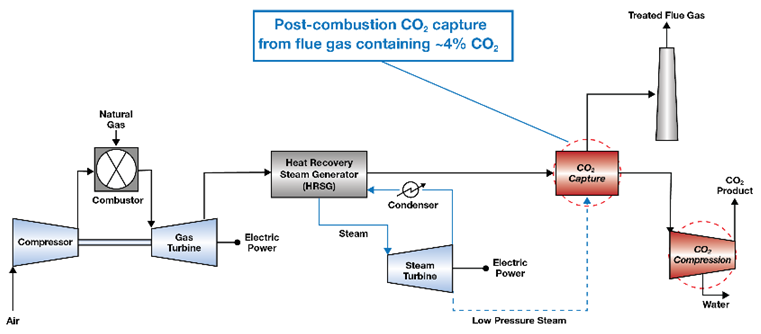
Store in saline formation (deep saltwater absorbs CO2)
Store in empty reservoirs from old fossil fuel extractions.
Energy Alternatives
Wind Power- wind turbines
10% of The United States gets energy from wind turbines.
Needs flat areas for consistent and faster wind.
Kills many birds, no wind = no power.
Spins blade- into gearbox- connected to the generator
Solar energy- photovoltaic, fused solar radiation (thermal)
Photovoltaic- cells convert sun energy to electricity
Focused solar radiation- takes thermal heat from the sun, mirrors reflect sun energy to the tower
In sunny places, watch for clouds.
Negative: Big footprint. Greater than 3,000 acres.
Hydropower (electric)-
Power collected from dams
Holding water back (potential energy), pushes water through a turbine connected to a generator.
Water is denser and therefore has lots of energy.
Bigger rivers have dams.
Not building anymore
spaces are taken already
environmental damage
Wave Power-
Design 1
Facilities near a coast. Waves crash into funnels, funnel becomes smaller, making waves higher and splash into the reservoir.
Runs through a turbine and pushes back into the ocean.
Needs consistent wave action.
Design 2
Bove in water collects energy from waves.
Nuclear Power-
Uses uranium-235 (carbon neutral)
Exhaustible
Neutron hits uranium atoms and uranium splits
Damaging
Needs control because of chain reaction
Keeps uranium in protection, expensive facility
Not building anymore
Nuclear meltdown
1986 Cherrlobyl accident
Radiation lasts thousands of years.
Renewable energy costs have decreased over the years due to technology improvements.
Is 4 % of United States energy production.
Three Georges Dam:
Dam flooded area
Displaced 1.3 million people
3rd largest dam
Altered flood of the river
Different habitats above and below the dam
Energy Production:
Electricity use from dams is declining
Production is steady
population increase caused dam production use to decline
Renewable energy
More reliable because of the constant energy source.