1.2
shareholders or stakeholders
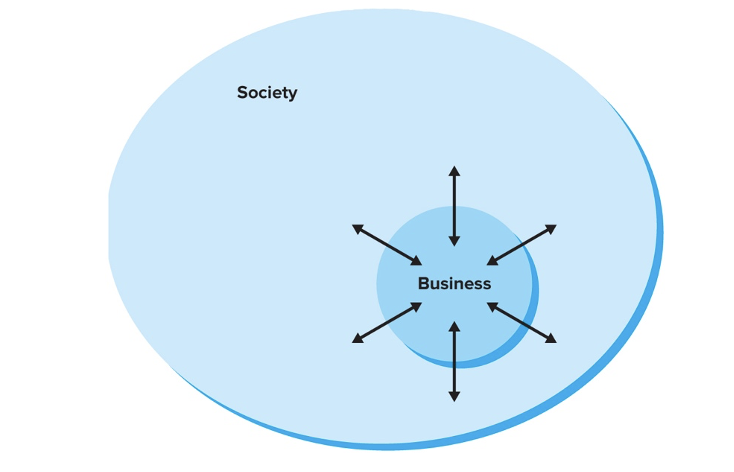
general systems theory [GST] suggests that organisms do not exist in isolation but can only be understood in relationship to their surroundings
businesses are embedded in a broader social environment with which they constantly interact
to whom is the firm responsible? there are 2 main stream theories suggesting a solution:
shareholder theory
sees the firm as property of owners [shareholders]
owners’ interests take precedence over interests of others
the purpose of the firm is to maximise its long term market value and money for its shareholders
stakeholder theory
corporations serve a broad public purpose: to create value for society
profit is necessary for survival, but it is not the only purpose of the firm
corporations have multiple obligations and need to consider all stakeholders
who are the stakeholders?
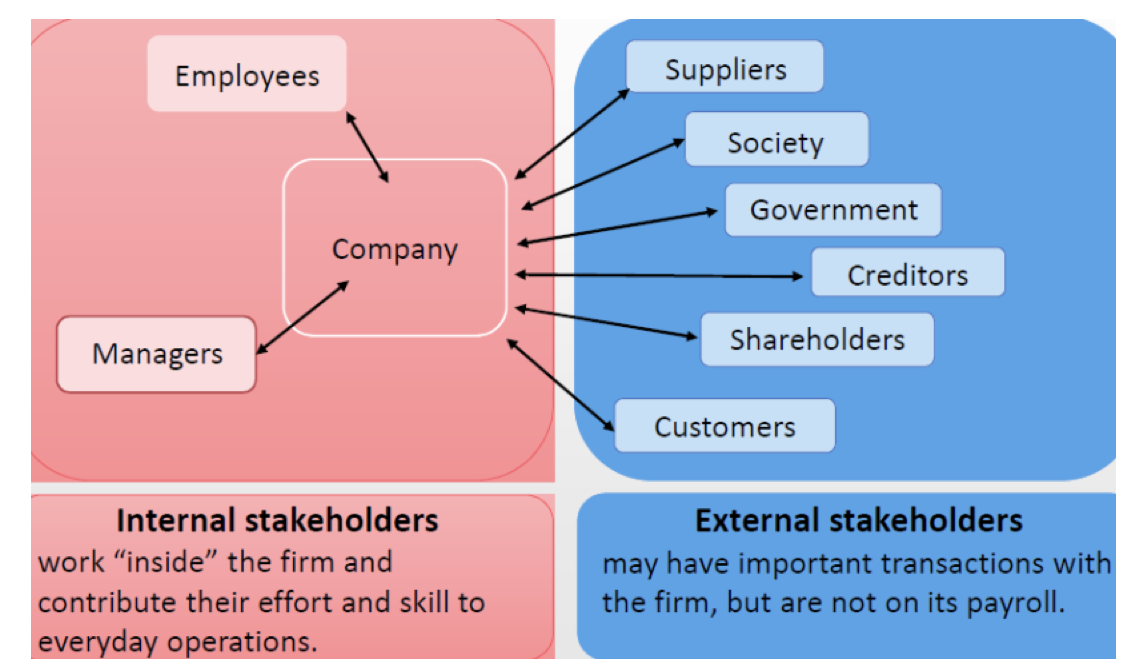
stakeholders are persons/groups that affect or are affected by, a firm’s decisions, policies and operations
a stake is an interest in or claim on a business
a stakeholder is not the same a stockholder [or shareholder]
shareholders are just one of several kinds of stakeholders
market stakeholders
shareholders, suppliers, employees etc.
they engage in economic transactions with the company as it carries out its primary purpose of providing society with goods and services
non-market stakeholders
community, government, business support groups etc.
people or groups who [although they do not engage in direct economic exchange with the firm] are affected by or can affect its actions
stakeholders
how powerful can the stakeholders be? stakeholder power is the ability of a group to use resources to make an event happen or secure a desired outcome. there are 5 types of stakeholder power:
voting power:
the legal right to cast a shareholder vote
economic power:
the ability to grant or withhold transactions with the focal company
political power:
actions taken through legislation, regulations or lawsuits
legal power:
lawsuits filed against the focal company for harm caused by the firm
informational power
having access to valuable data, facts or details
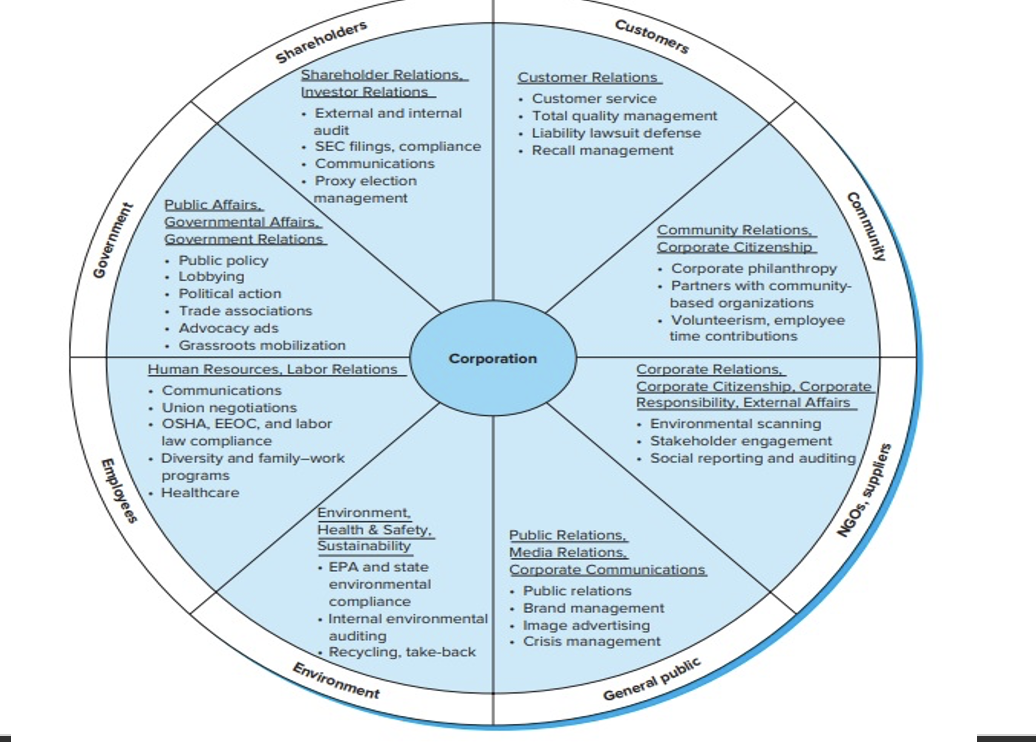
how do firms sustain the relation with stakeholders?
ethics and finance
ethics:
a concept of right and wrong conduct
tells us whether our behaviour is moral or immoral
deals with fundamental human relationships - how we think and behave towards others and want them to think and behave towards us
business ethics:
the applications of general ethical idea to business behaviour
ethics in business is a serious issue in recent yrs. the ethics and compliance initiative survey suggest that since 2000, about half of all employees surveyed reported ongoing observations of unethical behaviour at work. 50% of the time there is an unethical conduct in businesses
in 2022, the most common unethical practice was lying to employees and external stakeholders. other unethical practices included abusive behaviour, internet abuse, conflicts of interest, and health violations
the institute for leadership and management reported that 63% of managers expected to act unethically at some point in their careers
why business should be ethical?
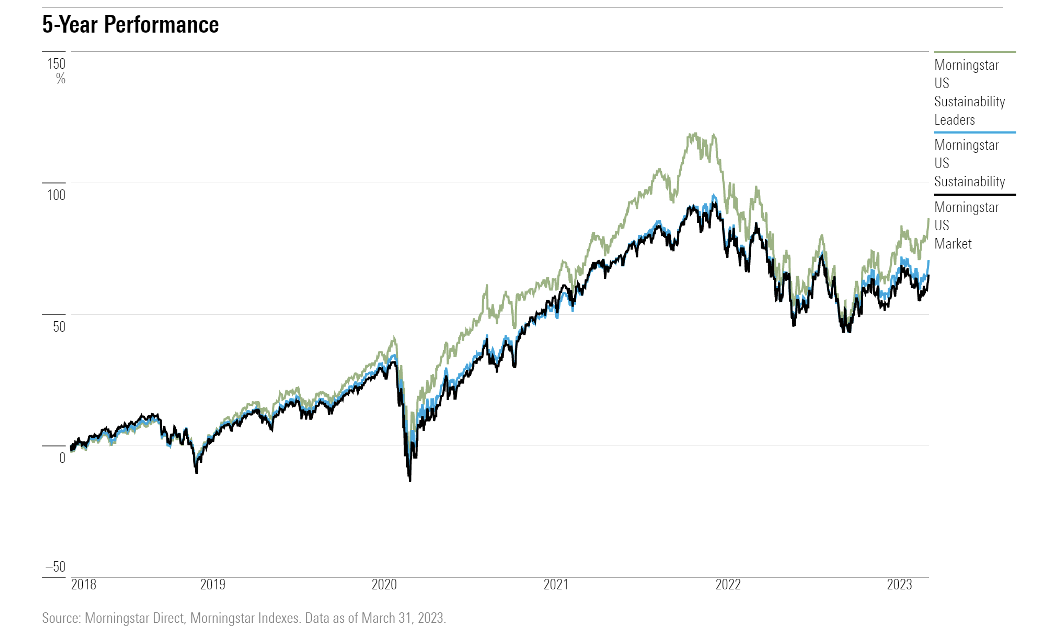
to enhance business performance
research shows strong link between ethics and financial performance
ethical actions can directly affect their organisation’s bottom line
to comply with legal requirements
2 legal requirements in the US provide direction for companies interested in being more ethical in their business operations:
corporate sentencing guidelines
sarabanes-oxley act of 2002
to enhance business performance:
corporate sentencing guidelines:
Establish standards and procedures to reduce criminal conduct.
Assign high-level officer(s) responsibility for compliance.
Not assign discretionary authority to “risky” individuals.
Effectively communicate standards and procedures through training.
Take reasonable steps to ensure compliance—monitor and audit systems, maintain and publicize reporting systems.
Enforce standards and procedures through disciplinary mechanisms.
Following detection of offense, respond appropriately and prevent reoccurrence.
sarbanes-oxley act of 2002:
Born from the ethics scandals at Enron, WorldCom, Tyco and others.
Seeks to ensure that firms maintain high ethical standards.
How they conduct and monitor business operations
Established strict rules for auditing firms.
Requires executives to:
Vouch for the accuracy of a firm’s financial reports.
Pay back bonuses based on earnings that are later proved fraudulent.
why business should be ethical?
to prevent or minimise harm
overriding principle that business should “do no harm“
e.g. insider trading
to meet demands of business stakeholders
consumers are more inclined to purchase the products
signalling a longterm concern for all stakeholders; a better economic performance
gain trust of investors
to promote personal morality
knowing one works in a supportive ethical climate contributes to sense of psychological security
why do the ethical problems occur in firms?
personal gain and selfish interests
competitive pressure on profits
conflicts of interest
cross-cultural contradictions
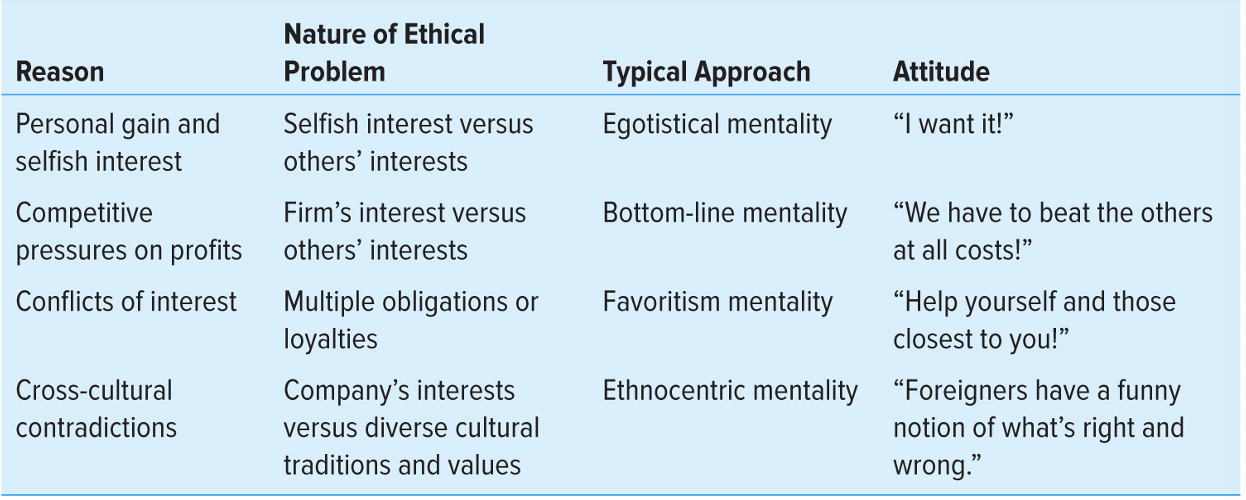
how to prevent these ethical issues?
top management commitment and involvement:
critical to fostering employee ethical behaviour
ethics policies or codes:
as a guidance to managers and employees to solve ethical dilemma
in US, policies tend to be instrumental, providing rules and procedures
in Japan, policies tend to be combinations of legal compliance and company values
ethics programs must be widely distributed and associated with ethics training
e.g. 3M’s code of conduct
ethics and compliance officers:
many created as early as the 1980’s
membership in professional association, ethics and compliance officers association [ECOA] doubled between 2000 and 2004
recently, ECOA and ethics resource center merged into the ethics compliance alliance
ethics reporting mechanisms
often called the helpline/hotline
executives tend to use the helpline more often than middle managers
purposes:
to provide interpretations of proper ethical behaviour
to create avenue for reporting unethical conduct
to provide info sharing tools for employees and stakeholders
ethics training programs
generally most expensive and time consuming element of an ethics program
found regularly in larger business organisations
small and medium business are more likely to offer training in alignment with guidelines
e.g. giving voice to values program
worlds most ethical companies
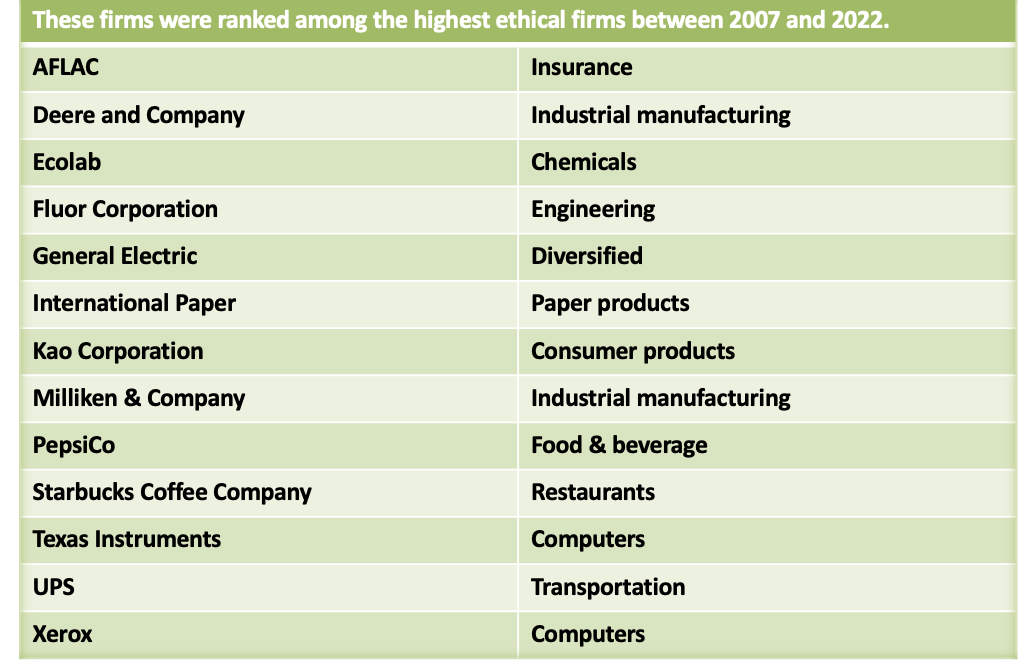
ethics around the world
doing business in global context brings up host of complex ethical challenges
most common unethical practice around the world is bribery
it is a questionable or unjust payment often to a government official to ensure or facilitate a business transactions
transparency international, an international watchdog agency publishes a survey of countries’ level of corruption
bribe taking is more likely in countries with low per capita income, low salaries for gov. officials, and less income variations
efforts to avoid unethical practices
Dow Jones Anti-Corruption Survey:
71% of respondents stopped or delayed business dealings with corrupt partners
Numerous efforts to prohibit bribery:
U.S. Foreign Corrupt Practices Act (FCPA).
The United Kingdom’s Bribery Act prohibits bribery.
Anti-Bribery Law in Brazil, India and Mexico.
Organisation’s culture and ethical work climate play a central role in encouraging employees to act ethically.
corporate social responsiblity
how do firms implement ethics in their businesses?
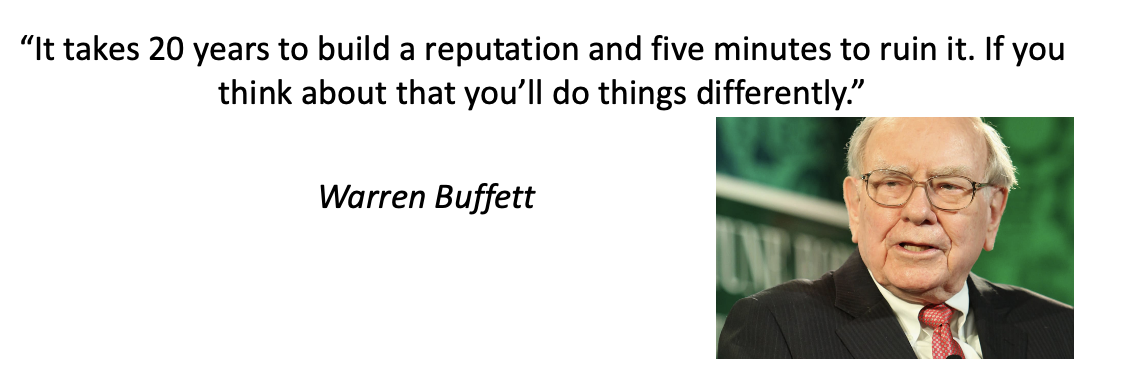
meaning of corporate social responsibility [CSR]
act in a way that enhances society and its inhabitants
acknowledge any harm to people and society and correct it if possible
may forgo some profits if its social impacts hurt its stakeholders or if its funds is usable for a positive social impact
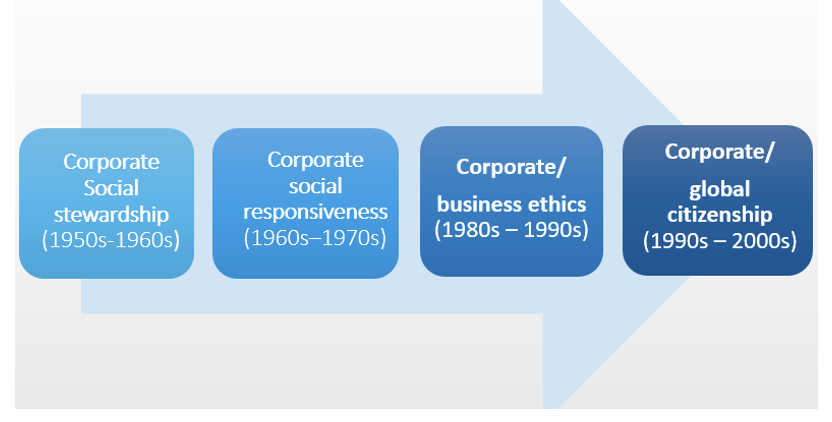
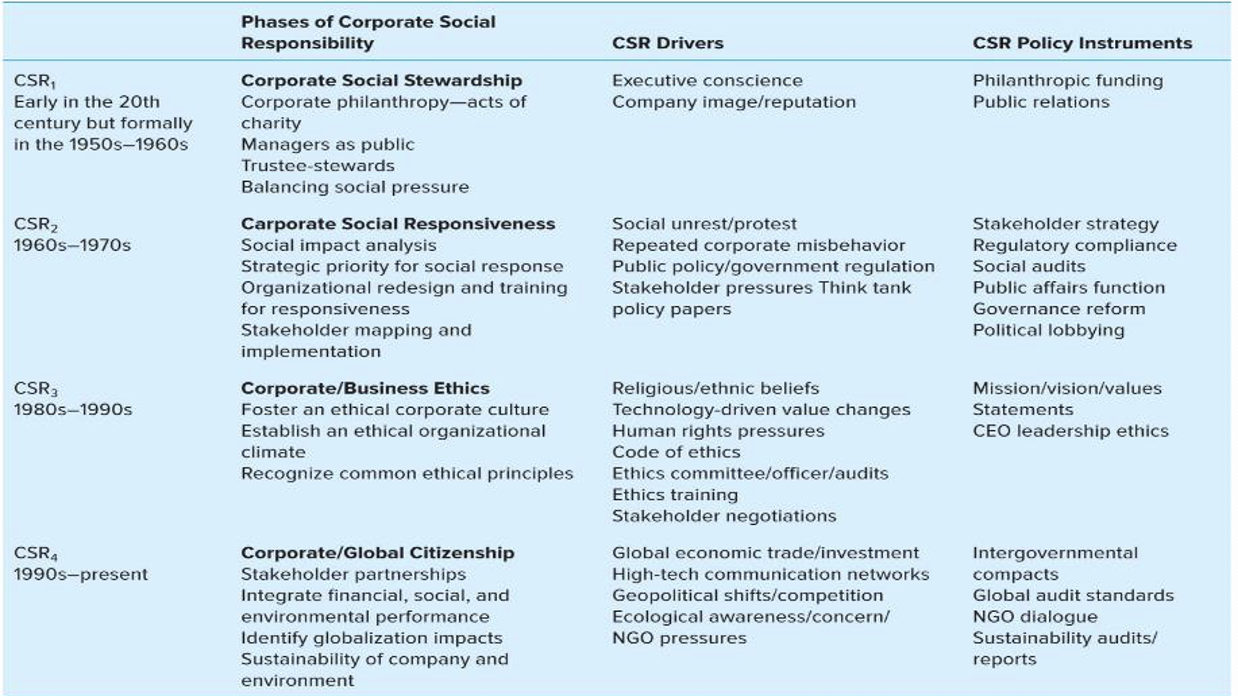
in the US, the idea of CSR appeared around around the start of the 20th century. corporations under attack for being too big, powerful, and guilty of antisocial and anticompetitive practices.
to use their power and influence voluntarily for broad social purposes rather than for profits alone [e.g. Steelmaker Andrew Carnegie, Henry Ford or new philanthropists - Mark Zuckerberg, Priscilla Chen]
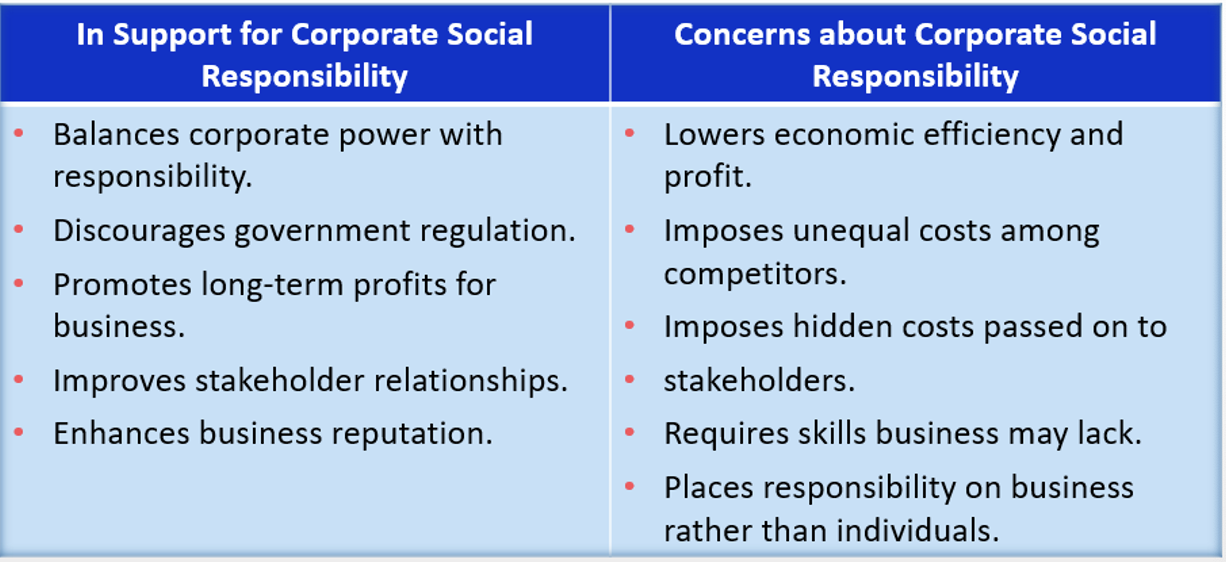
how is the idea of CSR perceived by firms?
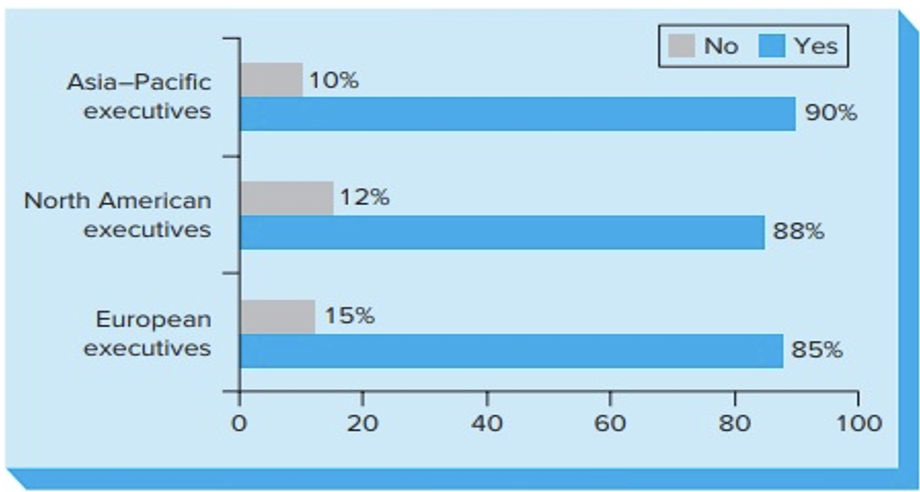
senior executives were asked “is CSR becoming an increasingly important part of your business strategy?“. their responses were:
assessing and reporting the “social performance“
social audit
a systematic evaluation of an organisation’s social, ethical, and environmental performance
social auditing can be done in 3 different ways:
companies can develop standards designed to set expectations of performance for themselves or their suppliers or partners e.g. Apple
companies within and industry can agree on a common industry-wide standard e.g. responsible business alliance [RBA]
can be developed by global nongovernmental organisations or standard setting organisations e.g. international organisation for standards etc.
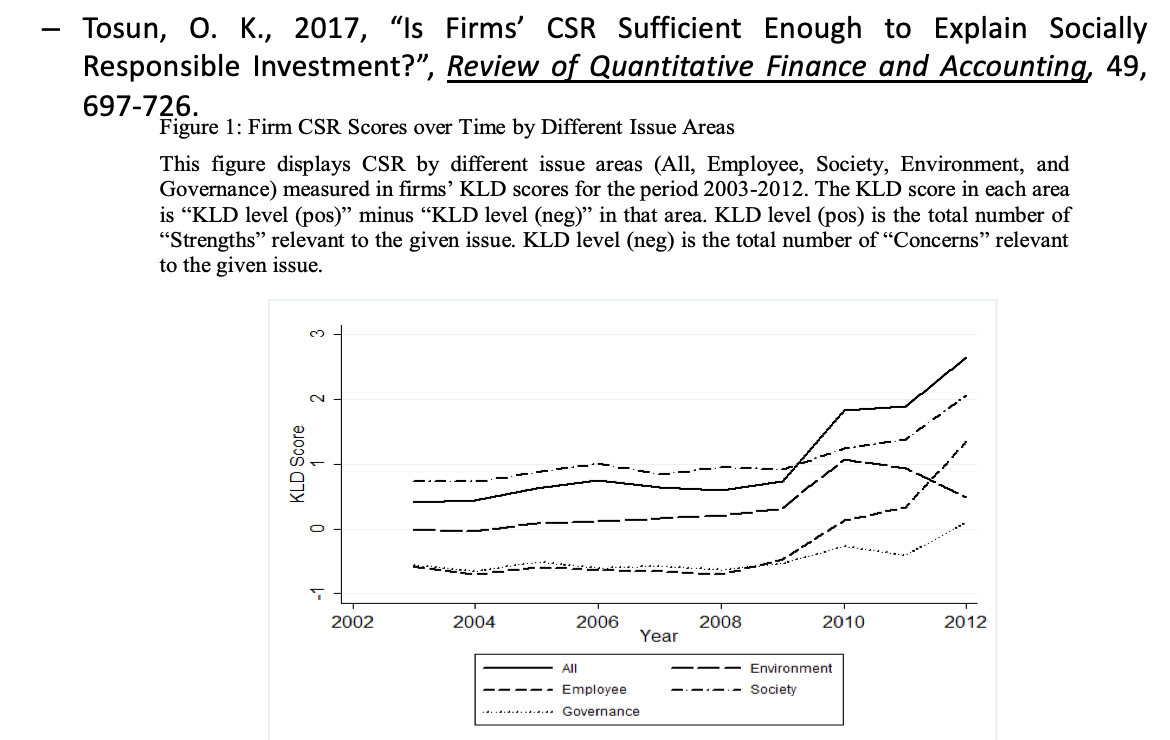
KLD index
social index developed by Kinder, Lydenburg and Domini&Co. they evaluate listed companied in the US and classify their scores into 7 major issue areas [community, corporate governance, diversity, employee relations, environment, human rights and product] and 6 special issue areas [alcohol, firearms, gambling, military, nuclear power, tobacco] to rate companies’ corporate social responsibility
each major issue has several sub criteria. they represent either a CSR strength or concern for which each firm is given one point if the company fits the criteria, and 0 otherwise
in total, there are 56 strength and 59 concern criteria
ESG index
index developed by Bloomberg evaluating companies based on environmental, social and governance criteria
similar to KLD, a firm gets points regarding whether it is successful in each criteria or not
Social Reporting
When a company decides to publicise information collected in a social audit.
Transparency is essential in social reporting. Companies need to clearly and openly report their performance—financial, social, and environmental.
Examples: Australia, New Zealand
An emerging trend in corporate reporting is the integration of legally required financial information with social and environmental information into a single integrated report.
trends in social reporting
By 2023, a majority of the largest companies included information of corporate social responsibility in their annual financial reports.
This reflected a dramatic rise in integrated reporting:
8 % in 2008 to 51 % in 2013 to 78 % in 2023.
Ethical drivers replaced economic considerations (80 % versus 50 %) as the primary motivator for publishing reports over the past decade.
Stakeholder engagement increased from about 33 % to nearly 66 %, with financial analysts and investors now getting involved.
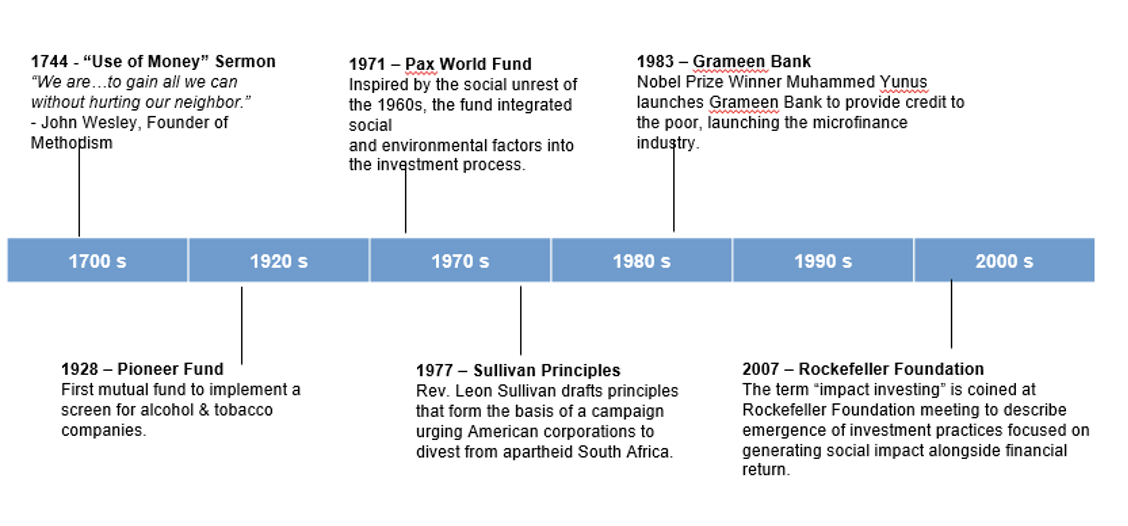
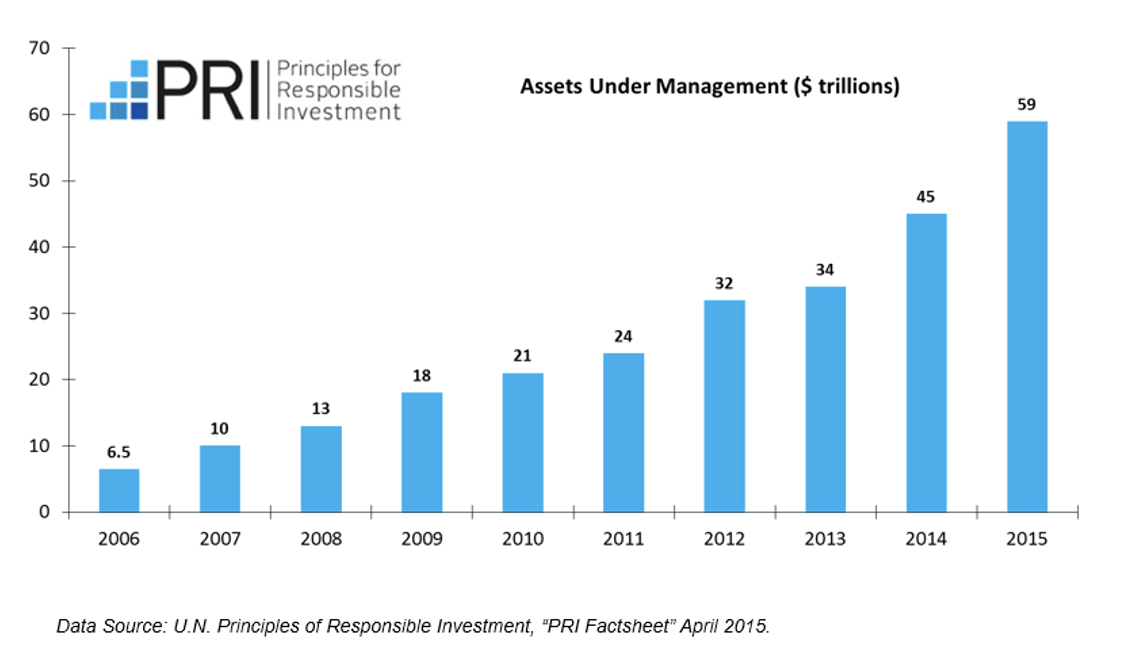
socially responsible investment [SRI]
what are the strategies regarding SRI?
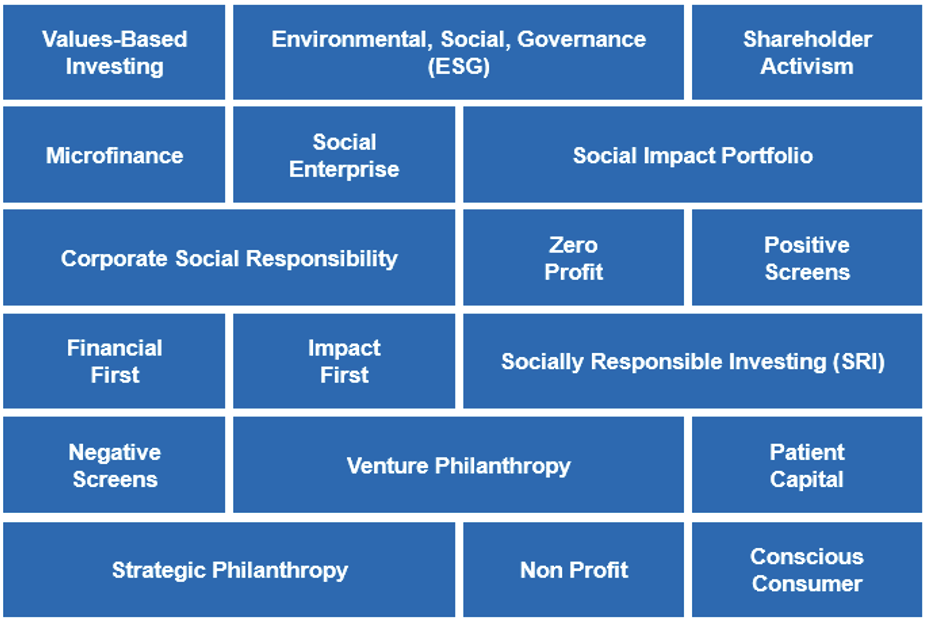
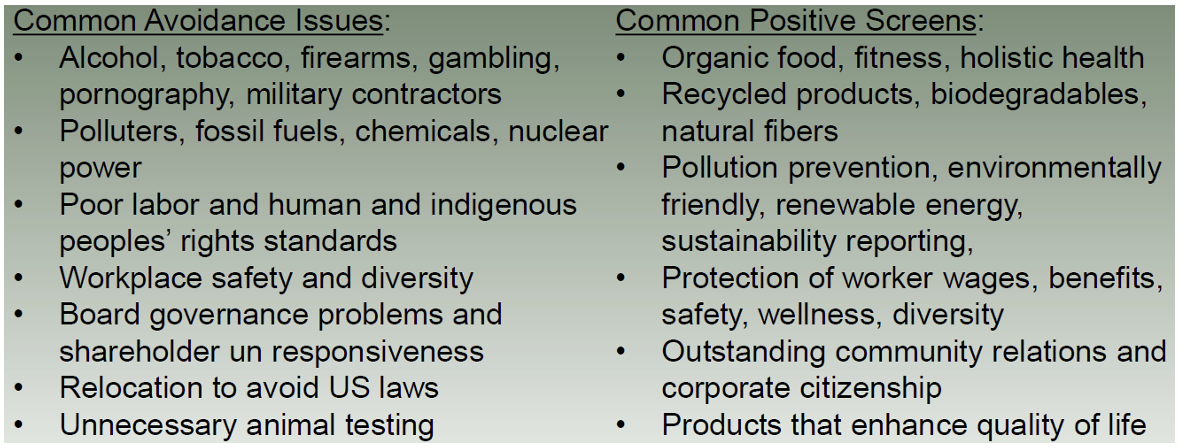
negative screening - excludes certain securities from investment consideration based on social and/or environmental criteria
divesting - act of removing stocks from a portfolio based on mainly ethical, non-financial objections to certain business activities of a corporation
shareholder activism - attempt to positively influence corporate behaviour
positive/impact investing - new generation of social responsible investing making investments in activities and companies believed to have a positive social impact
who are these investors?
SRI has found its strength mostly among mutual funds, including:
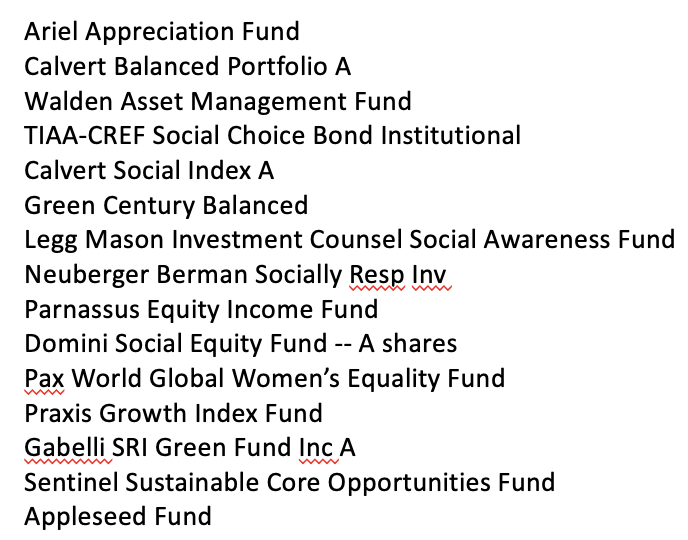
how do SRI funds screen the shares they invest in?
do SRI funds really care for CSR?
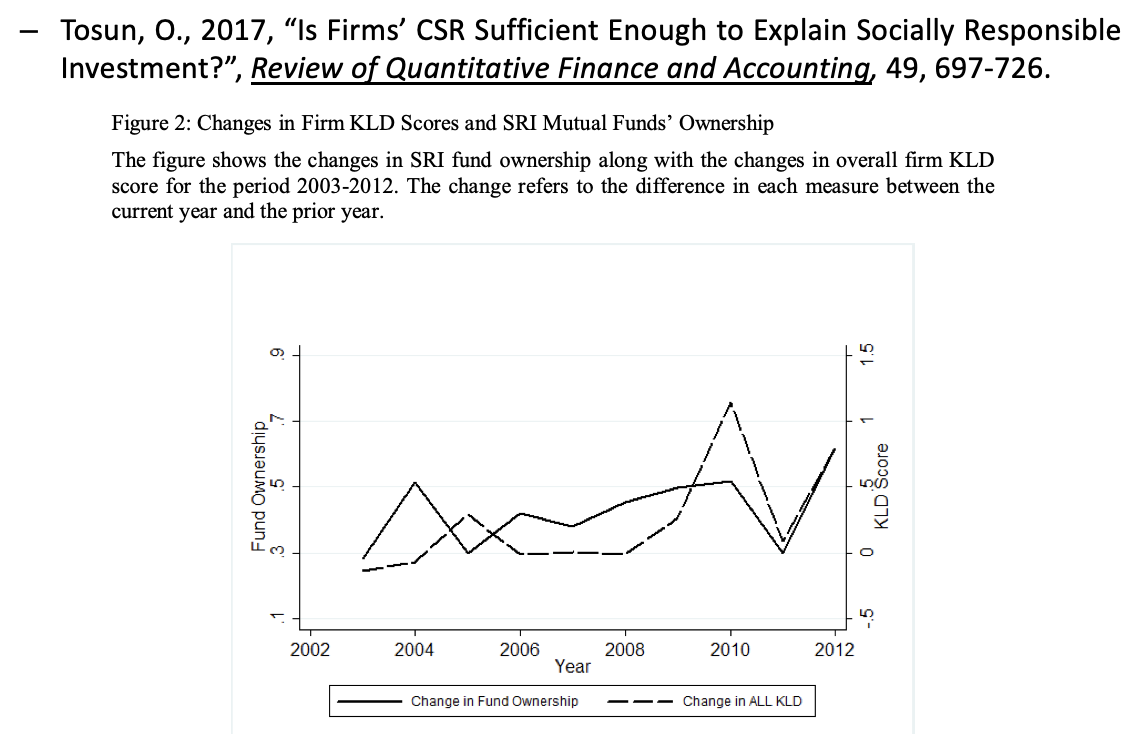
what is the trend in the particular areas of CSR activities?