Interest Rates (Class Notes)
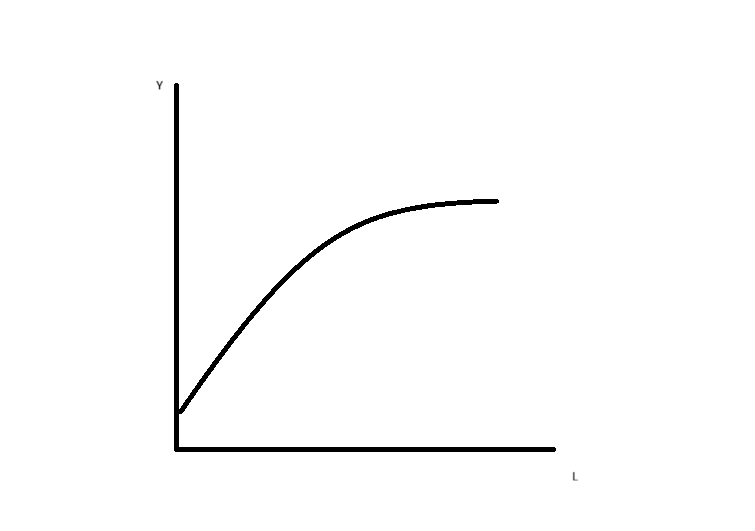
In the Classical Model, the forces of savings and investments are what determined the interest rates. Interest rates are cost to borrow and also a reward to save.
The interest rate curve is upward sloping. This means that there is a positive relationship between interest and savings. The more money you save, the more interest you get in return. This encourages savers to save more.
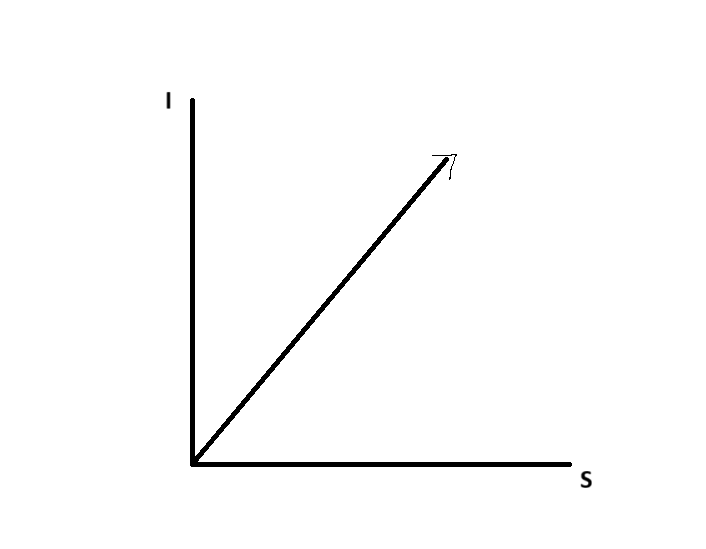
As a result of the interest curve being upward sloping this means that as the rate of interest increases, the level of savings would also increase, i.e., there is a positive relationship between interest and savings.
Interest Rates is essentially the opportunity cost of consumption (consumer spending).
If interest rate is too high then it prevents persons from borrowing.
If interest rate is too low then persons are going to borrow a lot.
Interest Rates are the cost of borrowing money and the reward for saving money past a certain amount.
Demand is downward sloping so that shows that the relationship with interest rates is inverse
If inflation is high it encouarges people to borrow less and save more
Moral suasion
r = Interest rates
Borrower: As interest rates increase persons tend to borrow less
Saver: As interest rates increases persons tend to save more and spend less.