Schizophrenia & Psychosis Module
Learning Objectives
Describe the impact of schizophrenia spectrum disorders and psychosis on a client’s overall health.
Explore epidemiological and etiological risk factors that contribute to clients experiencing schizophrenia spectrum disorders and psychosis.
Differentiate the clinical presentation of clients experiencing schizophrenia spectrum disorders and psychosis.
Explore the role of the nurse caring for clients experiencing schizophrenia spectrum disorders and psychosis.
Apply the nursing process through the use of clinical judgment functions while providing care to clients experiencing schizophrenia spectrum disorders and psychosis.
Examine the effects on daily functioning and relationships for clients living with a serious mental illness (SMI) such as schizophrenia.
Schizophrenia is a severe mental illness that affects how a client experiences and interprets reality. Although difficult to measure, the prevalence of schizophrenia in the United States among adults aged 20 years and older ranges from 0.45% to 0.75% of the population and approximately 24 million people worldwide. Symptoms of schizophrenia may vary from client to client but overall result in serious disruptions in how a client thinks, feels, and acts, affecting daily living and relationships. Although schizophrenia is typically diagnosed in late adolescence or earlier adult years, it is considered a neurodevelopmental chronic psychiatric condition with a prodrome phase where signs and symptoms begin to emerge years before actual diagnosis.
schizophrenia
Schizophrenia is one disorder from a spectrum of psychotic disorders. The schizophrenia spectrum includes disorders that share the same positive, negative, and cognitive symptoms. The client’s specific disorder is based on how long the symptoms have been occurring and if they occur along with a mood disorder.
psychotic disorders
schizophrenia spectrum
Since there is no cure for schizophrenia, treatment focuses on managing symptoms and maintaining or improving daily functioning. Without proper treatment, individuals diagnosed with schizophrenia may experience devastating impairment in daily functioning as well as in personal, family, and occupational relationships. In addition, schizophrenia increases an individual's risk of premature mortality from other medical conditions, developing other mental health disorders, experiencing the effects of discrimination or stigma, and risk of suicide. Nurses frequently serve as liaisons for the clients and other members of the interdisciplinary health care team and community organizations. Nurses often are responsible for initiating referrals to primary care or specialized mental health services.
This lesson will discuss the risk factors and etiology of developing schizophrenia and psychosis, as well as comorbidities. Manifestations of schizophrenia, schizoaffective disorder, and psychosis will be explored, along with the role the nurse and interdisciplinary teams play in the treatment and care of individuals with schizophrenia spectrum disorders. Finally, the lesson will examine the effects of living with a serious mental illness such as schizophrenia.
Case Study Part 1
Jamal is a mental health nurse who works in the university health clinic. In this lesson, we will follow Jamal as he works with Tim, a 19-year-old student, over several weeks. Tim began his freshman year 4 weeks ago and currently lives on campus in a dormitory. As Jamal enters the exam room, he notices Tim appears unkempt and avoids eye contact when addressed.
There is no lab test to determine if someone has a schizophrenia spectrum disorder. Schizophrenia is perhaps best understood as a psychotic illness where the clinical manifestations of psychosis are evident, and the person exhibits a disconnection with reality. Understanding the manifestations of psychotic-related disorders will give insight into their impact on schizophrenia spectrum disorders and other disorders or medical conditions.
Psychosis
One of the hallmark characteristics of a psychotic-related disorder is psychosis. Psychosis is a clinical manifestation rather than an illness or disorder. Psychosis involves a disconnection with reality caused by disturbances in a client’s thoughts and perceptions. Psychosis is a common feature in mental health disorders such as bipolar disorder and schizophrenia. It is evident in response to some medical conditions, such as during withdrawal from alcohol and Parkinson’s disease; infections; or prescription drugs. Statistics suggest that 3 of every 100 people experience psychosis during their lifetime. Mental health conditions; genetics; substance use (cannabis, amphetamines); trauma (death of a loved one, emotional abuse); and physical illness or injury (stroke, Alzheimer's disease, brain tumor) are all factors that can cause psychosis.
psychosis
Diagnosis and Treatment
Evaluation for a psychotic-related disorder involves eliminating other medically related causes. When considering clinical manifestations of a psychotic-related disorder, early episodes prior to late teens are considered rare. The onset of a psychotic-related disorder is usually gradual and may be difficult to distinguish from other experiences of adolescence. Clients typically experience their first episode of psychosis during their late teens to mid-twenties. The first episodes are very difficult for the client and their family and point to changes in their physical and mental health. These changes can include:
Hallucinations
Persistent troubling thoughts or beliefs
Emotional changes: inappropriate or no expression of emotions
Withdrawal or isolation from friends and family
Changes in cognition
Lack of self-care
Diagnosis is based on manifestations that often involve hallucinations and/or delusions. Hallucinations involve feeling, seeing, or hearing things that others do not experience, whereas delusions are fixed “false beliefs”. Early recognition of psychosis and treatment has been linked to best client outcomes. Treatment for psychosis begins with treating any underlying causes. If psychosis is mental health-related, it can be common in chronic conditions such as schizophrenia. In that case, treatment includes antipsychotic medications, psychotherapy, cognitive behavioral therapy, support, and education for both the client and family. This will be discussed later in the lesson.
DSM-5-TR Classifications of Psychotic Disorders
Schizophrenia is a chronic illness that can be difficult to understand. The major characteristics include hallucinations, delusions, disorganized behaviors, and abnormal behaviors. The manifestations can change throughout the course of the illness. Clients who display some characteristics but do not meet diagnostic criteria for schizophrenia may be diagnosed with a schizophrenia spectrum disorder.
The four schizophrenia spectrum disorders include:
Schizophrenia
Schizoaffective disorder
Schizophreniform disorder
Schizotypal personality disorder
The six types of psychotic disorders include:
Brief psychotic disorder
Delusional disorder
Psychotic disorder due to another medical condition
Substance/medication-induced psychotic disorder
Other specified schizophrenia spectrum and other psychotic disorder
Unspecified schizophrenia spectrum and other psychotic disorders
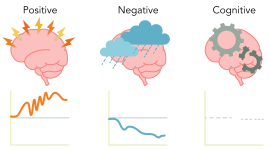
Research has shown that a patient who has schizophrenia, or another spectrum disorder, can experience episodes of unusual behaviors in cognitive and social functioning prior to the development of psychosis. This is called an “at-risk mental state” (ARMS), where the client may display changes in mood, anxiety, sleep disturbance, or behaviors that may transition to a mental health disorder. These changes gradually disrupt the person’s ability to function and may include episodes of psychosis. Schizophrenia is a chronic lifelong condition and a serious mental illness. Serious mental illnesses will be discussed later in this lesson.
Schizophrenia is typically diagnosed when a client is between 16 and 30 years old. It is more prevalent and appears earlier in biologically male clients than in biologically female clients. Diagnosis of schizophrenia is based on the DSM-5-TR criteria, which indicate that two or more symptoms must be present for a period of 1 month or longer with signs of continuous disturbance for at least 6 months. Clinical manifestation criteria are based on the presence of the following: "delusions, hallucinations, disorganized speech, grossly disorganized or catatonic behavior, and negative symptoms (i.e., diminished emotional expression or avolition)". In addition, the client must be impaired in one area of major functioning, such as self-care, work, and/or interpersonal relationships, for an extended period.
Due to the complexity of schizophrenic spectrum disorders and the clinical manifestations of psychosis, there are many misconceptions about people who have these disorders. When caring for clients with a schizophrenia spectrum disorder or psychosis, consider the following.
Persons diagnosed with schizophrenia can lead productive lives when treatment and support are available and sustainable.
Bias and preconceptions about schizophrenia often result in widespread avoidance of persons with these disorders which can result in limited health care access, underdiagnosis, and undertreatment.
Social isolation from others increases manifestations of psychosis, such as paranoia and negative thoughts.
Although persons with these disorders may manifest odd or unusual behaviors, they are no more dangerous than anyone else. Persons diagnosed with schizophrenia are 14 times more likely to be victims of crime or violence than the greater population. If the person experiencing schizophrenia becomes violent, the victim is usually someone in their family rather than a stranger. Over one-half of persons with a diagnosis of schizophrenia have a co-occurring mental health disorder.
The actual number of persons with schizophrenia may be undercounted due to a lack of permanent address, as they may reside in prison, in an institution, or have no housing.
The nurse needs to understand that schizophrenia is a serious condition that affects all areas of a person’s life. The client may totally lose touch with reality, leading to isolation, loss of relationships, and inability to work or enjoy life. The cause, diagnosis, and treatment of schizophrenia spectrum disorders will be covered later in the lesson.
Epidemiological and Etiological Risk Factors of Schizophrenia Spectrum and Other Psychotic Disorders
Page 1
It is impossible to predict with certainty who will develop a schizophrenia spectrum disorder. Genetics and environmental, biochemical, anatomical, and physiological factors may contribute to developing schizophrenia. With genetic predisposition, an individual is six times more likely to develop schizophrenia if a close relative has been diagnosed with it. Environmental issues may interact with genetics to increase risk. Evidence shows that schizophrenia can begin in utero if the fetus is exposed to maternal infections and starvation during pregnancy. Additional environmental considerations include stressful life experiences such as poverty, traumatic events, and sexual abuse. Recent studies link frequent cannabis (marijuana) use during a person’s teenage years and young adulthood with an increased risk of developing schizophrenia. Brain structure and function, as well as neurotransmitters, can also contribute to the development of schizophrenia. The stress that the body experiences during puberty may trigger the genetic expression of schizophrenia spectrum-related disorders in at-risk individuals.
Risk Factors and Etiology
Although the cause of schizophrenia is unknown, research suggests several risk factors may contribute to the development of the disease. These risk factors include genetics and physiological, biochemical, and environmental factors.
Genetics
Genetics is a risk factor for schizophrenia. Studies have found that no one gene alone causes schizophrenia but that several different genes may increase an individual’s chance of development. Genetic components are best understood as inherited factors that suggest a vulnerability for the individual to develop the disorder (diathesis). The genetic component for developing schizophrenia is also evident in studies with twins. These studies consistently show that twins have a heritability of schizophrenia of around 60% to 80%.
Physiological
Some evidence suggests that the development of schizophrenia may begin during neurodevelopment. Complications associated with pregnancy and births with hypoxic complications increase the risk for schizophrenia. Increased paternal age is also a possible risk factor. Prenatal and perinatal adversities, including viral infections, starvation, and stress, may increase the risk for schizophrenia. A recent study even shows that iron deficiency during gestation may contribute to schizophrenia. Adversities related to prenatal or early childhood (ACEs) are discussed in the lesson Trauma, Disaster, Crisis, and Related Disorder. For more information, see Physiology and Psychological Response to Stress.
Studies have shown that stressors and physiological factors alter brain functioning, and interactions with neurotransmitters change the brain, and they are considered a risk factor for developing schizophrenia. In schizophrenia, there is a decrease in gray matter volume in adolescence and early adulthood that influences both the structure and function of the brain. This leads to neural communication impairments and the development of cognitive deficits. Electrophysiological studies have shown that clients with schizophrenia have a disruption in the synchronization of neural activities. Synchronized neural activities are essential for normal cognitive processes.
There is a known link between autoimmune diseases and psychotic episodes. Autoimmune diseases with this known link include celiac disease, multiple sclerosis, systemic lupus erythematosus, Graves’ disease, psoriasis, Guillain-Barré syndrome, and hepatitis.
Biochemical
Stress sensitization occurs from years of experiencing stress in which the body becomes sensitized to stress. Although individuals' perception of stress remains unchanged, physical alterations in the brain happen as a result. This alteration in the brain has been found to play a role in the development of schizophrenia. Physical alterations to the brain include dysregulation of the hypothalamus-pituitary-adrenal axis, which involves the production of cortisol, a stress hormone produced by the adrenal glands. This leads to increased dopamine neurotransmission of the D2 receptors throughout the brain. Studies have also found that chronic stress or glucocorticoid levels result in the degeneration of hippocampal dendrites. This degeneration leads to a decrease in soma size and dendrite atrophy, which results in a volume loss in the hippocampus. The hippocampus is part of the temporal lobe and is responsible for learning and memory. A loss in volume in the hippocampus has been reported in those with schizophrenia.
Environmental
Environmental factors have been associated with the development of schizophrenia. There is a known link between high risk for developing schizophrenia and cannabis (marijuana) use. The use of cannabis does not cause schizophrenia, but research shows that the THC compound found in cannabis can result in an earlier diagnosis of schizophrenia spectrum disorder in clients who already have a genetic predisposition or other risk factors. The degree of exposure influences the risk in that heavy cannabis use may lead to a higher risk for psychosis. Further evidence shows that cannabis use at a younger age may increase risk.
Genetic vulnerabilities and factors of chronic stress place individuals at risk for developing schizophrenia. This is an example of the diathesis-stress model. Genetic and predisposing factors (diathesis) increase the vulnerability of the person, and when experiencing stress, there is an increased risk of developing schizophrenia. For more information, see Foundational Concepts of Mental Health Nursing and Physiological and Psychological Response to Stress. These factors may be sociocultural and/or stressful life events. An influencing sociocultural factor includes being a member of an underrepresented ethnic or racial group, as this is thought to stem from social disadvantages. A recent study found an increased risk among “first- and second-generation migrants compared to the native population”. People who grew up or live in densely populated cities are at elevated risk for schizophrenia, as well as those who live in poverty. Poverty typically results in inadequate housing and nutrition and a lack of resources for managing medical and psychological issues. Stressful life events may include traumatic events such as child abuse, bullying, and death of a loved one. These findings are consistent with the social determinants of mental health, which reflect the impact of and risks for developing mental health illnesses such as schizophrenia.
Schizophrenia is associated with health, economic, and social issues. Financial resources are required to support individuals with schizophrenia properly, and medical expenses are often higher for people with schizophrenia than for people with other chronic physical and mental illnesses. Financial strains include both direct and indirect costs (loss of productivity, needs related to social services, and involvement with the criminal justice system). The financial burden is usually prolonged since individuals are typically diagnosed in late adolescence and early adulthood, with symptoms persisting into adulthood.
Case Study Part 2
Jamal begins to gather information from Tim.
Jamal: Well, Tim. What can I help you with today?
Tim (with hesitation and apprehension, avoids eye contact): Something is wrong. I need help. I did so well in high school until my senior year. Then, I began forgetting plays in football, and my performance suffered badly. Now at college, I’m struggling. I never leave my dorm room much ... I just get lost in my own world.”
Jamal: You feel like you are starting to lose grasp of your daily tasks. What are some other difficulties or conditions that you experience?
Tim: I have Graves’ disease that is managed with medication. I was also diagnosed with depression and anxiety when I was in high school.
Jamal: Tell me about your family. Have they been previously diagnosed, or have they ever mentioned sharing some of the same difficulties that you are currently experiencing?
Tim: My father had schizophrenia but died by suicide when I was in ninth grade.
Jamal: I’m sorry for your loss. Losing a family member can be very stressful. How did you emotionally process your father’s death?
Tim: I drank alcohol and used marijuana before and after school and on the weekends.
Which of the following factors should the nurse consider when assessing Tim for schizophrenia? (Select all that apply.)
A
Age
B
Gender
C
Family history
D
Cannabis use
E
Environmental stress
Comorbidities
Schizophrenia is a leading cause of disability. In addition, schizophrenia poses an increased risk of premature mortality. In the United States, individuals who have schizophrenia have an estimated average potential life lost of 28.5 years. One reason for this reduced life expectancy is that people with schizophrenia often have medical conditions that are either underdiagnosed or undertreated. Medical conditions often associated with schizophrenia include metabolic syndrome, diabetes mellitus, hypertension, cardiovascular disease, and liver disease. Mental health disorders, including substance use disorder (nicotine), depression, obsessive-compulsive disorder, and anxiety, often are coexisting conditions with schizophrenia. Suicide is another cause of early mortality. In fact, 4.9% of individuals with schizophrenia die by suicide. Individuals are more likely to die from suicide in the early stages of the disease, while half of the individuals with schizophrenia often experience other behavioral and/or mental illnesses.
Clinical Presentation of Schizophrenia Spectrum Disorder
Page 1
Clinical Presentation
Schizophrenia
Schizophrenia is characterized by increased dysfunction cognitively, emotionally, and behaviorally. For a diagnosis of schizophrenia, the person must exhibit the following range of positive manifestations for the majority of the time during a period of at least a month, according to the Diagnostic and Statistical Manual of Mental Disorders, Fifth Edition Text Revision (DSM-5-TR).
Delusions
Hallucinations
Disorganized speech
positive manifestations
delusions
hallucinations
disorganized speech
These manifestations are usually present with disorganized motor behavior or catatonic behavior and other negative manifestations that distort emotions. Negative manifestations can also be referred to as Bleuler's fundamental symptoms of alogia, autism, ambivalence of feelings, and affect blunting. These manifestations usually affect the ability of a person to experience and express emotions and often affect work, personal relationships, or the ability to perform adequate self-care. Negative manifestations also often include a lack of motivation or disinterest in activities a person used to enjoy. They may not be able to express emotions appropriately, may withdraw from social situations, or may not speak much. Because of this, those who have schizophrenia tend to struggle with social interactions and relationships.
disorganized motor behavior
catatonic behavior
negative manifestations
autism
Understanding Positive and Negative Manifestations
Positive manifestations: “Added” to distort normal function, such as delusions and hallucinations
Negative manifestations: “Take away” or reduce a person’s experiences, such as a lack of emotion or motivation
A client’s behavior may be inappropriate in the context of a situation, such as laughing without reason or experiencing unusual sensations not related to any external stimuli.
Types of Delusions
Delusions are firmly held beliefs without evidence.
Persecution: Something or someone (actual or imaginary) is going to harm them
Grandiose: Believing they have exceptional fame, abilities, or wealth, including believing they are of royalty or a deity
Thought insertion/Withdrawal: Someone or something is giving or taking away thoughts or ideas
Control: An outside force is controlling their mind or parts of their body
Anxiety, depression, anger, cognitive deficiencies, disordered motor behavior, and disturbed sleep pattern are also common in conjunction with schizophrenia. A person may have difficulty processing information or paying attention. It may be challenging to perform daily activities, such as following a list of things to do at work or remembering appointments. Individuals may also be unaware of their manifestations (anosognosia), which may result in not participating in or following treatment or medication plan. Clients may display hostility or aggressive behavior and exhibit inappropriate behavior, such as laughing in the absence of humor. Depersonalization, derealization, and somatic episodes may be a part of delusional thoughts.
cognitive deficiencies
anosognosia
depersonalization
derealization
Manifestations of schizophrenia usually persist, at least on and off, for a minimum of 6 months. Because the clinical presentation varies in each person, it is necessary to recognize the various combinations of positive and negative manifestations and how they affect their ability to function. "Negative symptoms, seems to have the highest impact on functioning".
DSM-5-TR Criteria for Schizophrenia
Two or more of the following manifestations must be present for an extended portion of time during a one-month period. At least one of the first three manifestations listed must be present (see manifestations with an asterisk[*]).
Delusions*
Hallucinations*
Disorganized speech*
Grossly disorganized or catatonic behavior
Negative manifestations
In addition, the level of function in one or more major areas (interpersonal relations, self-care, work) must be impacted for a substantial period from the onset of the disturbance.
Continuous manifestations of illness for at least 6 months. (This can include prodromal or residual manifestations, which are attenuated forms of the manifestations described above.)
Common Positive and Negative Manifestations with Clinical Examples
Positive Manifestations of Psychosis
Clinical Manifestation | Example |
|---|---|
Disorganized perception Manifestations of exaggerated or distorted perceptions, beliefs, or behaviors | |
Delusions: false beliefs or ideas that create confused thought or blocking of reality | A client who believes they are the Queen of Moldovia. |
Hallucinations: experiences of hearing, seeing, smelling things that are not present | A client reports hearing voices when no one is in the room. |
Disorganized thought and speech Inability to remember, recall, or organize thoughts that are often most evident in speech patterns | |
Echolalia: speech repeats or echoes what was said or heard | A client repeats or mimics words or sounds heard on the TV in the community room. |
Pressured speech: increased rate and amount of speech like a train getting faster with more power | “I want to go to my room. I must leave! I got to go now! LET ME GO RIGHT NOW!!!” |
Tangentiality: speech response off point and seems to go in multiple directions not connected | “My mother loves to cook. The road is outside my house. Have you ever been to Mars?” |
Loose association: spontaneously loses focus and shifts topics or ideas that are loosely connected | “My dog is named Dakota. Have you been to North Dakota? I love to travel. Insurance when you travel is important.” |
Incoherency (word salad): speech lacks connection at the basic level and is “jumbled” together | “Trip it down flight canoes doggy winter spice….” |
Clanging speech: speech with sounds or words that rhyme rather than meaning | “Biggy, Diggy, Piggy, Figgie, Biggy, Giggy, Riggy” |
Circumstantiality: extensive wandering speech that eventually gets back to the topic | “Mom, I’m home. Home is where the heart is. If you don’t eat well, you will hurt your heart. Hearts are for Valentine’s Day. I love my mom. Hey, mom, I am home!” |
Neologism: making up new words or phrases | "The banterwaggle is totally clagified.” |
Disorganized Behavior A broad array of behaviors which result in a decline in daily functioning | |
Catatonia: a decrease in reactivity to external stimulate resulting in either lack of movement and severe rigidity or hyperactive unrestrictive movement | A client sits in a chair for hours staring out the window, seemingly unwilling or unable to move. |
Lack of impulse or control: lack of inhibition or filters resulting in odd or uncontrolled behaviors usually inappropriate for the situation | A client is walking through the community room and puts their hand in another client's food. During a group session, a client suddenly disrobes their clothes without stimulation. A client is observed eating breakfast and pours their oatmeal onto their own head. |
Negative Manifestations of Psychosis
Clinical Manifestation | Example |
|---|---|
Apathy: lack or decreased interest or attention to activities once thought important | A client who stops going to school or work. |
Anhedonia: inability to find pleasure where they once may have had | A client does not demonstrate pleasure when a beloved family member visits. |
Alogia: lack of lanuage skills, often called “poverty of speech” | A client rarely speaks, and gives simple, short answers when necessary to reply to a question. |
Flat affect: lack of expression or emotion, blunting | A client watches a funny television show with others and does not laugh or smile when the others do. |
Self-neglect: decreased or lack of self-care | A client comes to an appointment and has not bathed or combed their hair and is wearing dirty clothes. |
Avolition or psychomotor retardation: lack of motivation, energy, slowed movement, slowed thought process | A client is unable to start or complete tasks, such as making their bed. |
Reduced speech: little or no interest in conversations or talking with others | A client who sits at table with others and does not talk or respond to others. |
Sort the following symptoms of schizophrenia into the appropriate category. (Drag the options to the desired category.)
Flat affect
Confusion
Hallucinations
Lack of emotions
Monotone voice
Paranoia
Difficulty concentrating
Lacks logical thinking
Distorted perceptions, beliefs
Positive
Negative
Cognitive
Phases of Psychosis in Schizophrenia
The experiences of psychosis are significant aspects of schizophrenia, which are best thought of as phases. The psychotic episode, or psychosis, rarely happens without warning, and changes in the individual can be subtle and occur over time. Each phase provides insight for the nurse into what is happening with the client. This helps determine what nursing interventions and care would be most appropriate during each phase.
The prodromal phase comes before an active phase of the disorder, and the development of the illness may be acute or insidious. Common manifestations include disruption of sleep, loss of concentration, and increased anxiety. The onset of this initial phase occurs before many of the more observable or severe symptoms of schizophrenia. Hallucinations or delusions may occur in the prodromal phase but are usually milder in nature and less noticeable. A person in this phase may express unusual disturbances of perceptions, such as sensing an unseen person in their presence. Their speech may be slightly vague, although coherent in general, and their behavior may be unusual or uncharacteristically withdrawn. When a person exhibits these behaviors, it is often the first sign of the emerging disorder or any disturbance. At this point, there are not sufficient criteria for a diagnosis. Instead, these cues suggest the start of psychosis.
prodromal phase
Common manifestations include:
Disruption in sleep patterns
Decreased motivation, concentration, daily functioning
Increased suspicion of others or situations
Increased isolation (often the first sign of impending psychosis)
Increased anxiety
Negative manifestations begin to emerge
The active phase of schizophrenia occurs when more severe and noticeable episodes of hallucinations or delusions happen with regularity. Mood manifestations (depression, mania) can occur, and speech and behavior are disorganized. The individual can also occasionally experience mood alterations such as depression, mania, or episodes, but these symptoms do not usually persist throughout the entire active phase. Perception is frequently distorted, and speech and behavior are disorganized. For example, a person may be seen mumbling incoherently to themselves in public without any awareness that they are doing so.
The residual phase follows the active phase. This phase is similar to the prodromal phase in which manifestations include less severe hallucinations or delusions. Perception can still be somewhat altered, and negative manifestations are often common, including social difficulties and lack of attention. A person may exhibit a lack of emotional expression or misinterpret social cues during this phase. The client may be able to cope with daily life with continued support and treatment.
residual phase
Place the phases of schizophrenia in the correct order. (Drag the options into the correct order.)
Residual
Prodromal
Active
1
2
3
Schizophrenia Spectrum Disorders
Page 1
Schizoaffective Disorder
Schizoaffective disorder is a separate diagnosis from schizophrenia. However, it shares many of the same characteristics (negative and positive symptoms), making it difficult to differentiate between the two disorders. Schizoaffective disorder involves an impairment of mood or affect. As with all schizophrenia spectrum disorders, psychosis is a prime manifestation. The main difference between schizophrenia and schizoaffective disorder is that a major depressive or manic episode happens at the same time as active phase manifestations of delusions, hallucinations, or disorganized speech. The psychotic symptoms persist in the absence of depression or mania. These manifestations also occur for the entire time that the individual is in the active phase.
Schizoaffective disorder often causes impairment of function, but negative symptoms are often less severe than they are with schizophrenia. Anosognosia is present but is less severe. Like schizophrenia, individuals who have schizoaffective disorder are at an increased risk for developing other mental health conditions, such as major depressive disorder and bipolar disorder, that can make definitive diagnosis and treatment difficult.
Brief Psychotic Disorder
Brief psychotic disorder, or brief psychotic break, has similar symptoms to schizophrenia. With a brief psychotic break, delusions, hallucination, or disorganized speech may occur along with grossly disorganized or catatonic behavior. An episode usually involves a sudden onset and may be accompanied by strong emotional turmoil or extreme confusion. However, the difference between a brief psychotic break and schizophrenia spectrum disorder is that the duration of the symptoms is much shorter, only lasting from one day to less than a month.
sudden onset
Psychosis From Other Causes
Not all psychosis is related to a schizophrenia spectrum disorder diagnosis. Other disorders or conditions may manifest similar symptoms of psychosis. Conditions that can cause psychosis include mood disorders, medications, substance use, medical/physiological conditions, and other mental health conditions. The symptoms are the result of medication or substance exposure or an underlying medical condition.
Major Depressive Disorder
Major depressive disorder may include similar features of psychosis found in schizophrenia spectrum disorders. A client experiencing major depressive disorder has a significantly depressed mood for much of the time and does not find pleasure or interest in life. The client experiences episodes of psychosis such as hallucinations which occur during the depression, and the client loses touch with reality.
depressed mood
Bipolar
Bipolar disorder may also, at times, cause psychotic or catatonic symptoms in a client. Characteristics of this disorder include both manicand depressed mood episodes. However, like major depressive disorder with psychotic features, delusions or hallucinations only occur when the client is experiencing a mood disturbance, either during mania or severe depression. Although mania can result in delusions or even hallucinations, these impairments of perception are directly related to the manic episode.
manic
Other Causes of Psychosis With Examples
Psychological | Medical Conditions | Substances |
|---|---|---|
Major depressive disorder | Epilepsy | Medication |
Bipolar disorder | Electrolyte imbalance | Alcohol |
Stress or trauma | Diabetes | Inhalant toxins |
Lack of sleep | Dementia | Hallucinogenic |
Match the clinical manifestation of psychosis with the correct description. (Drag the options to the desired category.)
Mania
Depression
Anosognosia
Delusion
Hallucination
False belief, a distortion of thought not supported by reality
High energy of extreme mood and emotions
Feelings of sadness and loss of interest
False perception that something not really present is affecting senses
Lack of insight, unaware of disorder or symptom
Medication
Medications that a client has been prescribed can occasionally cause unwanted psychotic effects, such as delusions or hallucinations. Various common prescription medications, such as those used for anesthesia, pain, epilepsy, allergies, blood pressure, Parkinson's disease, chemotherapy, gastrointestinal disorders, muscle relaxation, inflammation, depression, or alcoholism, have been reported to cause psychotic episodes in some people. Over-the-counter decongestant medications, such as phenylephrine or pseudoephedrine, can also have the same adverse reaction. A medical history with questions involving all of a client’s medication use, both prescription and over-the-counter, should be taken and evaluated in order to rule out medication-induced psychotic symptoms.
Substance Use Disorder
Some substances, such as drugs or alcohol, can cause severe delusions or hallucinations that mimic those related to schizophrenia spectrum disorders. This is especially true with sedatives, hypnotics, anxiolytics, stimulants, or alcohol. Toxins from inhalants, such as carbon monoxide, or volatile substances found in fuel and paint can also cause psychotic symptoms. The difference is that these substance-induced symptoms develop and continue only while using the substance or shortly after or during the withdrawal period. The symptoms eventually resolve; although, flashback hallucinations can occur long after hallucinogen use.Separating psychotic symptoms from substance use or schizophrenia spectrum disorders can sometimes be difficult because individuals with schizophrenic disorders are at a higher risk of developing a substance use disorder.
Medical/Physiological Conditions
Physiological conditions can result in hallucinations related to sensory modality. For example, temporal lobe epilepsy can result in olfactory hallucinations. Other conditions, such as neurological disorders, endocrine or metabolic conditions, fluid or electrolyte imbalances, autoimmune diseases, or liver or kidney disease, have all been reported to cause psychotic symptoms in some people. Dementia may be mistaken for psychosis because it results in a loss of cognitive function. Delirium is a temporary disturbance in a client’s awareness of reality that results in confused thinking and may result in misdiagnosis. (For more about delirium and dementia, see the Neurocognitive Disorderslesson.) Generally, resolving the underlying medical or physiological condition resolves the psychosis. There appears to be a higher prevalence of psychosis related to medical conditions among older adults due to the physiological implications of advanced age and the accumulative effects of the underlying condition.
sensory modality
Other Mental Health Conditions
Other mental health disorders, such as posttraumatic stress (PTSD), autism spectrum, or obsessive-compulsive disorder, may also include symptoms of psychosis. Posttraumatic stress disorder involves hallucinatory-type flashbacks related to a traumatic event. Autism spectrum disorder or other communication disorders result in similar negative symptoms and deficiencies in communication, cognition, and social interaction. However, these disorders do not feature prominent hallucinations or delusions. Obsessive-compulsive disorder or body dysmorphic disorder may include preoccupations that become delusions. However, these are related to particular obsessions, such as compulsive behaviors, preoccupations with appearance, hoarding, or other repetitive behaviors. For more information, see Trauma, Crisis, Disaster, and Related Disorders; Personality Disorders; and Neurodevelopmental Disorders.
Which of the following can include symptoms of psychosis and is characterized by feelings of prolonged intense sadness?
A
Medication adverse effect
B
Major depressive disorder
C
Hallucinogenic drug use
D
Brief psychotic break
Interdisciplinary Team
Collaboration
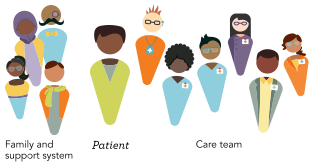
For the best care possible for a client diagnosed with a schizophrenia spectrum disorder, the client’s entire health care team needs to work together. Nurses should work with other clinicians who specialize in mental health care, and everyone must communicate and work together in planning treatment, implementing therapies, and evaluating outcomes. Medication adherence can be increased when complemented with psychotherapy. Nurses are key in identifying and collaborating with other professionals to address medical/physiologic issues that are significant among clients with serious mental illnesses.
Because of the complexity of these disorders, a client benefits the most from a coordination of care and treatment team made up of members from different disciplines. In addition to psychotherapy and pharmacotherapy care, occupational skills training can enhance outcomes. Nurses should remember that social workers, case managers, and community organizations can assist clients at risk for homelessness and help them integrate into the community. For example, a nurse can request a referral for a client to a dietitian for weight gain, a therapist or neurologist for memory deficits, or an endocrinologist for diabetes management. Specialists should also address negative symptoms and cognitive deficiencies. Many of the medications used to treat these disorders have adverse effects that can be managed to lessen their impact on the client’s function. This often requires a combination of talking therapies, such cognitive behavioral therapy and medication management.
Diagnostic and Laboratory Testing
No one specific test can be used to diagnose schizophrenia spectrum disorders. However, tests can be used to help rule out any underlying conditions for psychosis. A diagnosis relies on clinical assessment. Note, however, that exposure to substances like drugs or alcohol can be ruled out with a blood test.
When developing a plan of care, obtain a medical and psychosocial history and conduct a mental status assessment (MSA). (These assessments are discussed in the Nursing Process lesson.) A client history provides insight into any history of suicide, hallucinations, substance use, and prior mental health issues. The MSA provides important insight into client appearance; speech patterns; affect; mood; and thought content and thought processes.
Although not regularly used for diagnosis, some providers may include neurological imaging. Neurological imaging includes MRI (magnetic resonance imaging), EEG (electroencephalography), or CT (computer tomography) and can show patterns of evidence suggesting schizophrenia spectrum disorders in the brain, although imaging is not used for diagnosis. Abnormalities in white matter and specific thalamic regions have been found in clients, and this is useful in helping to confirm a diagnosis. A CT scan combines different radiographic images to form “slices.” MRI uses a magnetic field and computer-generated radio waves to show detailed images, and a PET scan uses a dye containing radioactive tracers injected into the body. These scans are often done to rule out any suspected intracranial abnormalities.
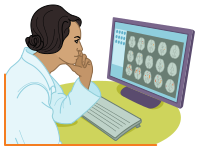
Although not used for diagnosis, neurological imaging can show evidence of schizophrenia.
A PHYSICIAN LOOKS AT NEUROLOGIC IMAGES
Abnormal movement has been associated with clients with schizophrenia spectrum disorders. Although abnormal movements are associated as a side effect of antipsychotic medications, these movement abnormalities can occur independently in the course of the disorder. The following are examples of abnormal movements related to schizophrenia spectrum disorders.
Catatonia – increased (repetitive) or decreased (immobility, rigidity) amount of involuntary non-goal-directed movement
Tardive dyskinesia – excessive involuntary movements often described as jerky, most often in facial muscles (tongue extended and lip-smacking) or arms and legs
Parkinsonism movement – slowed or reduced ridged movement
Motor skill tests can also help assess a client who is suspected of having schizophrenia or other psychosis. People who have schizophrenia often show noticeable differences in eye-tracking, coordination, sensory function, the ability to perform complex movements in a sequence, and left-right awareness. Abnormal Involuntary Movement Scale (AIMS) provides an assessment of abnormal movement and is considered safe and valid for assessing abnormal movements such as tardive dyskinesia. For more information, see Pharmacology.
Case Study Part 3
Jamal: Let’s talk about the symptoms you are experiencing. Tell me, do you ever hear or see things that others do not see or hear?
Tim (quietly): Yes, I know it’s not real, but I do hear someone talking sometimes. It’s like they are far away, but I know it’s coming from inside, not outside my head. Sometimes I see things too.
Jamal: That must be confusing. Tell me more about these sights and sounds that you know are not real.
Tim: There was this one time that it seemed like there were birds in my room, perched on the walls, and flying around. I don't think it was real though. But they were everywhere, then just disappeared. I’ve never told anyone about this. Does this mean I’m crazy?
Jamal: You have a lot of courage to speak to others about these experiences. What I do know is that I am concerned about your safety. It’s important for you to better understand what you are experiencing so we can work together to help you.
Which of the following symptoms of schizophrenia is Tim describing to Jamal?
A
Delusions
B
Disorganized speech
C
Catatonia
D
Hallucinations
The Nurse’s Role
Page 1
When managing and coordinating care for clients who have been diagnosed with schizophrenia spectrum disorder, remember that these are people who have a serious mental illness, and the illness does not define the person. Nurses are perfectly positioned to advocate for clients who have schizophrenia at the institutional, community, state, and federal levels. Remember, schizophrenia is a debilitating chronic condition that impacts all aspects of the client's life. Individuals who have a serious mental illness often face disparities that contribute to a shorter life span.
While there may be a range of diagnoses, nursing care must focus on the following.
Creating and maintaining a safe therapeutic relationship
Ensuring a safe, calm, therapeutic environment
Advocating and supporting early detection of psychosis
Ensuring assessment, including mental status examination is complete and thorough
Providing interventions that focus on stabilizing and managing the client’s current condition
Providing support to the client toward recovery, self-management, and engagement
These elements describe the role of nursing that must include providing equitable, culturally appropriate nursing care and building therapeutic nurse-client relationships. Each of the following considerations offers insight into client concerns that the nurse must keep in mind when providing holistic client-centered care.
Equitable, Sensitive Care Based on Clients’ Needs
Nurses must complete a comprehensive assessment to ensure that equitable, sensitive care is planned and delivered. The nurse should obtain information about the client's cultural, mental, physiological, psychological, social, and spiritual status. Cultural formulations, interview (CFI) strategies, and motivational interviewing (MI) are discussed in the lesson Building Therapeutic Relationships. Strategies such as CFI assist the nurse in understanding and addressing the often-hidden aspects of a client's social or cultural challenges. For example, ask, “What are your cultural or religious beliefs that the care team should be aware of so that we can support your care needs?” and “Do you have any difficulties with food or housing?” The CFI asks questions that encourage the patient to become active in their care and shows compassionate care from the health care team. This information also provides insight into the client's guiding principles and how these principles, practices, and struggles impact health.
Depending on the client’s acuity, family members, friends, health professionals, or others may be able to provide some background information about the client's cultural beliefs, values, and health history if the client is agreeable and signs a consent form. Because some risk factors associated with schizophrenia are nongenetic, there is a great need for the nurse to collaborate across social sectors and address causative factors that impact work, home, and community life.
Social determinants of mental health greatly impacts client health. By knowing where deficits exist, nurses can deliver equitable, sensitive care and collaborate across different sectors to identify and deliver supportive resources for clients. While collaborative intervention supports the achievement of health equity, other factors, such as unconscious bias among health care clinicians, are a major barrier to safe, efficient, reliable, and quality care and must be resolved. Serious mental illness, social determinants of mental health, and barriers to client care will be further discussed later on in the lesson.
social determinants of mental health
health equity
unconscious bias
Living Conditions
While some information may be sensitive, it is essential the nurse asks about the client’s current living situation. For example, the nurse can ask, “Where do you live? Do you feel safe in your environment?” Assessment of living situations when combined with improving household environments has been shown to improve the person’s well-being and feeling of self-worth. Living under harsh conditions in an unsafe environment results in increased psychological stress. Stress impacts all body systems. Exposure causes pathophysiologic changes to the brain, and these changes are outwardly expressed as cognitive, mood, and behavioral changes. These factors lead to chronic stress that is placed on individuals and puts them at risk for developing schizophrenia. For more information, see Physiological and Psychological Responses to Stress.
Food Insecurity
The nurse should ask about food insecurity related to the availability and affordability of healthy foods. Those with severe mental illness such as schizophrenia experience numerous risk factors that may predispose them to food insecurity. Recent studies suggest that systematic screening of basic needs and providing resources or referrals result in lower health care costs, lower health care utilization, and improved health outcomes. For example, ask, “Do you have access to healthy foods?” Access includes a grocery store within a particular radius in the community as well as transportation to get to the grocery store. Again, ask, “How often are you able to eat healthy foods?” Research suggests that the inability to access and eat healthy foods increases stress and the risk of developing chronic conditions such as obesity, cardiovascular, gastrointestinal, renal, and neurological and mental health disorders.
Education/Employment
Assessing the client's level of education is important because it may impact the individual's ability to obtain employment. Those with schizophrenia may have cognitive impairment that affects their memory, ability to plan, and how they work. The client’s understanding and cognition will affect how the nurse should provide information to them. The nurse needs to use layman's terms when communicating with clients who have different levels of education. This allows the client to process, understand, and apply the information. The client’s perception and connection to what is real will differ during each phase, so the nurse should be mindful of the phase the client is in. For more information, see Building Therapeutic Relationships.
The nurse should obtain information about the client's occupational status and the type of work that the client has performed by asking, “What do you do for a living?” Understanding what a person has or has not done for a living can help identify potential risks and plan treatment options.
Phases of Therapeutic Relationship
One of the first steps in guiding clients with schizophrenia spectrum and psychotic disorders is building a trusting relationship between the nurse and the patient. Pertinent qualities to incorporate in the nurse-client relationship include, but are not limited to, respect, trust, professional intimacy, empathy, and power (College of Nurses of Ontario, 2019).Health care professionals are advised to pay particular attention to clinical manifestations to nurture a stable and positive therapeutic relationship. Psychiatric emergencies have been defined as an acute disturbance of behavior with possible damage to functioning. This often results in the client not understanding content or altering the client's perception of reality. The therapeutic relationship has been consistently shown to be challenging with a patient’s increasing symptom severity. This may be additionally aggravated by the patient's acute deterioration of clinical state.
The foundation of the nursing-patient relationship follows Peplau's theory of interpersonal relations. For more information, see Building Therapeutic Relationships.
Orientation
Identification
Exploitation
Resolution
During the orientation phase, the nurse working with a client experiencing schizophrenia builds a therapeutic alliance with the client. This alliance should include the client, family or significant friends, and the health care team. The use of therapeutic communication skills to establish a collaboration that fosters recovery is essential. The greatest impact on this relationship may be two-fold: 1) the nurse’s bias or understanding of the mental illness or the client’s experiences and 2) the client’s challenge to express their experiences, symptoms, and concerns to consider changes needed. The chief goal is for the nurse to understand the difficulties facing the patient and develop a working alliance with the patient. The following are obstacles to developing therapeutic relationships.
Client does not recognize the need for assistance and blocks alliance
Family or friends are unable or unwilling due to client history or symptoms
Clinical manifestations of psychosis (positive or negative symptoms)
Health care team’s feelings or bias
Cognitive deficit of client
The identification phase can be challenging as it is necessary for the client to be aware of the issues they are facing and see the impact of the disorder and set goals for recovery. This may be difficult as the client may be unable or unwilling to understand the disorder or recognize the impact on themselves. The nurse must consider the phase of psychosis the client may be exhibiting and the effect on their ability to function and communicate. The nurse must also consider any clinical manifestation of positive or negative symptoms of psychosis. The goal during this stage is to assist the client in understanding and being aware of their condition while keeping the client safe and collecting needed data (assessment). This may involve the client’s family, friends, and entire interdisciplinary team. The identification phase may overlap other phases of the nurse-client relationship depending on the client's ability to function.
The exploitation phase suggests the client explores interventions (medications and therapies) and learns how to recognize triggers and express difficulties and need for assistance. Interventions are based on keeping the client safe, setting clear limits on what actions and behaviors are acceptable, and clearly explaining the plan of care. The goal is to work with the client toward recovery and learn to live with a serious mental illness.
During the active phase of psychosis, the client may be a danger to themselves or others and require hospitalization. These hospitalizations may be involuntary. For more information, see Client and Mental Health Team Member Safety: Legal and Ethical Considerations. This can threaten the therapeutic alliance made, as the client may feel their trust has been compromised. The nurse’s role is to continue the alliance and reestablish any loss of trust, thereby ensuring the client’s safety. Challenges during this phase are similar to those in the orientation phase and include the following.
Client unwillingness or inability or lack of insight in following plan of care
Client unwillingness or inability to follow plan for medications due to side effects, lack of insight, or negative symptoms of psychosis
Relapse of psychosis
The nurse and health care team’s focus is on continuing a therapeutic alliance to support the client by encouraging the client with strategies to manage relapse; encouraging family or significant others to support themselves and the client in self-care activities; and promoting psychosocial education that focuses on increasing client insight and adherence to the plan of care.
The resolution phase assumes that the client's needs and recovery have been met and the client is able to live on their own with the disorder. Due to the chronicity of schizophrenia, a recovery-oriented approach is needed to ensure support and services are available throughout the client's lifetime. The therapeutic relationship and alliance provide a foundation for assisting the client in improving their day-to-day function.
Match the phase of the nurse-client relationship with its description. (Drag the options to the desired category.)
Introduction of the client and nurse, observes client, and completes assessment recognizing cues of the clinical manifestations of psychosis.
Client recognizes the connection between behaviors, adherence to medication and treatment plan, and has access to resources in the community.
The nurse prepares to meet with client and examines their own thoughts and feelings regarding a client diagnosed with schizophrenia.
The nurse, health care team, and client consider and develop a plan of care, assess barriers or concerns, and collaborate on determining solutions.
Orientation
Identification
Exploitation
Resolution
Therapeutic Presence
The nurse can support the client by genuinely accepting the client as an individual person, actively listening, and understanding what the client is trying to convey without judgment. By incorporating these elements into the nursing care environment, the nurse is able to create an environment that promotes health and supports the client’s recovery.
Therapeutic Communication
Communication is a critical factor when working with clients with serious mental illnesses. Communication exchanges must be done with sensitivity and empathy so that the client feels understood. It is important for the nurse to remember that communication involves the exchange of thoughts, concepts, and ideas through verbal and nonverbal gestures.
There are multiple elements of communication that include the sender, message, channel, environment, and feedback. The communication process may be impaired depending on the client's state. When the client is experiencing a delusion or hallucination, be direct when speaking. Nurses should call the client by name, and remember not to touch the client. Nurses should never argue with a client about delusional or hallucinatory episodes. Instead, the nurse should address the client's feelings about the episode and then reorient the client, providing reassurance in an empathetic manner that the environment is safe. Include clients in their care by supporting healthy client-driven goals such as utilizing effective coping strategies.
Direct Communication Techniques
“What are you hearing?”
“What are you seeing?”
“How does this make you feel?”
Communication Tips
Stay calm and be patient.
Actively listen to concerns.
Do not negate what the client is experiencing.
Use simple words and speak clearly.
Give direct messages.
Avoid arguments.
Respect personal space.
A client in the psychiatric unit says to the nurse, “Listen, they are coming for me! Did you hear that?”
Which of the following responses should the nurse make?
A
“Did I hear what?”
B
“What did you hear?”
C
“There is no one coming for you.”
D
“It’s okay. You are hallucinating.”
Teamwork and Self Reflection
Throughout client care, safety and ensuring a therapeutic milieu are priorities. The nurse should partner with the interdisciplinary care team to establish a comprehensive plan of care. Once the plan of care is initiated, the nurse should regularly assess and monitor the client's status and report updates to the care team. Because of the challenges a client will face following discharge, it is essential to begin planning for discharge early in the inpatient stay. Clients may experience relapses related to unmet needs within the social determinants of the health sector. Unmet client needs often result in frequent readmission that can be costly.
Nursing can be very stressful, resulting in physical, emotional, and spiritual exhaustion for the nurse. Just as the nurse is responsible for keeping the client safe, the nurse must also practice safely. It is essential that nurses engage in regular activities that promote self-care. Participating in open discussions where negative and positive feelings are addressed, taking personal time off, practicing mindfulness, journaling, reflecting, eating healthy foods, and keeping the body hydrated are a few ways that nurses can practice self-care.
Prevention, Treatment, and Continuum of Care
Clients diagnosed with schizophrenia are at great risk of poor quality of life. When a person with schizophrenia is able to live a mostly independent life, hold a job, and maintain relationships, their condition is often referred to as “high functioning". Nursing care focuses on helping the client and the client’s caregiver understand the diagnosis of a schizophrenia syndrome disorder and psychosis as well as the treatment plan. The treatment team works collaboratively with the individual to make treatment decisions, involving family members as much as possible improving quality of life. Quality of life encompasses factors such as financial management, independent living skills, supportive relationships, and regular health-related activities such as healthy eating and exercise. The nurse and the care team should also collaborate with the client to develop a relapse prevention plan and promote active participation in therapy sessions. The client should understand that the goal is to develop effective coping skills, identify and use supportive resources, and apply strategies to prevent severe symptoms and enhance their quality of life.
Prevention of schizophrenia or schizophrenia spectrum disorders has not been established. As these disorders have a strong genetic link, evidence suggests that screening and early intervention appear to be the most effective way to prevent the progression of the disorder.
Treatments and Therapies
Management of clients diagnosed with a schizophrenia spectrum disorder often involves a combination of therapies and medical treatments. Medical treatment often involves the use of antipsychotic medications, therapies such as cognitive-behavioral therapy, and family education and support.
A recovery-oriented approach focuses on symptom management and quality of life and incorporates a multifaceted approach to patient care. This type of care is best for individuals in the early stages of schizophrenia who have experienced an episode of psychosis because early treatment has been linked to the best client outcomes. These programs assist the client in managing medications. They also provide individual, family, and group psychotherapy; nutritional and dietary education; case management; education; and employment support services.
Likewise, assertive community treatment assists individuals who have repeated hospitalizations or who are without housing. In this treatment, an interdisciplinary team works to provide community resources to individuals with schizophrenia with the hope of reducing hospitalization and homelessness.
assertive community treatment
Cognitive Behavioral Therapy
Cognitive-behavioral therapy involves assisting the client in changing their thinking, feeling, and behaviors. For a client with a schizophrenic spectrum disorder experiencing delusions, a technique known as cognitive restructuring is used that challenges the delusion or negative thought and helps the client develop more realistic and positive ones.
Interventions
Interventions are determined by the assessment of the client’s awareness and capabilities. Safety is always a priority. Through observations, interviews, and discussions with the client, family, and caregivers who are close to the client, the nurse will be able to understand concerns and identify resources needed to help the client achieve optimal goals. Once a holistic assessment is conducted, the nurse will better understand the client's cultural, mental, physiological, psychological, social, and spiritual status and communicate this to the interdisciplinary care team. By invoking a balance of transparency and empathy, the health care team can develop a therapeutic relationship that supports the client's prognosis.
Interventions for the care of the client experiencing a schizophrenic spectrum disorder can include:
Establishing and maintaining a therapeutic milieu, including a calm environment with reduced stimulation (such as noise and TV activity), based on client condition and clinical manifestations of psychosis
Frequently checking on client to ensure safety
Monitoring client includes data collection, vital signs, neurological vitals, mental status assessment, suicidality, and evidence of clinical manifestation of psychosis
Encouraging client to use symptom management strategies
Administering medication
Evaluating the client’s response to interventions (medications)
Providing education to client and family regarding the disorder, positive and negative symptoms of psychosis, medications, treatment
Encouraging clients to engage in social and support groups and activities
Communicating with the health care team
The nurse may need to request one-to-one observation for clients at risk of self-harm or harm to others. In the inpatient therapeutic environment, the nurse should remove all items that could result in self-harm or harm to others, such as sharp objects, cords, nonvisible areas, and secure windows and entry/exit points. Clients experiencing hallucinations or delusions should be placed in well-lit areas. Aside from safety, it is also important for the client to feel loved and that they belong in their environment. Dignity, self-esteem, and their ability to become self-actualized should be considered. When the client has psychological challenges, physical needs must still be met. The nurse should offer food and drink and ask the client if they need to use the restroom. It is important to remember that schizophrenia is an illness that causes clients to have impaired cognitive processing that manifests as inappropriate behaviors.
Symptom Management
Clients living with schizophrenia spectrum disorders may present with positive, negative, or a combination of both symptoms. Pharmacotherapy is used to treat symptoms because medications can not cure the disorder. Antipsychotic medications are used to treat positive symptoms of psychosis. First-generation antipsychotics, also called neuroleptics, are known as typical antipsychotics. They include phenothiazine , chlorpromazine, and haloperidol (Haldol). For more information, Psychopharmacology. Second-generation antipsychotics or atypical antipsychotics, such as risperidone, clozapine, and olanzapine, treat positive and negative symptoms. Antidepressants and mood stabilizers may also be added to address depressive or manic symptoms. For more information, see Psychopharmacology.
atypical antipsychotics
The nurse should monitor the client for side effects and reductions of symptoms and report changes in the client's condition to the care team at regular intervals. It is pertinent to understand that recovery is an ongoing process. Some medications can take up to six weeks to demonstrate therapeutic effects. At times the client may not appear actively symptomatic; however, the interdisciplinary care team should continue to provide active and needed support.
Interventions for Hallucinations and Delusions
When clients are hallucinating or experiencing delusions, the nurse should focus on the client’s response and safety. The therapeutic milieu and nursing presence are core foundations to see beyond the client’s clinical manifestations to address the client’s feelings and experiences of despair, hopelessness, and confusion due to the alterations in reality. Nursing interventions for the client experiencing delusions or hallucinations acknowledge the client’s experiences as a component of the disorder or current experience, despite the fact that the nurse does not share the same belief. This promotes trust in the therapeutic relationship.
Clients Experiencing Delusions: Nursing Considerations
Establish and maintain a trusting relationship.
Acknowledge observation of the delusion behavior.
Avoid arguing or disagreeing with the client.
Assure the client they are safe.
Acknowledge the delusion with a response that is based on fact. For example, when responding to a client who is having paranoid delusions, the nurse might respond with the presentation of what is factual, e.g., "Yes, there is a new client on the unit. They are not asking about you."
Believe the client’s experience by acknowledging the experience of the delusion without validating it is true.
Recognize type of delusion.
In initial assessment, determine details about the delusion.
Try to understand what has triggered the delusion.
Encourage client to talk about feelings as delusions can cause fear or anxiety.
Determine how delusion is affecting the client.
Assess the client’s ability to function.
Assess the client’s relationships.
Determine changes in client behaviors from the delusion. This includes determining triggers such as TV, visitors, or situations.
Document delusions frequency, intensity, and duration.
Develop strategies to manage delusion.
Encourage the client to participate in activities based in current moment.
Use mindfulness and bring client to recognize or talk about immediate reality such as current location, weather, their own breathing – emphasize the client is safe.
Promote problem-solving based on observation of what trigger delusions such as not watching TV, going for a walk with a friend, or participating in CBT group.
Remove environmental triggers such as noise and TV.
Management for Clients Experiencing Hallucination
Establish and maintain a trusting therapeutic relationship.
Acknowledge observation of the hallucination behaviors.
Avoid arguing or disagreeing with the client.
Assure the client they are safe.
Avoid touching the client without warning as this may be seen as a threat.
Ensure all communication is clear, calm, and simplified as the client may have difficulty with concentration.
Recognize the client is experiencing a hallucination.
Observe for clues of clinical manifestation such as talking to someone who is not there, eyes looking back and forth as if seeing something, or listening to someone who is not there.
Directly ask the client if they are hallucinating. Example: “What are you hearing?”
Acknowledge the hallucination without responding as if the hallucination is real. Example: “I do not see a wolf in the room. I understand that this must be scary and uncomfortable.”
Determine how hallucinations are affecting the client.
Assess the client’s ability to function.
Assess the client's relationships.
Determine changes in client behaviors from the hallucinations. This includes determining triggers such as unfamiliar people or new noises in the environment.
Document hallucinations frequency and type.
Develop strategies to manage hallucinations.
Encourage client to identify triggers and symptoms.
Provide distractions for client when hallucinating, such as going for a walk or doing a simple activity.
Promote problem-solving based on observation of what trigger delusions.
Create healing environment with low stimuli, well-lit room, diminished noise, lower activities.
Encourage client to determine if what they are experiencing is real through checking with trusted others. This is known as reality testing.
Client Teaching
Nurses are client educators responsible for providing clients and their families with vital information involving various activities such as discharge instructions, medication, diet, and exercise regimens. Education must begin with the client and family learning about the disorder and clinical manifestations. Nurses provide education on recognizing signs of relapse such as sleep disturbances, negative thoughts, challenges with cognitive processing and remembering, being unsure of what is real, hearing voices, and paranoia. It is important to assist the patient in formulating an after-discharge relapse prevention plan that includes signs that they are doing worse, who they can reach out to (family, friends, health professionals), crisis line, and emergency phone numbers. Clients are instructed to keep that information readily available at all times. The nurse can use multimedia during teaching and discuss additional available resources to help the client when possible.
Emphasis should be placed on the importance of adhering to the medication regimen as prescribed by the provider and encouraging active participation in therapy sessions. It is also necessary for the nurse to teach the client about the side effects of typical and atypical antipsychotics. Adapting effective coping skills is essential for progress and very important for the nurse to educate the client. Clients should be reminded to use the relapse prevention plan and coping strategies learned in therapy.
Finally, nurses should educate clients about preventing the development of comorbidities by engaging in preventative care and check-ups. Wellness and lifestyle habits can also be encouraged, such as staying hydrated; not drinking alcohol; consuming a low sodium, fat, and sugar diet; and staying physically active.
Relapse Prevention Plan
It is important for the nurse to educate clients and caregivers to identify situations that place the client at greater risk of relapse and what considerations are needed to prevent further deterioration. Doing so, recovery periods can last longer.
Signs of relapse specific for the client
Clinical manifestation such as a change in sleep pattern and cognitive function such as increased day-dreaming or lack of concentration
Specific considerations to make if relapse occurs
Who will care for family or pets?
Who will manage finances?
Which providers, hospitals, or facilities does the client prefer?
Who does the client want to inform about relapse?
Case Study Part 4
Jamal: Thanks for coming in today, Tim. I want to find out how things have been since we saw you four weeks ago.
Tim: Yeah. I was given some medication. I have to take 10 mg of aripiprazole each day.
Jamal: Have you been having any difficulties in taking the aripiprazole every day?
Tim: I used to forget. My friend helped me set up a reminder on my phone.
Jamal: You are serious about taking your medications. Have you thought about or looked into some of the support groups I recommended?
Tim: Yeah, I know it’s a good idea, but I’m not sure I want to go join a support group. I have a hard enough time just getting out to do what I need to get done every day. I just don’t see myself following through.
Jamal (reassuringly): I understand. You know that joining a support group is a good idea, but you are having trouble finding the motivation to do other tasks as well. However, there was a group I recommended that was virtual, so you could join online. What do you think about that?
Tim: That’s much more doable for me.
Jamal: Let me give you that information again. I’ll check in with you next week to see if you were able to sign up okay.
How is Tim adapting Jamal’s care plan to meet their needs? (Enter your response and submit to compare to an expert’s response.)
Clinical Judgment Function: Nursing Process
Page 1
This section will discuss using the nursing process to make clinical judgments while providing care for clients who have serious mental illnesses. Clinical judgment assists the nurse in using nursing knowledge, making observations, and assessing in order to identify and prioritize client concerns to develop a plan of care based on safe evidence-based solutions. The nurse must know the common medications used for managing the illness, including side effects and the importance of compliance. The nurse must recognize the positive, negative, and cognitive symptoms of schizophrenia spectrum disorder and psychosis. Finally, the nurse will develop a plan of care, including interventions and discharge planning related to the care.
Assessment: Recognizing Cues
During the assessment phase of the nursing process, the nurse recognizes cues and gathers the information needed to care for the client using different methods. Valuable information about the client’s psychological, sociological, physiological, and spiritual needs is gathered. Assessment is performed through interviewing the client and family/caregiver; conducting a physical examination; reviewing the medical, physical, and family history; and observing the client.
Recognizing Cues of Schizophrenia Spectrum Disorders
The three schizophrenia spectrum disorders are comparable with schizophrenia, with a few distinct differences. Clients diagnosed with schizoaffective disorder experience symptoms similar to the predominant symptoms of schizophrenia and experience a mood disorder, such as major depressive disorder or bipolar disorder. Clients who have schizophreniform disorder experience symptoms identical to the predominant symptoms of schizophrenia; however, the duration is shorter. The timeframe is greater than one month and less than 6 months. Clients diagnosed with schizotypal personality disorder experience symptoms similar to the predominant symptoms of schizophrenia. The difference is that their symptoms are not as frequent, prolonged, or intense. These clients can usually distinguish between reality and their hallucinations and delusions.
Recognizing Cues of Psychosis
Psychosis or a psychotic event is when a person loses contact with reality, and they are unable to differentiate between their hallucinations and delusions and reality. During a psychotic event, the person typically experiences delusions, hallucinations, and nonsensical speech patterns. They may also experience anxiety, depression, fatigue, feeling overwhelmed, or decreased ability in self-care. Psychosis may be a result of mental illness, illness, injury, or substance use disorder.
Recognizing Cues of Brief Psychotic Disorder
A brief psychotic disorder is an acute psychotic episode that is typically triggered by an extremely stressful event. During a brief episode of psychosis, they may experience strange behavior that is outside their typical character, delusions, hallucinations, and strange speech or language. This type of psychosis is not substance-induced and will last more than one day but less than one month. After the psychotic behavior dissipates, the person returns to their previous level of function, and they may or may not have realized they were experiencing psychosis.
Recognizing Cues of Delusional Disorder
A delusional disorder is a type of psychosis where the person primarily experiences delusions. The delusions are occurrences that could happen, such as being stalked, but the person cannot distinguish their delusion from reality. They may also experience irritability, anger, depression, and hallucinations related to the delusion. Typically, the delusional disorder does not affect behavior, social skills, or functional ability, but the person may become so preoccupied with their delusions it disrupts their life. The different types of delusional disorders are based on the theme of their delusion and include erotomaniac, grandiose, jealous, persecutory, somatic, and mixed.
Recognizing Cues of Shared Psychotic Disorder
A shared psychotic disorder occurs when a person without a history of psychosis or mental illness develops psychosis after interacting with an individual who has an existing psychotic disorder. The person who develops a shared psychotic disorder typically has a close relationship with the person who has a psychotic disorder. Shared psychotic disorder is not caused by any other mental illness or substance use.
Recognize Cues for Substance-Induced Psychotic Disorder
Substance-induced psychosis is associated with substance use. This occurs when a person is currently using a substance, has stopped using or is in withdrawal, or is currently in recovery from a substance use disorder. Other factors that put a person at risk for psychosis include a history of traumatic brain injury, cerebrovascular accident, personal or family history of schizophrenia, mood disorder, psychosis, medication side effects, dementia, brain tumors, or genetic abnormalities.
Recognize Cues for Late-Onset Schizophrenia
Late-onset schizophrenia, or late-life psychosis or paraphrenia, is similar to schizophrenia and other psychotic disorders. Clients who have this disorder may experience delusions or disorganized thoughts and behaviors, but their personality is typically unchanged, and they maintain a normal affect. The difference between late-onset schizophrenia and other psychotic disorders is that the diagnosis occurs later in life, typically around age 40 or older. The condition will persist and further progress with age.
Common Medications Used to Treat Schizophrenia and Psychotic Disorders
The most common group of medications prescribed to treat schizophrenia is antipsychotics. Antipsychotics relieve symptoms of schizophrenia such as hallucinations and delusions. There are two types of antipsychotics: typical and atypical. Antidepressants and mood stabilizers are used to manage mood symptoms. Assessment and monitoring of client response to medications are essential because many common and serious adverse effects can impact the client. For more information, see Psychopharmacology.
Adverse Effects of Antipsychotic Medications
Akathisia
Tardive dyskinesia
Parkinsonism
Dystonia
Impulse control disorder
Sialorrhea
Sedation
Sexual function
Orthostatic hypotension
Neuroleptic malignant syndrome
Metabolic effects
Agranulocytosis
Analysis: Analyze Cues
During analysis, the nurse takes a deeper look at cues and data gathered during assessment to determine the client’s needs, concerns, or problems. For example, two clients may have the same diagnosis of psychosis, but each holds a different set of spiritual beliefs and needs. This may contribute to clients presenting differently in their psychosis. It also changes the interventions on the plan of care in at least one area.
As previously discussed, symptoms or the clinical manifestations of schizophrenia spectrum and psychotic disorders are categorized as positive, negative, and cognitive. The nurse must learn to recognize these cues in a client and analyze how these manifestations impact the client. Positive symptoms are delusions, hallucinations, and changes in thoughts or behaviors. Negative symptoms are social withdrawal, loss of interest in activities once enjoyed, and a flat affect. Cognitive symptoms affect memory and concentration. The person will have difficulty focusing on a task or conversation or difficulty learning because their memory is affected. The nurse and health care team should analyze the impact on the client’s daily functioning (eating, sleeping, working) and relationships to ensure client safety in care. Priority always begins with client safety.
Analysis: Prioritize Hypotheses
During the analysis phase, the nurse prioritizes care based on the client's specific health needs. The nurse makes a clinical and educated judgment regarding the potential and actual health problems the client is experiencing. Often, the nurse will determine the client has multiple needs or issues. The diagnosis from the nurse is used to explain the client’s current situation, as well as potential secondary issues. It is vital to identify the client’s readiness for personal health and wellness.
Planning: Generate Solutions
During the planning phase, the interdisciplinary team members establish goals and a plan of care based on the client’s needs, addressing the most urgent needs first. The goals must be specific, measurable, attainable, timely. The nurse determines evidence-based practices to address the client’s health care concerns.
Planning must consider the phase of psychosis the client is in, the client’s ability to participate in their care, comorbidities, living situations (such as houselessness), and clinical course of the disorder. These psychotic disorders are complicated, and clients frequently experience relapse and rehospitalization. The plan of care needs to include care for the whole patient that will most likely be needed throughout the client’s lifetime.
Implementation: Take Action
During the implementation phase, the nurse performs interventions and monitors the client for improvement. The nurse also provides direct or indirect client care, administers medication, and provides education to the client and family to help further manage the client’s health and wellness. Depending on the goals and interventions, the implementation phase can last hours, days, even weeks, or months.
Evaluation: Evaluate Outcomes
The evaluation phase occurs after interventions have been completed. The nurse assesses the client to determine whether all the client outcomes have been met. Client outcomes are described as an improvement in the client's condition, a stabilization of the client's condition, or a deterioration of the client's condition, including death or discharge to a higher level of care. If the client has not improved or met their goals, the nursing process restarts at the assessment phase, and the plan of care is revised.
A nurse is caring for a client who has schizophrenia. The nurse asks specific questions about sleep pattern, medication compliance, and signs and symptoms. The nurse also notices a specific area on the client's right forearm that appears to be cut or scratched. Which of the following phases of the nursing process is the nurse applying?
A
Analysis
B
Implementation
C
Assessment
D
Planning
Using the Nursing Process for Clients Who Have Schizophrenia and Psychotic Disorders
Nurses care for clients who have schizophrenia and psychotic disorders in several settings, such as a medical hospital, a psychiatric hospital, a long-term care facility, an outpatient clinic or outpatient mental health clinics, and the client’s home. Using the nursing process helps the nurse build a therapeutic relationship with the client and develop goals and interventions tailored to the client.
Clients who have schizophrenia and other psychotic disorders are at risk for experiencing several issues related to the illness, and several interventions are available to address these issues. Along with the typical symptoms of mental illness, clients who have a psychotic disorder may experience anxiety, depression, social isolation, paranoia, lack of self-care, side effects of medications, and they may even be stigmatized because of the illness. Using the nursing process guides the nurse in planning individualized care.
Plan of Care
Page 1
There are different plans of care for clients who have schizophrenia spectrum disorders and psychotic disorders. The plan of care is based on the client’s priorities. Below are nursing care plans, including diagnosis, desired outcomes, and nursing interventions. The nurse reassesses the client after interventions are complete to verify effectiveness. For example, consider a client who is experiencing a disrupted thought process.
Assessment/Recognizing and Analyzing Cue
Repeat inpatient hospitalization and history of schizophrenia
Positive symptoms of psychosis
Impulsive behavior—found wandering on the street
Alteration in speech patterns including neologism, incoherence, or word salads
Unable to follow directions or express needs
Analysis/Prioritizing Hypothesis
The client appears to be experiencing a disruption in thinking and an inability to organize thoughts and language. Alterations in thought processes are evident in speech patterns and suggest general disorganization of thought and reduced executive functioning, such as the ability to make decisions, control impulses, complete tasks, or organize thoughts. Client safety can be at risk when executive functioning is compromised.
Planning/Generating Solutions
Planning for the client must include client safety as the priority client goal in that the client will remain free from injury throughout inpatient hospitalization. The long-term goal is that the client will demonstrate improvement in expressing themselves by stating two activities they would participate in before transitioning to the mental health step-down unit.
Implementation: Taking Action
Ensure a safe therapeutic environment.
Reduce stimuli such as noise and excessive activity.
Use a calm reassuring approach.
Reassure and comfort the client using a calm, nonjudgmental approach.
Reorient the client as needed.
Reorient to correct time and place as necessary, using physical reminders if needed, such as a whiteboard with the day and date.
Create a schedule of simple structured daily activities, such as dressing, eating, and working.
Maintain a quiet and stress-free environment without excessive stimulation.
Encourage socialization activities that are consistent with the client’s abilities, such as adult day centers or support groups.
Be consistent with expectations, using clear and concise language.
Provide medications as identified by the provider for positive symptoms of psychosis.
Evaluation/Evaluate Outcomes
Evaluation is based on client outcome of safety as the priority and improved ability to express themselves. The nurse will determine if the outcomes were met or if the outcomes may need to be modified.
Was client safety maintained?
Can the client identify and express two activities in which they would like to participate?
Discharge Planning
Discharge planning based on a recovery-orient approach is a vital aspect of recovery for a client who has a schizophrenia spectrum disorder because the risk of relapse is significant. After discharge, not only does the client need to follow up, but they also need the support of the interdisciplinary health care team. The nurse must ensure that the client is educated about medications, including side effects and the importance of adherence. Clients who have schizophrenia need to be set up with follow-up outpatient mental health services, such as a community mental health program. Nonpharmacological interventions such as cognitive behavioral therapy or group therapy are just as crucial to a successful outcome.
Recovery-Oriented Approach
Mental health treatment is based on the components:
Remediations of Function: Reduce the impact of mental illness by collaborating with the client to reduce relapse.
Restoration: Engage with the client to regain confidence in themselves for coping with daily living, manage residual symptoms of the disorder, and develop and support the client as needed.
Reconnection: Reconnect with the community and explore independence, gaining confidence and a sense of hope.
The nurse collaborates with the client in establishing follow-up appointments with the mental health care provider and other community services. Follow-up is vital as clients diagnosed with schizophrenia spectrum disorders are at elevated risk for not adhering to the plan of care with medications due to side effects, not believing medications are effective, or have no insight into the complexities of the disorder. A developed relapse plan should be included in discharge, and the client should be instructed to keep that information readily available at all times. A visiting nurse service can be arranged until outpatient services are established. The nurse will advocate for and do everything possible to ensure the client has a successful discharge.
Case Study Part 5
Tim: Yes, as you may remember, my dad had schizophrenia too. He didn’t do well with it. Will I be ok?
Jamal: I remember we talked about your dad. It sounds like you are concerned about your health. We’re going to work together to manage this.
Tim: My dad had a really hard time with his meds. I’m worried about what the doctor prescribed me. Will there be bad side effects?
Jamal: It sounds like you are worried that you will have some of the same side effects as your father. It’s possible you could have some side effects, because you can have side effects anytime you take medication. We will work with the health care provider to find a formula that works best for you.
Tim: I’m so glad I have help with this. I really wish my dad had someone like you to help him.
Which of the following adverse effects should Tim discuss with Jamal about taking aripiprazole? Select all that apply.
A
Headache
B
Nausea
C
Sleepiness
D
Weight loss
Living with a Serious Mental Illness
Page 1
A serious mental illness (SMI) is one that “resulted in functional impairment which substantially interferes with or limits one or more major life activities”. Included in the definition of an SMI are schizophrenia-spectrum disorders, severe bipolar disorder, and severe major depression. Most people who have an SMI have been diagnosed with one of those mental illnesses. Other mental illnesses that result in significant functional impairment that interferes with a client’s quality of life can also be considered serious mental illnesses. The severity of the disease has been associated with the age at which symptoms begin. Previous studies showed an association with early onset development of schizophrenia and symptom severity.
serious mental illness (SMI)
In the United States, about 5% of the population over the age of 18 is affected by a serious mental illness. Females and those between the ages of 18 to 25 have the highest prevalence of a serious mental illness. According to the National Institute of Mental Health, over half of the adults in the United States who have a serious mental illness, which includes schizophrenia, received mental health services in 2019.
For those who have a serious mental illness, a number of social issues can impact their quality of life. They may also experience treatment challenges that impact symptom management.

Social Problems
Individuals who have schizophrenia can face a number of challenges in daily life and relationships. The World Health Organization suggests that social and economic issues, coupled with increased risk of physical health issues, can reduce the lifespan by 10 to 25 years of those who have severe mental illnesses. These challenges may be increased if the client does not have a strong social support network or treatment options.
Jail/Prison
Clients who have schizophrenia may commit crimes because of increased impulsivity, impaired judgment, or desperation due to economic challenges and other reasons. This can lead to jail or prison sentences.
In 2014, 45% of people incarcerated at state prisons in the U.S. had been treated for a serious mental illness. Once in prison, people who have an SMI may encounter inadequate treatment, relapses, and victimization. The effects also continue once the individual is released. It can be more difficult for people who have been incarcerated to find jobs and housing, leaving the individual at greater risk of being arrested again, not continuing treatment, or relapsing.
Statistics on People Who Are Incarcerated Who Have a Mental Illness
It is estimated that approximately 37% of all inmates in federal and state prisons have been diagnosed with a mental illness. This statistics is significantly higher than the national populations. Additionally, more than two-thirds of these individuals report they do not receive mental health care while in jail or prison.
Stigma
Despite growing knowledge that mental illnesses are medical illnesses, clients who have serious mental illnesses such as schizophrenia still face significant issues with stigma. Research suggests that although there is a decrease in stigma toward some mental health disorders such as depression, disorders such as schizophrenia spectrum disorder stigma and misconceptions continue and may have increased. Misconceptions regarding people who have serious mental illnesses such as schizophrenia include concern that they are more violent. This concern is complex, as comorbidities and other factors such as substance use play a greater role in determining episodes of violence. Individuals with schizophrenia spectrum disorders do show a moderate risk for violent behavior, and the impact of environmental factors (poverty, high-risk neighborhoods, and high-crime areas) on the client may increase the risk for violence. Nurses should examine personal feelings and root out any tendency to have a stigma toward clients who have SMI, as the diagnosis alone will never be enough to determine whether someone will be violent.
stigma
Isolation and Loneliness
Many individuals who have serious mental illnesses were excluded from society in the past. Some may still experience social isolation and loneliness. This can be due to trouble making or keeping friends, the social stigma attached to mental illness, or not having the chance to participate in social activities. SMIs can lead to poor hygiene, lowered social skills, and poor self-image, negatively impacting family and social relationships.
Nurses need to remember that treatment options consider individual needs for social connection and interaction. Support groups and websites geared toward those who have SMIs can be sources of interventions to help clients overcome isolation and loneliness.

A person at a therapy session receives comfort from a support group. Nurses should be alert to make referrals to appropriate support groups for clients who are suffering from the stigma related to SMIs.
Victimization
SMIs such as schizophrenia can also put individuals at an increased risk of being victimized. This includes more minor instances where someone might have possessions or clothing taken, but it can also include becoming a victim of a violent crime such as physical or sexual assault or murder. "People with a mental health disorder have a significantly higher risk of becoming victims of violence compared to the general population". Individuals who have a serious mental illness are taken advantage of by medical professionals or service providers by not recommending services or refilling prescriptions. Substance use disorders, houselessness, and poor social functioning appear to increase the risks of victimization. Females with mental disorders are at an increased risk of overal violence compared to males.
Economic Challenges
Clients who have schizophrenia often face economic challenges. These can include job losses, trouble finding employment, inability to work due to disability, or issues with finding and keeping housing. For those who are hospitalized or incarcerated, previous employment and housing may have been lost by the time the individual is released. Job and housing instability can also make treatment for a serious mental illness more difficult.
Houselessness and unemployment can create a vicious cycle. Individuals who have mental illnesses who are without housing can experience additional barriers to finding employment. Without employment, it is difficult for individuals to secure housing. Clients can be eligible for disability benefits and may require assistance obtaining information about them or completing necessary paperwork. Employment has been positively associated with recovery in those who have serious mental illnesses. This may be due to several factors, including better financial stability, access to housing, the social implications of holding a job, and a positive boost to the client's self-esteem. When working on care plans for clients who have SMIs, the nurse needs to consider factors related to employment and address them with the appropriate interventions.
Caregiver Burden
Family members and other caregivers often play an important role for those who have schizophrenia. At times, caregivers may experience emotional and physical stress from caring for those who have an SMI. They may neglect taking care of their own mental and physical well-being. Research suggests that caregiver burden increases with the duration, severity, or increase of impairments in the individual being cared for. Caregivers who have longer hours of care and have lower income levels are also more likely to experience more effects from caregiving. When the nurse is working with clients who have schizophrenia, they need to collaborate with the family to ensure that caregivers are getting the needed support to continue providing care and avoid burnout or compassion fatigue. For more information, Grief and Loss.
Treatment Issues
In addition to the social issues that can impact the lives of clients who have SMIs, there are also treatment issues that can complicate treatment and affect quality of life
Anosognosia
Anosognosia is when someone is either unaware or cannot accurately perceive their own mental health. In other words, the client may not have self-awareness of their mental health. Some individuals who have bipolar disorder or schizophrenia may experience damage to the frontal lobe of their brain, which helps organize new information, including self-image and self-awareness.
anosognosia
For clients who have anosognosia, note that their inaccurate self-awareness feels accurate. This can cause the client not to seek or continue treatment and may also lead to conflict and misunderstandings in their relationships with others.
Nonadherence
While medication use can improve outcomes for people who have SMIs and reduce the likelihood of relapse, nonadherence can complicate treatment. Nonadherence, also referred to as noncompliance, involves not taking prescribed medications as directed or not attending therapy and other recommendations, and it is a major treatment challenge. Nonadherence includes partial adherence to a treatment plan and total nonadherence. One previous systematic review estimated nonadherence to antipsychotic medication as 25% of clients.
Nonadherence can have several adverse effects on clients. For clients who have schizophrenia, even short periods of nonadherence can increase the risk of hospitalization. Patients who do not adhere to their prescribed medication regimen are six times more likely to require hospitalization than those who adhere to their prescribed medication regimen.
Understanding why clients may not adhere to treatments is important in improving outcomes. In some cases, anosognosia or poor insight into the need for medication can result in nonadherence. Other reasons include the side effects of medications, negative attitude toward using medication, lack of family or social support, stigma of taking medication, inability to pay for services, or limited access to mental health care. Medication adherence is impacted by patients' age, marital status, gender, economic status, and other physical medical conditions.
Noncompliance: Call for Caution
The use of the word noncompliance to describe a client who is not following the plan of care for their treatment can create a picture of blame. This is known as compliance bias. Regardless of the reason a client does not adhere to the treatment plan, the health care team must practice due diligence to determine the cause and ensure processes are in place to assist the client in overcoming barriers to quality treatment and care.
Treatment Inadequacies
Treatments can help clients who have schizophrenia manage symptoms, but medications and other treatments are only a part of recovery and quality of life. Social and environmental factors also play a role in the quality of life for clients who have schizophrenia. The high cost of health care, insufficient insurance coverage, and access to care also contribute to treatment inadequacies. Current coverage of mental health care in low- and middle-income countries is very limited, not only in terms of access to services but also in terms of financial protection of individuals in need of care and treatment. Furthermore, there are limited mental health services and provider options, thus increasing wait times for treatment.
The Impact Across the Lifespan
Serious mental illnesses such as schizophrenia usually impact clients throughout life. While some clients may experience periods of remission or where treatments are managing symptoms well, relapses are common. Other clients may experience life-long symptoms, with variations in the severity of the symptoms at different times.
Like chronic physical illnesses, serious mental illnesses can affect many areas of life and become increasingly difficult to manage over time. This is especially true if the client experiences changes in other areas of their life, such as a job loss or houselessness. In the past, care primarily focused on rehabilitation and the management of symptoms. In other words, the focus was not on recovery, but on learning to live with the illness. Today, advocates focus more on recovery, which is client-centered and emphasizes the individual and their strengths over the illness.
Case Study Part 6
Jamal: Now that you’ve been sticking to your care plan for a month, how do you feel, Tim?
Tim: I’m happy that I’m dealing with it. I always knew something was wrong, but I was afraid to deal with it.
Jamal: I’m really glad to hear that. So, how is school going?
Tim: I have my good days and bad days. But the bad days are probably my fault.
Jamal: You feel like you have a balance in your mood and feel responsible for bad days.
Tim: To be completely honest, sometimes I just feel so bad, I don’t get out of bed or even take my meds. I still go through some really dark periods sometimes, and of course, my schoolwork suffers. I haven’t been seeing the psychiatrist for my visits like I should either or keeping up with the support group you connected me with.
Jamal: Let’s talk more about that, and we’ll see if we can come up with a solution together.
Which of the following challenges to care is Tim describing to Jamal?
A
Anosognosia
B
Economic effects
C
Nonadherence
D
Medication side effects
Summary
Page 1
Schizophrenia is a serious mental illness that alters a client’s health and daily living and begins in adolescence or early adulthood.
Clients diagnosed with schizophrenia have distorted perceptions of reality, including hallucinations or delusions, as well as difficulty processing information.
A mood disorder is present with schizoaffective disorder.
For optimal client outcomes, the client’s multidisciplinary health care team should work together to provide a broad range of treatments.
There are no laboratory tests to diagnose schizophrenia spectrum disorders, but laboratory tests can be used to rule out other disorders or substance exposure.
It is important for the nurse to build a therapeutic relationship with the client while working through the care plan and collaborating with all members of the interdisciplinary team to ensure that all needs of the client are being met.
Typical and atypical antipsychotic medications are the main classifications of medications used to treat schizophrenic and psychotic disorders.
Prevention of relapse is an ongoing process and can be supported by nonpharmacological and pharmacological interventions.
Clients are often noncompliant with medications due to the nature of the illness.
First-generation antipsychotics are the older class of antipsychotics associated with more side effects than the newer second-generation antipsychotic medications.
With discharge, it is imperative for the nurse to emphasize the need for medication compliance and ensure that the client follows up with therapy or counseling if indicated.
Learning From a Client Who Has Schizophrenia
00:00
06:39
Transcript
Lesson References
Click to download this file.
Click to download this file.
anosognosia
A lack of insight when someone is either unaware or cannot perceive accurately their own mental health.
assertive community treatment
A program to assist individuals who have repeated hospitalizations or are without housing. In this treatment, an interdisciplinary team works to provide community resources to individuals with schizophrenia with the hope of reducing hospitalization and homelessness.
atypical antipsychotics
Generally the first choice for treatment of schizophrenia due to decreased likelihood for serious side effects.
autism
Lack of ability in communication and social interaction as well as behavior that displays repetitive or restrictive patterns.
catatonic behavior
Notable and severe decrease in reaction to environmental stimuli, ranging from ignoring commands to a complete lack of response and holding of a rigid position, while also possibly including purposeless hyperactive motor activity or unusual facial expressions.
cognitive deficiencies
Limitations or a slowing in the ability to think or complete neurological executive functions, including memory or language function.
delusions
Beliefs that a person does not want to change even if shown proof of them being wrong.
depersonalization
Thoughts and beliefs that they are separated from self, seems to see self from the distance.
depressed mood
Being intensely sad, unhappy, or hopeless to a severe degree.
derealization
Feeling like nothing is real or something is strange.
disorganized motor behavior
Unusual and unpredictable behavior that prevents performance of daily activities and may include childlike behavior, silliness, or agitation.
disorganized speech
When a person switches topics (derailment or loose associations), does not provide appropriate answers (tangentiality), or does not make any sense (incoherence or “word salad”) and impairs normal communication.
hallucinations
Vivid and clear experiences of altered perception that occur without voluntary control or external stimuli.
health equity
Refers to safe, efficient, reliable, and quality care for all.
manic
Noticeable time period of at least one week and present daily of an unusually elevated mood marked by increased activity, energy, or irritability.
negative manifestations
Missing feelings and behaviors that are usually present, resulting in a decrease or loss of function.
positive manifestations
Feelings, beliefs, or behaviors that are not typically present such as hallucinations and delusions.
prodromal phase
The early period between the appearance of initial manifestations and the full development of manifestations of a disorder.
psychosis
Disconnect from reality resulting in hallucinations and/or delusions.
psychotic disorders
A number of mental health disorders characterized by severe impairment to perception and connection to reality.
residual phase
The time period after the active phase of schizophrenia when some symptoms remain but are less intense and regular.
schizophrenia
A severe mental illness that results in impaired abilities to function in occupational and social roles, in relationships with others, and self-care that manifests in a variety of ways including hallucinations, delusions, and decreased emotional expression.
schizophrenia spectrum
A range of disorders with psychotic symptoms that includes schizophrenia, schizoaffective disorder, schizophreniform disorder, brief psychotic disorder, delusional disorder, shared psychotic disorder, substance-induced psychotic disorder, and late-onset schizophrenia.
sensory modality
Relating to the senses (visual, olfactory, gustatory, tactile, or auditory).
serious mental illness (SMI)
A mental, emotional, or behavioral health disorder the impairs functioning and causes limitation with life activities.
social determinants of mental health
Refers to the conditions in the places where people live, learn, work, and play that affect a wide range of health and quality of life risks and outcomes.
stigma
A negative belief about a person due to misunderstanding or lack of information.
sudden onset
A change in a person’s mental state from nonpsychotic to psychosis that occurs quickly and is usually without warning. The client generally returns to the previous mental state after the acute occurrence.
unconscious bias
Also called implicit bias where the individual is unaware of the stereotypes regarding persons or groups that perpetuate health inequities.