Sleep
Sleep: A naturally occurring altered state of consciousness governed by circadian rhythms during which awareness of ourselves and the environment is suspended
The Purpose of Sleep
Restoration: Homeostasis is disrupted when the body is awake. Sleep acts to restore it. Sleep provides an opportunity for the body to:
Replenish energy used during the day
Cell repair
Detoxification
Evolutionary. Humans evolved to sleep at night to enhance survival by:
Allows energy to be conserved
Avoid chances of injuring yourself in the dark (daylight hours used to eat, drink and reproduce)
Avoid predators at night that could threaten their survival
Sleep is accompanied by changes in:
Sleep electroencephalogram (EEG) readings
Muscle tension
Eye movements
Physiological changes
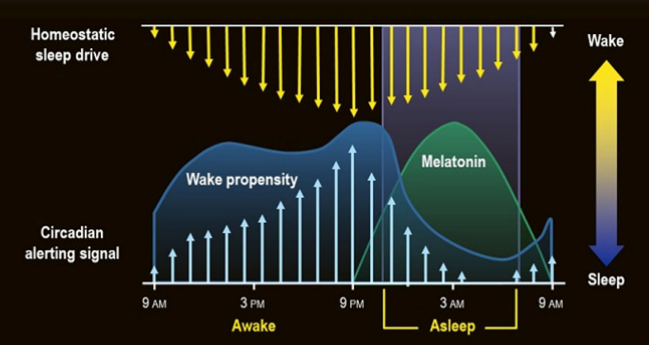
Sleep-Wake Cycle: The recurring pattern of wakefulness and sleep that individuals undergo a daily basis
Is usually measured by recording the times of regular events of when we eat and go to sleep
It is regulated by:
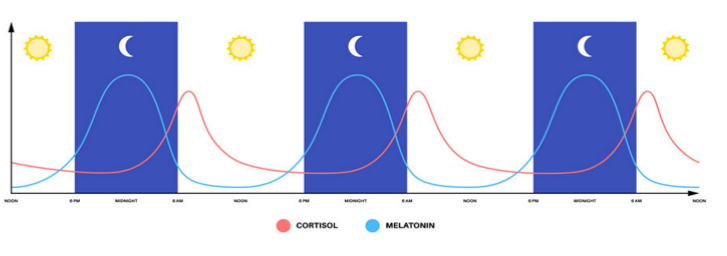
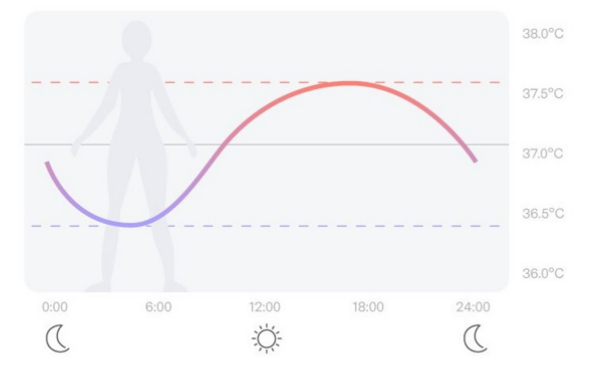
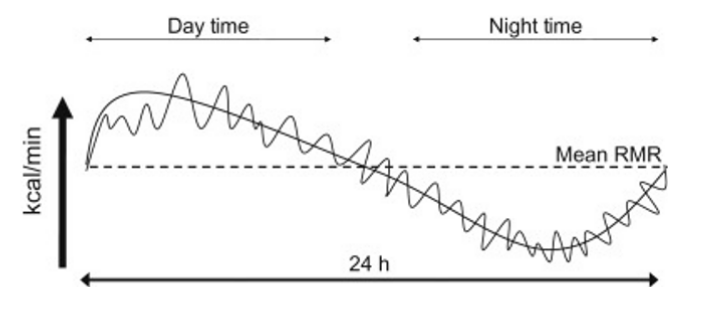
Circadian rhythm: any regular bodily cycle that lasts 24 hours intervals and controls the release of wake and sleep hormones
Body temperature
Metabolic Rate
Melatonin and Cortisol
Sleep Hormones
Melatonin is a hormone secreted from the pineal gland that regulates the sleep-wake cycle
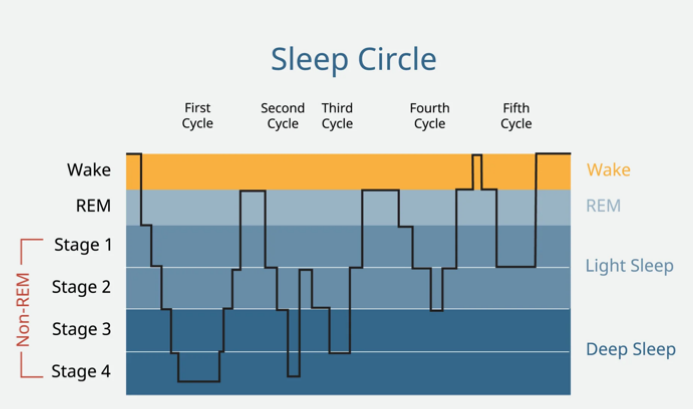
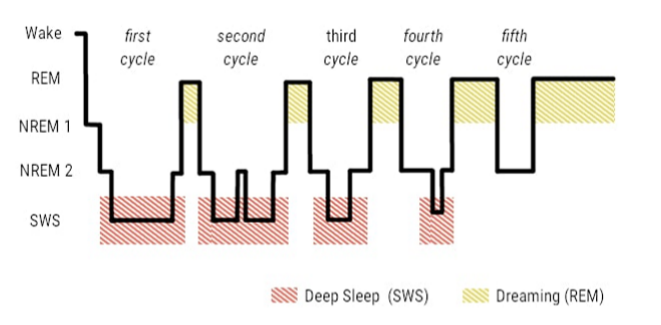
Over the course of a nights sleep we experience 4-7 sleep cycles of approx. 90mins.
The sleep cycles can alter in:
Length through the night
The time spent within each stage
Each sleep cycle is made up of 4 distinct stages
States of Sleep:
Non-Rapid Eye-Movement Sleep (NREM sleep)
80% of time spent asleep is NREM
The first half of the night has more NREM than the second half
The brain is active
Consists of 3 stages in which the sleeper progresses from a stage of light sleep to deep sleep and back through again
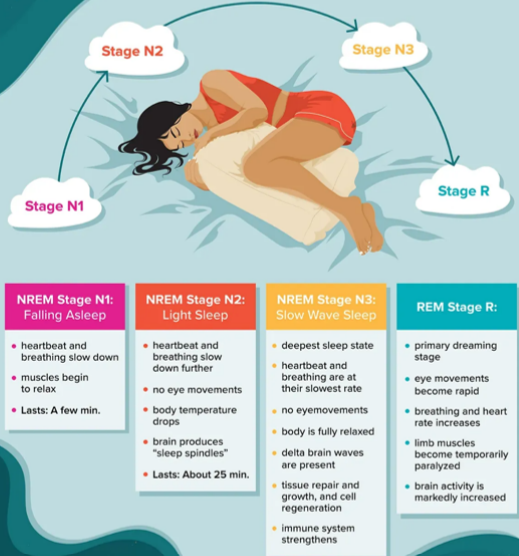
NREM- Stage 1 (1-7mins)
Sleep state: Occurs as we drift between wake and sleep
HR: Decrease
Eye movement: Eyes sow rolling movement as falling asleep and then once asleep no movement
Muscle tension: Muscles relax and may experience hypnic jerks, spasm of muscle
NREM- Stage 2 (10-25mins)
Sleep state: Light sleep
HR: Slows down further
Eye movement: No eye movement
Muscle tension: Muscles relax and may experience hypnic jerks, spasm of muscle
This stage increases in length with each repetition of the sleep cycle
NREM- Stage 3 (20-40mins)
Sleep state: deep sleep
HR: Continues to decrease
Eye movement: minimal eye movement
Muscle tension: most relaxed
Rapid Eye Movement Sleep (REM sleep)
REM- Stage 4 (10-60mins)
Sleep state: dreams occur
HR: increases to match the rate when awake but will vary according to the dream content
Eye movement: Rapid eye movement, visual information is not transmitted to the brain
Muscle tension: Muscle are temporarily paralysed (atonia) except for muscles involved in breathing and the muscles of the eye
These occur in continuous cycles with one following the other. A complete sleep cycle lasts 80-120 minutes, we go through this 4-5 times during 8 hours of sleep
SLEEP PRACTICES
Sleep deprivation: The condition of not getting enough sleep
Sleep Latency: The time it takes to get to sleep
Causes of Sleep Deprivation
Shift work
People who work shift work at night may have trouble sleeping during the day because exposure to light at night and dark during the day alters the circadian cycle. Alters the sleep-wake cycle and reduces the quality and quantity of sleep
Drugs
Affect sleep by:
Affecting the progression of the sleep cycle
Reducing the amount of NREM
Affecting REM sleep
Stimulants: increase the activity of the CNS preventing sleep
Depressants: can disrupt sleep when they wear off, causing people to wake up. Causes the throat muscles to relax making breathing difficult causing people to wake up
Sleep environment
The perfect sleep environment has:
Cooler temperatures
Lack of light sources: brightly lit environments at night time may reduce levels of melatonin causing disruption to sleep-wake cycles
Lack of noise: environmental noise can cause people to wake up and decrease the intensity of sleep
Comfortable bed
Stressors
Any stressor can make it more difficult to fall asleep and stay asleep due to feelings of anxiety. Impacts sleep routines and result in less sleep overall
Types of Sleep Deprivation
Partial (Acute): the severe reduction or complete lack of sleep over a short period of time. Occurs due to a lack of sleep (less than 5 hours) over a 24-hour period or up to a few consecutive nights
Causes: (can be reversed with adequate sleep)
Staying up late to finish an assignment
Illness
Pain
Jet lag
Stress
Effects:
Attention: lapses
Mood: decrease mood and increase irritability
Relax speed: reaction times increase
Vision: blurry, eye twitches, eyes more sensitive to light
Chronic: The persistent reduction of sleep over a long period of time. Occurs due to inadequate sleep for more than a few weeks at a time, sometimes lasting years
Causes: (symptoms can be difficult to reverse and long term consequences on overall health are detrimental)
Insomnia
Disturbances to sleep i.e. baby
Extensive periods of insufficient sleep i.e. lifestyle choices such as drug use, long work hours
Effects:
Heart disease: increased blood pressure, increased blood cholesterol, leads to increased risk of heart disease
Obesity: individuals try to increase intake of high energy food, leads to increased obesity
Insomnia: a sleep disorder characterised by difficulties falling asleep or staying asleep, leads to waking up not feeling rested
Anxiety: emotional regulation is negatively affected, leads to increased anxiety
Sleep Hygiene: the behaviour and sleep environment that results in healthy sleep. Ways to improve sleep hygiene:
Management of electronic devices
Sunlight is the main source of blue light on the visible light spectrum
Blue light is not emitted from the sun but also from man made devices such as: fluorescent and LED lighting in the house and devices such as tablets, computers, phones and tv screens
Exposure to blue light can cause a conflicting signal for the body. It should be bedtime but there is still light present and so the pineal gland still inhibits secretion of melatonin
Limit exposure to blue light 1-2 hours before bed
If exposure can’t be limited due to work or school buy glasses, screen tints or change the settings on devices to warmer tones
Effects:
Inhibits melatonin production
Disrupts the circadian rhythm
Increases sleep latency
Reduces sleep duration
Reduces sleep quality
Consistent sleep patterns
Effects:
Consistent sleep patterns can regulate the circadian rhythm
Increase amount of sleep
Increase duration of sleep
Prevent sleep depravation
Healthy sleep environment
Includes:
Temperature of the room (cooler - 18.3 degrees Celsius)
Mattress and pillow are comfortable
Colours
Ear plugs to block out sound
Heavy curtains to block out light
Scents can promote calmness
Going to sleep and waking up at the same time every day
He at al 2020 Study: Effect of restricting bedtime mobile phone use on sleep, arousal, mood and working memory
Aim: To determine how limiting the use of mobile phones before bedtime affects:
mood
working memory
pre-sleep arousal
sleep quality
sleep habits
Method: 38 university students who had the habit of using their mobile phone before bed as well as experiencing poor sleep quality
Materials:
Positive and negative affect schedule (PANAS)
Self-report measure consisting of 20 statements each requiring the completion of a 5-point Likert scale
Positive and negative emotions over the past week are assessed
The PANAS score is separated into the Positive Affect (PA) and Negative Affect (NA) scores
n-back task
Working memory is tested using a computer program where participants are presented with series of numbers and are required to respond:
when a specified number is presented
when two identical numbers are presented one after the other
when a number is identical to the one that appeared two numbers prior
Pre-sleep arousal scale (PSAS)
self-report measure utilising a 5-point likert scale for each of the 16 statements that pertain to cognitive and somatic arousal experienced when trying to fall asleep in bed.
Cognitive arousal refers to thoughts e.g. worrying about falling asleep
Somatic arousal is related to physiological symptoms e.g. increased heart rate
Pittsburgh sleep quality index (PSQI)
Self-report with 19 items that assess self-quality and disturbances over the past month where a high score out of 21, indicated poor sleep quality. A score above 5 indicates sleep disturbances
Overall PSQI score ranges from 0-21
Several categories: subjective sleep quality, sleep latency, sleep duration, habitual SE, sleep disturbances, use of sleep medication, and daytime dysfunction
Online sleep diary
A daily record including bedtime, time taken to fall asleep, wake time, time arisen from bed, sleep duration, length of time mobile phone was used during the day, and length of time mobile phone was used between 9pm and sleep time
Design: IV: use of mobile phone vs no mobile phone for 30mins before bedtime
Design DV:
Mood working memory
Pre-sleep arousal
Sleep quality and sleep habits measured using the positive negative affect schedule
n-back task
pre-arousal scale
Pittsburgh sleep quality index
Online diary
Procedure: Researches obtained ethical approval from the ethical committee of the second military medical university. Students from this university responded to details posted on social media and provided their written informed consent to participate in the study. All participants completed the beforementioned tests measuring their mood, working memory, pre-arousal sleep and sleep quality, sleep habits were recorded via an online sleep diary. Participants were randomly allocated into experimental and control groups with 19 participants allocated to each. For the next 4 weeks participants in the experimental group abstained from using their mobile phones 30mins before they planned to go to sleep while those in the control group continues to use their phone are per usual. At the 4 weeks mark participants completed the same tests as sat during pretesting and results were compared.
Findings: Participants who did not use their phone 30mins before bed:
Took less time to fall asleep
Stayed asleep for longer
Had improved sleep quality
Reduced pre-sleep arousal
Improved positive affect
Reduced negative affect
Improved working memory
Contributions: As this is a recent study with well established tests it can be replicated by other researches (increased reliability)
Criticisms: Sample size was too small and cannot generalise results to the public. All measures except the n-back test gathered subjective data and therefore are bias