Photosynthesis
Overview of Photosynthesis
Photosynthesis is the process by which plants convert light energy into chemical energy.
It is an endothermic reaction, meaning it absorbs energy.
The energy absorbed is essential for plant growth, starting from a tiny seed.
Key Components of Photosynthesis
Location
Photosynthesis occurs in the leaves of plants.
Chlorophyll
Plants contain chlorophyll, a green pigment that absorbs light energy.
Chlorophyll is crucial for the photosynthesis process.
Process
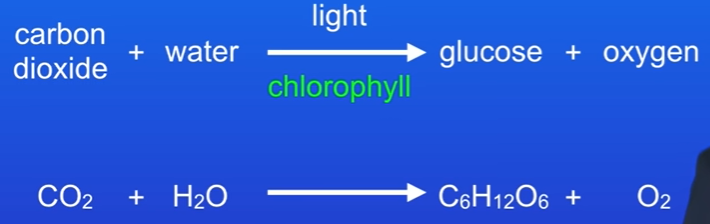
Photosynthesis takes place in the leaves of a plant, and leaves contain the green chemical chlorophyll. Chlorophyll can absorb light energy. In the first stage of photosynthesis, the plant takes carbon dioxide and water into the leaf. This light energy is then absorbed by chlorophyll. This light energy is then used to convert the carbon dioxide and water into the sugar glucose. And here it is: in this reaction, oxygen is also produced.
The basic equation of photosynthesis involves:
Inputs: Carbon dioxide (CO2) and water (H2O)
Output: Glucose (C6H12O6) and Oxygen (O2)
The overall reaction (Photosynthesis) can be summarized as:
Word Equation: Carbon dioxide + Water + Light energy → Glucose + Oxygen

Light Intensity and Photosynthesis
Light is a crucial factor for photosynthesis. The rate of photosynthesis depends on the intensity of light.
Relationship between light intensity and photosynthesis:
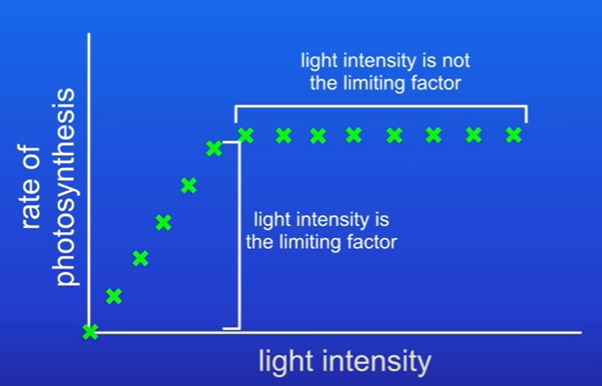
At zero light intensity, the rate of photosynthesis is zero.
As light intensity increases, the rate of photosynthesis increases until it levels off.
At the point where rates level off, light intensity becomes non-limiting, and other factors limit the rate.
That's because the plant now has more light energy to carry out the photosynthesis reaction, so the reaction gets faster.
Increase the light intensity and the rate of photosynthesis also increases= light intensity was limiting. (Photosynthesis was not as fast as it could have been because there wasn't enough light). Therefore at this point, light intensity is a limiting factor.
Keep increasing the light intensity, there will be a point where the rate of photosynthesis no longer increases, and it levels off (flat). Now, at this point, light intensity is no longer the limiting factor; something else is now in short supply. For example, the level of carbon dioxide in the air.
Limiting factor: in short supply/lack of
Carbon Dioxide Levels
Similar to light intensity, carbon dioxide concentration affects the rate of photosynthesis:
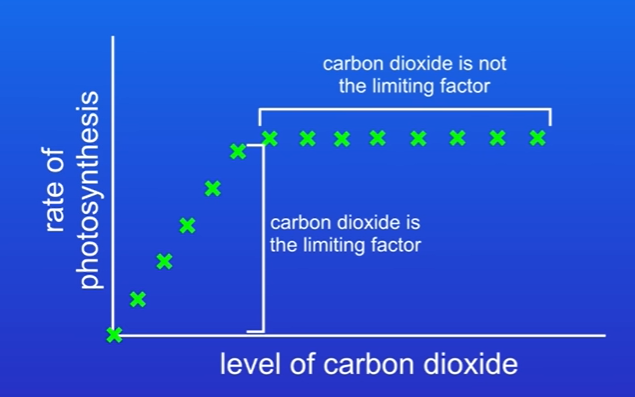
Increasing carbon dioxide levels raises the rate of photosynthesis until it reaches a plateau.
Beyond a certain point, carbon dioxide becomes a non-limiting factor.
As we increase the carbon dioxide level, the rate of photosynthesis increases. This tells us that carbon dioxide is the limiting factor. However, at a certain point, the rate of photosynthesis no longer increases, telling us that carbon dioxide is no longer the limiting factor.
Other Factors Affecting Photosynthesis
Chlorophyll Amount
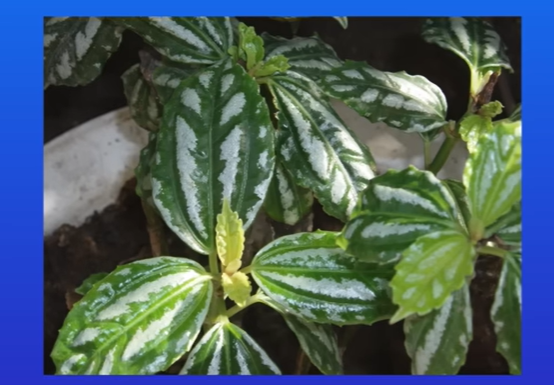
The amount of chlorophyll present in a leaf affects its ability to conduct photosynthesis.
Leaves with less chlorophyll will have a lower rate of photosynthesis due to reduced light absorption.
leaf which has got patches of chlorophyll. Because these leaves can trap less light energy than normal leaves, they'll have a lower rate of photosynthesis:
Temperature
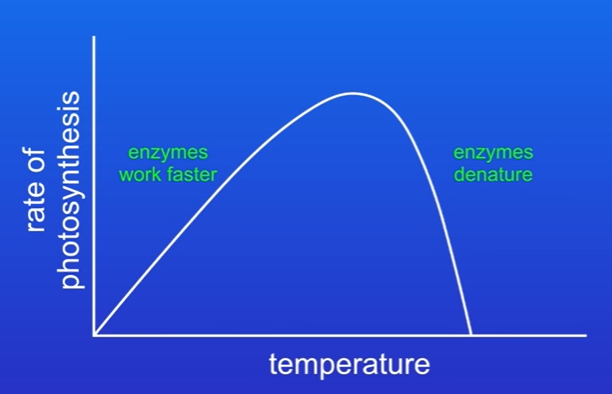
Temperature influences the enzymes that facilitate photosynthesis:
Increased temperatures generally enhance enzyme activity, boosting the rate of photosynthesis.
However, excessively high temperatures can denature enzymes, resulting in a decreased rate of photosynthesis.
In summary: As we increase the temperature, the enzymes involved in photosynthesis work faster, so the rate increases. However, if we keep increasing the temperature, the enzymes will denature, and the rate of photosynthesis falls.