The Mission
The Mission (1986) is a historical drama set in the 18th-century South America. It explores the conflicts between European colonial powers, the Catholic Church, and indigenous Guarani people. The film examines themes of morality, faith, colonisation, and resistance.
Characters
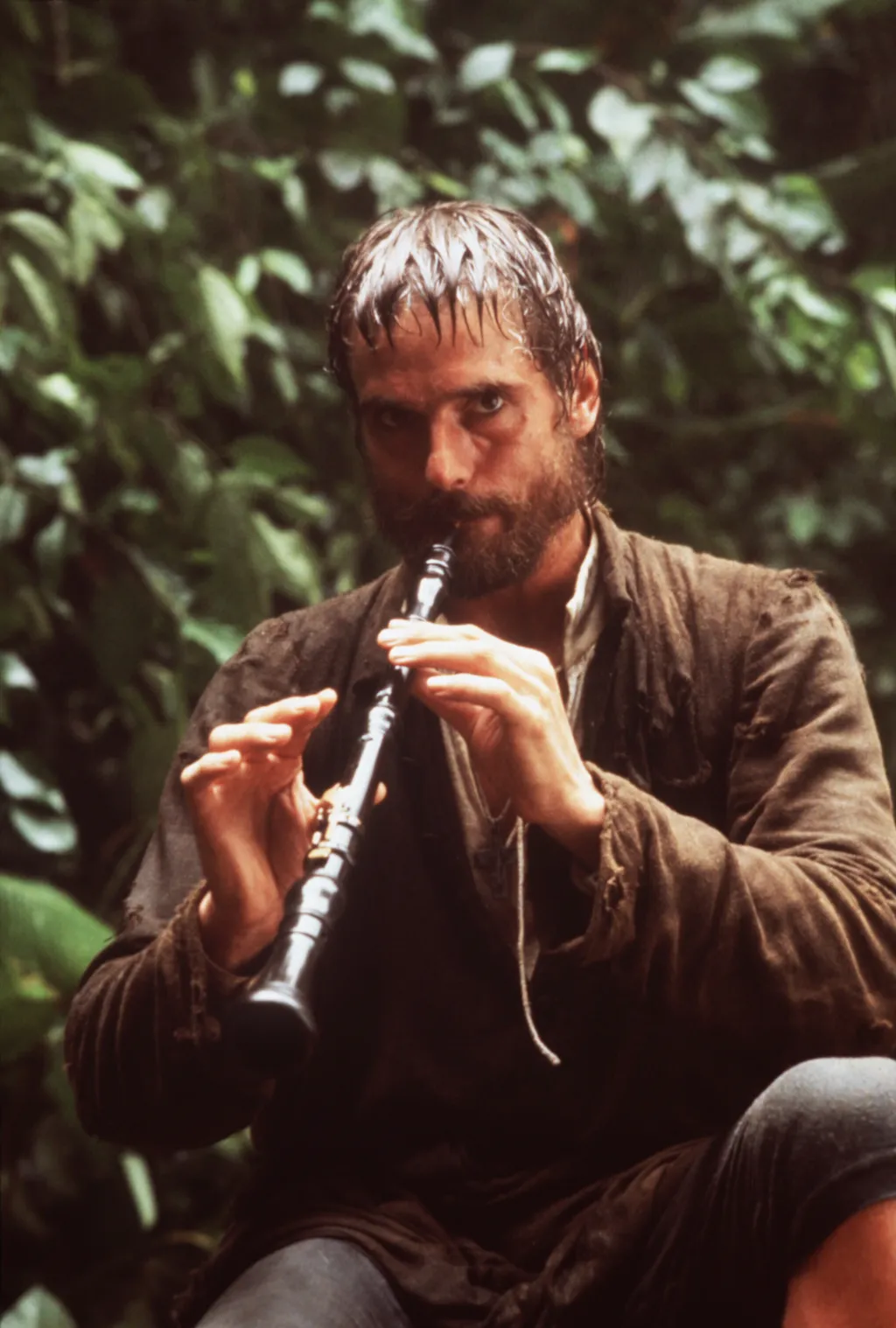
Father Gabriel Role: Jesuit priest who establishes a mission to protect and convert the Guarani. Deeply committed to peaceful methods and believes in non-violent resistance Key Traits: compassionate, determined, pacifist, moral Important moments:
|  |
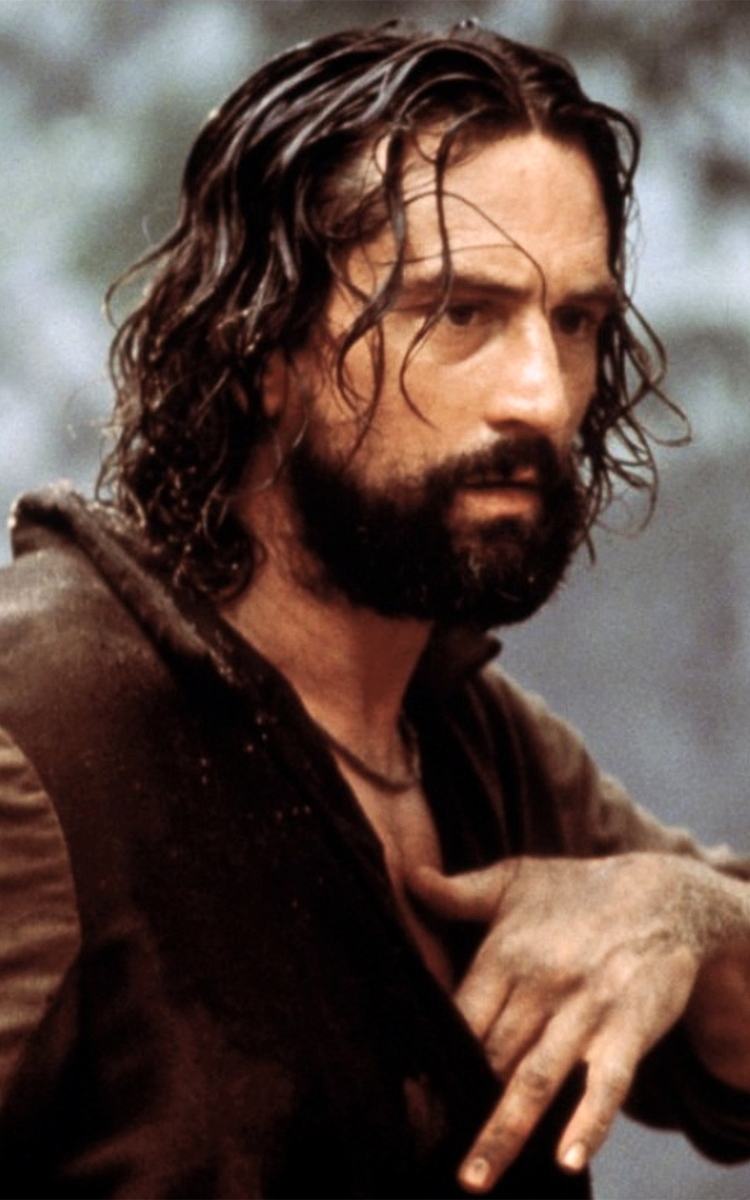
Rodrigo Mendoza Role: Former Spanish dmercenary and slave trader who enslaved the Guarani before seeking redemption. Joins Jesuits after killing his brother in a duel and take up arms to defend the mission Key Traits: violent (at first), guilt-ridden, determined, brave Important moments:
|  |
Cardinal Altamirano Role: High-ranking Catholic official sent to decide fate of the missions. Torn between his loyalty to the Pope and the realities of European colonial power Key Traits: diplomatic, conflicted, pragmatic, regretful Important moments:
|  |
Don Cabeza Role: Spanish slave trader who profits form indigenous enslavement and opposes the Jesuits’ protection of the Guarani Key Traits: Greedy, racist, ruthless Important moments:
| |
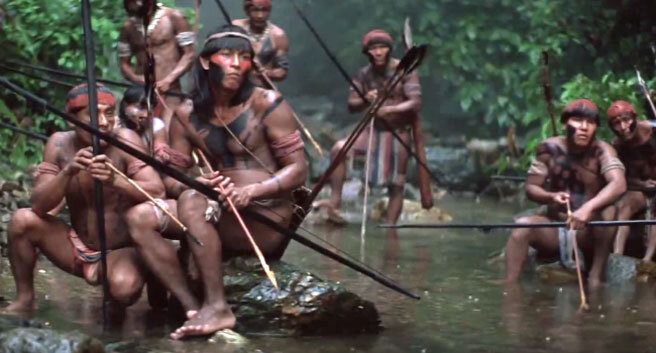
The Guarani Role: Indigenous people who are converted by the Jesuits. They show resilience and courage in resisting European oppression Key Traits: Loyal, spiritual, brave Important moments:
|  |
Summary
film opens with Jesuit missionary tied to a cross and sent over a waterfall by the Guarani → initial hostility toward European interference
Father Gabriel arrives at Guarani territory, plays the oboe, which fascinates the Guarani, and they accept him
establishes San Carlos, a mission that provides protection and religious conversion
Meanwhile, Rodrigo Mendoza, Spanish mercenary and slave trader, captures and sells indigenous people, including the Guarani
kills his brother in a duel over a woman; overcome with guilt, falls into depression
Father Gabriel gives him a chance of redemption, he joins the Jesuits and undergoes penance by carrying his armour and sword up a waterfall
the Guarani, recognising him as their former oppressor, initially threaten him but eventually accept his repentance
European powers decide that land containing the Jesuit missions must be given to Portugal under the Treaty of Madrid → Portuguese intend to enslave the Guarani
Cardinal Altamirano arrives to determine whether missions should remain under Jesuit control → he’s conflicted seeing the beauty of the mission and the pressure of the European powers
despite the Jesuits’ pleas, he rules that the mission must be surrendered
Father Gabriel insists on peaceful resistance, continuing religious services and refusing to leave
Mendoza, no longer a priest, chooses to fight: trains the Guarani but they are outmatched
Portuguese attack with guns and cannons; Guarani fight bravely but are killed
Mendoza is shot while defending the mission; Father Gabriel leads a religious procession while holding the Eucharist, but is gunned down
Woman and children are not spared → brutality of colonial conquest
Cardinal Altamirano writes to the Pope, acknowledging his guilt:
“So your holiness, now the priests are dead. But in truth it is they who live and I am dead. For as always. the spirit of the dead will survive in the memory of the living.”
final scene shows Guarani children retrieving religious artifacts and fleeing into the jungle, symbolising resilience
Key Themes
1. Colonisation & The Slave Trade
Q: How does the Mission reflect European colonisation and its impact on indigenous people?
European powers divided land without considering native rights
Indigenous people were enslaved or killed for economic gain
film parallels the real Spanish and Portuguese treatment of the Native Americans and Africans
Q: What role did the Catholic Church play in colonisation?
The Jesuits sought to protect and convert indigenous people
The Church, under political pressure, ultimately sided with colonial powers (Spain & Portugal)
2. Moral dilemmas & Resistance
Q: Compare Father Gabriel and Rodrigo Mendoza’s approaches to resistance
Gabriel chose non-violence, believing faith would outlast oppression
Mendoza took up arms, seeing miliary resistance as the only option
Q: Why does the film depict both methods as ultimately failing?
the Portuguese army was too powerful, showing the brutal reality of European expansion
3. Guilt & Consequences
Q: How does the film portray Cardinal Altamirano’s internal conflict?
he understands the injustice but feels powerless to oppose European rulers
his final letter shows deep regret
Q: What is the significance of the final scene with the Guarani children?
it suggests that while colonial powers destroyed the missions, indigenous cultures persist
Worksheet Answers
1. Why does Mendoza say, “If you have the time”?
Mendoza is cynical about Gabriel’s mission because he knows the Guarani are in danger
he implies the colonial forces will soon enslave them, making Gabriel’s efforts pointless
2. Altamirano’s “Courts of Europe” Quote significance?
He means that European politics are ruthless and self-serving
The Church must negotiate with colonial rulers, often leading to compromises
He suggests that South America’s physical jungle is less dangerous than European political schemes
3. “Would the Indians have preferred we never came?”
Europeans arrival bought disease that wiped out populations
Aztecs and Incas were strong civilisations that were taken over; they thrived before the Europeans
Indians became slaves on their own land, plundered of their wealth and resources
4. Don Cabeza’s Views & The Spanish Conquest
similar to Spanish attitudes towards the Aztecs and Incas, who were treated like less than humans
Used to justify forced labour, just as African slaves were also exploited
5. Bartolome de las Casas & the Film
Spanish enslaved and murdered indigenous people for profit
Portuguese and Spanish see the Guarani as property
Jesuits try to protect them but fail
massacre reflects real colonial violence
corruption of the Church
moral integrity of Europeans compromised compromised for profit
6. Spirit of the dead lives among the living
Cardinal Altamirano’s quote highlights the lasting impact of the dead through memory.
The Spanish conquest’s destruction of indigenous cultures still influences modern-day indigenous rights movements.
The African slave trade’s legacy persists through ongoing racial justice and reparations efforts.
The phrase connects to current movements addressing historical injustices.
Cultural preservation and activism keep the memory of past struggles alive today.