TV4101 - SAM - Heart Failure
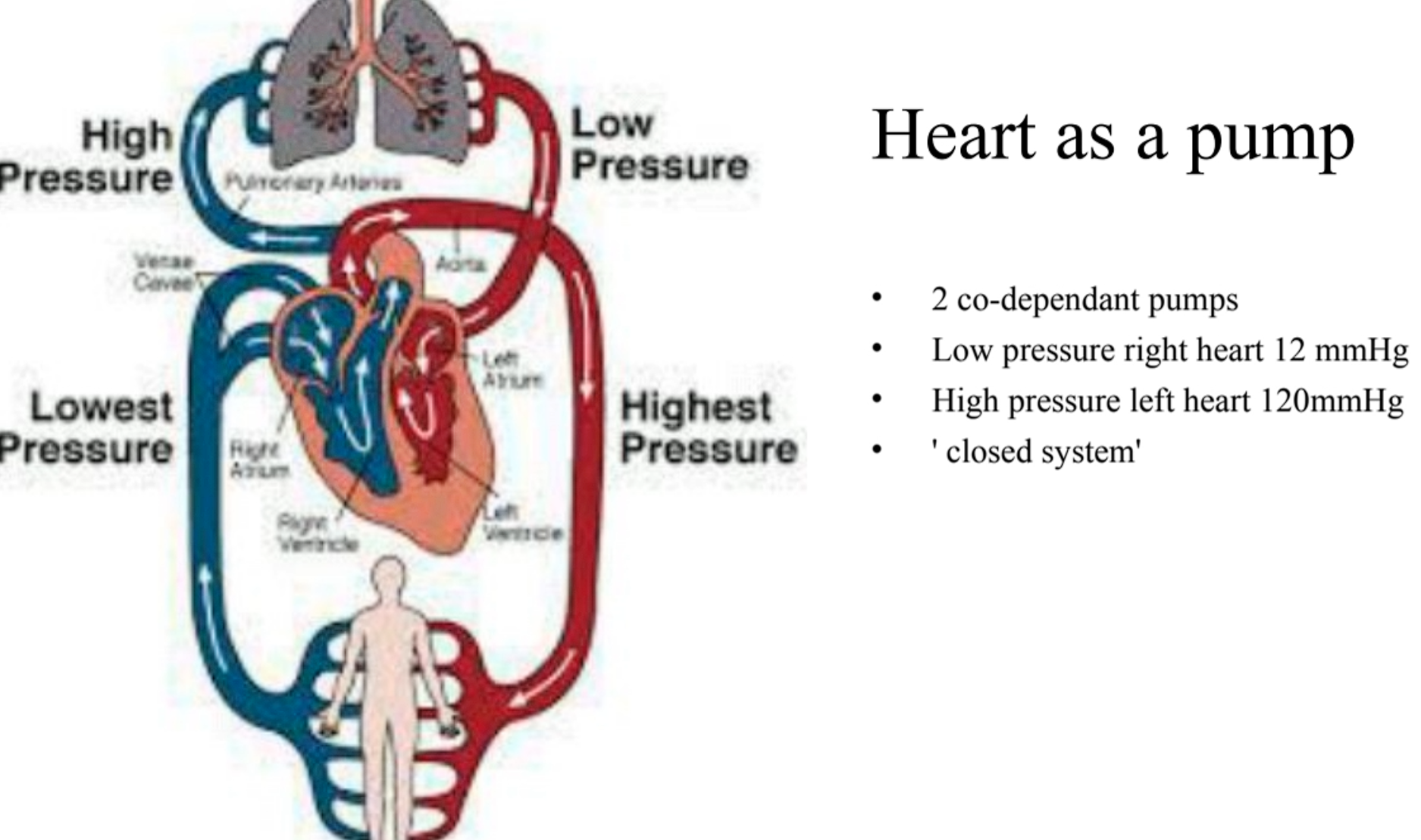
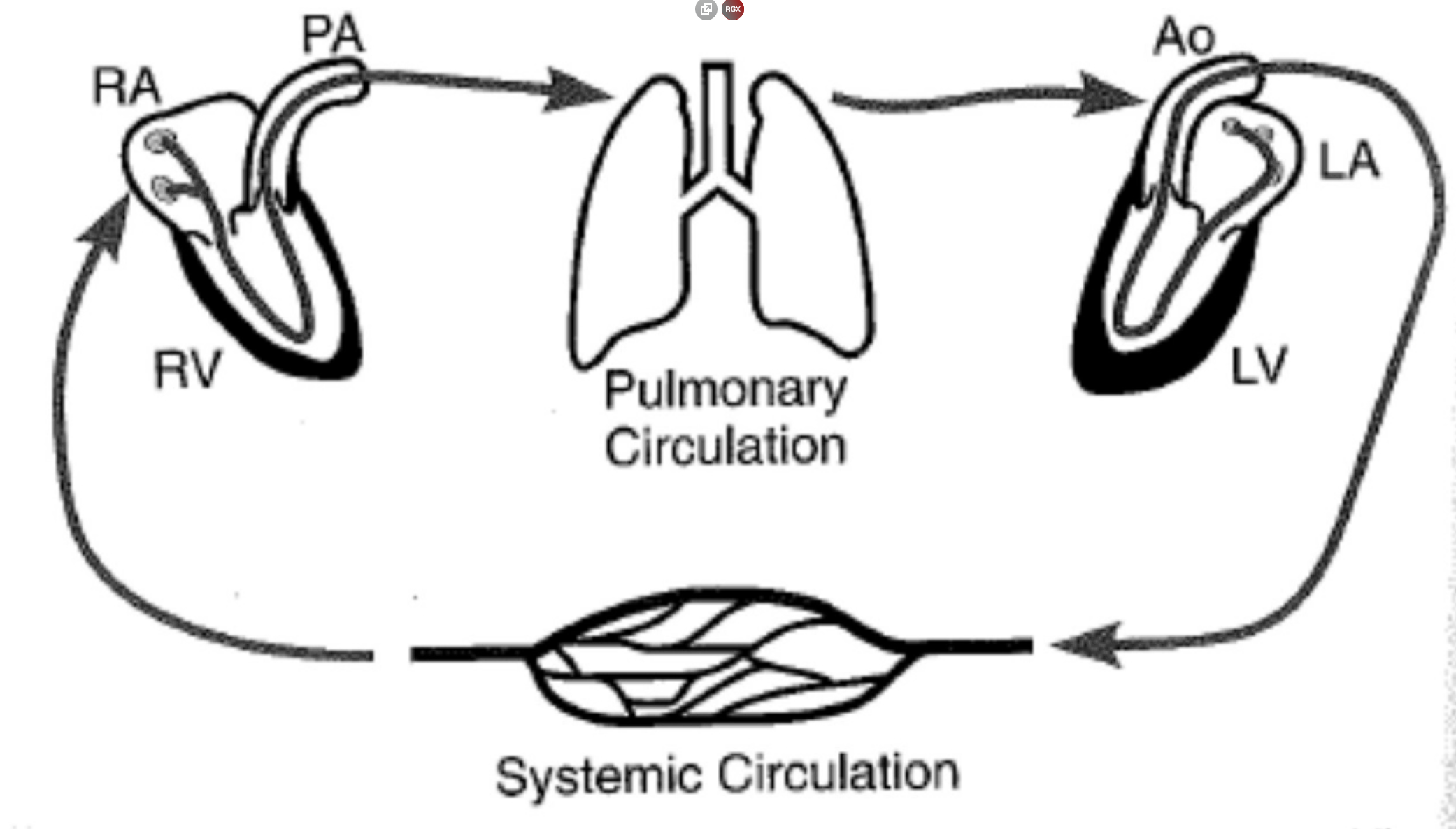
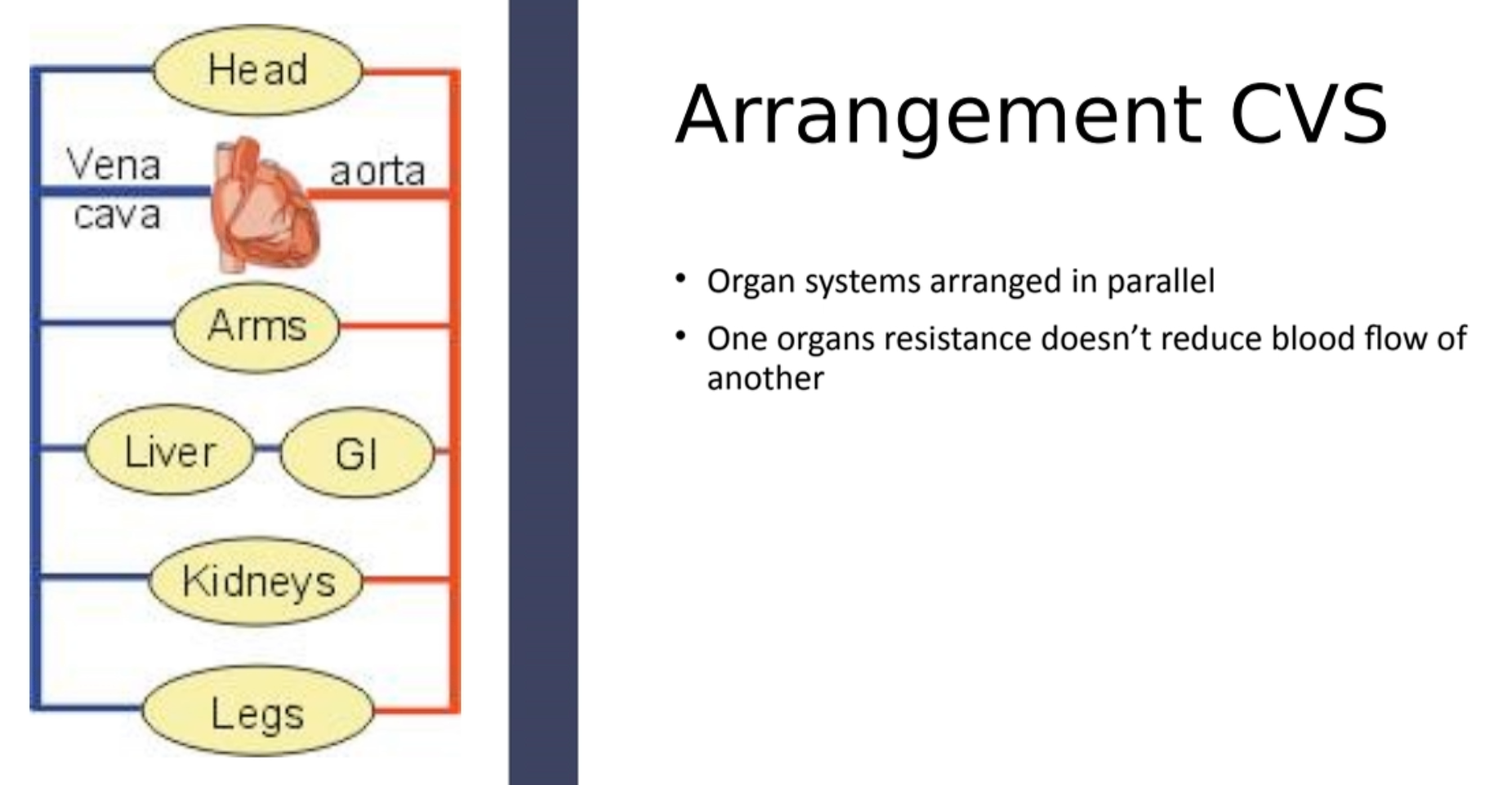
Heart is two pumps, both separate and codependent with one side that continue into function while the other fails
RH - Pumps blood into lungs → oxygenated
RH recieves blood from venous drainage from rest of the body
Tends to be low pressure system → psi approx 12mmHg
LH
High pressure - 120mmHg
LV is much thicker than RV wall as it needs more force behind it to push blood
Frank stahlings law of the heart - heart has to pump all blood that it recieves
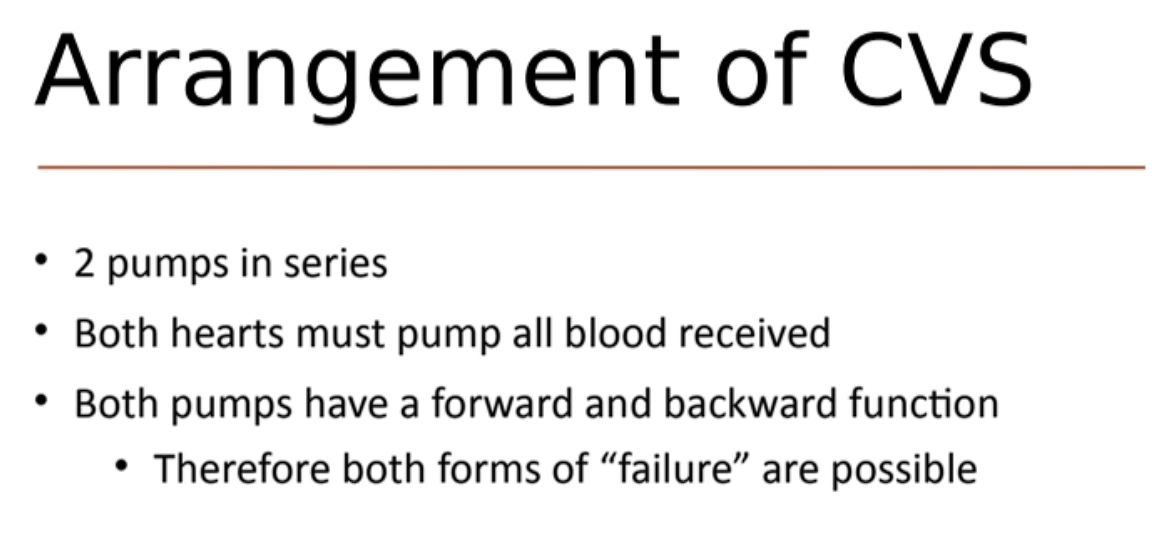
Backward function - pump all blood it recieves
Forward function - push the blood out with enough pressure to supply vascular bed
e.g. LH forward failure - fails to pump out blood at sufficient pressure → brain experience periods of low oxygen
LH backward failure - blood isn’t completey pumped → accumulateds in lungs → oedema
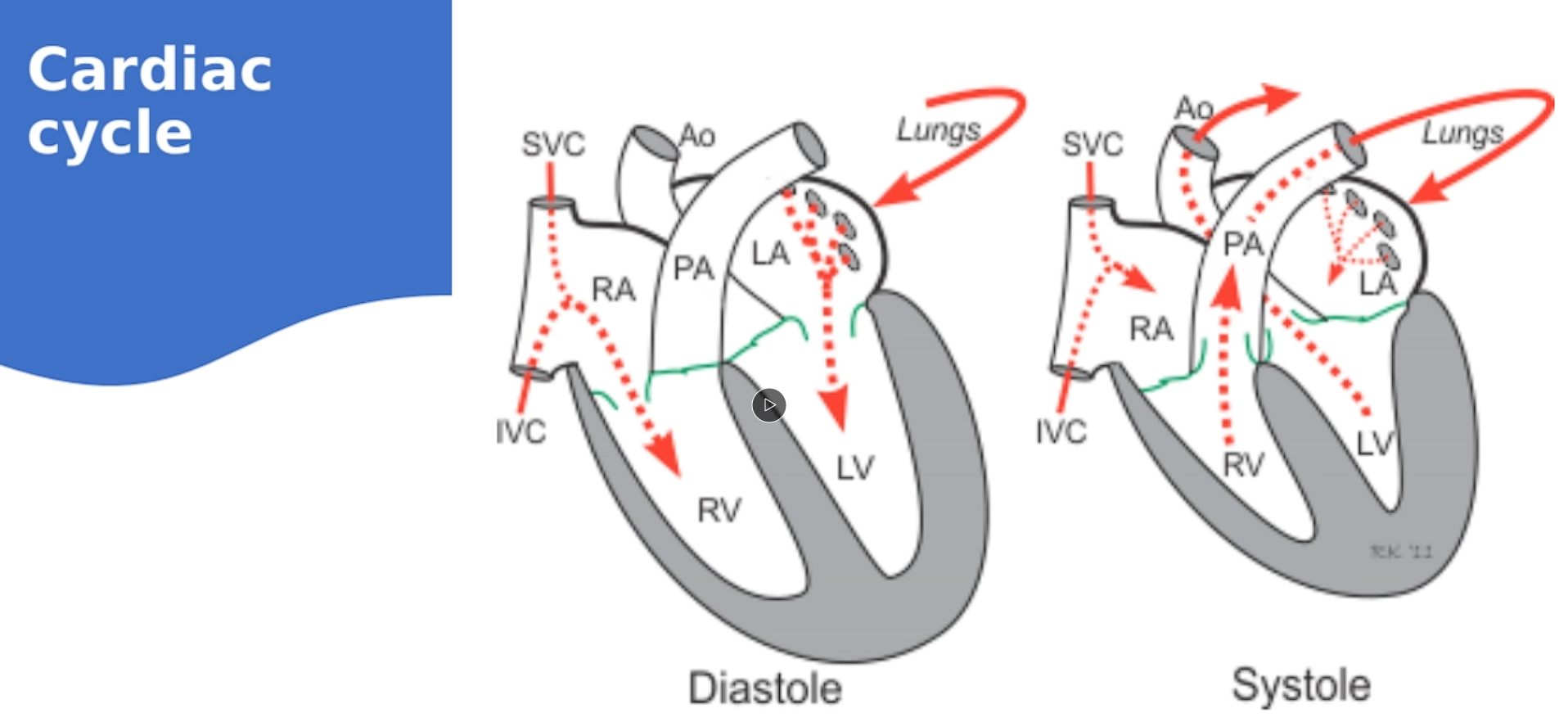
Systole ventricular - L&RV contract - psi force open pumlonic and aortic valve (these valves close at high pressure and make a sharper noise)into the lungs and systemic circulation respectively
At some point ventricles empty enough and psi drops → blood in aorta and pulmonic artery go back into heart which closes the valves (now enters Diastole)
Tricupsid and mitral valves (soft sound of these valves is due to the closure of these valves but from low pressure)open allowing blood into Ventricles and process begins again
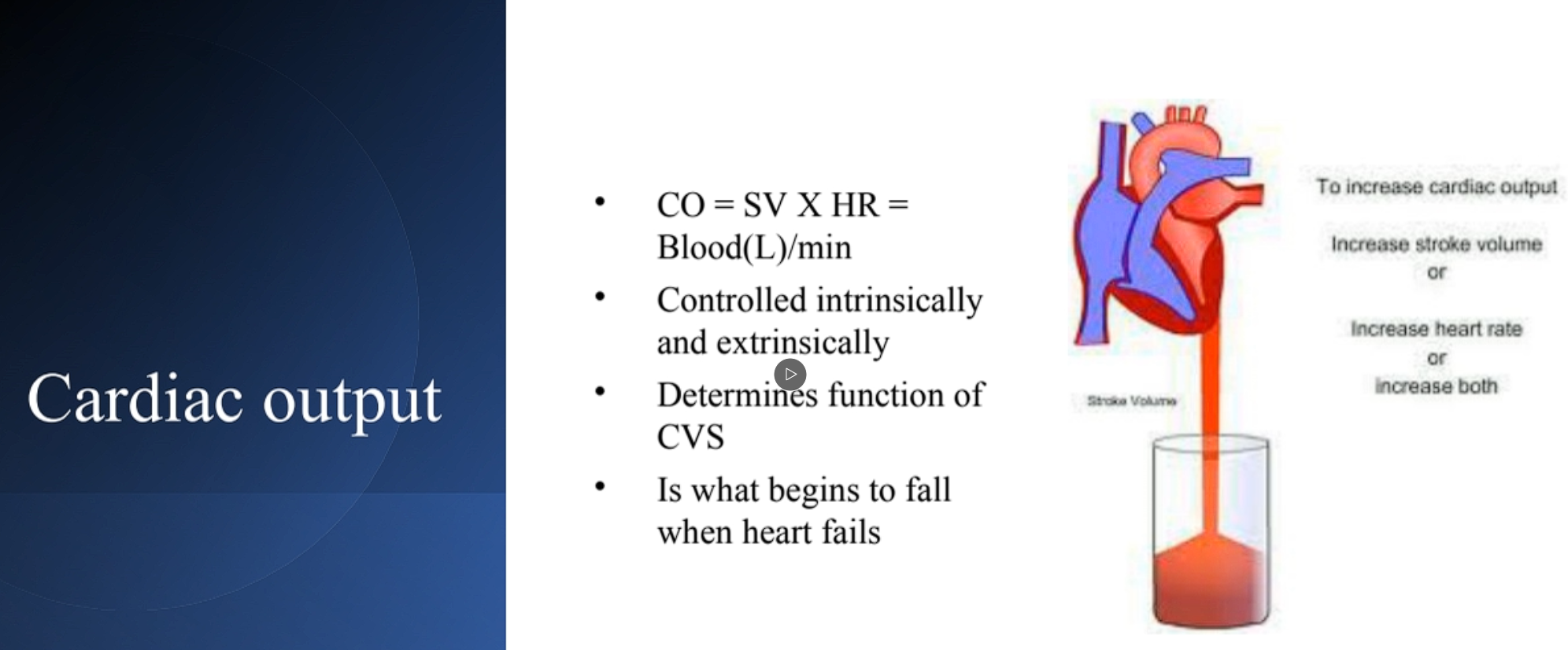
Stroke volume times HR
The things that inc CO when oppsite will decrease CO
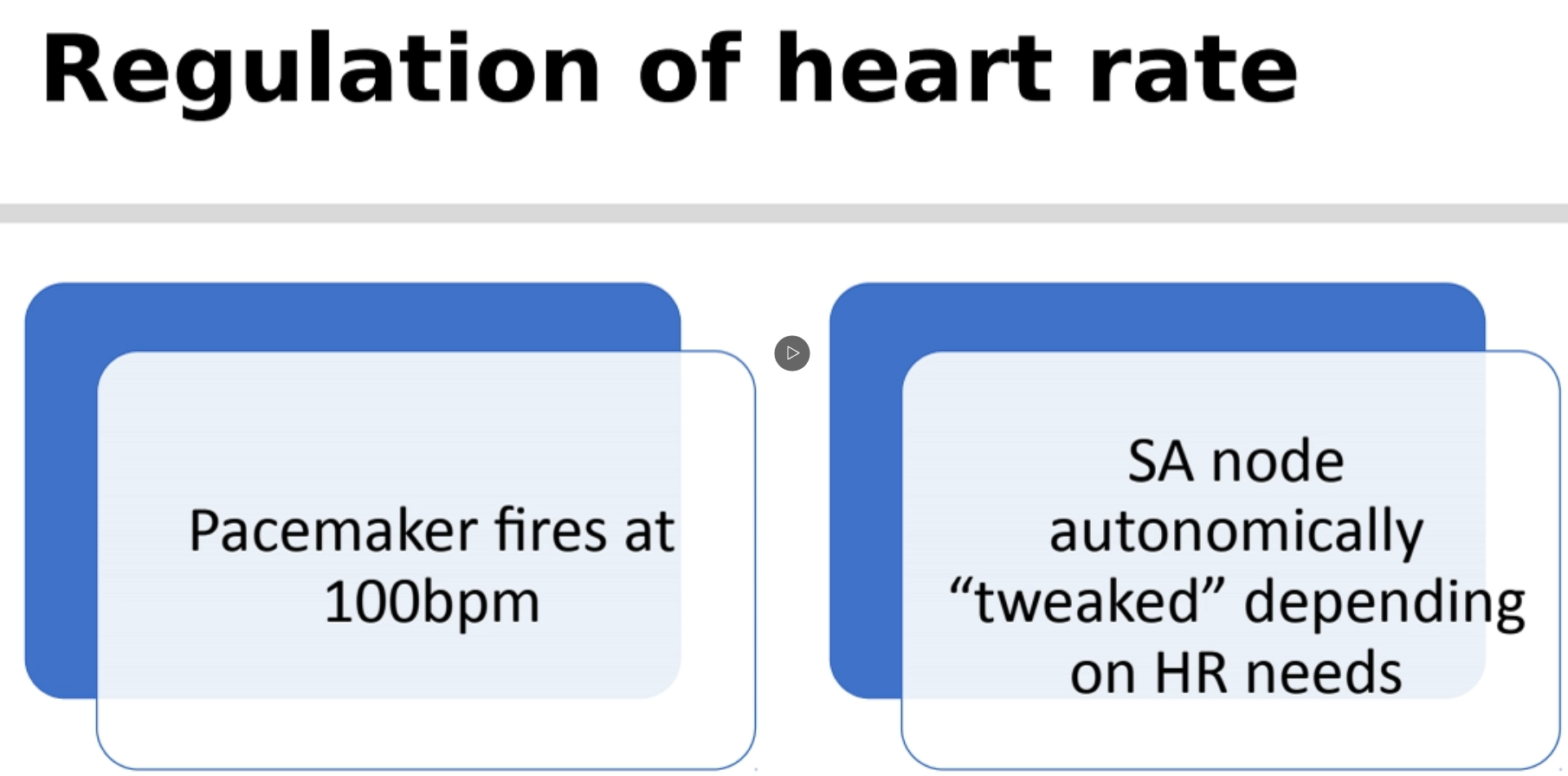
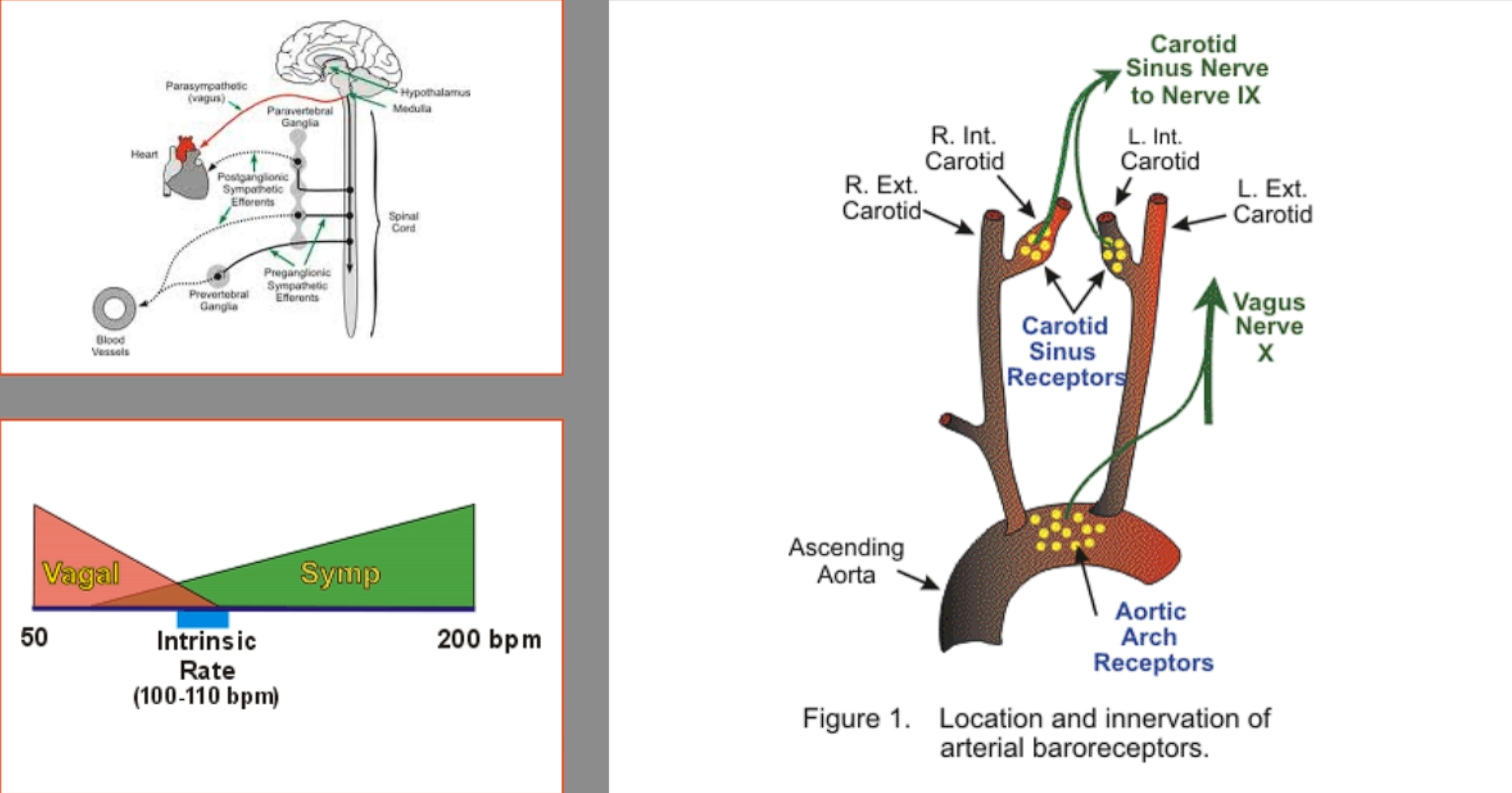
Pacemaker - SA node 100 bpm but resting HR not normally 100 bpm, this due to autonomic tweaking (specifically parasympathetic autonomic at rest
If you went for a run or got stressed etc. - sympathetifc is in control
Won’t be asked this slide)
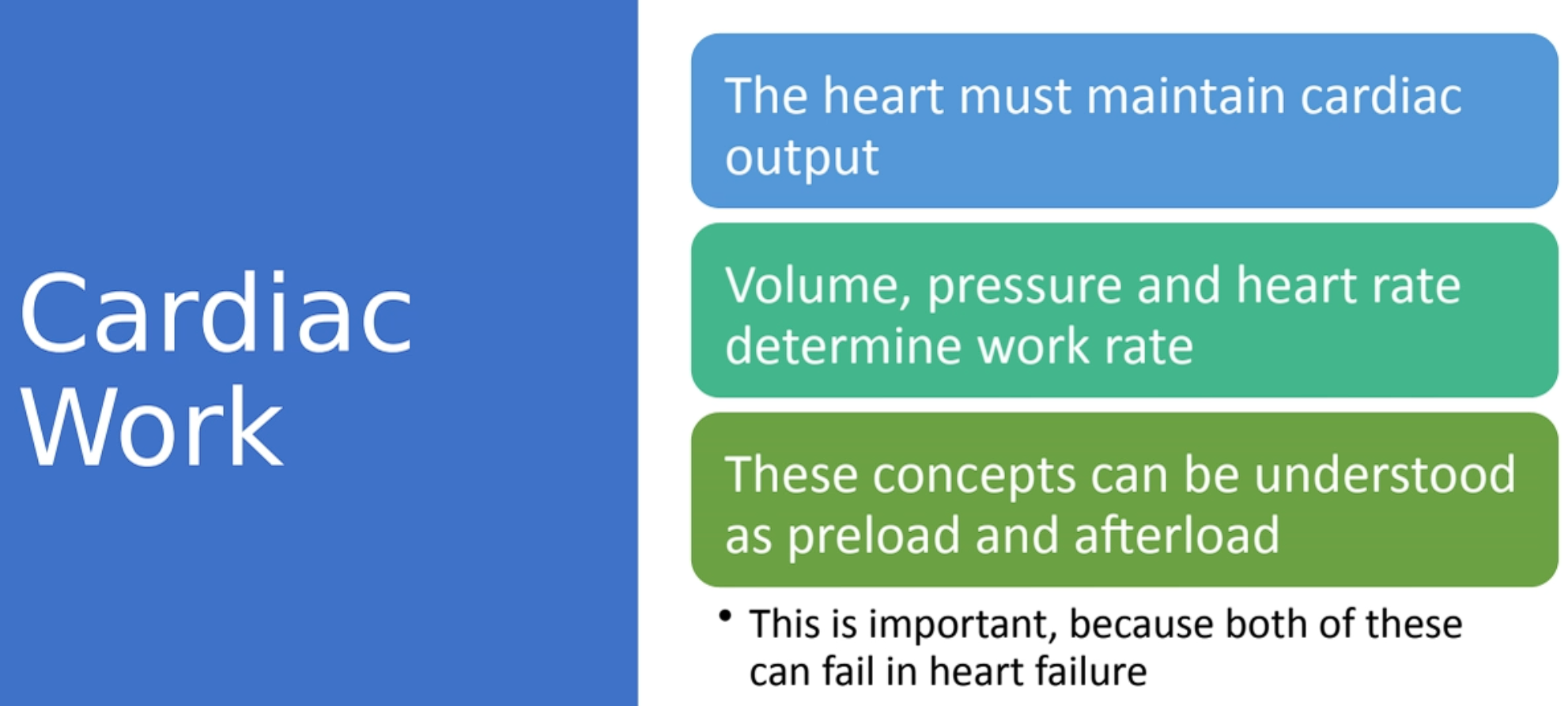
Preload
Afterload
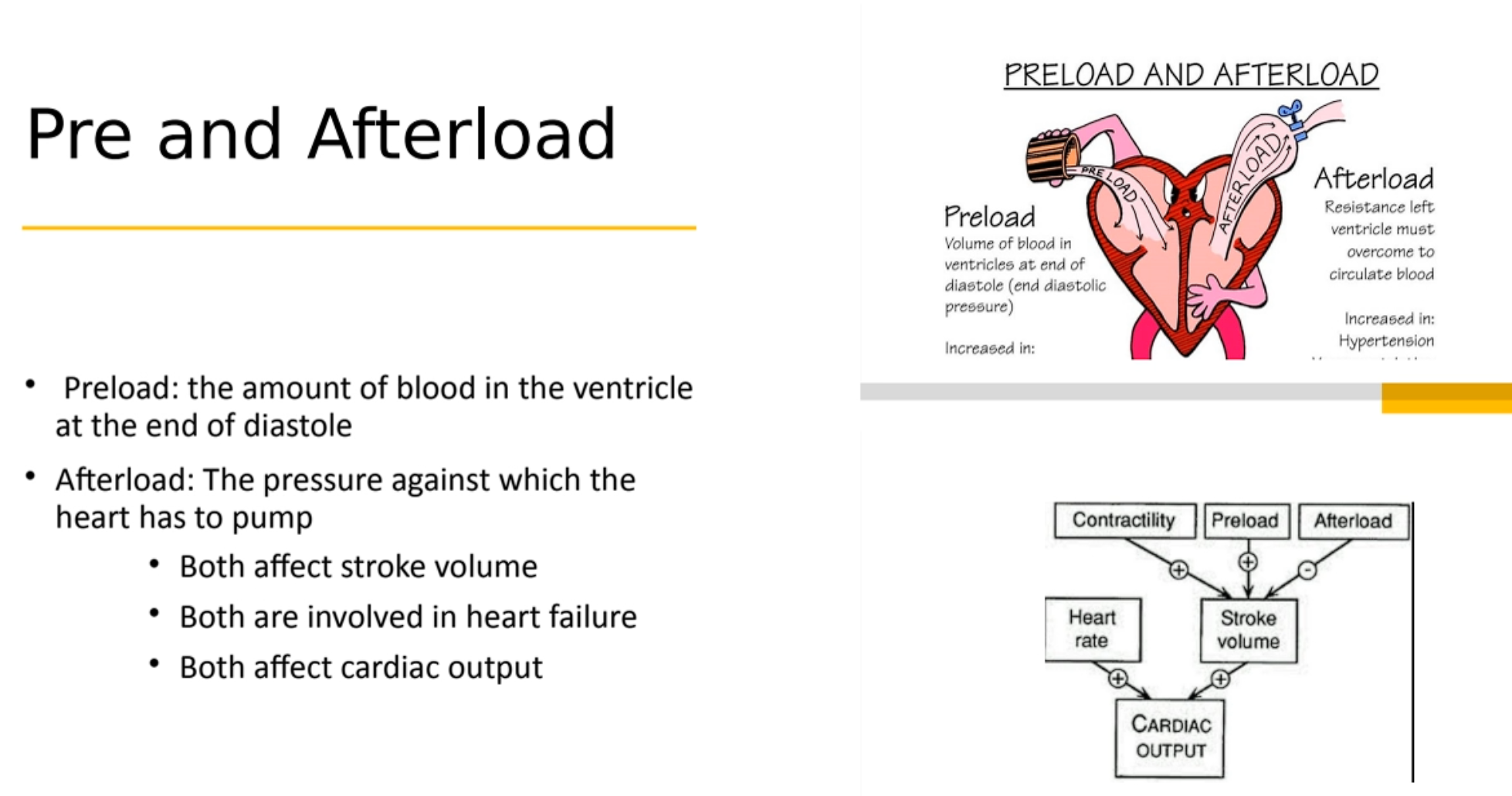
If you have volume retetnion e.g. water retetnion and body is holding onto fluid
And you increase amount of blood in system → increases the preload of the heart
If you have aortic stensosi i.e. band of tissue over valve of aorta - aorta can’t expand properly - LV is pumping against a higher resistance - more pressure needed i.e.. increased afterload