STS Midterm Notes
Indigenous Science (UCG)
Uses Science Process Skills
Composed of Traditional Knowledge
Guided by Community Culture and Values of Indigenous Science
Predicting Weather Conditions Through Animal Behavior and Celestial Bodies
Utilizing Herbal Medicine
Methods for Food Preservation
Categorizing Plants and Animals Based on Cultural Practices
Selecting Seeds for Planting
Indigenous Technology into Daily Life
Establishing Local Irrigation Systems
Identifying Soil Types for Planting Using Cultural Criteria
Crafting Wine and Juices from Tropical Fruits
Maintaining custom of growing plants and vegetables in their yard
4 KINDS OF CLOUDS
Circus Clouds
Definition: Unofficial term for clouds that resemble shapes or figures, often seen as animals or objects.
Formation: Created by wind patterns and atmospheric conditions shaping the clouds.
Common Sight: Often observed by people who enjoy cloud-watching or have vivid imagin
Cumulus Clouds
Description: Fluffy, white clouds with flat bases and rounded tops.
Formation: Form due to vertical development caused by rising air currents.
Weather Significance: Usually indicate fair weather, but can develop into larger storm clouds.
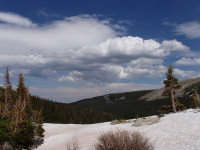
Stratus Clouds
Appearance: Low-lying, gray clouds covering the sky like a blanket.
Formation: Form from the condensation of water vapor in stable air masses.
Weather Significance: Often bring light rain or drizzle, but can also lead to prolonged overcast conditions.
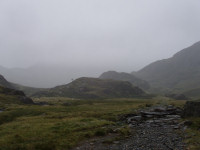
Nimbus Clouds
Characteristics: Dark, thick clouds associated with heavy precipitation.
Types: Nimbus clouds include nimbostratus (produces steady rain) and cumulonimbus (thunderstorm clouds).
Weather Significance: Indicate imminent or ongoing rainfall, storms, or other severe weather conditions.
TYPES OF SOIL
SAND
Is gritty and consist of small particles of rock and materials
SILT
very fertile soil. Similar composition to sand but contains more nutrients and hold more moisture
CLAY
considred most difficult soil to work with
LOAM
considered perfect soil. combination of sand, silt, clay
Basi Wine (Sugarcane Wine)
Basi is the local beverage of Ilocos in northern Luzon in San Ildefonso
In the Philippines, commercial basi is produced by first crushing sugarcane and extracting the juice. The juice is boiled in vats and then stored in earthen jars
Tapuey (Rice Wine)
It is a traditional beverage originated from Banaue and the Mountain Province,
used for important occasions such as weddings, rice harvesting ceremonies, fiestas and cultural fairs.
Aeroponics
practice of growing plants in an air or mist environment without the use of any substrate
Tuba
kind of palm wine
consumed during spiritual ceremonies and shamanic rituals long before the Philippines was colonialized by Europeans.
Hanging Coffins
the tradition of Hanging Coffins in Sagada is pre-colonial
moving the bodies of the dead higher up brings them closer to their ancestral spirits.
Irrigation
Fermentation
How they predict weather in pre colonial period?
Animal behavior, cloud formations, wind direction used for prediction
Indigenous peoples relied on traditional knowledge
Close observation of surroundings for interpreting nature's cues
Adaptation to unpredictable forces of nature for thriving
How they preserve Food?
drying,
smoking,
fermenting and
salting
Fermenting: beneficial bacteria produce acids, alcohol, gases to preserve food
How they use contraceptives?
men - intestines of animals
women - abstinance or use of tapons from herbs/plants
Homo Afarensis - small brain;
Homo Habilis - handy man
Homo Erectus - Produced Fire;
Homo Neanderhalanses - cave painters
Homo Sapiens - Modern man;
Claudius Ptolemy
geocentrism
believed that all celestial bodies moved with the earth as the center of the ciruclar motion
Claudius Ptolemy was a proponent of geocentrism, the belief that all celestial bodies revolve around the Earth as the center of circular motion.
Nicolaus Copernicus
Heliocentric Model
not accepted by catholic belief
sun is the center not earth
Nicolaus Copernicus proposed the heliocentric model, stating that the sun, not the Earth, is at the center of the solar system. This idea was not initially accepted by the Catholic Church due to conflicting beliefs.
Charles Darwin
english natuarlist
published “On the origin of SPecies“
believed species adapt totheri environment and would change
evolution
Charles Darwin was an English naturalist who published "On the Origin of Species." He believed that species adapt to their environment and can change over time, leading to the concept of evolution.
Sigmund Freud
Theory of Psychoanalysis
Id, (i want this)
Super Ego, (THis is not the way to get it)
Ego (Let’s work on it)
Id, (instincts)
Super Ego, (morality)
Ego (reality)