Charting & Group Dynamic
Charting rules:
BEGIN EACH CHARTING NOTE WITH DATE & TIME
USE 24 HR CLOCK
IDENTIFY YOUR DISCIPLINE
INCLUDE DATE &TIME OF EACH SEPARATE ENTRY
SIGN YOUR NAME OFF AS SUCH: T. Jones S.N Dawson College
CHART THROUGHOUT YOUR SHIFT
USE COMMONLY APPROVED ABBREVIATIONS (PRN)
USE APPROPRIATE SPELLING (Tylenol)
NO SPECULATIONS ONLY FACTS
QUOTE PATIENT OR FAMILY STATEMENTS
AVOID PERSONAL OPINION
RESPECT SPACING IN CHARTING
WRITE ACTUAL TIME YOU ARE CHARTING LATE ENTRY
WRITE TIME AND DATE OF LATE ENTRY EVENT
DOCUMENT EVENTS IN CHRONOLOGICAL ORDER IN WHICH THEY OCCUR
Do not:
**“PRE-CHART”
**RECORD THAT AN “ERROR” WAS MADE BY A PHYSICIAN ON THEIR PHYSICIAN'S ORDER
**NEVER DOCUMENT FOR OTHERS
**USE GENERALIZED STATEMENT
**USE “WHITE-OUT” OR SCRATCH OUT ERRORS MADE WHILE RECORDING
Computerized charting:
DONT SHARE YOUR PASSWORD
LOG OUT BEFORE WALKING OUT
CLOSE PT INFO FROM SCREEN
SHRED DOCUMENTS
KNOW YOUR FACILITY DOCUMENTATION REGULATIONS
CHARTING BY EXEPTION (CBE)
Shorthand method for documenting normal findings (using flowsheets)
Based on:
Defined standards of practice
Pre-determined criteria for nursing assessments and interventions.
Only significant findings or exceptions to the norm are documented
Checkmark is used if all normal
Nursing documentation time is cut significantly.
Abnormal findings are highlighted.
Documentation of routine care is eliminated through the use of nursing standards.
Patient data is written when collected.
Assessments are standardized.
No duplication of information.
PROBLEM FOCUSED (DARP)
According to patient concern (the focus). Written in progress notes.
Focus:
Sign, symptom or a condition
Patient behaviour
Significant event/change in the patient’s condition.
Follows the nursing process.
DATA
Subjective & objective data that relates to focus
ACTION
Action that nurse takes in response to her analysis of the data (nursing intervention)
RESPONSE
Client’s response to the nursing intervention
PLAN
Plan for ongoing care
NOTE: WE DO NOT WRITE D.A.R.P LETTERS IN THE CHART!!!
NARRATIVE CHARTING
Written in Progress Notes
Use of a story-like format to document client specific info (condition, nursing care)
Organized according to a standard framework
Group dynamic
Factors affecting team performance:
Composition
Size
Norms
Cohesiveness
Leadership styles
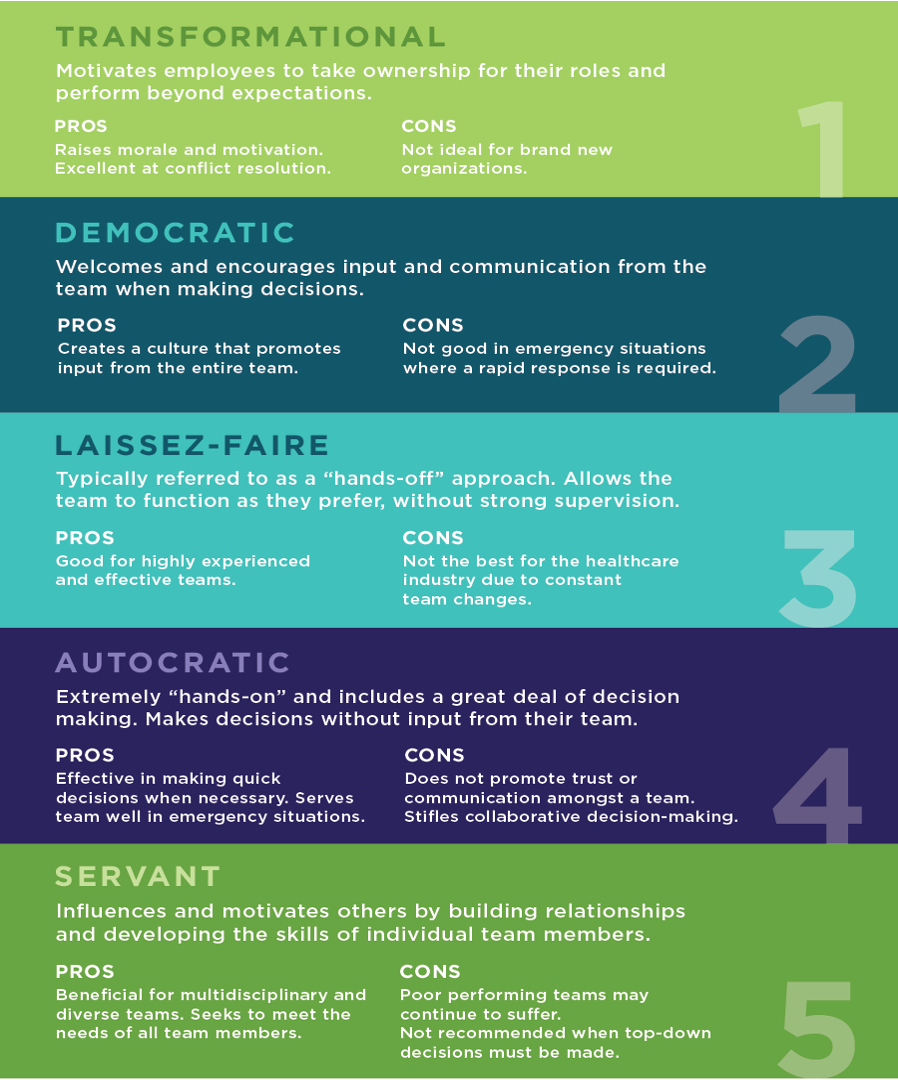
STRATEGIES FOR HANDLING DIFFICULT GROUP DYNAMICS
Know your team (group role, etc.)
Tackle problems quickly with good feedback
Define roles and responsibilities
Break down barriers
Focus on communication
Pay attention
UNDERSTANDING YOUR OWN STYLE
Dealing with difficult situations in teams and work situations is normal and it’s important to develop the skills to work towards a solution with your team members
Understanding our own emotional triggers helps us become better communicators,
listeners, friends, and leaders.
High performing teams play to each others strengths and celebrate diversity
5 modes & 2 dimensions
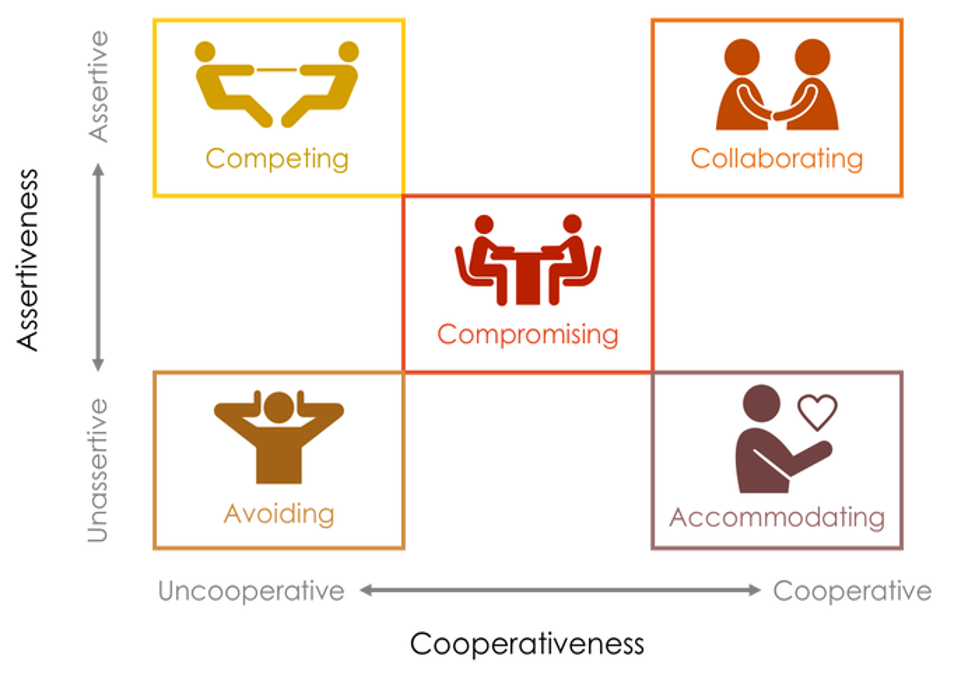
THE THOMAS KILMAN INSTRUMENT
The Thomas-Kilmann Instrument is designed to measure your use of conflict-handling modes in various types of group and organizational settings.
All five modes are useful in some situations: each represents a set of useful social skills
None of us can be characterized as having a single style of dealing with conflict.
The overuse or underuse of some areas may lead to difficulty in relationships and unresolved conflict