Drugs
Drug Use and Abuse
Drug abuse certainly is a major problem in society today. Drug abuse does not just affect the user; drug abuse also affects almost everyone who knows or is associated with the person who uses drugs. Drug use and abuse may lead to many problems: health problems, disease, death, getting fired from a job, financial problems, abusing other people physically and emotionally, arrest and spending time in jail or prison, and more. Drugs also have effects on the body and brain that cause the user to do things he or she normally would not consider doing, and that affects family members, friends, and other loved ones. Drug abuse disrupts all components of health.
Articulate Content Library
When you hear the word "drug," what does it make you think of? Do you think of things like marijuana and other street drugs? Maybe you think of prescription drugs. You might even think of alcohol or cigarettes. However, over-the-counter medicines like aspirin, Motrin, Tylenol, cough and cold medicines, allergy medicines, and many others are drugs as well. Webster's Dictionary defines a drug as "a substance other than food intended to affect the structure or function of the body." Therefore, a drug is any of those things listed above.
Webster's Dictionary defines a drug as "a substance other than food intended to affect the structure or function of the body."

Articulate Content Library
If you hear about people who use or abuse drugs (other than as prescribed by a doctor), or if you actually see people doing drugs, you might ask yourself why they do that and why they don't stop. It is not easy to stop drug use, and the path to recovery is not simple. Because of the way drugs affect the brain and the body, they can lead to addiction. Once someone is addicted to a drug, that person will usually have a hard time stopping, especially without professional help from a drug abuse counselor or someone else who is trained in treating someone with drug problems. Many of the drug treatment programs are very effective. However, even if someone is not yet addicted to drugs, treatment programs might be helpful in preventing addiction or further drug use.
Reasons Teens Use Drugs
There are many reasons teens might decide to use drugs. Some of the most common reasons include:
Peer pressure and a desire to feel accepted
Rebellion against parents, school, etc.
An attempt to escape from personal problems at home, school, or in relationships
A false sense of confidence or security
Boredom
External pressures to perform or maintain high standards or expectations
Lack of knowledge about harmful effects on the mind, body, and other people
To help you stay away from drugs and resist drugs and drug abuse, and to help you help others stay off (or get off) drugs, you need to know the above reasons for why people do get involved in drugs. You will also need to encourage others (and yourself) to look at the right way to live life as designed by God rather than living according to the fake or counterfeit ways of the world. If you or any of your friends struggle with any drug-related issues, you need to recognize it and then try and get help. It is important that the person who has the drug problem sees a Christian counselor who can help direct that person to help and hope.

Articulate Content Library
It is also imperative to keep the mindset that, as a believer in Christ, your body is the temple of the Holy Spirit and you are to be a good steward of the physical body God gave you, so you need to do whatever you can to help others (and yourself) remember this and live it. Doing the right things is important, and refraining from those things that negatively affect you, such as drug abuse, is also very important. Therefore, to be a good steward of your body, be committed to doing the right things and being diligent to stay away from the negative things.
Addiction
"Addiction" is a word that comes from the word "addict." Someone who is addicted is mentally and/or physically dependent on a certain thing or substance; if someone is addicted to a substance, that person is not able to stop using (taking) the substance he or she is addicted to without professional intervention and/or without negative health effects. Someone can be addicted to caffeine, drugs, alcohol, technology, or almost anything.
Drug Addiction
Most of the time, when someone decides to start doing drugs, it is by choice or voluntary, but that is not always the case. No matter what caused the addiction, it is the repeated and continued use of the drug that maintains the addiction. Repeated and frequent use brings a person to the point where he or she loses self-control and the ability to resist doing the drug (or drugs). The drug actually affects the brain, and those changes cause addiction. Those changes often reach a point where, even if a person stops doing the drug, the person will still be at great risk for suffering a relapse (going back to the drug after a period of not using the drug). The relapse can happen within months, or it might occur many years after the person stopped using the drug.
As stated before, there are many effective treatments for drug addiction. However, even if a treatment is effective, it does not mean the person will not ever suffer from a relapse. Therefore, someone who was addicted to drugs must continue in a treatment program to help prevent a relapse. Sometimes a different treatment might be needed, too. Drugs are powerful, and drug addictions are difficult to overcome.
The Brain on Drugs
Most drugs affect the "reward circuits" in the brain. They do that by sending a chemical called dopamine from the brain to other parts of the body. The parts of the body receiving the dopamine feel "rewarded" in that the reward changes what the individual finds pleasant or pleasurable, and that encourages the person who took the drug to want to continue/repeat using that drug for the rewards he or she perceives he or she is getting. The happy feeling the drug causes is often called the "high."
Articulate Content Library
As a person continues to use a certain drug or drugs, the brain changes how much dopamine it produces in a way that, over time, causes the person who is using the drug to need more of that drug to experience the same high. This change in dopamine production is called tolerance. In other words, the brain and body will be able to tolerate more of a drug over time and usage. The longer a person takes a drug, the greater the amount of that drug he or she will need to get the same effect as during previous uses. The amount the person needs could eventually be enough that the end result is a drug-induced overdose (which is taking enough of a drug to potentially cause death).
Using drugs over a long period of time also causes other changes in the brain and the chemicals the brain produces. Those changes can impact behavior, judgment, memory, learning, decision-making abilities, and stress levels. Even when people know that drugs are harmful and dangerous, there are still many who start taking drugs and/or continue to use them. That is the battle of addiction.
Factors of Addiction
There is no single factor that can predict whether or not someone will become addicted to drugs. However, experts believe that a combination of factors influences the risk of becoming addicted. The more of the risk factors a person has, the more likely that person will be to become an addict. Those factors are described below.
Biology
–
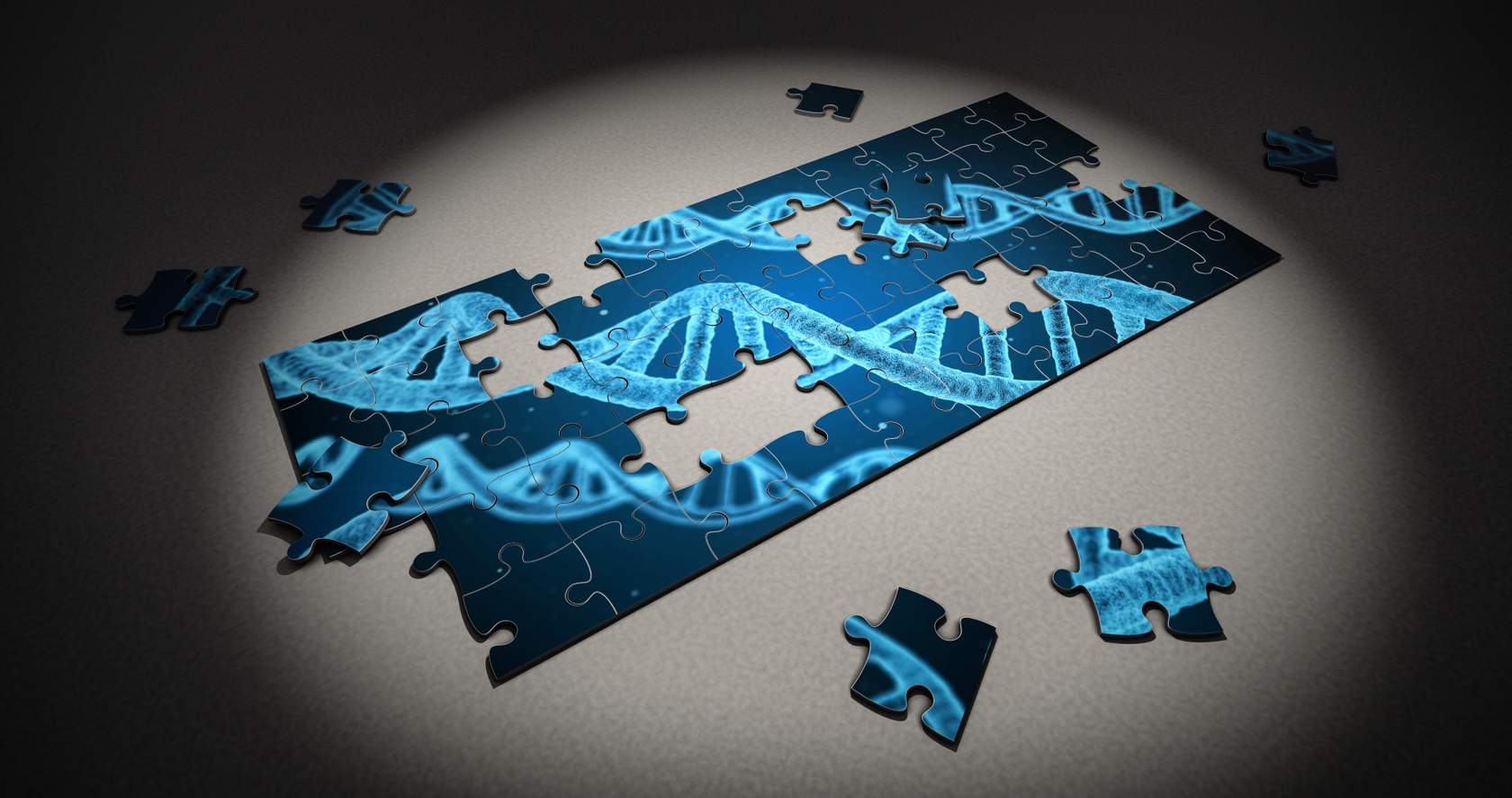
Half of your risk of becoming addicted is based on the genes you were born with. In addition, your gender, your ethnic background, and whether a relative of yours has a mental disorder also influence your risk. The genes a person is born with account for about 50% of that person's risk of addiction.
Environment
–
Your environment is also a major influence on whether or not you will become addicted to drugs. Your environment includes many things—family, friends, social status (income level), quality of life, etc. Peer pressure is one of the greatest environmental influences that will play a role in whether or not you will become addicted to drugs, but there are other factors such as being exposed to drugs at a young age, sexual abuse, neglect, stress, and parental involvement, guidance, and support.
Development
–
Genetic and environmental factors interact with vital stages of development, and those interactions can impact the risk of addiction. Even though it is possible to become addicted at any age, the earlier or younger a person is when starting to use drugs, the more likely he or she will be to become addicted. This is a serious concern and a potential problem for teenagers because during the teen years, the brain has not finished developing, and that makes teenagers more likely to partake in any risky behavior. It only takes one time to lead to addiction.
Prevention and Treatment
Addiction is a chronic disease, and as with almost every other chronic disease (asthma, diabetes, cancer, heart disease, etc.), there is no cure. However, just like for many diseases, there are effective treatments, and addiction can be managed successfully. Addicts who are in treatment programs are considered to be recovering. Those recovering from addiction run the risk of relapse for years, and most are at risk of relapse for the rest of their lives. Research shows that when treatments for addiction are combined with behavior therapy, the risk of relapse is lower. In addition, when the treatment programs take into consideration the individual patients and which drug or drugs were used (as well as how), along with medical, social, and emotional (or mental) problems, the chances of a full recovery without relapse increase.
What is even better news is the fact that drug use and addiction are completely preventable. Results from a research study that was funded by the National Institute on Drug Abuse (NIDA) indicate that some prevention programs are especially effective in preventing drug use. The most effective drug prevention programs involve families, schools, communities, and the media. Although personal events and cultural factors can impact drug use statistics, when children and teens see using drugs as bad or harmful, they are less likely to start trying or using drugs. This means that it is important to educate children and teens when they are young while reaching out to parents, teachers, schools, and other people who are influential in their lives. Everyone has a role to play in preventing drug use and abuse.