4 WiFi Topologies and Network Design
WiFi Topologies
Creating Large Wireless Networks
Setting up WiFi networks requires careful planning compared to wired Ethernet.
Ensuring coverage of a large area is a key consideration.
The WiFi network must connect to the broader network (e.g., the Internet or a LAN).
Basic Service Set (BSS)
A BSS is a fundamental building block of a WiFi network.
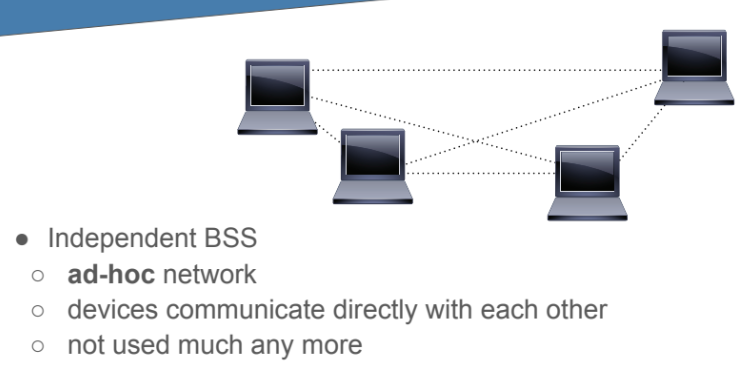
Independent BSS (ad-hoc network):
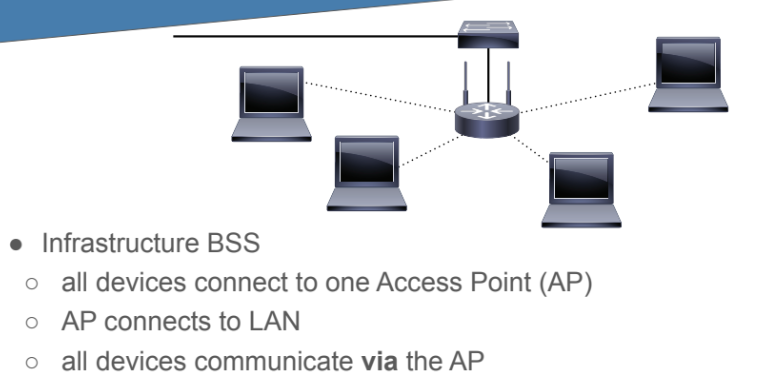
Infrastructure BSS:
Extended Service Set (ESS)
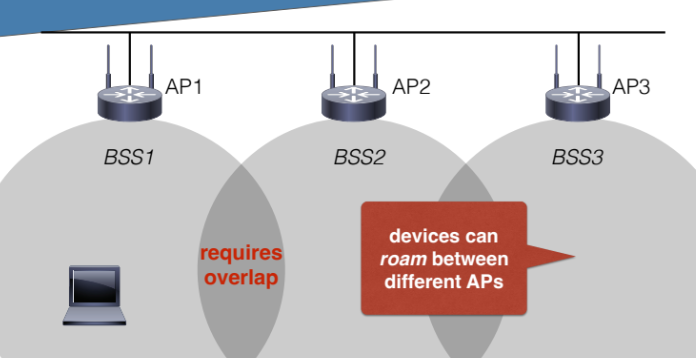
An ESS extends the range and mobility of a WiFi network.
It comprises multiple infrastructure BSSs.
APs communicate to forward traffic between BSSs.
APs communicate via a distribution system (LAN).
Devices perceive a single Layer 2 connection, simplifying network access.
Roaming between different ESSs is not supported by the 802.11 protocol and requires higher-level protocols like Mobile IP.
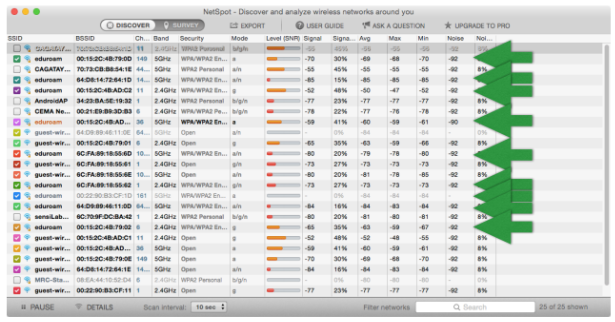
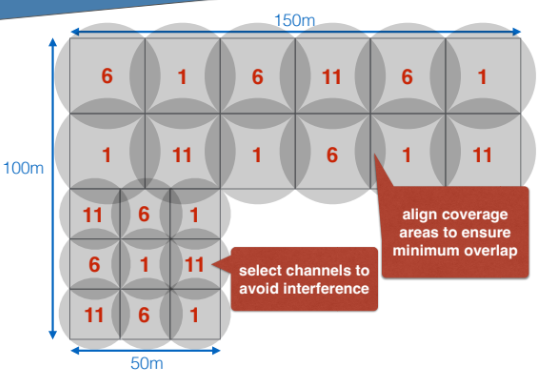
NetSpot Example
Planning Example (2.4 GHz)
Attenuation
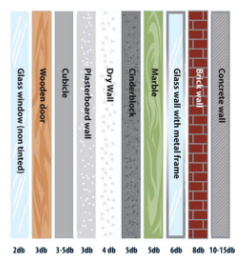
Walls significantly attenuate WiFi signals.
attenuation means the signal strength is halved.
attenuation means the signal strength is reduced to .
Attenuation is more pronounced at 5 GHz compared to 2.4 GHz.
from liveport.com/wifi-signal-attenuation
Improving WiFi Performance
Upgrade to newer WiFi standards like 802.11ac or 802.11ax for better performance.
Optimize AP placement:
Minimize the number of walls between AP and devices.
Mount APs on the ceiling or high up to reduce obstacles.
Avoid placing APs in closets or enclosed spaces.
Eliminate interference:
Identify and remove other devices operating on the same frequencies (Bluetooth, cordless phones, microwave ovens).
Use directional antennas to focus and strengthen signals in specific areas.
Reducing WiFi Demand
Never place a server on a WiFi network.
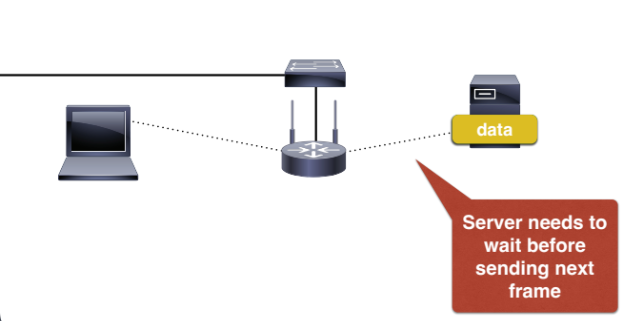
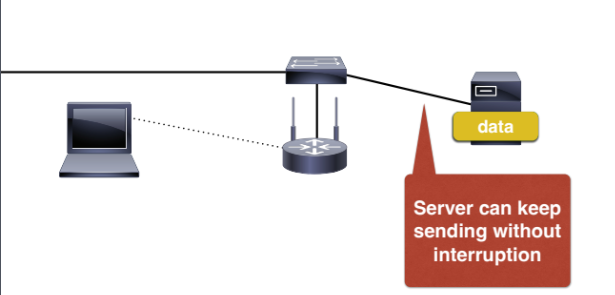
All devices communicate through the AP, sharing the same medium.
A server doubles the traffic in the WiFi network, reducing performance for other devices.
Provide sufficient wired Ethernet sockets.
Don't rely solely on WiFi.
Use wired connections for high-bandwidth hardware or when WiFi is problematic. (like for the server)
Summary
Simple WiFi networks consist of a Basic Service Set (BSS) with an access point and client devices.
Extended Service Sets (ESS) connect multiple BSSs using the same Service Set Identifier (SSID or network name).
ESS allows devices to roam seamlessly between BSSs without losing connections.
Designing a WiFi network requires careful consideration and planning.