W4 L2: Stereotypes II
how are stereotyes maintained?
stereotypes are socially shared within communities
broken telephone, gossiping - communication is not straight forward, it changes slightly everytime its passed around
STUDY
Lyons & Kashima (2001)
examined transmission of stereotypes in communication chains
described an australian footballer - stereotype consistent (drinks beer, goes to parties and gets angry) and stereotype inconsistent (likes classisc music, flowers)
as ppts shared the description, inconsistent info dissapeared but consistent info didnt
storied became more stereotypical in content, this is due to:
cognitive processes - we remember and pay more attention to stereotype-consistent info
social processes - we want to establish common ground with others, signal were on the same page
Linguistic Abstraction
STUDY
linguistic category model - Sam and Fiedler 1988
descriptions can be: Specific → Abstract
description verb (DAV) - “Beavis hit Butthead”
interpretative action verb (IAV) - “Beavis hurt Butthead”
state verb (SV) - “Beavis hates Butthead”
adjective (Adj) - “beavis is aggressive”
Linguistic intergroup bias (LIB)
examined how language abstraction used to describe ingroup and outgroup members can trans mit and sustain stereotypes
STUDY
horse racing competition
ppts were supporters of competing teams
showed images and asked to describe them
desirable vs. undesirable actions
ingroup vs. outgroup actors shown
looked at how abstract the language was used
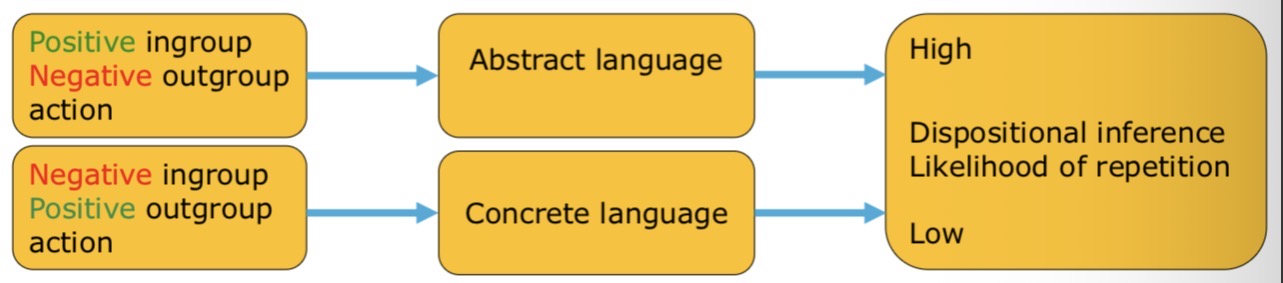
he found that ppts tend to use more abstract language when we describe positive ingroup and negative outgroup bhv
consequences of LIB
Participants read descriptions of behaviours generated in Study 1 (without seeing the cartoons)
ppts were asked:
how likely they thought that the action described was to be repeated in the future
what does the informations reveal about the protagonist
results:
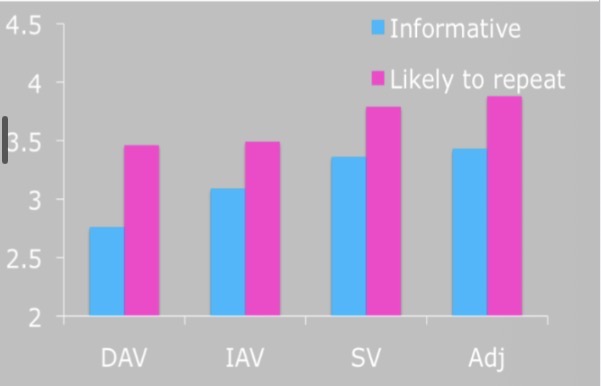
increasing level of abstraction → more informative about the actor and more likely to be repeated
language abstraction propagates stereotypes
positive ingroup and negative outgroup bhv is presented as enduring and typical
applied to members of a group repeatedly this leads to stereotyping
being stereotyped
historically - research focused on documenting/ describing stereotyoes and their use
recently effects of stereotyoes have been considered - focus on the stereotyped and how it affects them
stereotype threat
STUDY
Steele & Aronson (1995)
examined performance on an intellectual ability test among black and white ppts with ethnicity made salient or not
ethnicity made salient - asking ppts for demographic info immediataly before taking verbal ability test
ethnicity not salient - demographic info not collected
Does a reminder about ethnicity affect performance on this task?
when salient white ppts did significantly better than black ppts
when not salient black ppts did better than white ppts
stereotype threat: women in stem
STUDY
Spencer, Steele & Quinn (1999)
male and female ppts selected had the same math abilities
ppts asked to take a maths test that was either described as being diagnostic of gender differences in math or not
when ppts were told it described differences, women had much lower scores when compared to men and when compared with the other condition
when test wasnt described both men and women has similar scores
stereotype threat: Process
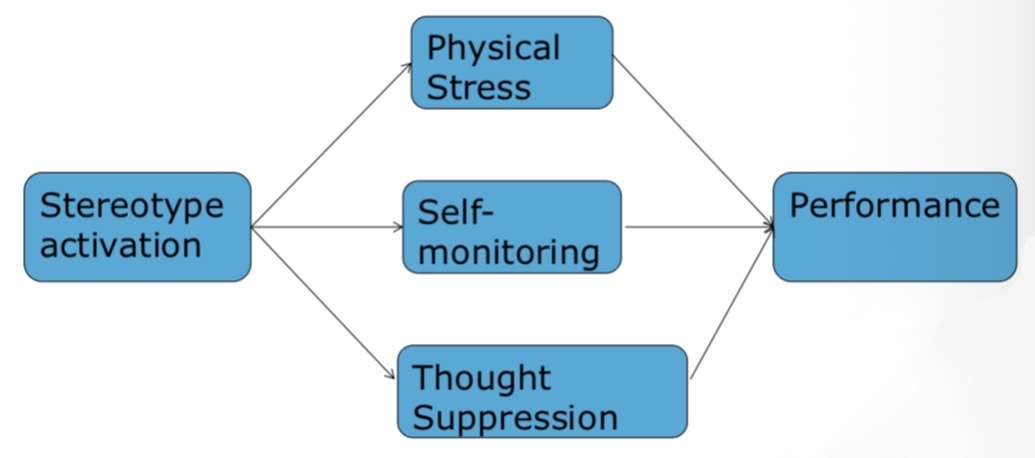
stereotype treath performance decrements can be prevented by:
- reducing perceptions of threat: individuating, making multiple identities salient, perceptions of stereotyped qualities as malleable
- strengthening coping: self-affirmation, mindfulness
- creationg identity safe environments: role models, single-group environments
preventing stereotype threat
STUDY
Sherman et al. (2013)
to counter the effects of stereotype threat on Latino American middle school students’ performance in academic tests (US)
ppts: 6-8 grade students, 103 European American, 81 Latino American
method: intervention focused on value affirmation
2 conditions: value affirmation, control
- “What are your personal values?” Write a few sentences describing why these things are important to you
- describe something that’s important to you in your life
Writing an essay describing how this value will be important to you in the coming spring
Latino American students earned higher grades in the affirmation condition (compared to control) in the end of the year
European American students were unaffected
Challenging stereotype threat in university
who is most likely to suffer from stereotype threat at uni? what courses?
what are some initiatives we as a uni could put in place to tackle ST?