LESSON 1: Patterns and Numbers in Nature
Patterns…?
they have/are:
structure
recurring
regularity [ex. trees]
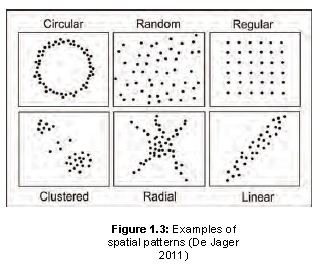
Spatial Pattern
arrangement and distribution of features across a geographic area
Symmetry
both sides are identical in shape and size
Leonardo da Vinci’s Virtuan Man
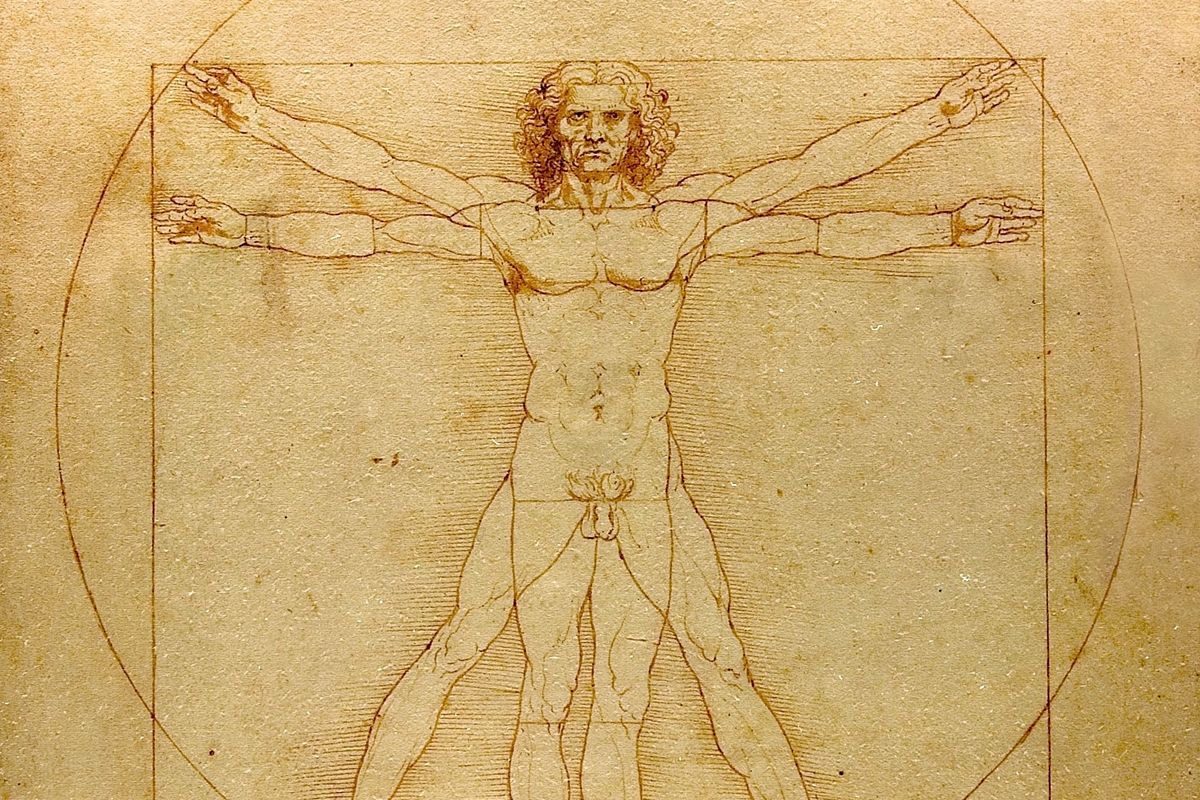
famous drawing by Leonardo represents the ideal human body proportions, with the body’s symmetry and balance used to demonstrate both scientific and artistic principles. The pattern of human proportions is based on specific ratios, and this idealized figure shows balance and symmetry, with the arms and legs spread to fit into a square and a circle.
Asymmetrical
not identical in shape or size
Tiling (Tessellations)
covering a surface with geometric shapes (tiles) without any overlaps or gaps
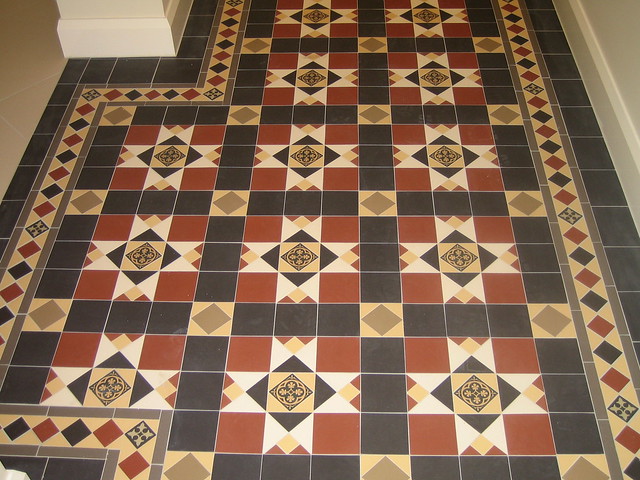
Angle of Rotations
This refers to the idea that when you rotate a shape around a point by a specific angle, the pattern remains the same, no matter where you rotate it.
Word Patterns
arrangement of letters or sounds in words or phrases that repeat in a certain way. These patterns can be used in language for rhyming, rhythm, or organization.
ex. Rhyming, Haikus
Analogy
comparison between two things that are alike in some ways, often to explain or clarify an idea. It helps to show the relationship between two concepts or objects.
(:) = is to (::) = as
ex. Teacher : Student :: Doctor : Patient
Teacher’s is to Student as Doctor’s is to Patient