Unit 3: Keeping fit
trigger (v): to cause something to start
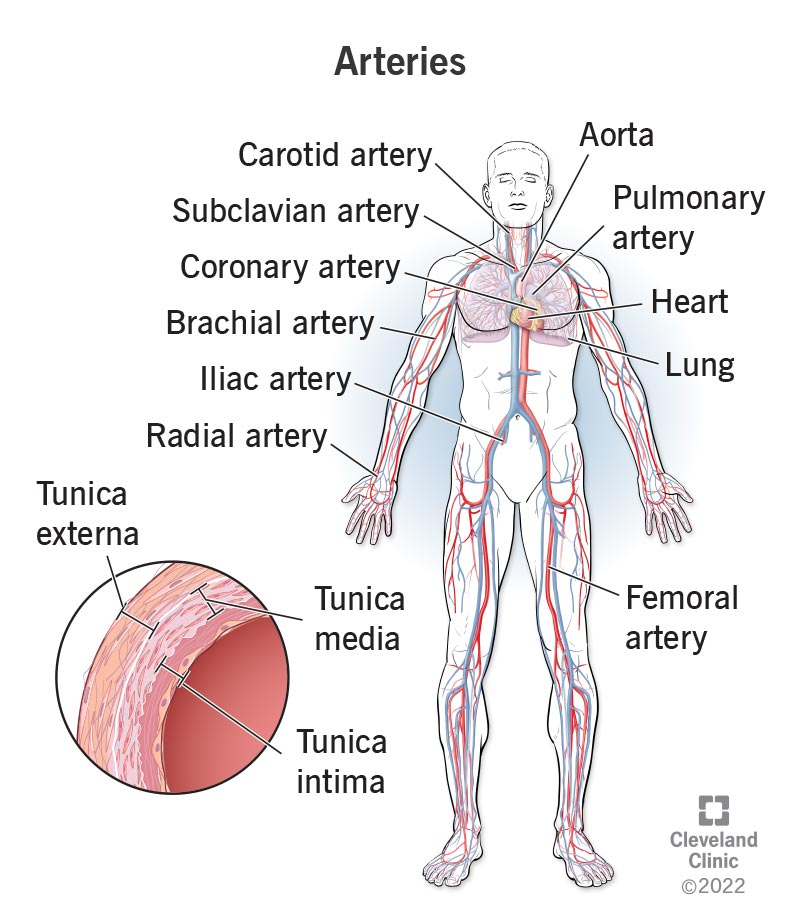
artery (n): one of the thick tubes that carry blood from the heart to other parts of the body; an important road or railway line
craving (n): a strong feeling of wanting something
e.g.: I have a craving for chocolate.
infection (n): a condition in which bacteria or viruses that cause disease have entered the body
e.g.: Bandage the wound to reduce the risk of infection.
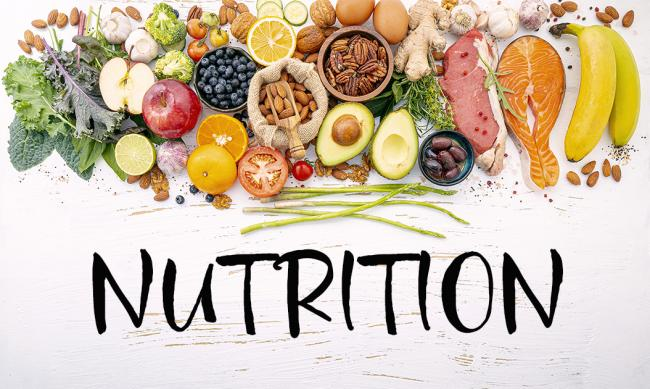
nutrient (n) vs. nutrition (n)
:max_bytes(150000):strip_icc()/nutrients-what-they-are-and-why-you-need-them-2507078-FINAL-e65d7ad29bdf4d99afca860abc76d19a.png)
-onset (suffix): (of an illness or medical condition) starting at the stated time or in the stated way.
e.g.: early-onset dementia
acute (adj): In medicine, acute describes severe conditions, illnesses, or injuries that need immediate care
e.g.: Not all hospitals can provide acute care.
chronic (adj): (especially of a disease or something bad) continuing for a long time
brisk (adj): quick, energetic and active
e.g.: Her tone on the phone was brisk (= she spoke quickly and used few words) and businesslike.
infectious (adj): (of a disease) able to be passed from one person, animal, or plant to another; able to pass a disease from one person, animal, or plant to another
e.g.1: an infectious disease/ patient
e.g. 2: After the 21-day isolation period, Ebola survivors are no longer infectious.
obese (adj): extremely fat in a way that is dangerous for health
e.g.: She was not just overweight; she was clinically obese.
counteract (v): to reduce or remove the effect of something unwanted by producing an opposite effect
e.g.: Drinking a lot of water counteracts the dehydrating effects of hot weather.
curb (v): to control or limit something that is not wanted
dietitian/ dietician (n): food scientist
harmful (adj) >< harmless (adj)
nutrition (n) - nourish (v) - nutritious (adj)
-tion at the end of a word usually indicates that the word is a noun: action, repetition.
-tious indicates an adjective: repetitious
Words are often used with the word “health”
Nouns: health benefits, health risks, health problems, health care, health education, health system
Adjectives: in good health. in poor health, in excellent health
We can use “healthy” to describe things other than your body: a healthy appetite, a healthy diet, a healthy economy, a healthy disrespect for authority