The European Union
Key Word
Supranational organisation is one in which nation states transfer sovereignty to institutions which then have their own independent authority to create laws that take precendence over national laws. EU law takes priority over national law in Spain
History of the European Union
Key milestones in the EU's history:
1951: Establishment of the European Coal and Steel Community (ECSC) by six founding members Germany, France, Italy, the Netherlands, Belgium and Luxembourg
1957: Creation of the European Economic Community (EEC) through the Treaty of Rome, aiming for a common market.
1992: Signing of the Maastricht Treaty, which established the European Union and set the stage for a single currency, foreign policy, and other areas of integration.
1993: The EU officially comes into being, incorporating the EEC and other existing European communities.
1999: Introduction of the euro, the EU's single currency.
2002: The euro becomes the legal tender in 12 member states.
2012: The EU is awarded the Nobel Peace Prize, recognizing its efforts in promoting peace and democracy in Europe.
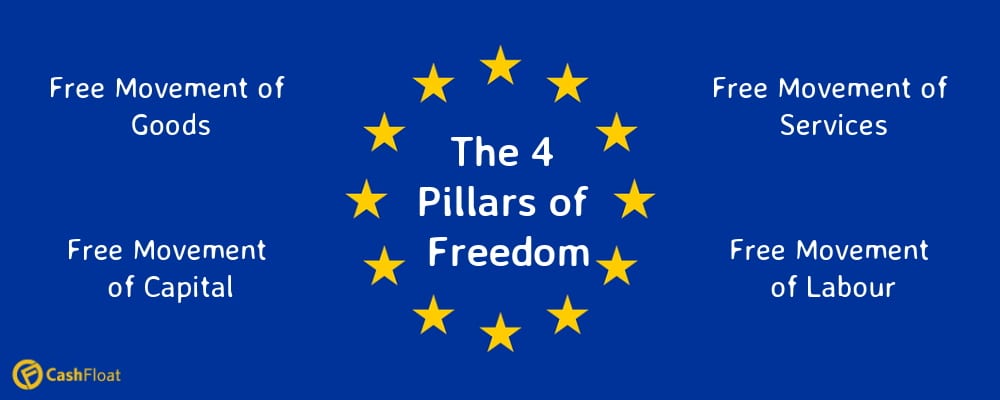
Political and economic union’
European Parliament. ...
European Council. ...
Council of the European Union. ...
European Commission. ...
Court of Justice of the European Union. ...
European Central Bank. ...
European Court of Auditors.