Unit 1 Vocab.
==1a Key Terms==
Tang Empire: Had a strong and benevolent rule, successful diplomatic relationships, economic expansion, and a cultural efflorescence of cosmopolitan style.
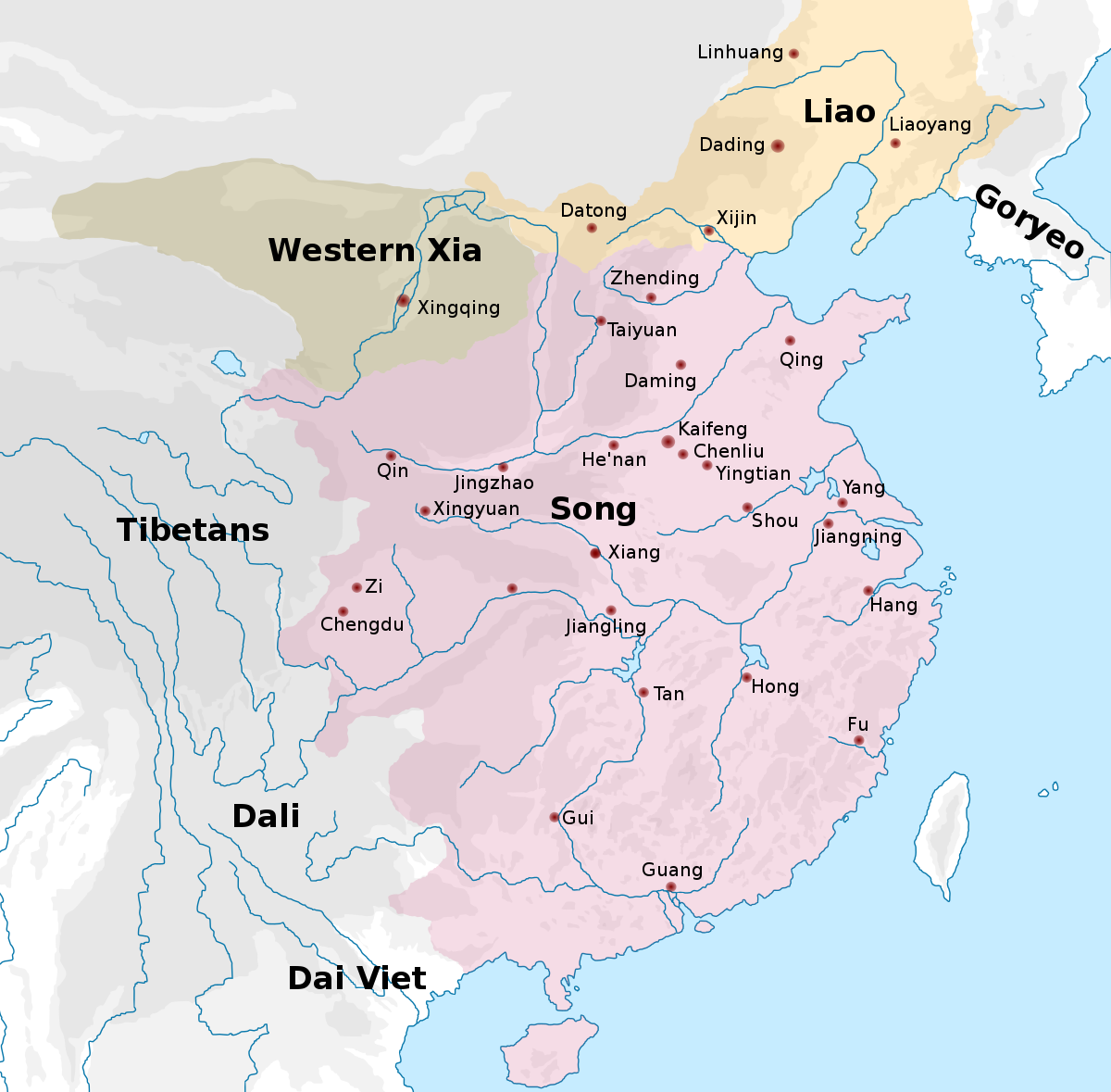
The Song Empire: The Song dynasty is particularly noted for the great artistic achievements that it encouraged and, in part, subsidized.The Song Empire suffered a disastrous military defeat at the hands of invading Jurchen-led Jin dynasty from the north in 1127 during the Jin–Song wars. Following the Jingkang Incident, the remnants of the Song court were forced to flee south from Kaifeng and establish a new capital at Hangzhou.
Mahayana Buddhism: Mahayana Buddhist believe that the right path of a follower will lead to the redemption of all human beings. The Hinayana believe that each person is responsible for his own fate.
Confucianism: Confucianism rests upon the belief that human beings are fundamentally good, and teachable, improvable, and perfectible through personal and communal endeavor, especially self-cultivation and self-creation.
Jurchens: Jurchen is a term used to collectively describe a number of East Asian Tungusic-speaking peoples, descended from the Donghu people.
Neo-Confucianism: The Neo-Confucians sought to promote a unified vision of humane flourishing that would end with a person becoming a sage or worthy by means of various forms of self-cultivation.
Civil Service Examinations: a system of testing designed to select the most studious and learned candidates for appointment as bureaucrats in the Chinese government.
Foot-Binding: it was a popular method of displaying status. Women especially from the upper class had their feet bind as it was believed that aristocratic women do not have to make many movements because their households were replete with servants.
@@1b Key Terms@@
Muhammad: Muhammad was the chosen recipient and messenger of the word of God through the divine revelations
Caliphate: the political-religious state comprising the Muslim community and the lands and peoples under its dominion in the centuries following the death (632 ce) of the Prophet Muhammad.
Baghdad: The city was founded in 762 as the capital of the Abbasid dynasty of caliphs, and for the next 500 years it was the most significant cultural centre of Arab and Islamic civilization and one of the greatest cities of the world. It was conquered by the Mongol leader Hülegü in 1258, after which its importance waned.
Dar-al-islam: Dar al-Islam literally means 'House of Islam', or basically the parts of the world where Islam is a dominant force.
Turkish Mamluks: The name is derived from an Arabic word for slave. The use of Mamluks as a major component of Muslim armies became a distinct feature of Islamic civilization as early as the 9th century CE. The practice was begun in Baghdad by the ʿAbbasid caliph al-Muʿtaṣim (833–842), and it soon spread throughout the Muslim world.
Seljuk: n 1194, Togrul of the Seljuk empire was defeated by Takash, the Shah of Khwarezmid Empire, and the Seljuk Empire finally collapsed.
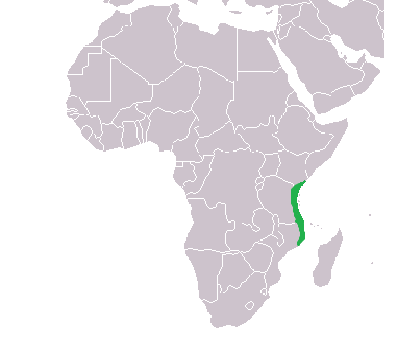
Swahili Coast:a narrow strip of land that stretches along the eastern edge of Africa from Somalia in the north to Mozambique in the south. The Swahili Coast, an 1,800-mile stretch of Kenyan and Tanzanian coastline, has been the site of cultural and commercial exchanges between East Africa and the outside world
Gujarat: had rich agricultural lands and a long coastline, and prospered from increased trade with Delhi's ruling class.
%%1d Key Terms%%
\n