Doping and Drug Misuse in Sport
Doping and Drug Misuse in Sport
Introduction to Doping and Drugs
Significant Pressures: The pressures to perform at competitive levels result in the use of substances for enhancement, a phenomenon known as doping (Reardon & Creado, 2014).
Scope of Problem: Although cycling has been subject to many high-profile cases of doping, this issue affects virtually all sports and age groups.
Performance-Enhancing Substances include:
Illegal drugs
Prescription medications
Over-the-counter dietary supplements (available in online stores, health food stores, and grocery stores).
Drug Detection Improvements: As detection methods become more sophisticated, athletes continuously evolve methods to avoid detection (Teale et al., 2012).
Medical Risks: The medical risks associated with doping necessitate thoughtful prevention and management techniques.
Sport Organization Policies
Substance Policies: Various organizations including high schools, governing bodies, universities, professional leagues, national and international bodies, and the Olympics have established substance policies.
Awareness of Policies: Athletes must stay updated on rapidly changing policies, as ignorance is not an acceptable excuse for testing positive.
World Anti-Doping Agency (WADA): Publishes the annual Anti-Doping Code which outlines rules and principles that organizations must adopt, implement, and enforce.
Prohibited Substances: The code specifies substances that are prohibited at all times (in and out of competition) and those prohibited only during competitions (from 11:59 PM on the day before the competition until the event concludes).
Expansion of Prohibited List: The WADA list may expand based on the specific needs of certain sports.
Reasons for Prohibition: WADA does not provide explicit reasons for the prohibition of substances, but criteria may include:
Performance enhancement
Negative impact on health
Negative impact on the spirit of sport.
High schools and colleges may have separate lists that may or may not align with WADA's guidelines.
Athlete Biological Passport
Concept: With WADA's influence, the athlete biological passport was developed to monitor specific parameters over time that indicate doping effects.
Function: This monitoring establishes individual baseline hormone and blood levels, identifying changes that may indicate doping practices.
Protection Against False Positives: The system is designed to protect athletes from false positives due to naturally occurring substances.
Testing and Penalties: Athletes competing at national and international levels undergo standardized drug testing with penalties for adverse findings, which can include:
Temporary or permanent ineligibility
Disqualification of results
Revocation of awards
Public sanctions and fines.
Therapeutic Use Exceptions (TUEs): Athletes may apply for TUEs if they have medical justifications for needing prohibited medications, a process also available through NCAA.
Therapeutic vs. Non-Therapeutic Enhancement: Clarification of therapeutic performance enhancement (e.g., SSRIs for depression) versus non-therapeutic or ergogenic enhancement.
Prevalence and Risk Factors
Prevalence Rates: Lifetime or current prevalence rates of doping vary significantly based on sport, substance, detection methods, and definitions, ranging from 1-70%.
Self-reported data tends to underreport the true prevalence.
Only 1-2% of WADA's urine and blood tests result in adverse findings, with 48% of those for androgens (de Hons et al., 2015).
Standard testing methods are often inadequate for detecting advanced doping techniques; recent reports indicate 43.6% - 57.1% of elite athletes reported doping in the past year.
Risk Factors for Doping:
Pressure to perform at high levels.
Need to maintain scholarships, paychecks, or sponsorship deals.
Coping with pain from injuries.
Development of substance abuse disorders from regular use.
Psychological and physiological drives to avoid withdrawal symptoms.
A history of doping practices that predates significant financial incentives in professional sports.
Androgens
Types of Androgens include:
Exogenous testosterone
Synthetic androgens (e.g., nandrolone, danazol)
Androgen precursors (e.g., dehydroepiandrosterone (DHEA), androstenedione)
Selective androgen receptor modulators (SARMs).
Side Effects of Androgens: Affect numerous body systems, including:
Reproductive: Decreased sperm production, fertility issues, reduced testicular size, increased risk of prostate cancer.
Cardiovascular: Dyslipidemia, indicated by abnormal cholesterol levels.
Hepatic: Hepatotoxicity, leading to liver damage.
Psychiatric: Risks include depression, mania, psychosis, and increased aggression.
Other impacts: Premature growth plate closure, skin issues (acne, facial hair, baldness), decreased menstrual function, tendon ruptures, and injection infections.
Performance Outcomes: Increased testosterone levels have been shown to enhance muscle strength and mass (Storer et al., 2003). However, androgens have not been found effective for increasing endurance (Basaria et al, 2010).
Precursors and SARMs: Minimal evidence supports performance enhancement from androgen precursors or SARMs, despite some anecdotal claims.
Growth Hormone and Growth Factors
Effects of Human Growth Hormone (hGH):
Increases muscle mass.
Decreases adipose (fat) tissue.
Improves sprint capacity.
Growth Factors: Includes insulin-like growth factor (IGF) and insulin, with anabolic effects on muscle similar to hGH.
Side Effects: Known effects from hGH and growth factors include:
Insulin resistance
Hyperglycemia, or elevated blood sugar
Diabetes mellitus
Cardiomegaly, or enlarged heart
Premature growth plate closure
Myopathy, which affects muscle fibers
Hypertension
Edema, or fluid retention in tissues.
Stimulants
Types of Stimulants include:
Amphetamines, D-methamphetamine, methylphenidate, ephedrine, pseudoephedrine, caffeine, dimethylamylamine, cocaine, fenfluramine, pemoline, selegiline, sibutramine, strychnine, modafinil.
Effects:
Improve endurance and anaerobic performance.
Decrease feelings of fatigue and improve reaction time.
Increase alertness.
Aid in weight loss by allowing higher core body temperatures with less perceived effort, although this is potentially dangerous.
WADA Prohibition: Stimulants are prohibited categorically, but caffeine consumption is currently allowed at regulated levels in competition.
Caffeine: Although beneficial to a point, large doses do not enhance performance and can lead to adverse side effects.
Side Effects include:
Hypertension, tachycardia (rapid heartbeat), myocardial infarction (heart attack), stroke, heat illness, headaches, nausea, tremors, insomnia, anxiety, and psychosis.
Beta Agonists
Examples: Albuterol, formoterol, salmeterol.
Anecdotal Evidence: Indications exist of improved performance among swimmers using these agents prior to competition.
Physiological Effects:
Increased skeletal muscle mass.
Inhibition of protein breakdown.
Fat loss.
Usage Context: Swimmers commonly experience airway hyperresponsiveness and may require these substances to restore normal lung function.
Side Effects: Include tachycardia, anxiety, tremors, arrhythmias, and hyperglycemia.
Beta Blockers
Types of Beta Blockers: Propranolol, metoprolol, atenolol.
Physiological Effects:
Decreases heart rate.
Reduces hand tremors and anxiety.
Performance Enhancements: Particularly beneficial in sports requiring steadiness (e.g., archery, shooting, billiards).
Regulations: Prohibition in competition for specific sports and in some cases out of competition
Contradictions: Resulting decrease in heart rate may be ergogenic for some sports but detrimental in others due to reduced cardiopulmonary capacity.
Methods to Increase Oxygen Transport
Methods include: Blood transfusions and erythropoiesis-stimulating substances to potentially increase aerobic capacity.
Side Effects involve significant risks:
Myocardial infarction
Stroke
Deep vein thrombosis/pulmonary embolism
Blood clots
Hypertension
Antibody-mediated anemia.
Nutritional Supplements
Types: Vitamins, minerals, herbs, extracts, and metabolites.
Although not explicitly prohibited, they can be contaminated with banned substances like steroids or stimulants.
Excuse for Positive Tests: Substances being laced does not excuse a positive test result.
Creatine: The most popular supplement with evidence of increased maximum power output in specific studies, yet not prohibited. Risks include kidney disease (Baron et al., 2013).
Other Prescription Drugs
Diuretics and Masking Agents: Used in doping to facilitate rapid weight loss, particularly in sports like wrestling.
Potential side effects: dizziness, muscle cramps, rash, gout, renal insufficiency.
Masking Agents: Such as epitestosterone, conceal banned substances in testing.
Glucocorticoids: Employed for anti-inflammatory and analgesic properties but with limited performance enhancing evidence.
Side effects include hyperglycemia, fluid retention, muscle mass loss, osteoporosis, diabetes, hypertension, weight gain, obesity, cataracts, depression, mania, psychosis.
Psychiatric Medications: Usually not on the prohibited list, but some evidence indicates Bupropion may affect temperature perception under physically demanding conditions (Watson et al., 2005).
Recreational Drugs
Substances: Alcohol, cannabinoids, nicotine.
Current Regulations: WADA does not prohibit alcohol in competitions anymore. It has been used for pre-competition anxiety management and team cohesion post-competition but carries adverse effects like sedation and reduced recovery rates.
Cannabinoids: Recent WADA policies prohibit their use in addition to opioids, although cannabinoids may aid sleep and anxiety management.
Side effects include memory impairment and psychomotor slowness.
Opioids: Effective for pain but carry risks of dependence, nausea, and cognitive impairment.
Nicotine: Under WADA monitoring for its stimulatory effects, though accompanied by adverse outcomes like increased blood pressure and anxiety.
Gene Doping and Other Non-Drug Performance Enhancements
Gene Doping: Involves injecting DNA to enhance athletic performance, prohibited by WADA.
Potential benefits target genes associated with endurance, strength, and psychological effects but come with risks including cardiac hypertrophy and cancer.
Non-Drug Methods: Methods such as hypoxia induction (e.g., altitude training) are not prohibited and are gaining traction in enhancing performance through natural means.
Doping and Mental Health
Mental Health Connection: The interplay between mental health symptoms and substance use in athletes.
Athletes lacking coping strategies for stress may resort to doping.
Substances may temporarily alleviate symptoms of depression and anxiety, but lead to negative long-term mental health effects (e.g., rebound anxiety from marijuana).
Addiction Cycle: The need for increasing substance use to alleviate withdrawal symptoms may lead to further depression and anxiety.
Prevention
Role of Mental Health Clinicians: Essential for helping athletes develop coping strategies in the competitive sport environment.
Educational Outreach: Didactic education aims at informing athletes about the risks involved with doping and the medical consequences.
Drug Testing: An essential method for discouraging doping by detecting and penalizing violations. Effective drug testing is frequent, accurate, closely observed, and random.
Management
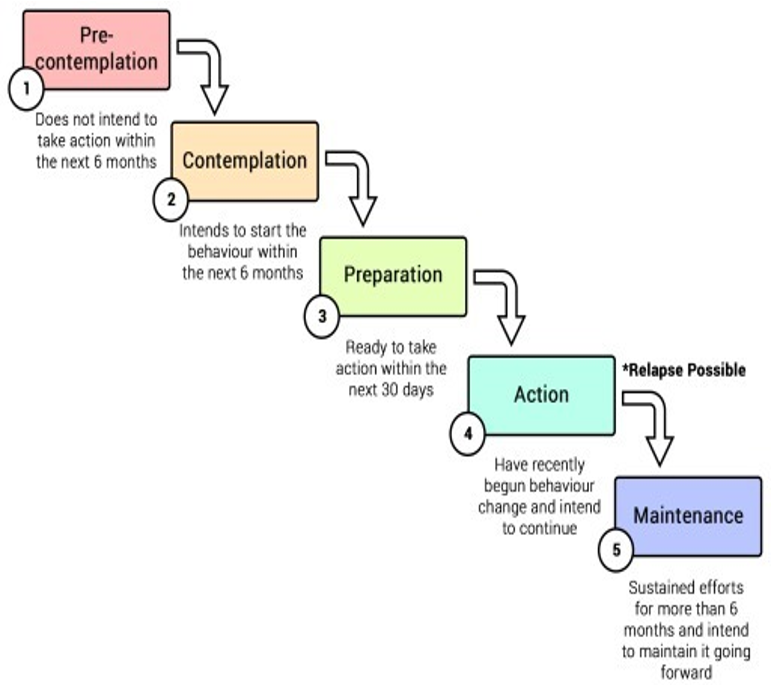
Motivational Interviewing: A therapeutic approach for managing doping and drug use, featuring the Transtheoretical Model (Prochaska et al., 1983) which comprises six stages:
Precontemplation: No intention of changing behavior.
Contemplation: Consideration of future behavior change.
Preparation: Readiness to act in the coming month.
Action: Recent behavioral change with intention to maintain it.
Maintenance: Sustained behavioral change lasting months, with ongoing intent.
Termination: No desire to return to unhealthy behaviors, with confidence to avoid relapse.
Athletes with positive test results generally remain in the precontemplation stage; motivational interviewing can assist in advancing them to contemplation.
Management Techniques
Essential Elements of Motivational Interviewing:
Clinician empathy to build rapport.
Discrepancy development between athlete's current state and future aspirations.
Rolling with resistance to avoid confrontation and encourage alternative perspectives.
Boosting self-efficacy for coping without ergogenic aids.
Other therapeutic options include:
12-step programs (e.g., Alcoholics Anonymous, Narcotics Anonymous)
Cognitive Behavioral Therapy
Network therapy.
For those dealing with addiction, pharmacological interventions may be necessary, especially with comorbid conditions such as anxiety or depression.
Practical Applications
Regular Updates: Inform athletes continually about prohibited substances from WADA and relevant sports organizations.
Clinical Screening: Healthcare providers should assess all athletes for potential performance-enhancing strategies.
Education and Encouragement: When encountering athletes involved in doping, educate them about risks and promote discontinuation.
Integration of Motivational Interviewing: Should be part of clinical encounters with athletes known to be doping.
Supportive Network Education: All personnel in the athlete's support network should learn about doping risks and the importance of prevention.
Mental Health Inclusion: Mental health professionals should be a consistent presence in athlete support
Strong Prevention Policies: Enforce rigorous urine testing and prioritize educational programs that offer evidence-based alternatives to doping, focusing on nutrition, training, psychological techniques, and recovery.
Resources for Further Learning
Documentary: Watch "Untold: Hall of Shame" (2023) on Netflix to explore doping and drug misuse in sports.