Bioenergetics
Open system: matter and energy can exchange with surroundings
Closed system: only energy can exchange with surroundings
Isolated system: neither matter nor heat can exchange with surroundings
Heat transfer is energy transfer due to temperature difference.
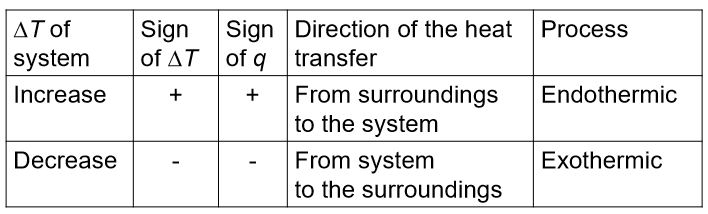
1 cal = 4.184 J - a dietary Calorie = 1kcal
q → heat transferred (J)
c → Specific heat capacity (J g^-1 K^-1)
m → mass of substance (g)
Heat capacity - the relationship between heat and temperature change per unit mass (g) but can also compare between same amounts (moles) of different species.
![At a constant pressure in [JK^-1mol^-1]](https://assets.knowt.com/user-attachments/8a087721-4c2f-4753-bdb4-be86d1151ecf.png)
Work (w) - energy that has been channelled in an organised way to do something useful
Work = force x distance
U → internal energy (J)
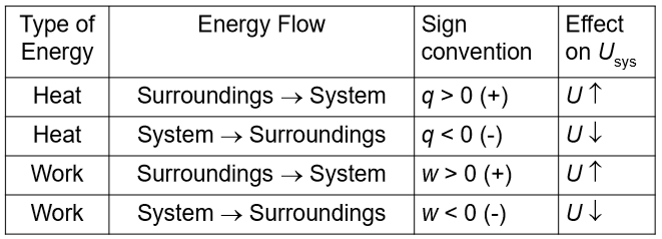
q → heat transferred to or from system (J)
w → work transferred to or from system (J)
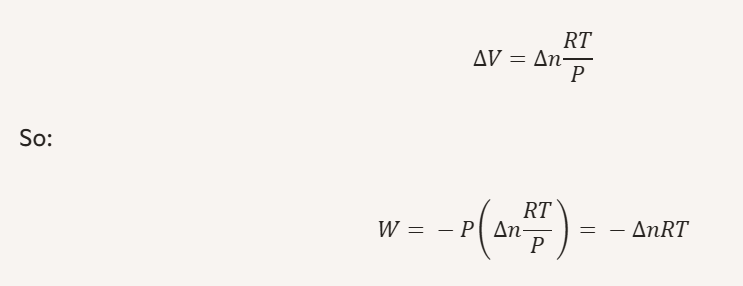
p → work was done at a constant pressure, w is negative
V → change in volume, must be greater than 0
Therefore:


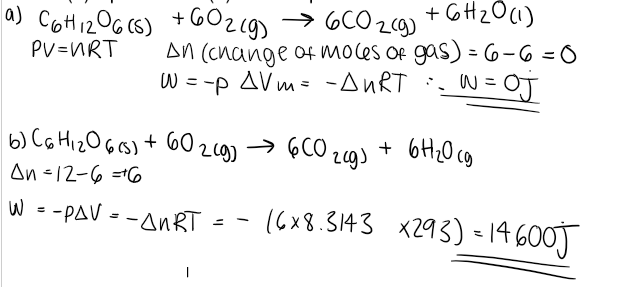
Look at last MCQ for a harder example.
H = U + PV
H → Enthalpy P → Pressure
U → Internal energy V → Volume
A value of a state function depends only on the state of the system, not the path by which that state was reached.
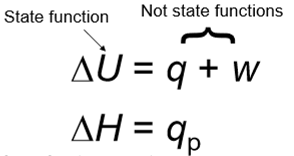
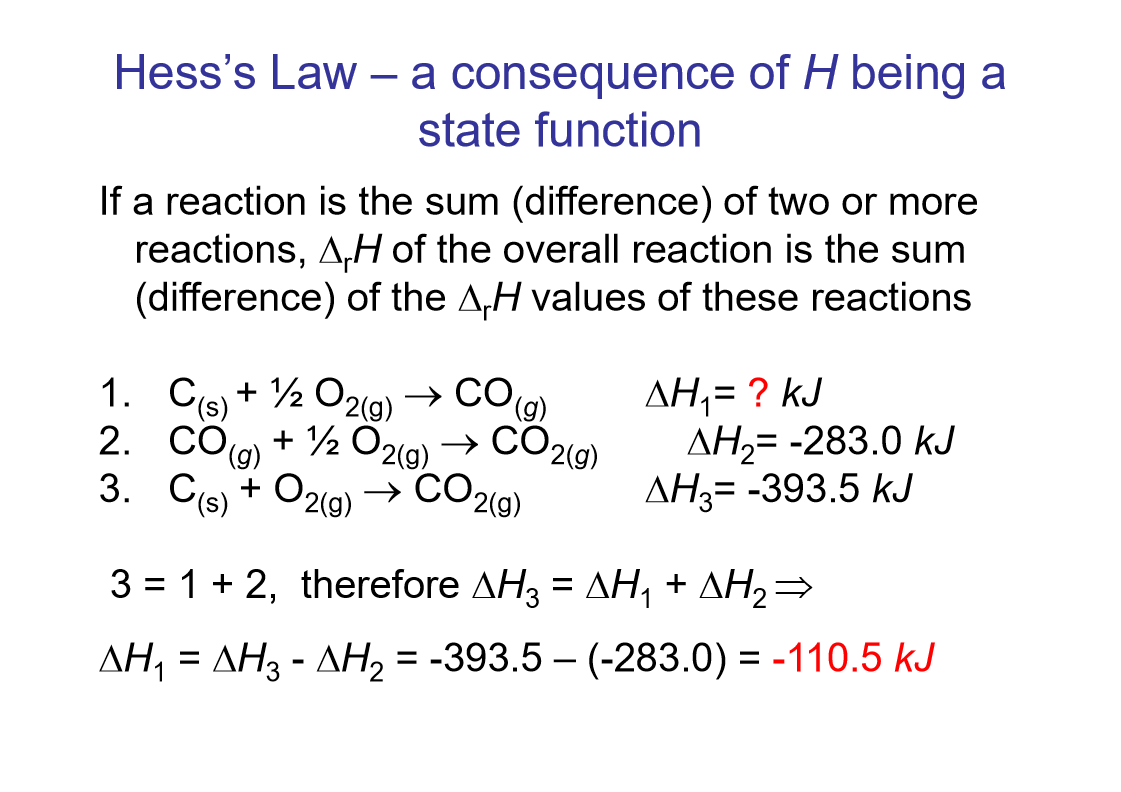
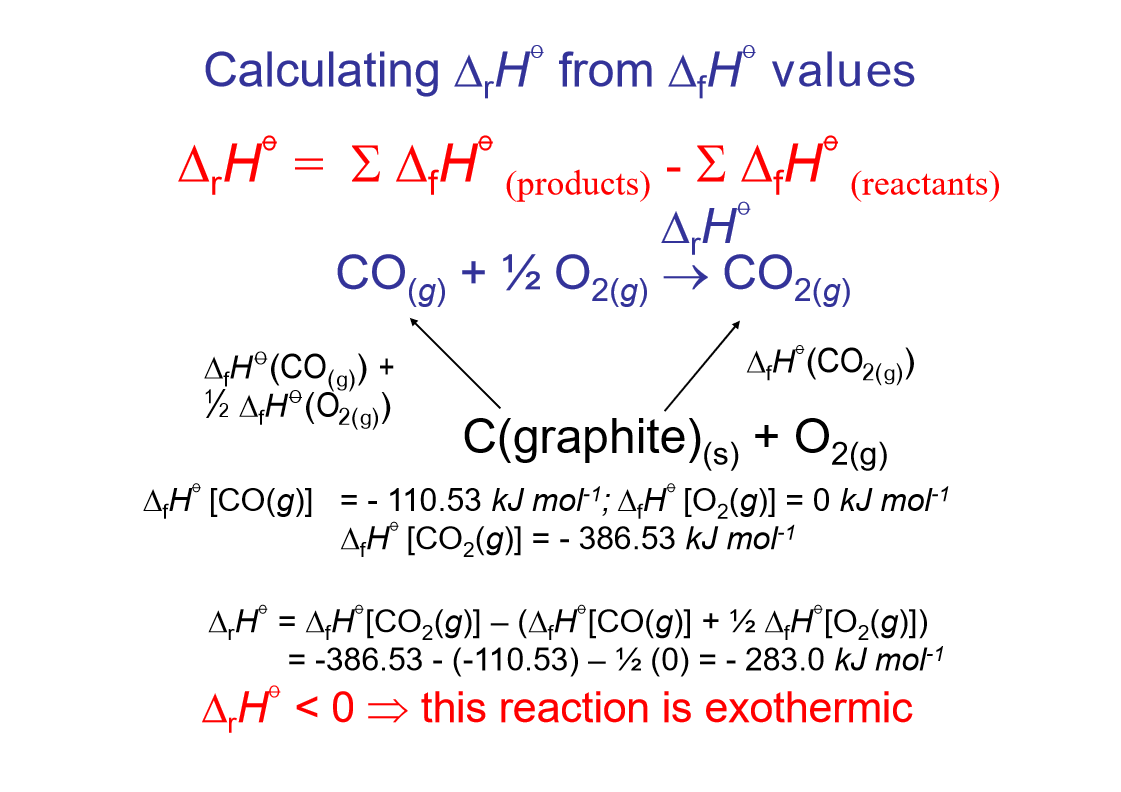
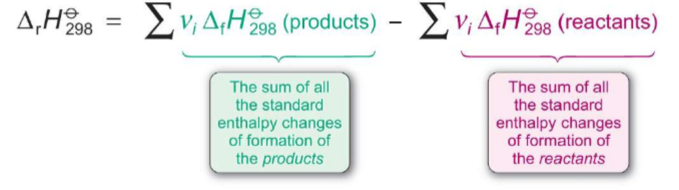
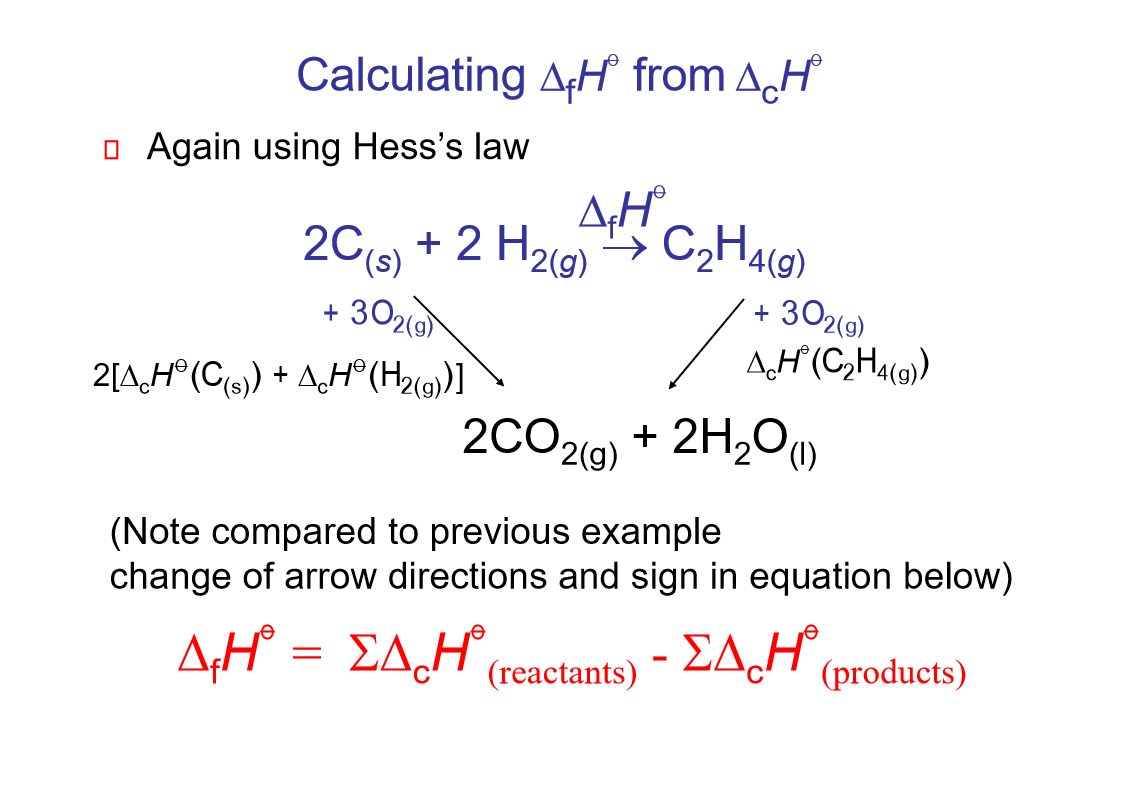
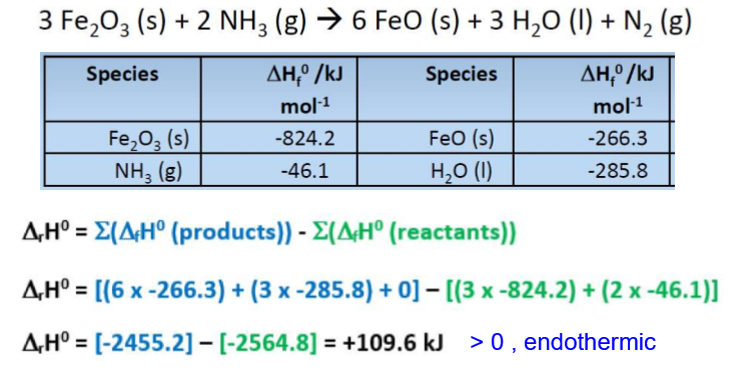
Sum of products - sum of reactants
Bomb calorimeter:
Sample ignited in chamber containing oxygen at high pressure
Combustion chamber immersed in water in well-insulated outer chamber. Heat from combustion passes to water
Relate enthalpy change to increase in temperature of water
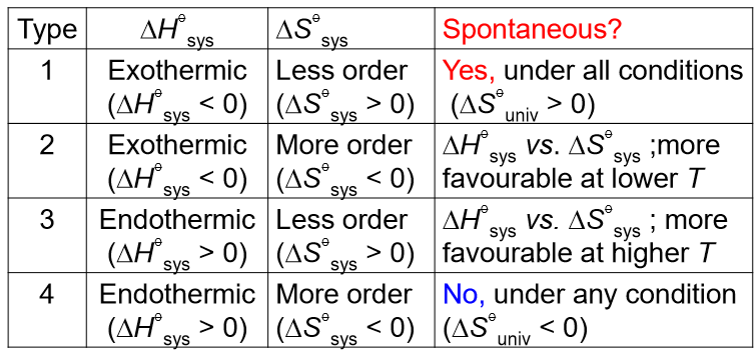
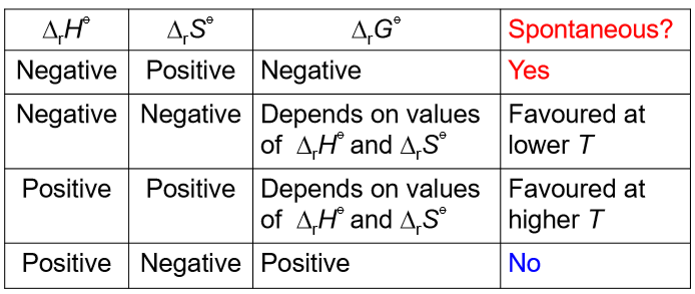
Spontaneous: Has a natural tendency to occur
Non spontaneous: Requires work to be done on the system for the change to be brought
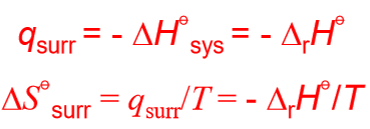
→ q is the heat transferrred to or from the system
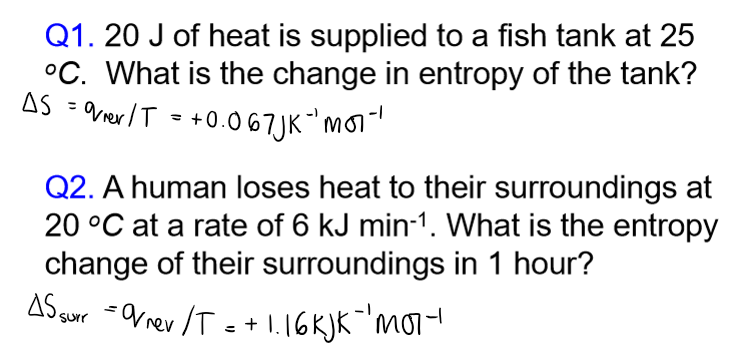
the increase in entropy of a substance at any temperature is obtained by measuring the heat added at a temperature T. This must be done in a reversible process → the equation above
for the standard entropy of reaction
> 0 to be possible

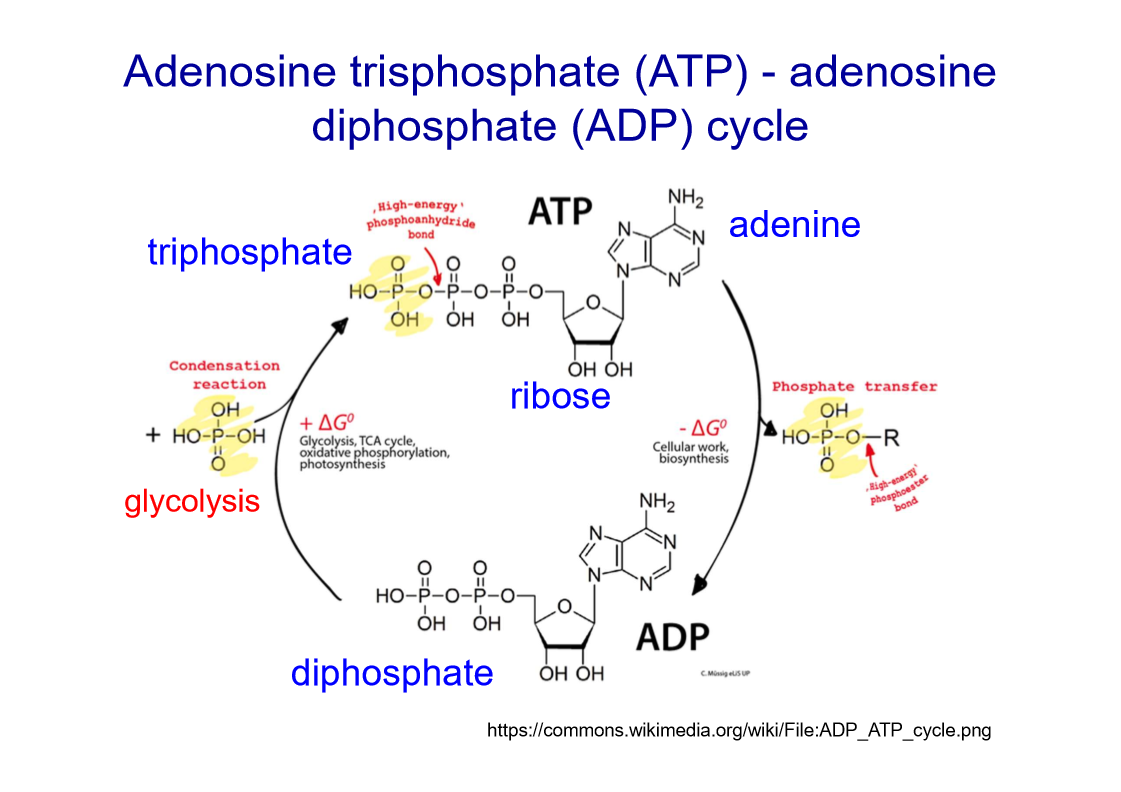
Catabolic - break down complex molecules to simpler ones
Anabolic - synthesise complex molecules from simpler ones
Micelles from because for solvent is highly positive. Breaking of water cages releases water, the entropy of water increases significantly.
Unfolded proteins - free to twist - can adopt large number of conformations. Folded protein more constrained so S (unfolded) should be > S (folded) so S should decrease so why is this spontaneous?
Each hydrophobic side chain reduces the freedom of 2 water molecules. A folded protein has all the hydrophobic groups inside, away from water. Protein interacts with water, folded proteins interact less which makes folding a favourable process.