2. Lipid Types and Structures
Lipids: family of organic compounds that are mostly insoluble in water, meaning they do not mix well with water.
There are 3 main types of lipids:
triglycerides, phospholipids, and sterols.
Triglycerides
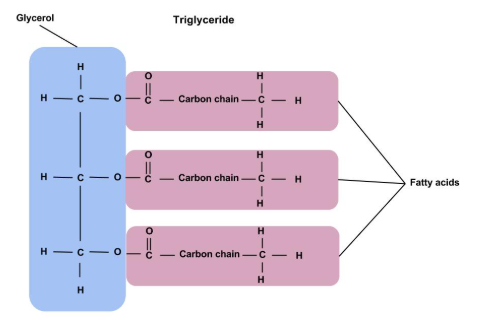
Triglycerides: The main form of lipids in the body and in foods; made up of three fatty acids bonded to a glycerol backbone.
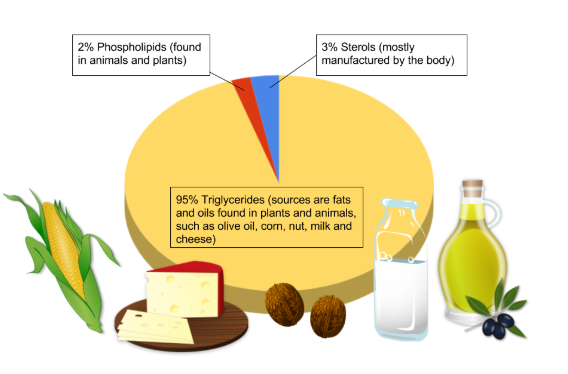
More than 95% of lipids in the diet are in the triglyceride form and some have a visible presence (butter and vegetable oil) and some are hidden in foods (aked goods, dairy products like milk and cheese, and fried foods.)
We commonly call the triglycerides in our food as “fats” and “oils” and fats are lipids solid at room temperature while oils are liquids.
Naturally occurring triglycerides are found in many foods, including avocados, olives, corn, and nuts.
Triglyceride is made up of glycerol and three fatty acids.
Glycerol: a three-carbon alcohol that serves as the backbone for triglycerides and phospholipids, playing a crucial role in energy storage and cellular structure.
Fatty Acids: are longer chains of carbon molecules attached to the glycerol backbone.
The “glyceride” in the word “triglyceride” refers to this glycerol backbone, while the “tri” refers to the fact that there are three fatty acids attached.
Fatty acids are called acids because they have an acid group (−COOH) on one end of a carbon chain. A monoglyceride contains glycerol with one fatty acid attached, and a diglyceride contains glycerol with two fatty acids attached.
There are different fatty acid types, and triglycerides can contain a mixture of them. Fatty acids are classified by their carbon chain length and degree of saturation. Foods contain different proportions of fatty acid types, and this influences disease risks associated with dietary patterns.
Phospholipids
Phospholipids: Found in both plants and animals but make up only about 2 percent of dietary lipids. They can also be synthesized by the body so they don’t have to be consumed in the diet.
Phospholipids are similar in structure to triglycerides by having glycerol backbones, but they differ by having two fatty acids attached instead of three, along with a phosphate group that contributes to their unique properties and functions in cell membranes.
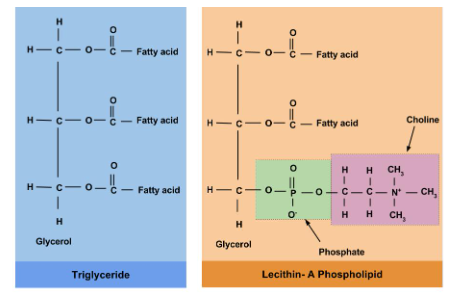
The unique structure of phospholipids makes them both hydrophilic and hydrophobic (amphiphilic), allowing them to form bilayers in aqueous environments, which is crucial for the formation of cell membranes.
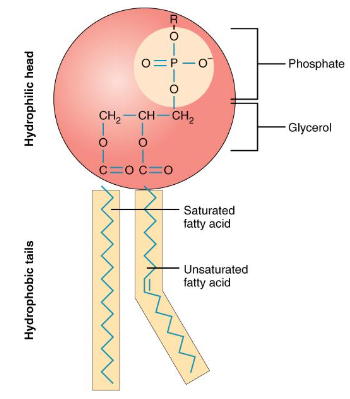
The amphiphilic nature of phospholipids makes them very useful for several bodily functions.
Every cell in the body is encased in a membrane composed primarily of a double layer of phospholipids (also known as the phospholipid bilayer), which protects the inside of the cell from the outside environment while at the same time allowing for transport of fat and water through the membrane. Phospholipids also play a role in transporting fats in the blood.
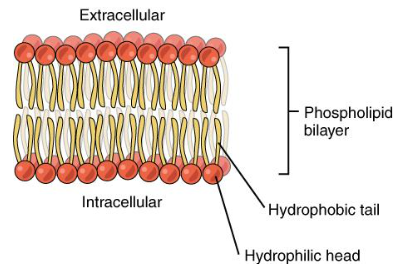
Phospholipids also act as emulsifiers and emulsions are mixes of two liquids that don’t normally mix like water and oil. Without this, the oil and water separate into two layers which makes them ideal for emulsifiers from dispersing tiny oil droplets throughout the water.
Lecithin—a phospholipid found in egg yolk, soybean, and wheat germ—is often used as a food emulsifier. Emulsifiers also play an important role in making food appetizing; their inclusion in foods like sauces and creams makes for a smoother texture and prevents the oil and water ingredients from separating out. They also can extend shelf life.
Sterols
Sterols have a very different structure compared to triglycerides and phospholipids. Most sterols don’t contain any fatty acids but are multi-ring structures. They are complex molecules that contain interlinking rings of carbon atoms, with side chains of carbon, hydrogen, and oxygen attached.
The best-known is cholesterol from its role in heart disease. It forms a large part of the fatty plaques that narrow arteries and obstruct blood flow in atherosclerosis: The narrowing of arteries due to the buildup of plaque.
Cholesterol also has functions in the body. Similar to phospholipids, cholesterol is found in all body cells because it is important in cell membrane structure. Cholesterol is also used in the body as a precursor in the synthesis of several important substances, including vitamin D, bile, and sex hormones such as progesterone, testosterone, and estrogens.
Cholesterol is not an essential nutrient; it does not need to be consumed in the diet, because it is manufactured in the liver. Only foods that come from animal sources contain cholesterol.
Cholesterol is found in foods like meat, poultry, fish, egg yolks, butter, and dairy products made from whole milk.
Plant foods don’t contain cholesterol but sterols found in plants resemble cholesterol in structure. Plant sterols inhibit cholesterol absorption in the human body, which can contribute to lower cholesterol levels, particularly lower LDL (“bad”) cholesterol levels.
Plant sterols occur naturally in vegetable oils, nuts, seeds, and whole grains. In addition, some foods like margarines and dressings are fortified with plant sterols.