Genome Editing
This lecture is relevant to you written assignment

Overview of Genome Editing
Definition: Genome editing encompasses techniques for genome engineering involving DNA repair mechanisms or replication to incorporate site-specific modifications into genomic DNA.
Genome Engineering: The process of introducing intentional changes into genomic DNA.
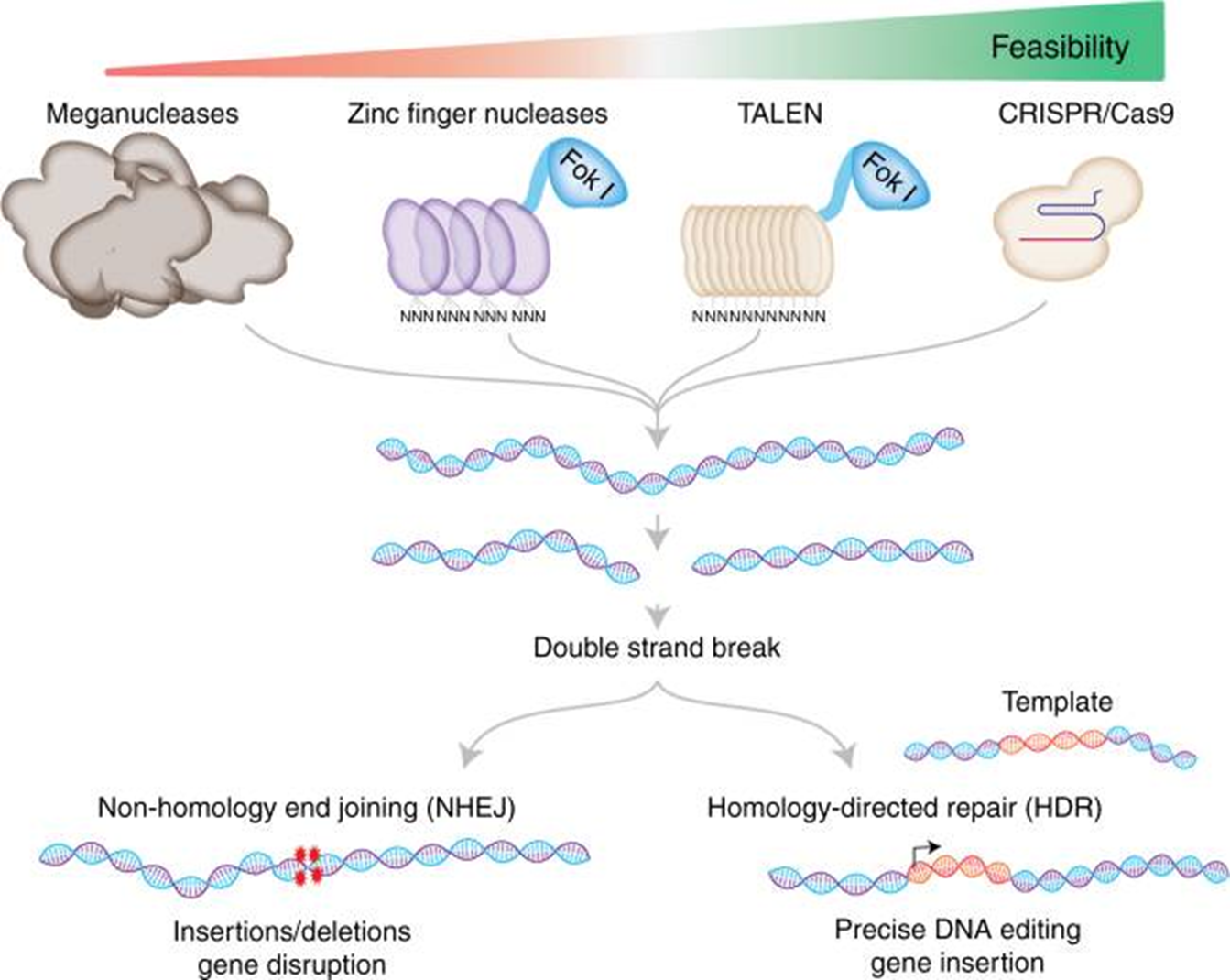
Key Techniques in Genome Editing
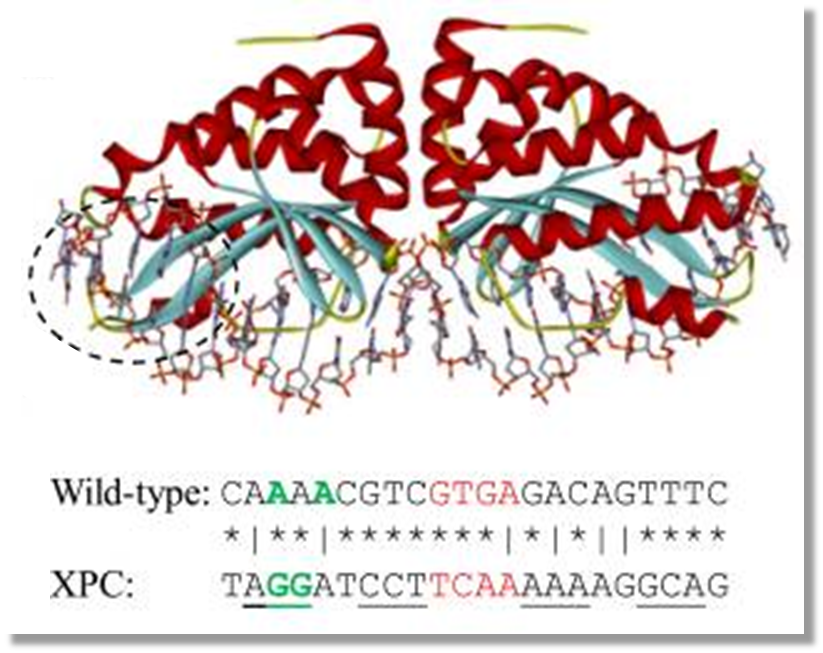
Meganucleases (MN)
Also known as homing endonucleases.
Key Enzyme: I-SceI, the primary meganuclease used for genome editing, first utilized in the mid-1990s.
Mechanism: These proteins recognize and bind to specific DNA sequences (12–40 bp long) and induce double-strand breaks (DSBs).
Challenges: The complex structure of meganuclease makes it challenging to modify them for targeting defined loci while retaining their endonuclease activity.
Zinc-Finger Nucleases (ZFN)
Pioneering Work: First used by Bibikova et al. (2002) for editing in Drosophila.
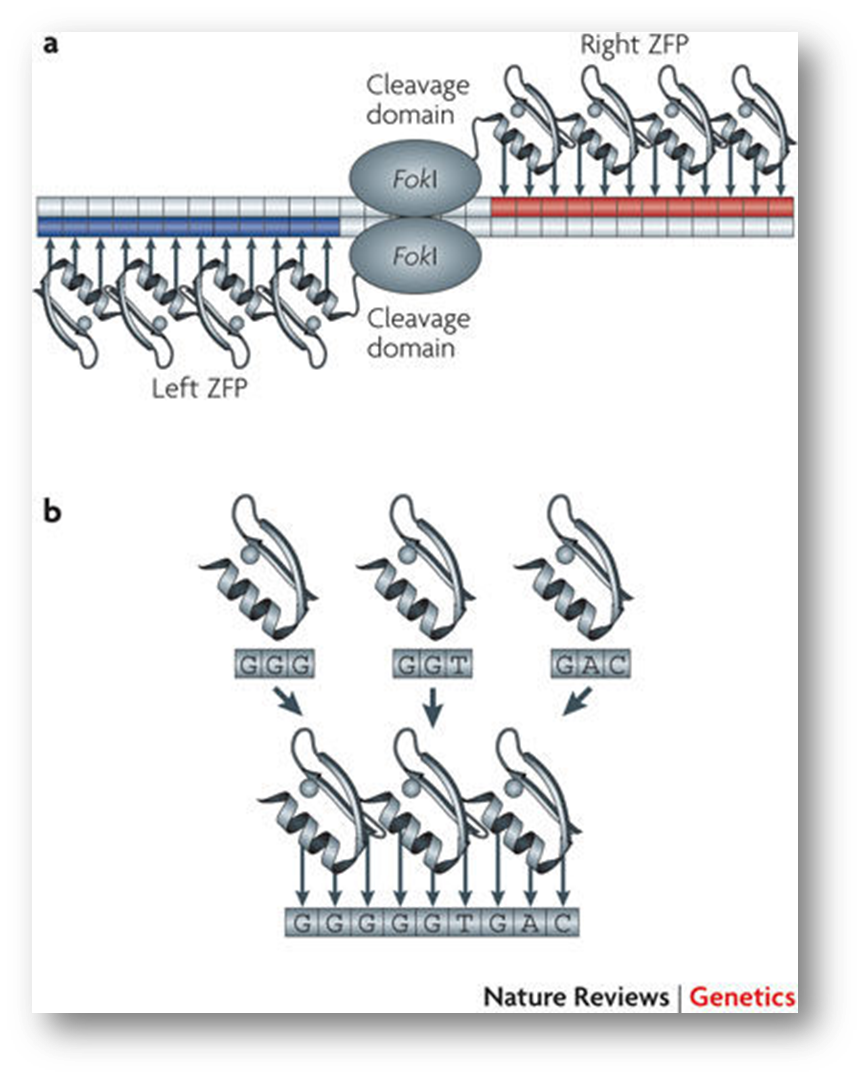
Structure: ZFNs consist of a DNA-binding domain derived from eukaryotic transcription factors and a nuclease domain (FokI).
Zinc Finger Proteins (ZFP): Each ZFP (approximately 30 amino acids) recognizes a 3 bp motif, allowing for genetic modifications by assembling an array of ZFPs (typically 3-6).
Transcription Activator-Like Effector Nucleases (TALENs)
Introduction: First utilized in zebrafish editing by Huang et al. (2011).
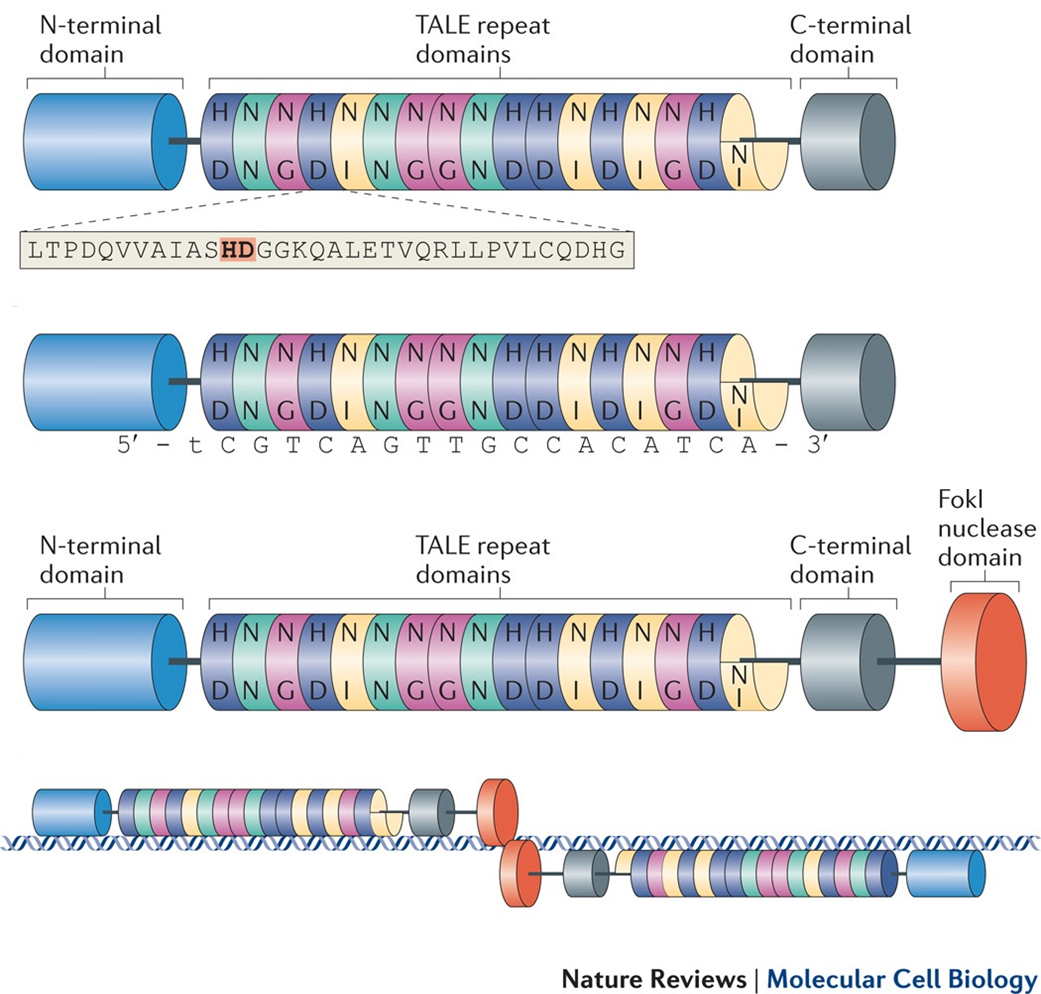
Mechanism: Each TAL effector is made up of 34 amino acids in a repeat array that specifies a single DNA base. The base specificity is determined by two hypervariable residues at positions 12 and 13.
Fusion: The TALEN construct includes a TAL array coupled to the FokI endonuclease to create DSBs.
Clustered Regularly Interspaced Short Palindromic Repeats (CRISPR)
CRISPR technology couples with CRISPR-associated protein (Cas) for effective genome editing.
Oligonucleotide-Directed Mutagenesis (ODM)
Historical Context: First carried out in E. coli in the late 1970s to make precise alterations to nucleotides in plasmids.
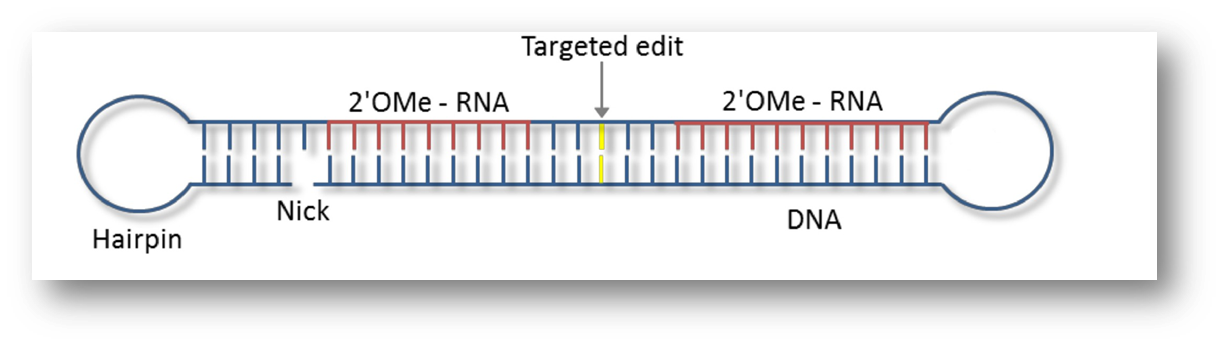
Mechanism: Utilizes chimeric oligonucleotides (RNA/DNA), involving 68 and 88 nucleotides, which incorporate both DNA and 2’-O-methyl-modified RNA residues. The mismatch-repair mechanisms facilitate the edits.
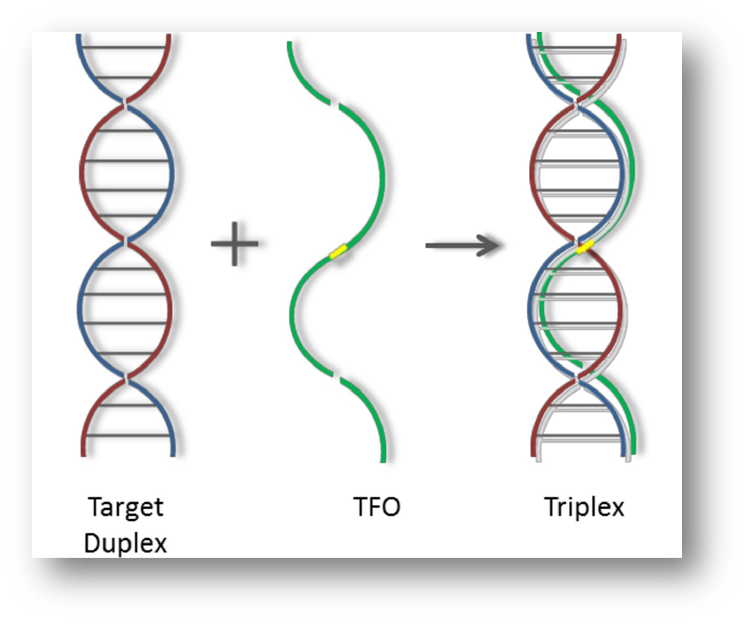
Importance of DNA Repair in Genome Editing
Native Repair Pathways: All genome editing methods leverage the native DNA repair mechanisms within cells.
Types of Breaks Invoked: Most methods induce double-strand breaks (DSBs), while some may invoke single-strand nicks.
Repair Mechanisms for DSBs
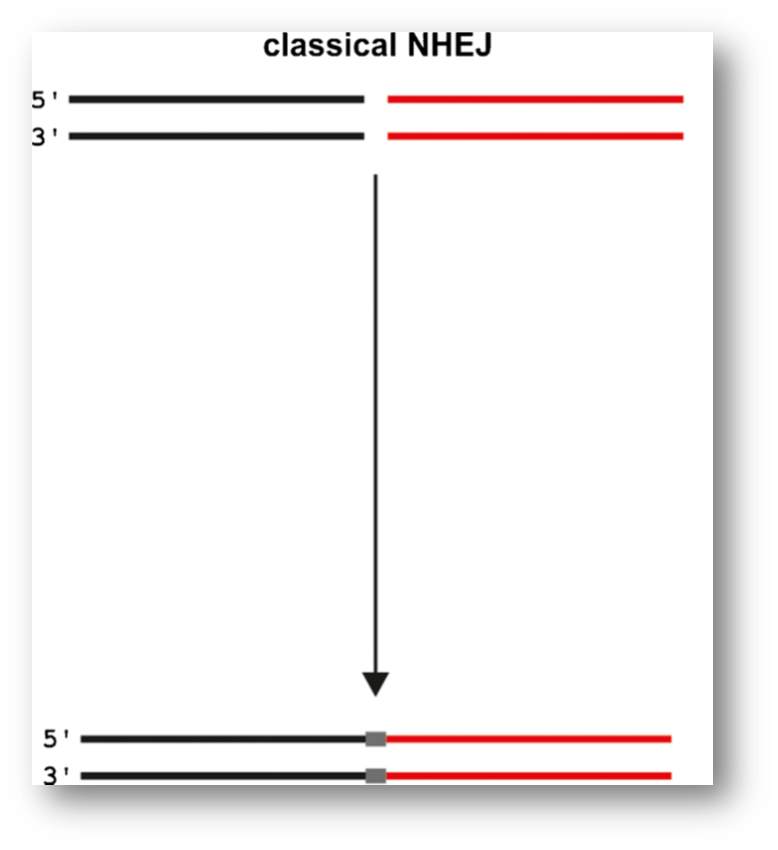
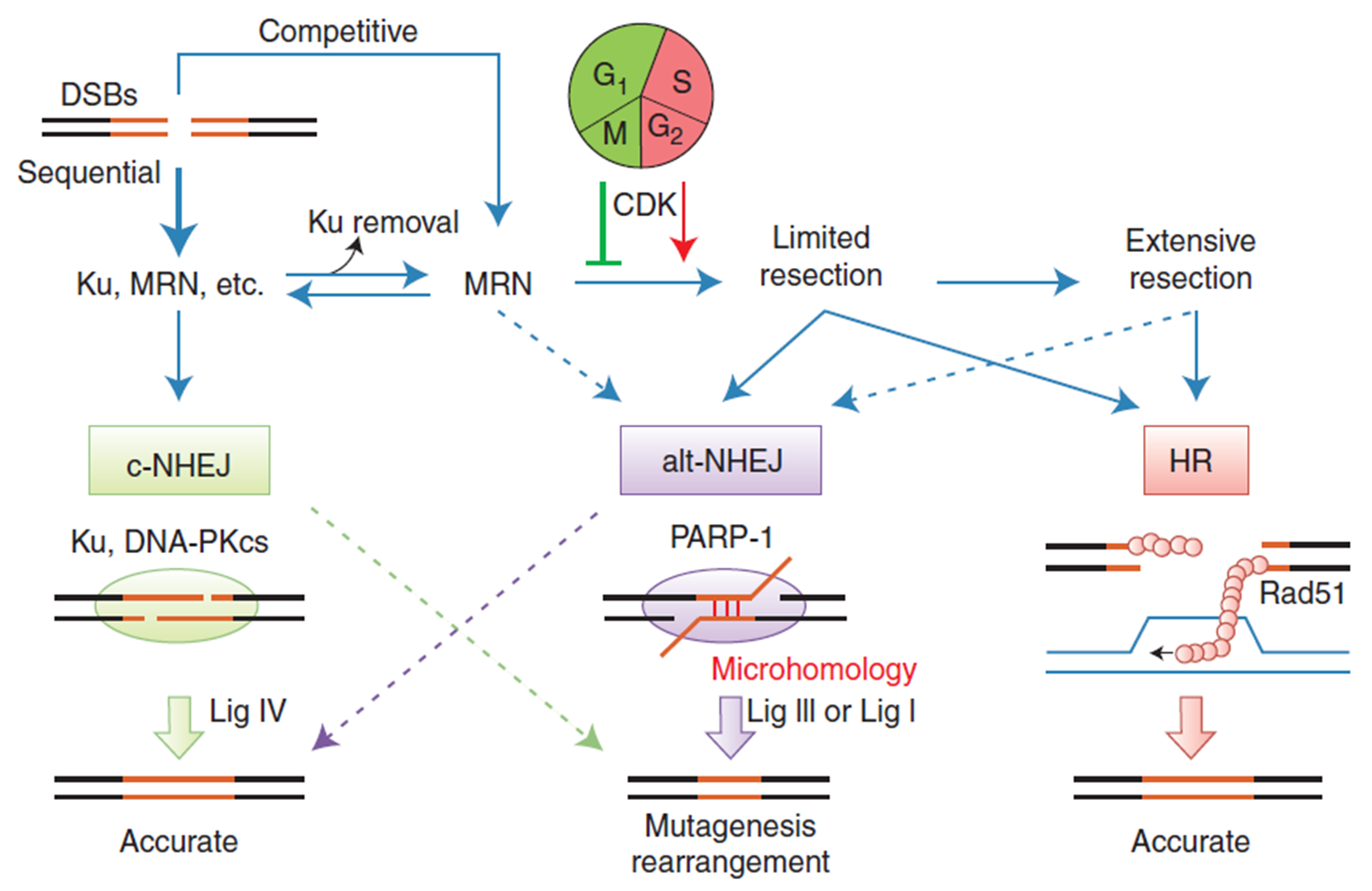
Canonical Non-Homologous End Joining (cNHEJ)
Overview: The most prevalent form of somatic DNA repair post-DSB formation.
Steps: The DSB ends are protected from degradation by the binding of a KU70 and KU80 heterodimer; minimal end processing occurs before ligation via ligase IV.
Effect: DSB is repaired with little to no sequence loss without micro-homologies at the junction, which can lead to insertions or deletions (indels).
Alternative Non-Homologous End Joining (aNHEJ)
Also contributes to DSB repairs, further elaborations are required on its mechanisms.
Homology-Directed Repair (HDR)
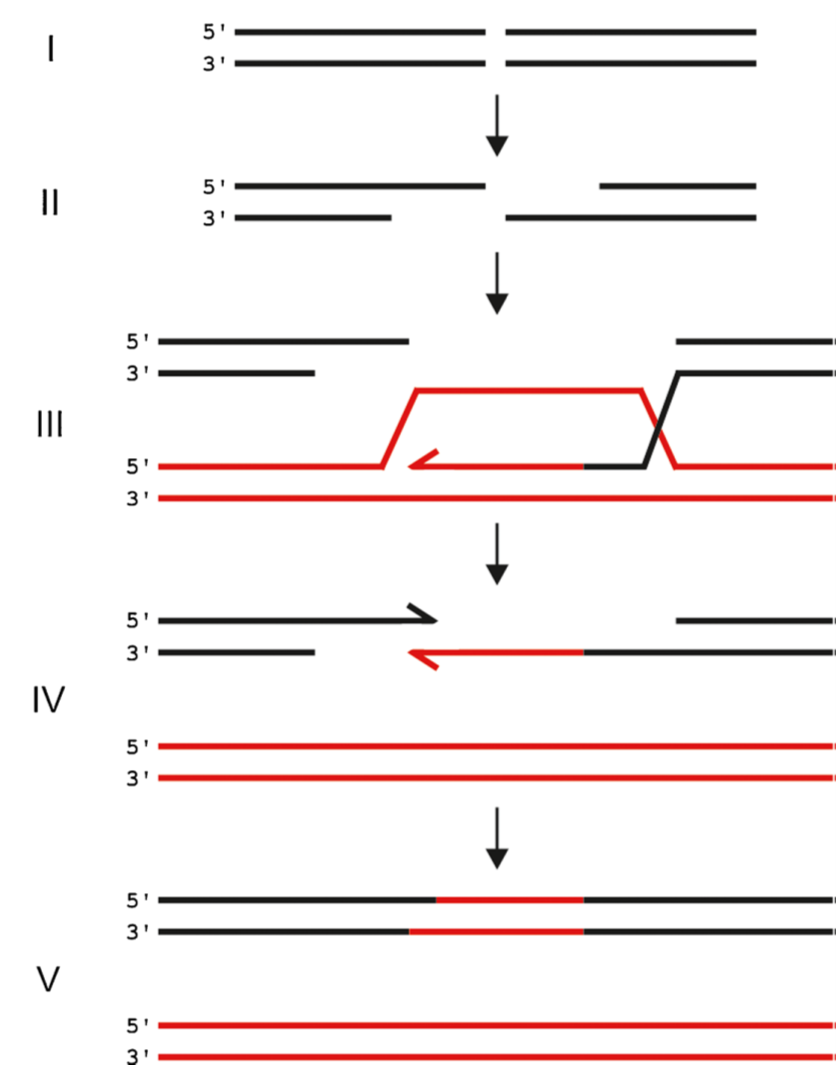
Also known as: Homologous recombination (HR) or Synthesis-Dependent Strand Annealing (SDSA).
Process Overview:
Induction of DSB.
5’ resection, generating 3′ overhanging single strands, which are coated with RAD51.
The 3′ single-strand invades a homologous double-strand molecule leading to the formation of a displacement loop.
Strand displacement occurs, where helicases help in repairing the double strand via overlap reannealing.
Outcome: Restored double-stranded DNA molecule without loss of genetic information.
Graphical Representations of Repair Mechanisms
Schematic Diagrams: Include sequential representation of DNA repair pathways highlighting involved proteins (Ku, MRN complexes, Ligases).
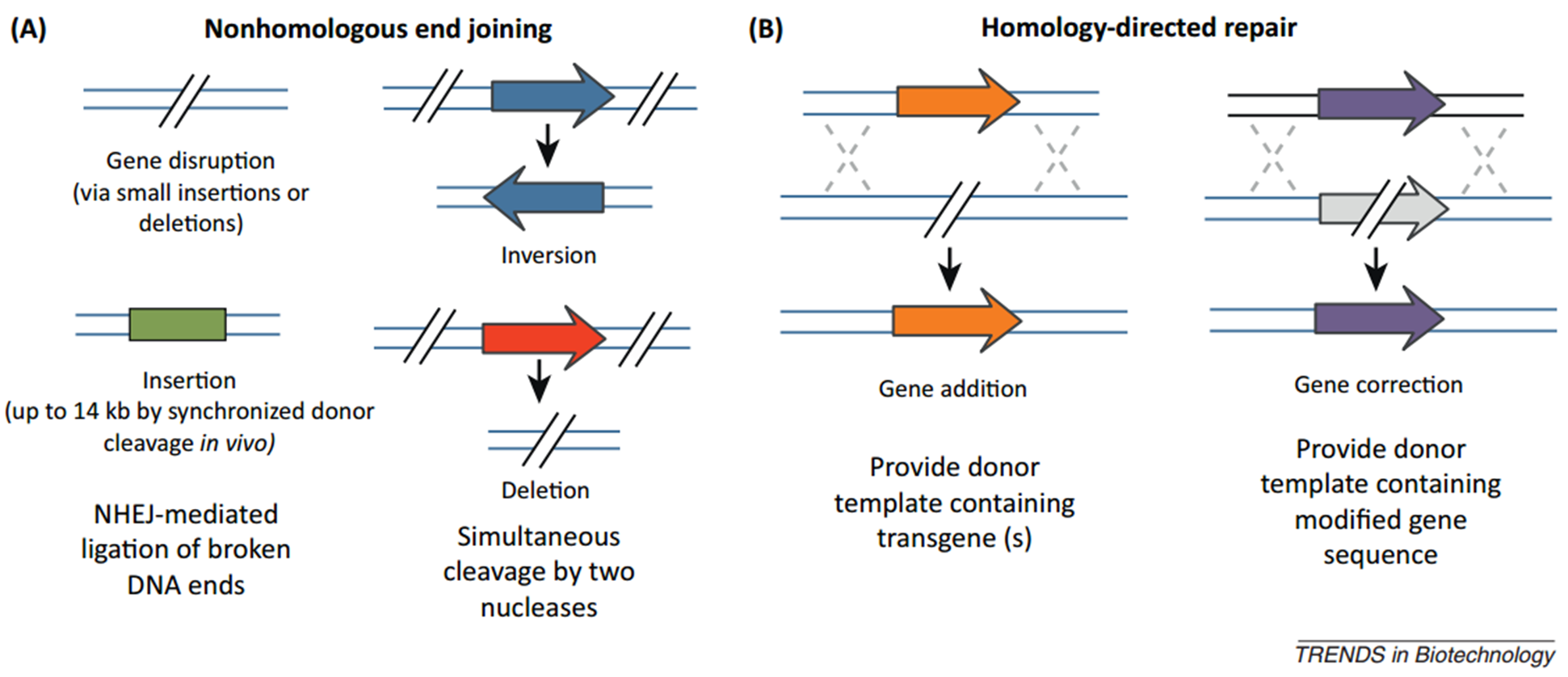
Cutting and Adding Genes Through DSB Repairs
Editing via DSBs: Different techniques lead to gene disruption and precise insertions (up to 14 kb) using donor templates. These include gene inversions and deletions by simultaneous cleavage through two nucleases.
Multiples Genome Engineering = Accelerated Directed Evolution
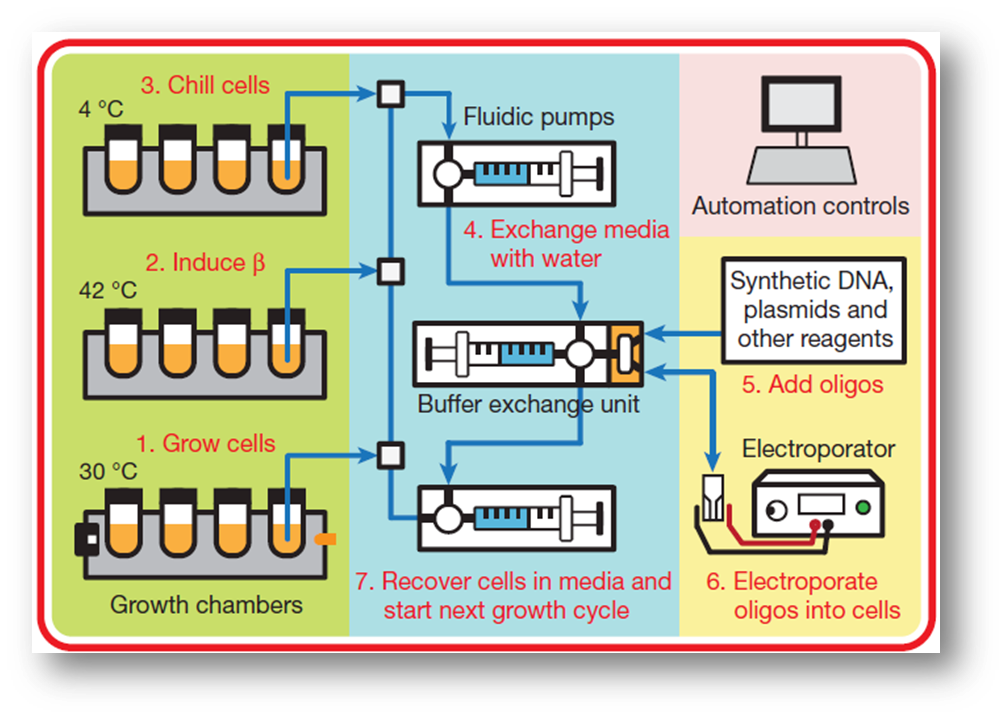
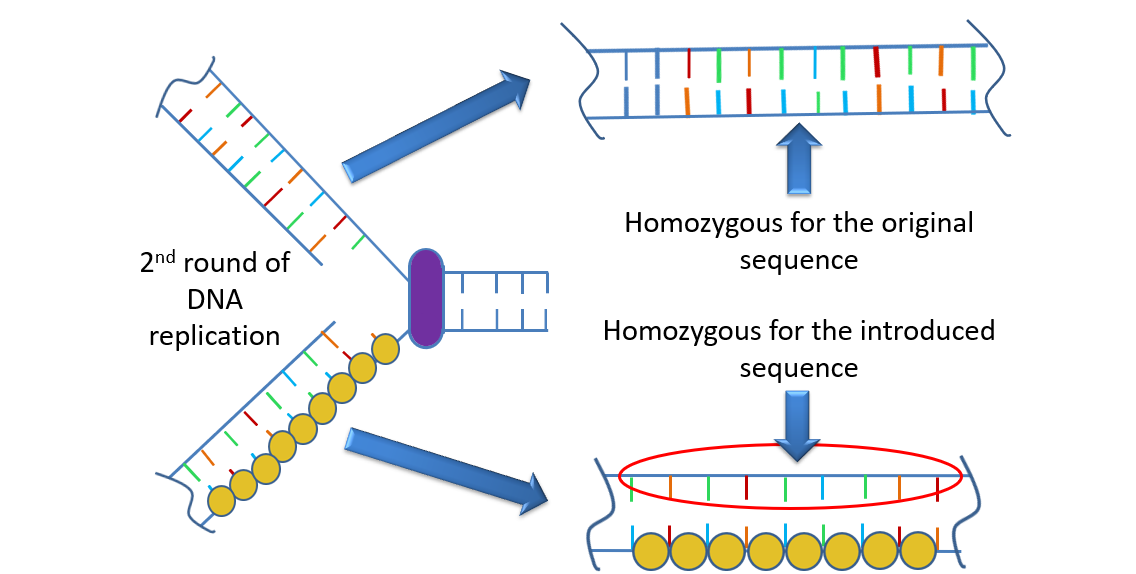
MAGE – Multiplex Automated Genome Engineering
Developed at the Wyss Institute for Biologically Inspired Engineering at Harvard University
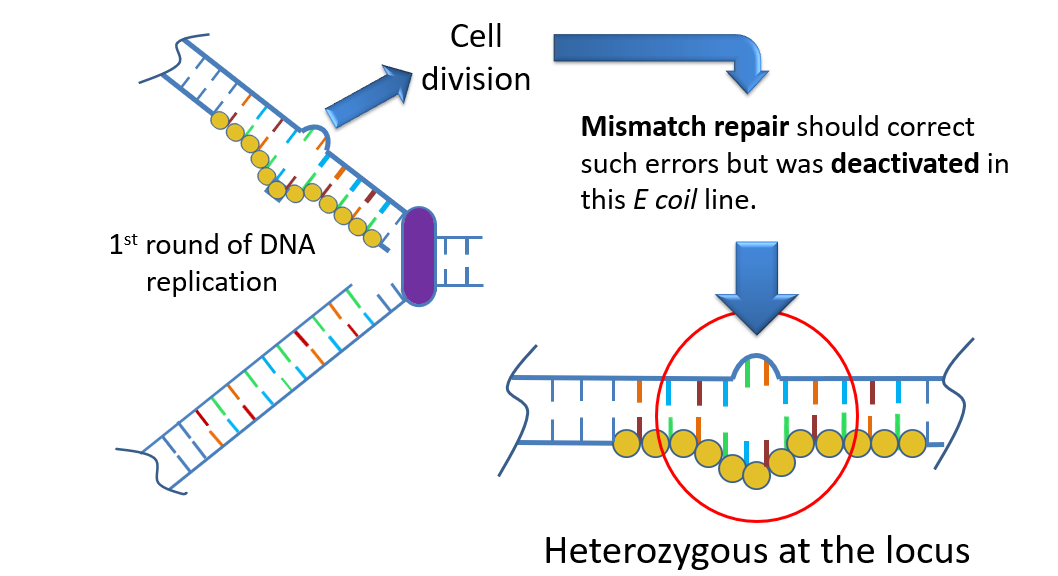
Utilises E. coli lacking DNA mismatch repair systems
Cells also express phage derived ssDNA binding Beta protein
Uses an library of 90bp synthetic oligo
Real life Application to accelerated Direct Evolution
Wang et al. (2009) applied MAGE to optimize the DXP (1-deoxy-D-xylulose-5-phosphate) biosynthesis pathway in E. coli
Pathway produces the industrially important lycopene.
Twenty-four genetic components in the DXP pathway were modified simultaneously using a complex pool of synthetic DNA
Over 4.3 billion combinatorial genomic variants per day
Variants with more than fivefold increase in lycopene production within 3 days