Adaptations
Adaptation types
anatomical
internal or external physical features
behavioural
inherent or learnt actions
physiological/biochemical
processes that take place inside an organism
Behavioural adaptations
innate
instinctive
controlled by genes and do not have to be learnt or practiced
generally involve basic life functions - important to be performed correctly
all member of the species behave in the same way
eg web spinning in spiders
learnt
experience or observation
eg tool use in chimpanzees
Physiological adaptations
production of poisons to kill prey or for protection
frogs and scorpions
ricin from castor oil plant seeds
production of antibiotics
bacteria
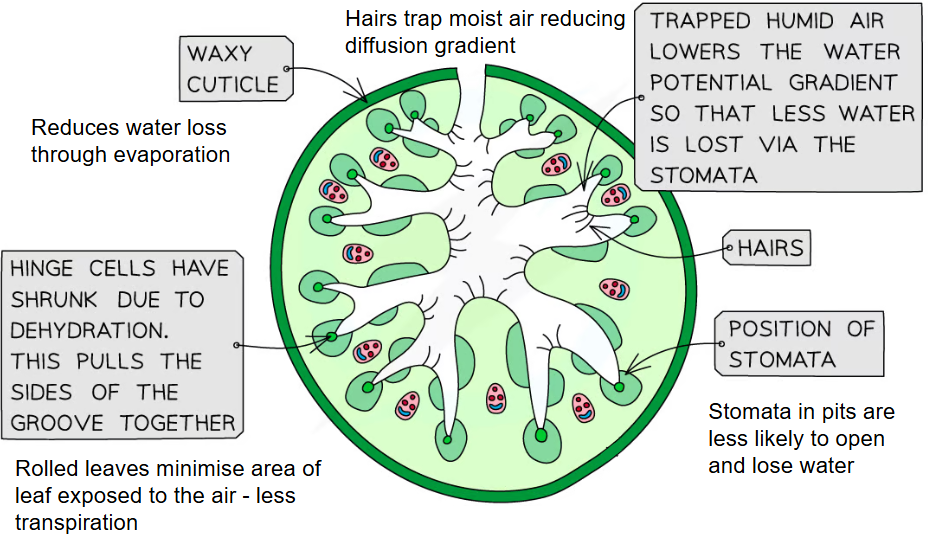
maintaining water
cacti
reflexes
homeostasis
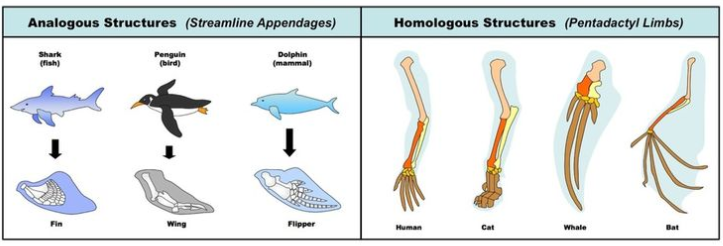
Convergent evolution
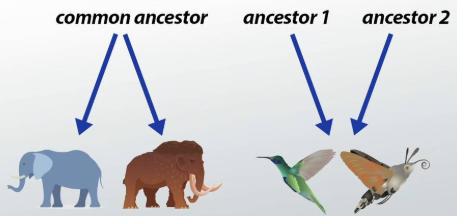
occurs when unrelated species share similar traits
due to organisms adapting to similar environments or other similar selection pressures
anatomical adaptations provide evidence for convergent evolution
eg birds and moths - both have wings but genetically unrelated
Analogous structures
structures that are adapted to perform the same function but have a different genetic origin and therefore different structures