Weight and Balance Terminology
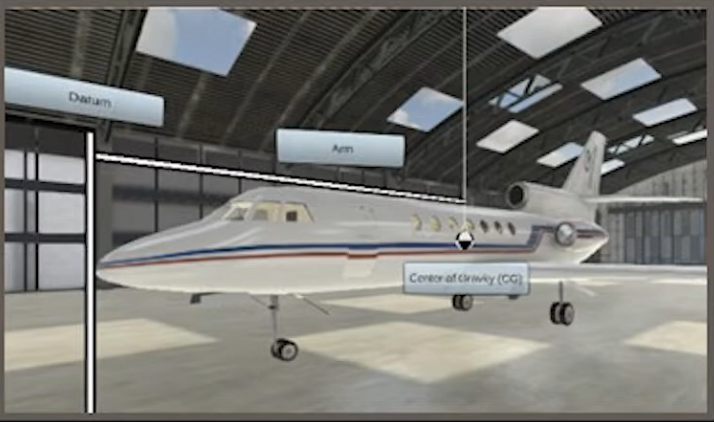
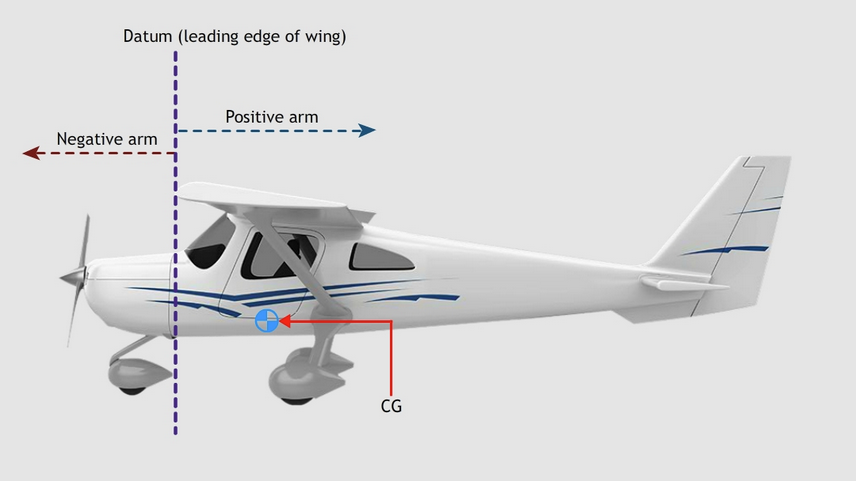
Datum-Imaginary Vertical Line
-A point all measurements are taken
-Established by manufacturer
-Located in aircraft’s Type Certification Data Sheet (TCDS) or Aircraft Specifications
-No fixed location, does not change
Example of Datum
-No fixed rule for location
-Fuel tank +60- located 60” behind the datum
-Radio -90— 90” forward of the datum
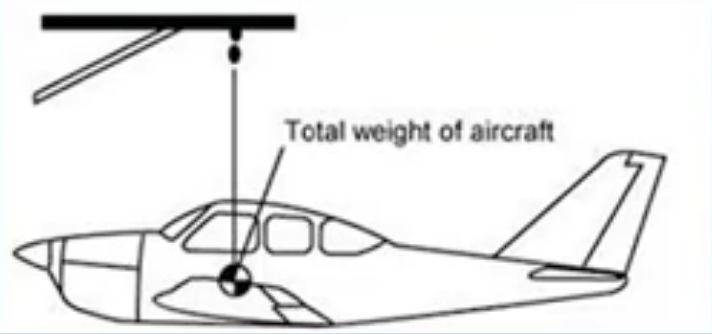
Center of Gravity (CG)
Point at which airplane would balance if suspended
How to calculate: Divide total moment by total weight of aircraft
Arm
-Horizontal distance from the datum
-(+) measures aft of the datum
-(-) Measures forward of the datum
-Items on the datum add weight but do not affect balance
Moment
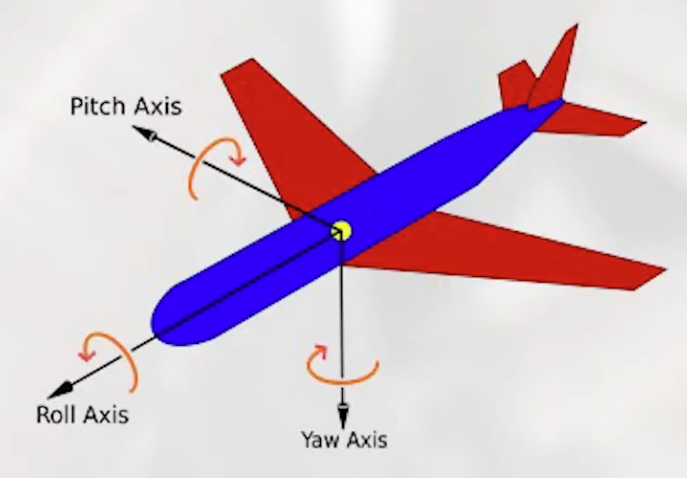
The force that causes an aircraft to rotate in flight
An aircraft can rotate in three dimensions: pitch, yaw, and roll
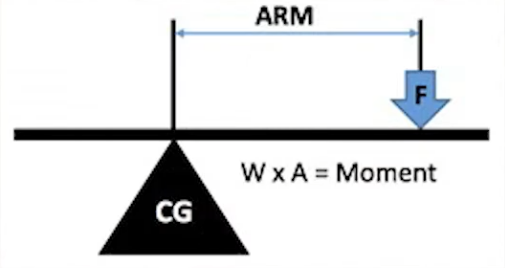
The further an object is from the pivot point (or the longer the arm from the CG) The greater the force it exerts
How to calculate: multiply the weight of an item by its arm
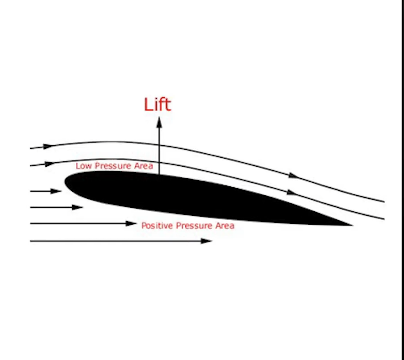
Center of Lift
Location on the wing where lift forces concentrate
Typically, 1/3 the distance from leading edge of the wing
Maximum Weight
-Specified in TCDS
-Includes aircraft, equipment, passengers, fuel, luggage
-Varies according to purpose of the aircraft and conditions flown
Types of Maximum Weight
-Max Ramp Weight-Heaviest weight to which an aircraft can be loaded on the ground
-Max Takeoff Weight-Heaviest weight for an aircraft at takeoff (Max Ramp Weight minus consumed fuel)
Maximum Landing Weight
-Max Landing weight-Heaviest weight for an aircraft when landing
Zero Weight
-Max Zero Fuel Weight-Heaviest weight to which an aircraft can be loaded without usable fuel (additional weight must be fuel)
Empty Weight
Airframe
Powerplant
Required equipment
Fixed ballast
Hydraulic fluid
Residual fluid
Full oil
Equipment in fixed location
Empty Weight CG Range
-The distance between allowable forward and aft empty-weight CG limits
Useful Load
-Consists of fuel, fluids, passengers, baggage, pilots, and crew (see TCDS)
-Some aircraft classified normal and utility
-Maximum Allowable Weight-Empty Weight=Useful Load
Weight and Balance Extreme Conditions
-Paper pencil check that loads aircraft tail heavy or nose heavy; check CG is still within limits
-Exception-If the fuel tank is behind the forward CG limit it retains minimum fuel
-Minimum Fuel-The amount of fuel needed for 30 min of flight
Calculating Minimum Fuel
-Piston engine aircraft use a calculation based on METO (maximum except take-off) horsepower of the engin
-For each METO hp, ½ lb of fuel used (at cruise flight 1lb/hr)
-How to calculate: Minimum fuel=Engine METO hp/2
Tare Weight
The weight of chocks or devices that hold an aircraft on scales
Subtract tare weight from the scale reading to get the aircraft’s net weight