Attraction and Intimacy
Social Psychology
Love
Rollo May: to care, to recognize the essential humanity of the other person, to have an active regard for that person’s development
Fromm: union with somebody outside of oneself under the conditions of retaining the separateness and integrity of one’s own self
Psych today: word we use to gloss over the amazingly diverse chuchu blah blah
no one single definition of love
love unfolds and reveals
Brain in Love
Ostracism
a real pain and love is a natural painkiller
the act of ignoring or being excluded
implicated brain parts: anterior cingulate cortex, right ventral prefrontal
What enables close relationship?
oxytocin - release when in love (?) ambot sad
vasopressin
Helen Fisher
lust - estrogen, testosterone
attraction - dopamine, NE, SE
Reward Systems
ventral tegmental area
caudate nucleus
nucleus accumbens - impaired prefrontal cortex
for lasting relationship
sustain deep attachment
communicate, touch with consent
say nice or good things to your partner
Factors that lead to liking and loving
Proximity - functional distance, geographical nearness
a. interaction-functional distance
you become friends with ur roommates
enables people to explore similarities, sense liking, perception as a social unit
availability
b. anticipation of interaction
boosts liking
John Darley and Ellen Berscheid (1967): participants preferred the person they expected to meet
expecting to date someone also boosts liking
adaptive
anticipatory liking - expecting
Familiarity: Mere-exposure effect
repeated exposure to a person or any stimuli is often sufficient enough to produce attraction
if initial interaction kay negative: intensify initial dislike
familiarity does not breed contempt, but rather fondness
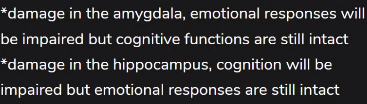
Zajonc (1980): emotions are often more instantaneous than thinking
emotions and cognitions are enabled by distinct brain regions
Similarity
discovering that others have similar attitudes, values, or traits makes us like them more
the more similar others are, the more we like them
Trauma bonding → I-sharing (coined by Pinel)
shared subjective experience
Donn and Byrne (1971) : the more similar someone's attitudes are to your own, the more you will like the person
"At two of Hong Kong’s universities, Royce Lee and Michael Bond (1996) found that roommate friendships flourished over a six-month period when roommates shared values and personality traits but more so when they perceived their
roommates as similar. As so often happens, reality matters, but perception matters more."
Physical Attractiveness
also carry desirable traits pag attractive
what is beautiful is good
we choose someone of the same level of attractiveness (Matching Hypothesis)
if hindi same level, may compensating qualities
subjective and relative
Pursuing those who are hard to get
hard to get - tendency to prefer people who are highly selective in their social choices over those who are more readily available
we prefer individuals who are moderately selective than those who have low standards or are too selective
How about love stories that are opposed or forbidden by parents/others?
Theory of Psychological Reactance
people react against threats to their freedom by asserting themselves and seeing the threatened freedom as more attractive
if you are in a forbidden or opposed one, you might try to reassert yourself by wanting the relationship more
Self-Esteem and Attraction
is another person’s approval especially rewarding after we have been deprived of approval?
Elaine Hatfield: she gave some women either very favorable or unfavorable analyses of their personalities, affirming some and wounding others