Product Life Cycle
Product life cycle is the stages that a product will go through in its lifetime
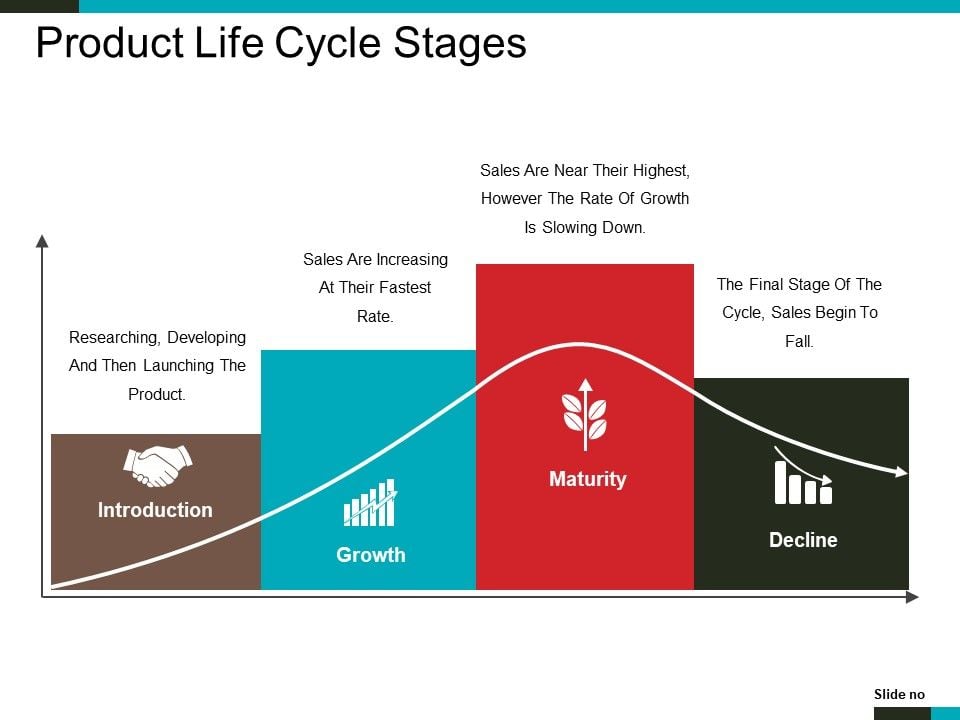
Development - negative cash flow due to the market research and research and development (R&D) no sales revenue before launch
Introduction- production and promotion costs can be high
Growth- sales revenue increases but as more units are sold production costs also increase. However, there will be economies scale
Maturity- sales stabilise and the product acts as cash flow
Decline- at some point the product will start to loose sales
Extension Strategies- many products are adapted and given a new lease of life
NPD ( new product development)
The process of bringing a new product or service to the market
Generating ideas through different methods like brainstorming
screening the ideas to come up with a specific idea
development and testing concept
analysis of costs, sales and forecasts and likely proofs
market testing o the concept
product launch
Impacts
no prior data to work on
lots of investment
less reliable sales forecast
takes a lot of time to invest
opportunity cost
Benefits
expand market share
gaps in market
brings in new customers
Influences on NPD
advances in technology have seen incredible changes especially in the last 30 years. The internet and mobile phones have made communications and the exchange of information is way more quicker and the micro-chip have revolutionised manufacturing.
brought economies of scale to businesses
made the world of global market through communication systems
seen the rapid development of both new and innovative products
competitors actions
firms faced with increasing competitive markets , they are competing with those
round the global also. They need to keep a close eye on competition or try to be proactive with new products before their competitors do.