11.1 Cells and batteries
11.1 Cells and Batteries
Flow of Electrons
Electrons are always moving.
Static electricity: the electrons gather in one place and moves randomly in all directions (unpredictable and short).
Current electricity: has a steady flow of electric charge (electrons) through a conductor.
Cells and Batteries
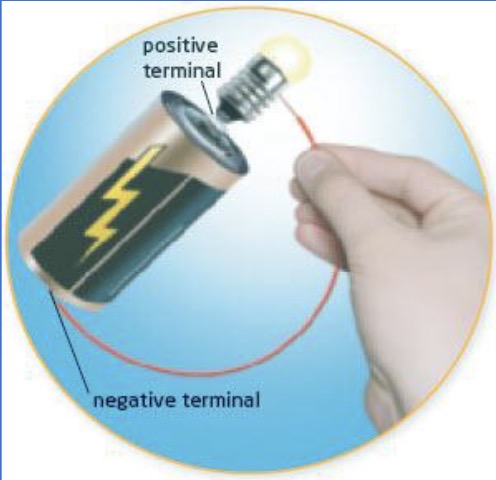
The source of electrical energy in a circuit is often a cell or a battery.
A battery is two or more cells connected together.
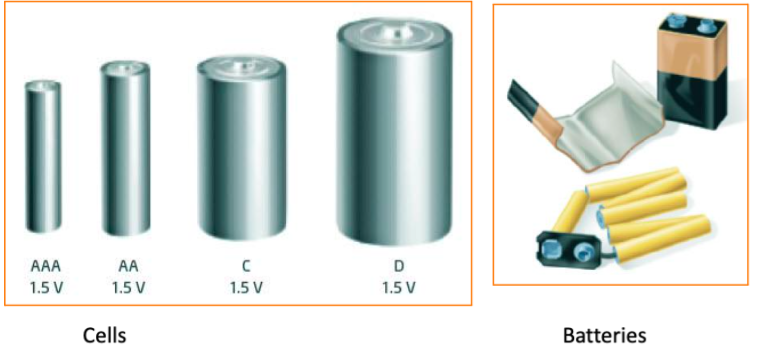
Electrodes are either of the two metal terminals found in a cell or battery.
The electrolyte is the solution or paste that conducts charge between the two electrodes.
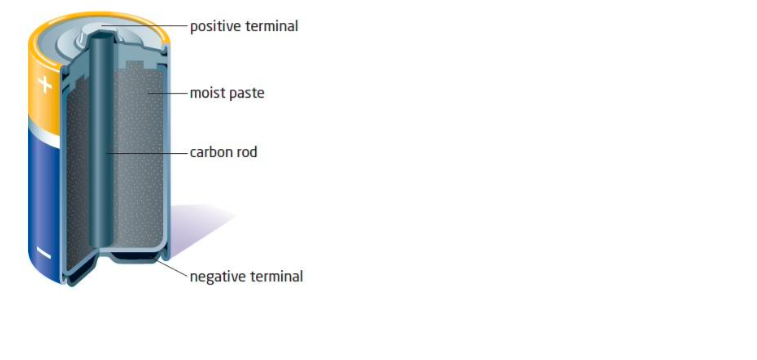
Dry Cells
Dry cells are cells with an electrolyte that is a paste.
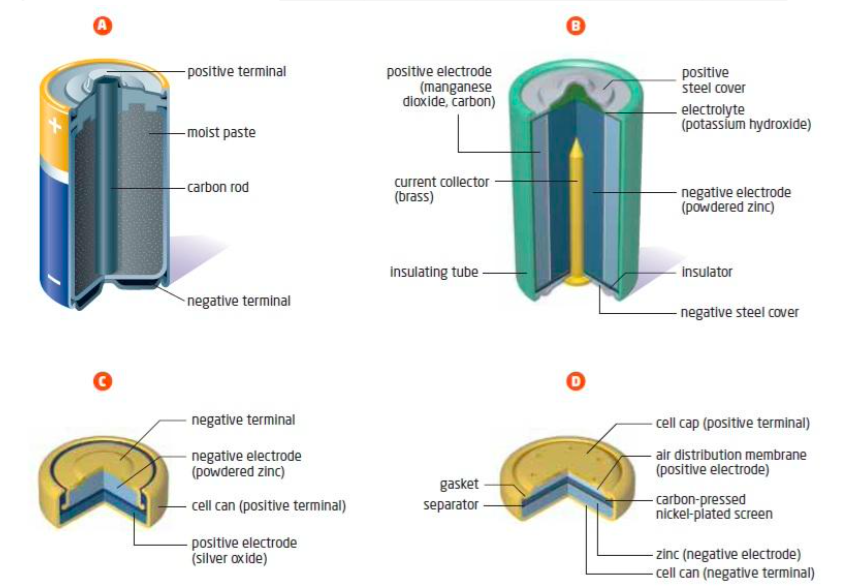
Wet cells are cells with a liquid electrolyte. Most wet cells use a solution of sulfuric acid as their electrolyte.
Voltaic cells generates an electric current by chemical reactions involving two different metals or metal compounds separated by a conducting solution.
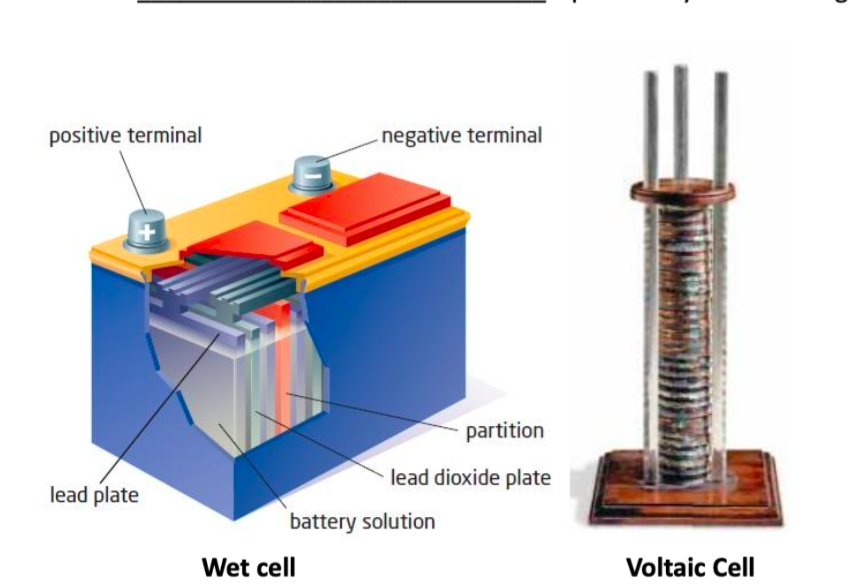
Primary and Secondary Cells
Primary cells are cells that can be used only once.
Secondary cells can be recharged. During recharging, the chemical reaction in the cell is reversed.
11.2 Electric Circuits
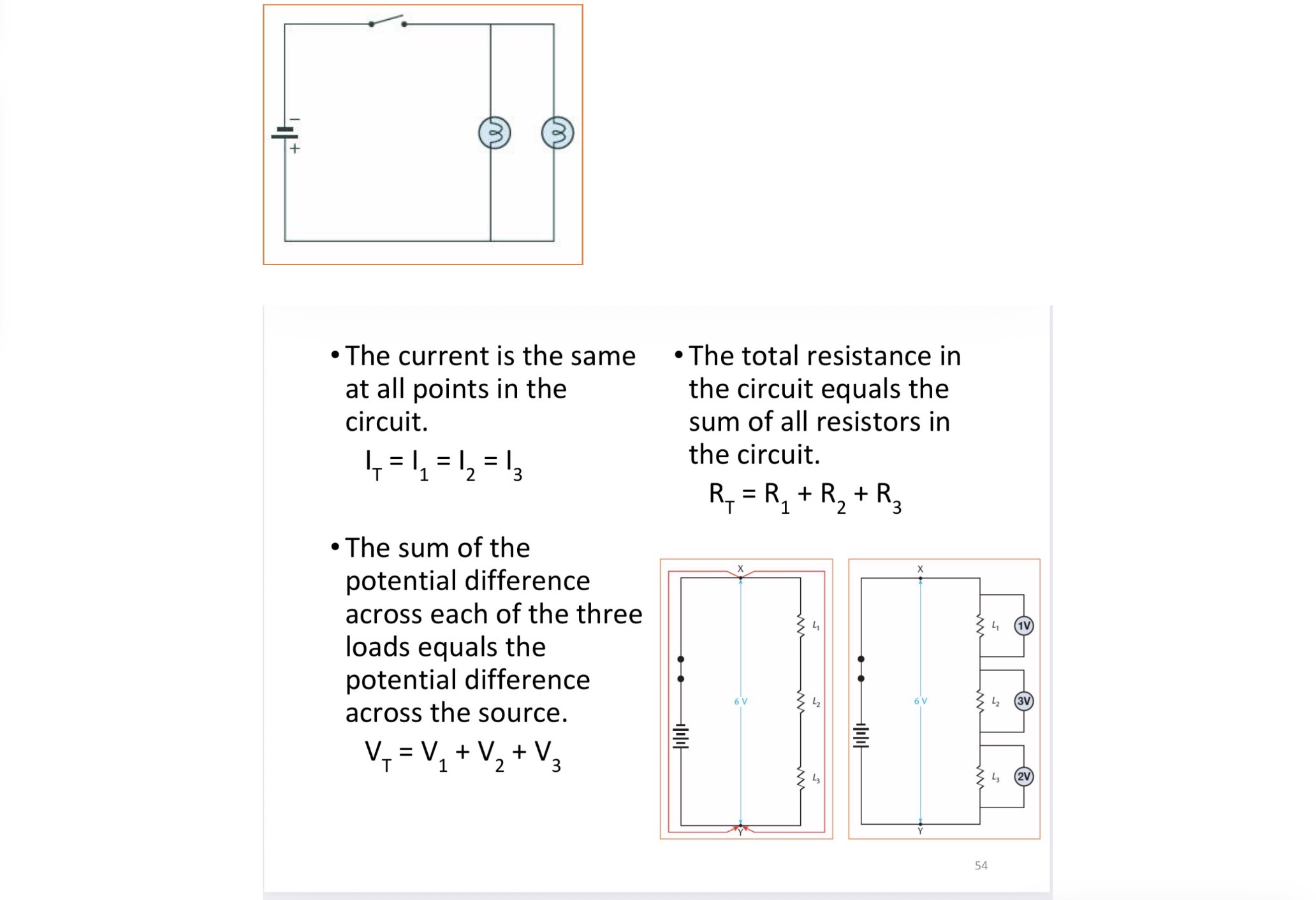
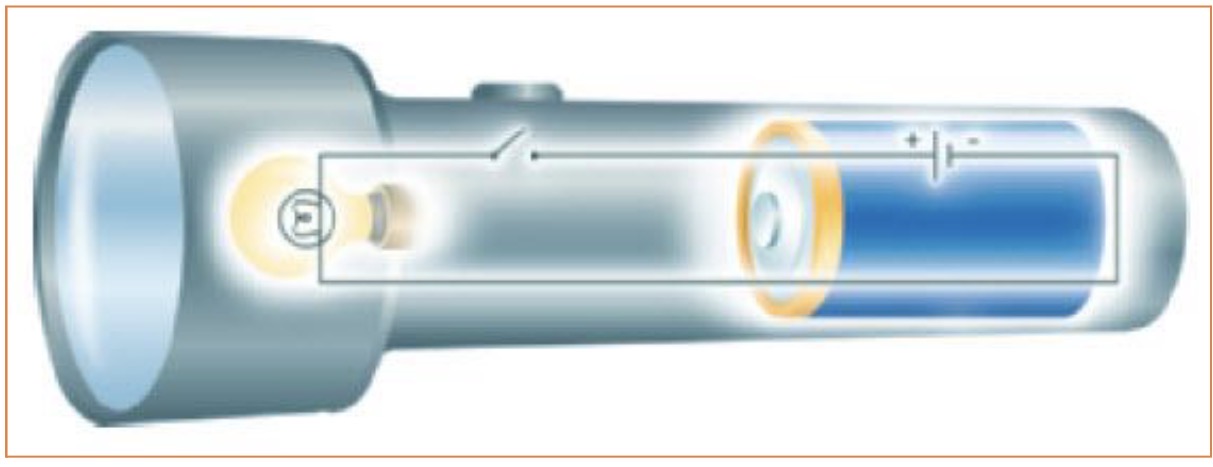
An electric circuit is a closed path along which electrons can flow from and return to an energy source.
Switches are control devices that can complete or break the circuit to which it is connected
An open circuit contains a gap or break that stops the continuous flow of electrons.
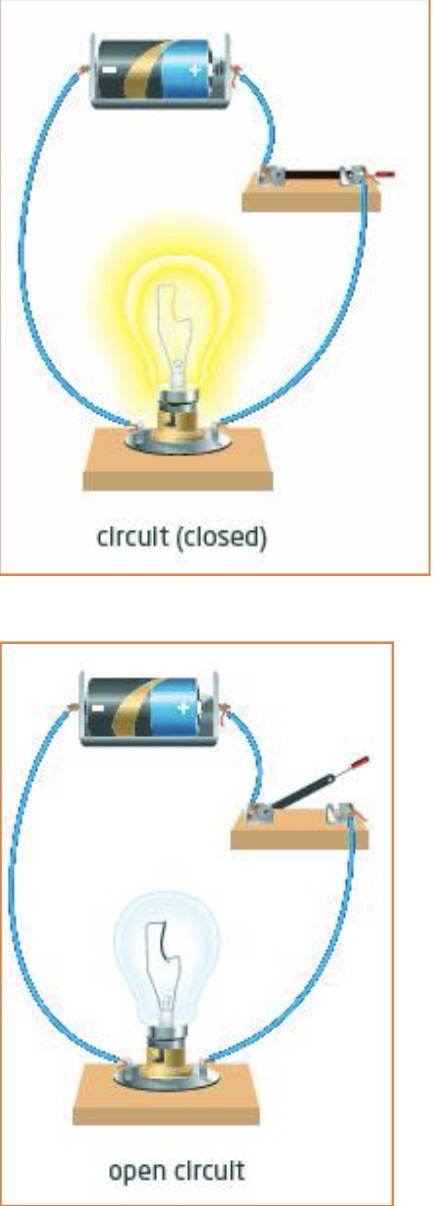
To form a closed circuit, cells must be connected to a circuit at their positive and negative terminals.
The Movement of Electrons
Electrons in a metal wire that is not part of an electric circuit move in random directions.
The electric field forces the free electrons to move in one direction. This produces an electric current.
Electric current measured in units of amperes (A) or amps.
Electrical Resistance
Works against electric current and converts _________________ to other forms of energy such as ___________, __________, or _____________.
In many circuits, resistors are purposefully used to reduce the electric current.
A resistor is a device used in a circuit to decrease the current through a component by a specific amount.
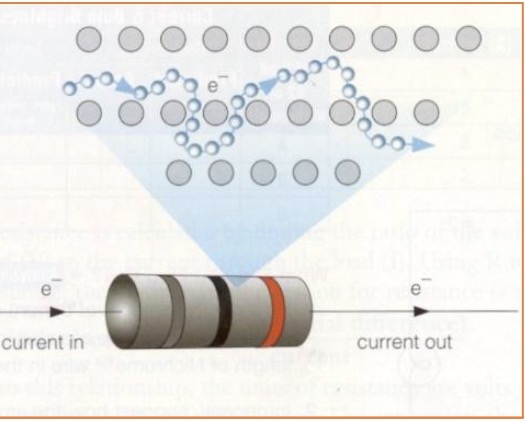
Electrical Loads
A load is a resistor or any other device that transforms electrical energy into heat, motion, sound, or light.
Any item within a circuit that uses the electrical energy, such as a light bulb or buzzer, is a load.
Potential Difference
Potential difference (Voltage) is the difference between the electric potential energy per unit of charge at two points in a circuit.
The unit for potential difference or voltage is the volt (V).
This is often called the work done on electrons or the “push” that starts them moving in a circuit.
Circuit Diagrams
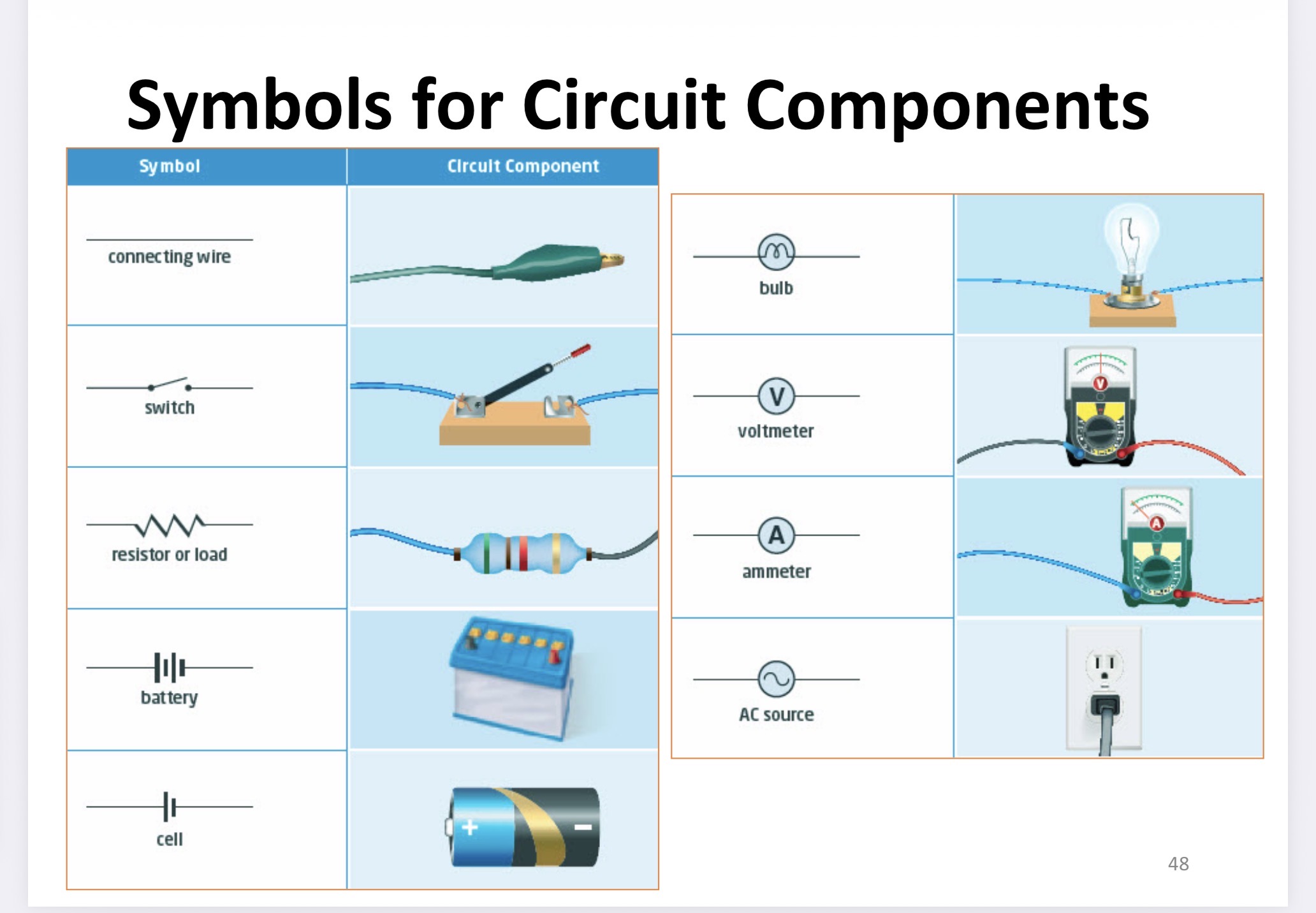
Circuit diagrams use standard symbols to represent the components in an electric circuit and their connections.
Series and Parallel Circuits
Voltmeters are always wired in parallel.
Ammeters are always wired in series.
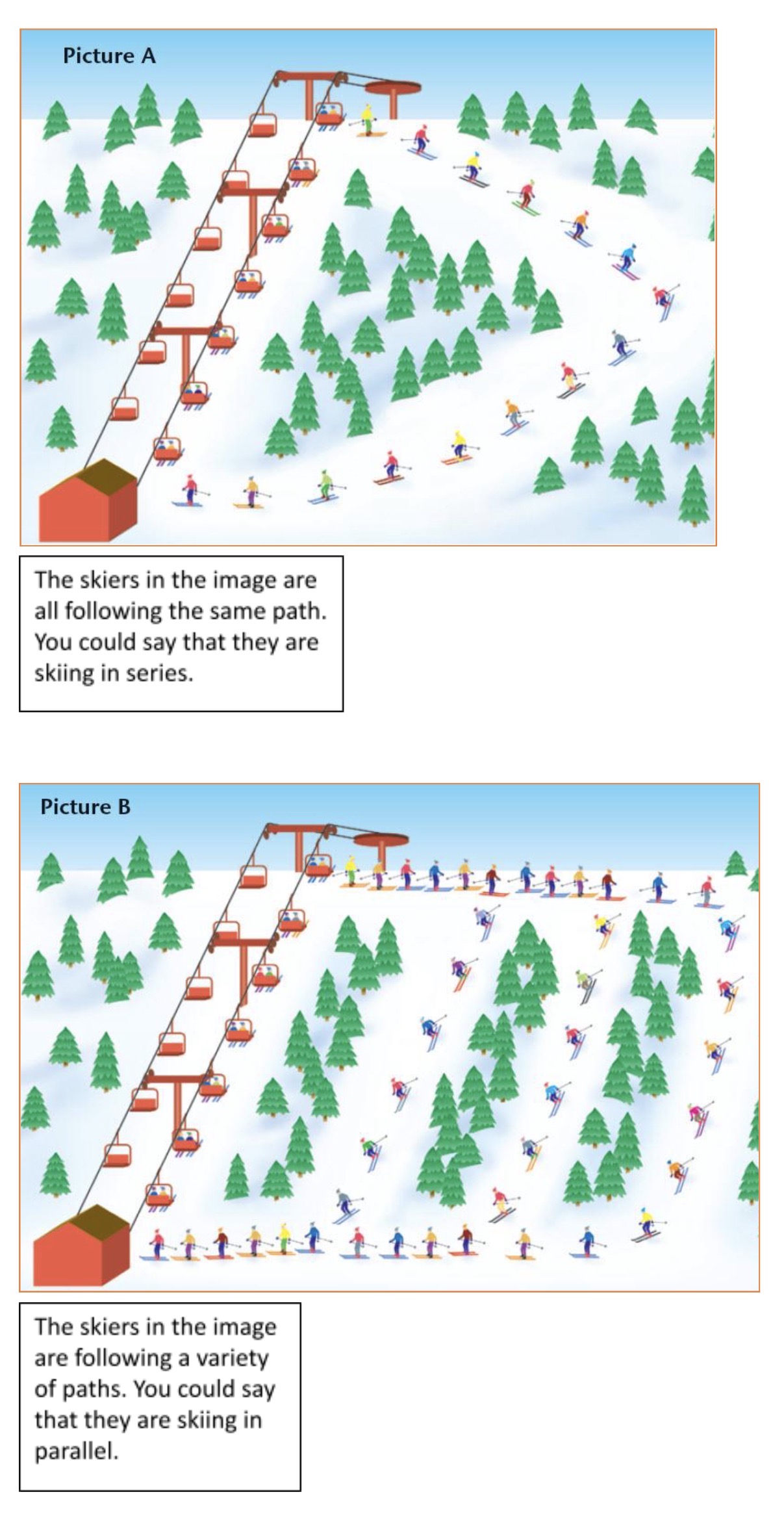
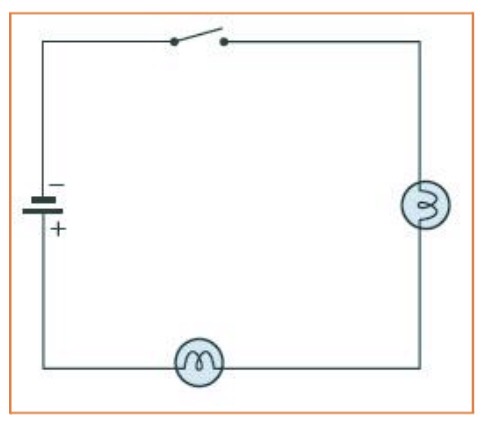
Series Circuits
A circuit with only one path for current to follow.
The current is moving at the same rate after it leaves a load as it was when it entered the load.
Parallel Circuits
A circuit with more than one path for current to follow.
The amount of current that follows each of the paths is less than the amount of current that left the source.
The same amount of current leaves or enters the source.