Glossary
competitive exclusion principle: two species competing for the same food source cannot coexist in the same place; cannot occupy the same niche.
niche: an ecological role
commensalism: one benefits and the other doesn't, but is not harmed.
last eukaryotic common ancestor (LECA) - was a protist
protists: defined by what they are not; NOT related to plants, animals, or fungi
Species of Plasmodium:
Falciparum - affect the brain, main cause of cerebral malaria, majority of deaths globally.
90% cases in Africa, 50% in Southeast Asia
Vivax - immunity for people with Duffy antigen, can cause severe malaria in 1/5 cases.
90% cases in Asia, South America, 50% cases in Southeast Asia
Malariae - milder symptoms
2% in Africa, sporadic in Asia + South America
Ovale - milder symtoms
8% in Africa.
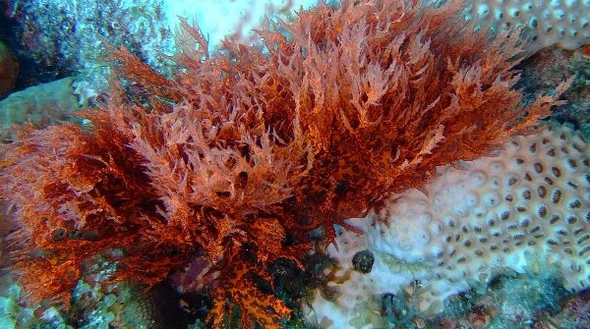
Red Algae (archaeplastida):
multicellular
flat and branched
can be fillamentous
can be red/dark green
marine + near shores
Green Algae (archaeplastida):
most unicellular
some multicellular
most filamentous
various habitats
highly symbiotic with plants, fungi, and animals
plants thought to be derived from a type of green algae: Charophytes
Amoebae:
pseudopods - form when the cytoplasm streams forward in a certain direction
slime moulds:
plasmodial - single multinucleated cells
the maze mould that emit chemicals trails to recall where it has gone
find best routes for Japanese transit
cellular - single cells that can aggregate to form a multicellular organism
emit chemical signal when food is low, attracting more moulds to form a cluster
preform altruism - selflessness
sacrifices for the better of the population, not the individual