1.5 States of Consciousness
Mere exposure effect: when we prefer stimuli we’eve seen before over novel stimuli.
Priming: when exposure to one stimulus influences how a person responds to a subsequent stimulus.
Four States of Consciousness
Conscious level: information about you or your environment that you’re currently aware of. The state of awareness that includes thoughts, perceptions, and feelings that are currently in our active awareness, allowing us to respond to our environment and make decisions based on our experiences.
Nonconscious level: the mental processes that occur without your awareness, such as automatic skills, habits, and body functions; completely inaccessible to conscious awareness (heartbeat, blood flow, digestion, etc.)
Preconscious: the level of consciousness that contains thoughts and feelings that are not currently in awareness but can be easily accessed when needed, such as memories or knowledge that needs to be recalled.
Unconscious level: the deepest level of consciousness, where repressed memories and desires reside, influencing behaviour and emotions without awareness. Psychodynamic/psychoanalysis — Freud’s “hidden vault” that contains hidden and repressed parts of our mind. Difficult or impossible to prove.
Psychoactive Drugs
Psychoactive drugs are drugs that change the state of consciousness and changes the chemistry of the brain/body.
Usually, our brain is protected from harmful chemicals by the blood-brain barrier (thick walls surrounding the brain’s blood vessels)
Molecules that make up psychoactive drugs are small enough to pass through the barrier
Some effects are due to the expectations of the drug (similar to placebo effect)
Molecules either mimic (agonist) or block (antagonist) naturally occurring neurotransmitters in the brain.
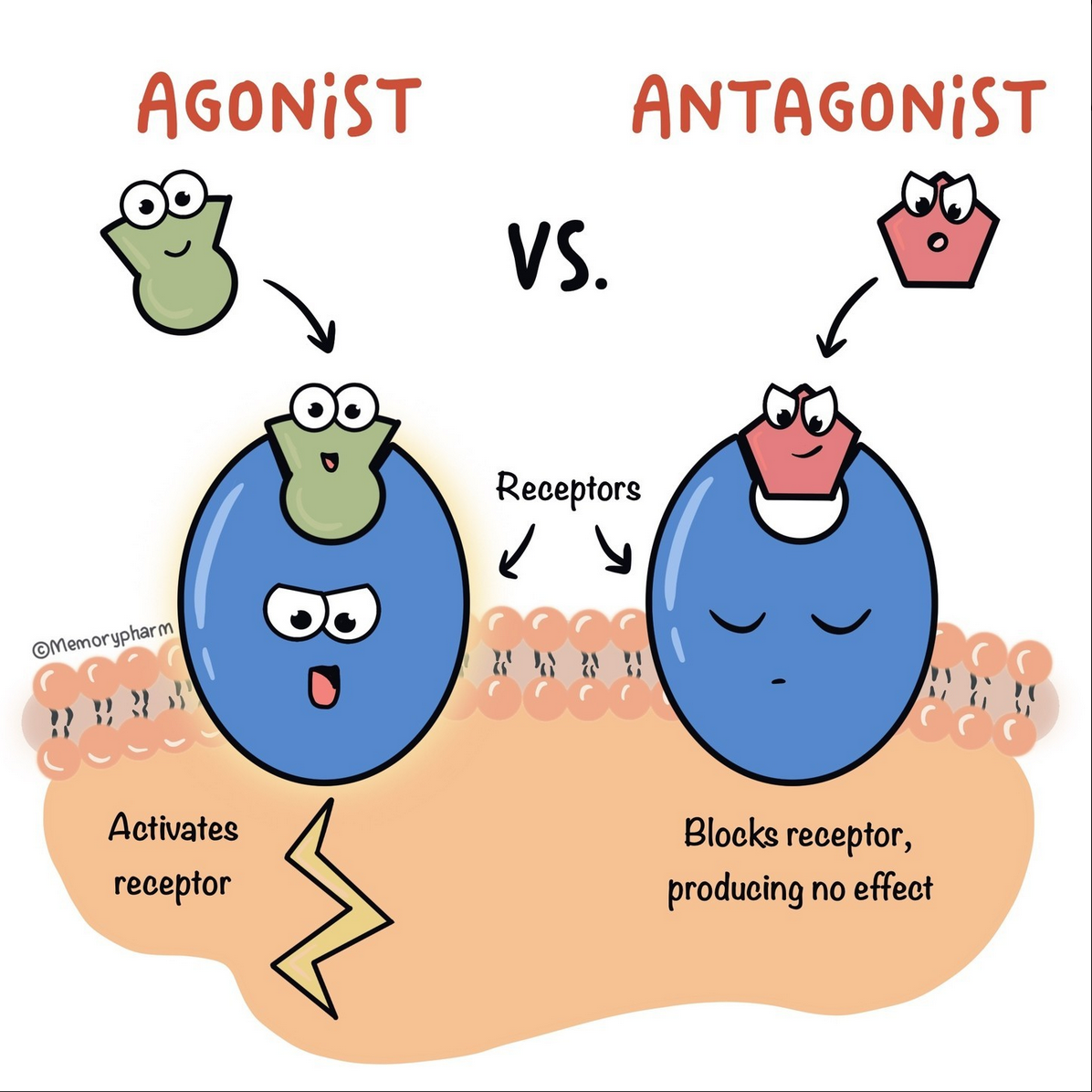
Psychoactive drugs gradually alter the natural levels of neurotransmitters in the brain
This leads to tolerance, where increasing amounts of the drug are needed to achieve the same effect, and can also result in withdrawal symptoms when the drug is not taken.
The brain produces less of a specific neurotransmitter
Withdrawal symptoms can vary, from a headache because of caffeine withdrawal to fatal night sweats because of heroin withdrawal.
Dependence can be both psychological and physiological.
Neurotransmitters
Stimulants excite and promote neural activity/body processes. They speed up bodily processes and are accompanied by a sense of euphoria.
Caffeine, cocaine, nicotine, amphetamines.
All produce tolerance and withdrawal
Side effects include heart problems, increased anxiety, disturbed sleep, and reduced appetite.
Depressants inhibit, reduces, and slows down neural activity/body processes. These inhibit part of the brain and can cause behavioural changes.
Alcohol, barbiturates, anxiolytics (such as Valium)
Hallucinogens (aka psychedelics) distort perceptions of reality, such as sensory hallucinations and vivid fantasies.
MDMA, marijuana, LSD, psilocybin mushrooms
Effects are very persistent
Effects are less predictable
Opiates (“worst drugs”) are all similarly structured to opium. They act as agonists for endorphins, and elevates mood and acts as painkillers. They cause drowsiness and euphoria.
Morphine, heroin, fentanyl
Rapidly changes brain chemistry, extremely addictive and easy to overdose on.
Sleep
Light activates light-sensitive photoreceptors in the retina, they send signals to the brain’s pineal gland, which produces melatonin
We usually follow a 24-hour circadian rhythm, but in cases where there are no time cues, then we follow a roughly 25-hour rhythm, called free-running rhythm
Stages of Sleep
NREM 1 is the transition from wakefulness to sleep. Typically lasts less than 10 mins and includes Alpha Waves. Characteristics include slowing of heartbeat, breathing, eye movements, relaxation of muscles.
NREM 2 is a period of light sleep, includes theta waves and some sleep spindles (small, rapid bursts of rhythmic brain wave activity).
NREM 3-4 (or just stage 3) is the final stage of NREM sleep. This is the deepest period of sleep and lasts 20-40 minutes. People are very difficult to wake up and your heartbeat and breathing slow to their lowest levels.
This period of sleep is essential to physical health — growth hormones, immune system, etc.
Very rejuvenating sleep, lack of will make you more susceptible to illness.
REM (rapid eye movement) sleep occurs 90 minutes after sleep onset. Marked by intense brain activity, also called paradoxical sleep, as your brain waves are similar to waking.
Vivid dreaming in REM sleep, deprivation of REM sleep impacts memory
REM rebound: longer/more periods of REM if deprived
Higher stress during the day means longer length of REM periods
Your voluntary muscles are paralyzed, so you can’t act out your creams
Hypnagogic sensations are what you experience between sleep and wakefulness (ex. lucid dreaming, muscle jerks)
Sleep Disorders
Insomnia (~10% of the population) — problems falling/staying asleep
Treated with changes in behaviour (ex. less caffeine, exercising…)
Sleeping pills are not recommended/prescribed with caution as they can inhibit or suppress REM sleep
Narcolepsy (<0.001% of population) — intense sleepiness and falling asleep at inappropriate or unexpected times
Nap at strategic times, medication
May lapse directly into REM sleep and only for a few minutes
Sleep apnea — temporary cessations of breathing during sleep
Gasp for air, momentary awakening, back to sleep
Disturbs REM and deep sleep, affects attention and memory, causes tiredness
Use a CPAP machine to help breathe
Hard to diagnose
Severe apnea can be fatal
Dreaming
Usually occurs during REM sleep, difficult area of research
Activation-synthesis theory — dreaming is just a biological phenomenon, has no meaning, a physiological reflex
Information-processing theory — processing the events of the day
Brain’s way of dealing with stress
Integrating information processed during the day into memories