Chapter 11: Lipid and Amino Acid Metabolism
Lipid Digestion and Absorption
Digestion
Dietary fat consists mainly of triacylglycerols
The remainder comprised cholesterol, cholesteryl esters, phospholipids and free fatty acids
Emulsification occurs upon entry into the duodenum
Emulsification - mixing of two normally immiscible liquids, i.e. fat and water
Emulsification INCREASES lipid surface area
Emulsification is aided by bile; bile salts, pigments, cholesterol
Bile is secreted by the liver and stored in the gallbladder
The pancreas secretes pancreatic lipase, colipase and cholesterol esterase
2-monacylglycerol, free fatty acids and cholesterol
Micelle Formation
Lipid digestion → Emulsification → Fat absorption
Fats are absorbed by the intestinal wall
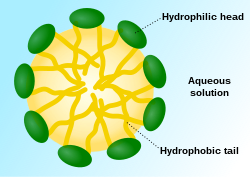
Micelle - formed from free fatty acids, cholesterol, 2-monoacylglycerol and bile salts
clusters of amphipathic lipids soluble in the aqueous environment of the intestinal lumen
Water soluble spheres with a lipid-soluble interior
Digestion, transport and absorption of lipid-soluble substances
Duodenum → Ileum
The ileum actively reabsorbs and recycles bile salts
remaining fat will pass into the colon and excrete as waste
Absorption
Digested lipids pass through the brush border and are reabsorbed into the mucosa and re-esterified
Form triacylglycerols and cholesteryl esters, apoproteins, fat-soluble vitamins and other lipids → Chylomicrons
Chylimicrons → Lacteals → Thoracic duct