SciOly Anatomy & Physiology: Skeletal System
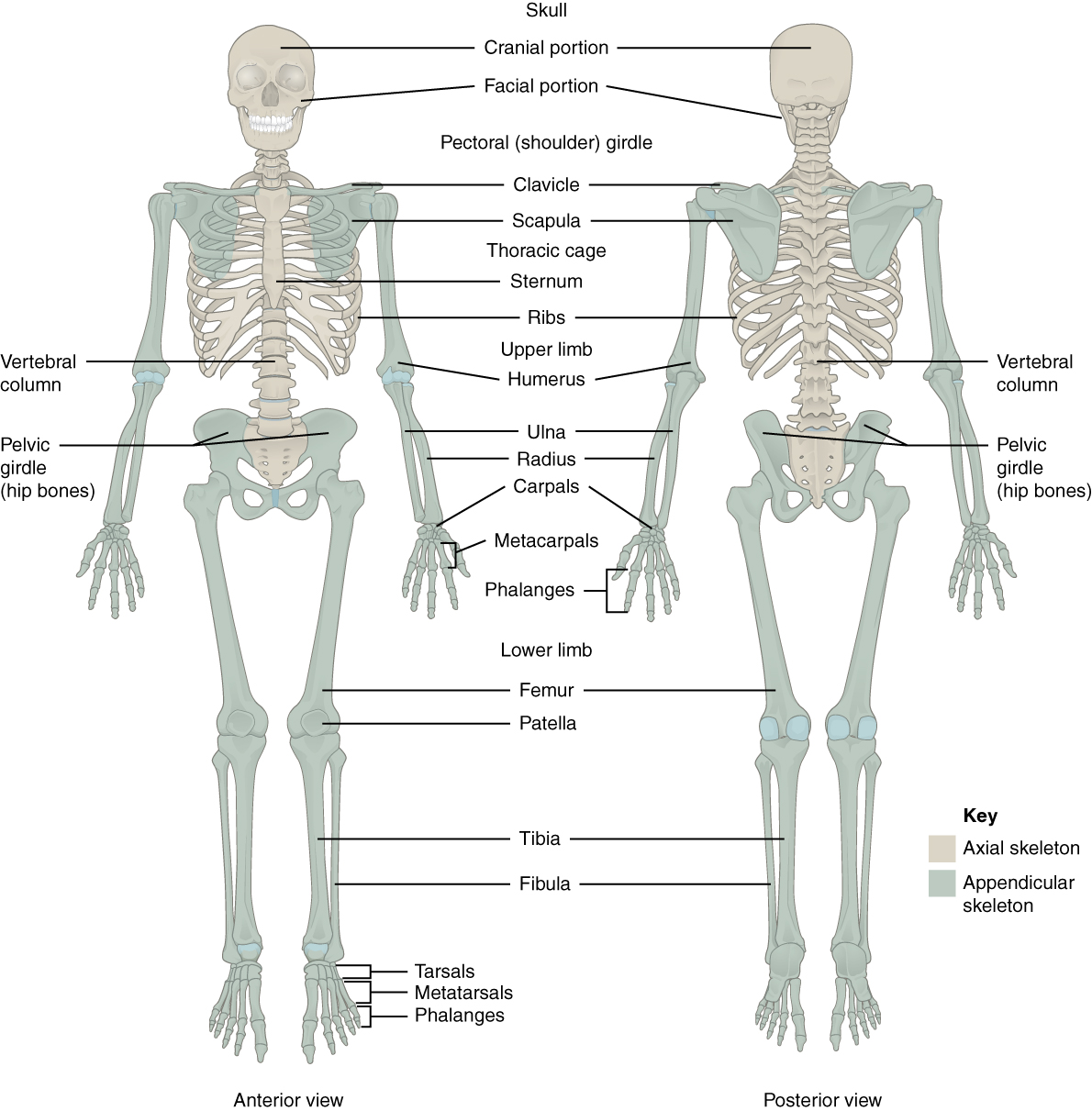
i. Bones of thee Axial and Appendicular skeleton; label the basic surface anatomy of a bone as shown on a diagram and/or normal X-ray, CT, and MRI
Bone classification
Long bones: Long wide bones composed of a shaft (diaphysis) and 2 ends (Epiphyses)
All limb bones except for writ, patella, and ankle bones are long bones
Outer layer of compact bone with an inner layer of spongey bone.
Lined with articular cartilage
Short Bones: Roughly cube shaped.
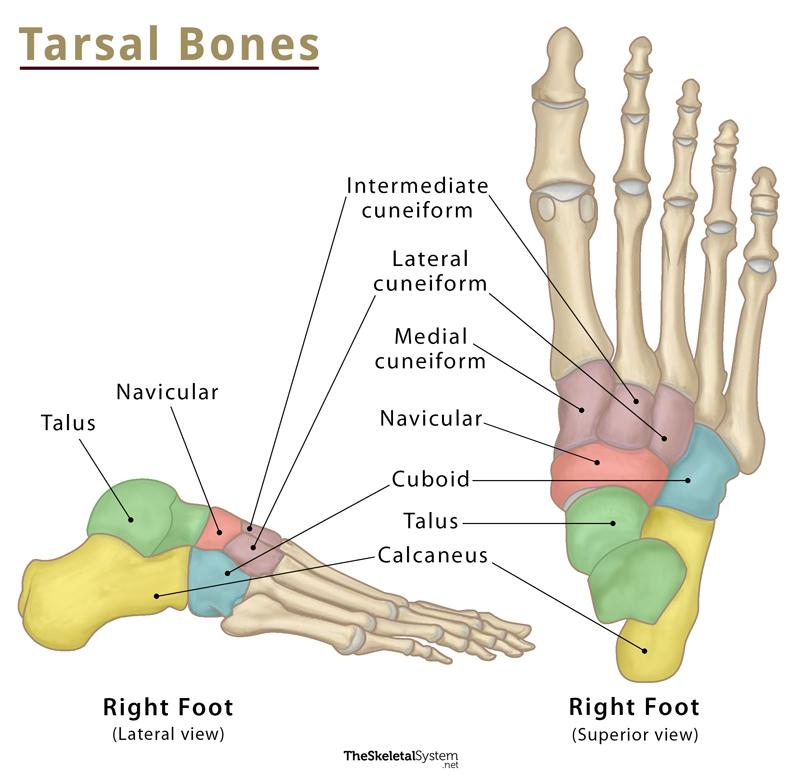
Ex: carpals and tarsals
Sesamoid bones: Special kind of short bone that are inside of tendons
ex: patella
Flat bones: Thin, flat, slightly curved bones
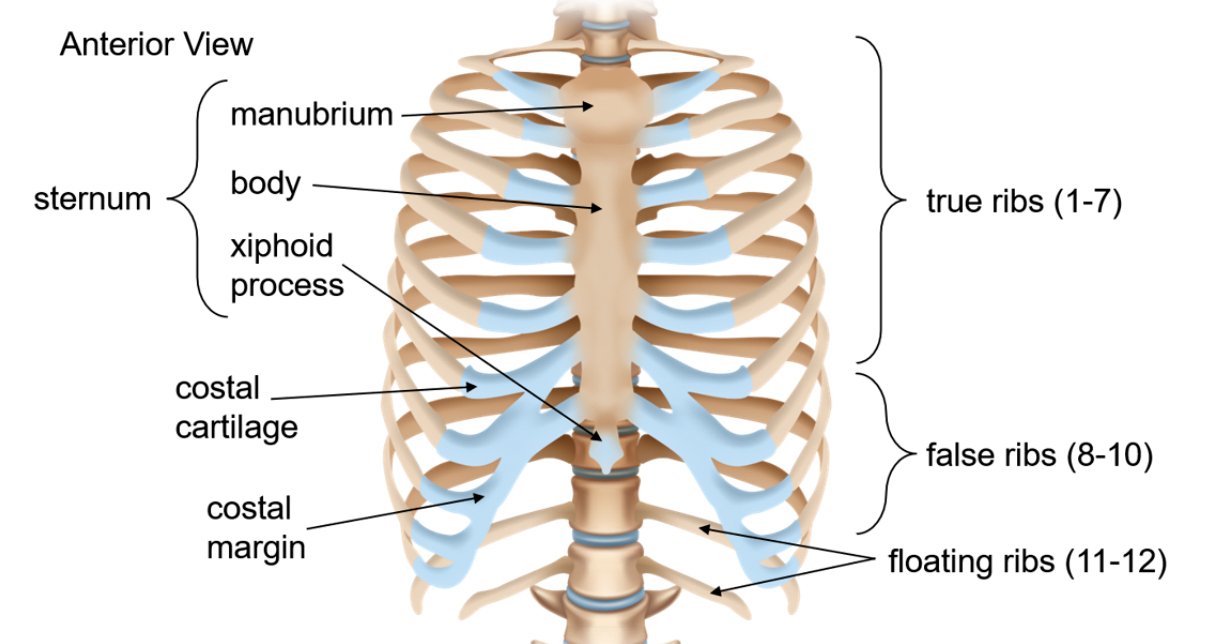
Ex: ribs and crranial bones
Protect internal organs





ii. Name, sturcture, and function of all joint types and muscle, tendon and ligament attachments surrounding the joints and the ranges of motion allowed by each type.
iii. Structure and microscopic function of bones, bone marrow, and cartilage (e.g, storage, osteon, blood cell production)
iv. Skeletal system role in calcium and phosphate balance
v. Effect of hormones (PTH, Vitamin D estrogen) on the skeletal system
vi. Cellular composition of bones (e.g, RANKL role in bone cell maturation), bone marrow, and cartilage
vii. Development and maturation of bones at the cellular and gross anatomical levels
viii. Types of vertebrae
ix. Characteristics and radiological features of bone diseases/ disorders from the cellular level to the whole person as listed: Osteoarthritis and rheumatoid arthritis (how to distinguish from eachother), gout, osteoporosis, osteomalacia/rickets, scoliosis, kyphosis, lordosis, Tennis elbow, Golfer’s elbow, Cruciate ligament tears of the knee, meniscus tears of the knee, and septic arthritis.
x.The effects of exercise and aging on the skeletal system and the diseases mentioned
xi. Fractures including the Salter-Harris fracture classification system, causes, and treatments
xii. Additional diseases and disorders: Spinal fractures (including specific classes), ankylosing spondylitis, achondroplasia, osteosarcoma, and Ewing sarcoma
xiii. Understanding the effects of biphosphonates and denosumab on the skeletal system
xiv. Additional diseases/ disorders: Clinical effects of spinal stenosis, foraminal stenosis, and disc herniation on the nervous system, Osgood-Schlatter disease, plantar faciitis, Paget disease of bone (osteitis deformans), osteoblastoma, giant cell tumor
xv. Treatments and/or prevention for all conditions listed above
xvi. Label the bones & Sutures of the skull. know the foramina of the skull and what neurovascular structures pass through each.