Data Gov
details
lockdown browser
3.25 pm
120 mins
location classroom
types of Qs
mcqs: single correct and multiple correct, fill in the blanks & T/F - 35 qs (2 points each)
short answer (2-3 sentences is enough) - 3 qs (10 points each)
sample scenario → respond with different view points
source
readings
slides and notes
in-class discussions
notes
big data
5 Vs
velocity - speed at which data is generated (real-time trading data, monthly data, yearly data)
volume - amount of data generated (youtube, instagram, snapchat, sales data)
variety - types of data (structured, unstructured)
veracity - trustworthiness of data (source, credibility)
value - what value does the data add to the organisation and customer (shareholders)?
big data v small data
unstructured v structured data v semi-structured data
steps of big data solutions
data ingestion
data storage
data processing
algorithms
process/set of rules to be followed in calculations or operations to solve a problem
SEEP framework
security
Confidentiality: allowing only authorised people to access sensitive information
Integrity: consistency, accuracy and trustworthiness of data
Availability: data is always made available when authorised people need it
security | privacy |
encryption, access control, network security, breach response | consents, policies, data removal, discovery and classification |
how do data privacy policies get enforced? | what data is important? why? |
threat types
external - hacker (black, gray, white) expert, intruder
internal - compromised, oblivious, negligent, malicious, professional
tools - malicious code, scanners, penetration attempts, denial of service, social engineering, ransomware
defenses against ransomware
backups
encryption
mitigation methods
technical controls - security system maintenance, penetration testing, system monitoring, backups, access controls, encryption, anti-malware measures
user actions - password, install and update security softwares, be vigilant
organizational controls - training, ensuring safety protocols upto standards, minimize access, breach mgmt
legal mechanisms - GLBA (financial), HIPAA (health), FERPA (academic), GDPR (international law for any company processing data of people from the EU → EU data protection directive was the predecessor), privacy act (federal data)
herley’s premise
users ignorance of security advice is justified
overwhelmed users
benefit is perceived to be moot
advice helps users mitigate direct costs, but increases indirect costs
economics
data quality
non-rivalrous
non-excludable
monetizing data
new revenue streams
direct sales
data sharing agreements
targeted advertising
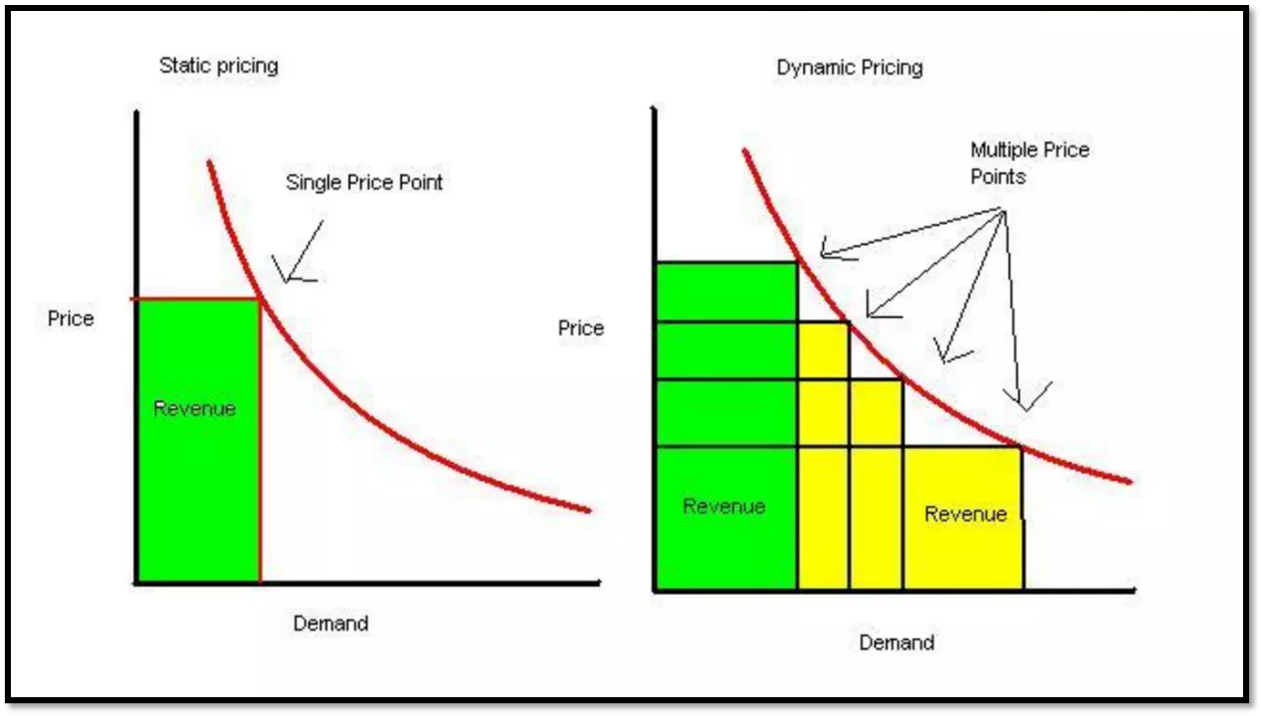
pricing strategies
barter system - oldest form, exchange of goods & serv, incurs taxes
fixed pricing (the price tag) - same price for all buyers, very stable
automated dynamic pricing - data is more imp, very dynamic, price changes
business value
investment in hardware, software, training, management for big data tools
initial and operational cost
outcome of using big data
customer spending increases
research and analytics, accuracy better
predictive analytics
better strategizing
(increasing revenues, lowering costs, increasing productivity, reducing risk)
efficiency - assumption that a price is reflective of everyone in the market having all available information
data brokers
companies/individuals that sell personal information about people to other companies
websites track your information
types of data we share
what companies do with BD v. what companies say about BD
ethics
outcomes based reasoning
military decision making, public policies
‘right’ decisions, actions and policies optimize the balance of benefit over harm
hiroshima bombing, lifeboat on titanic
utilitarianism
focused on outcomes/consequences
utility of a policy is measures by how much it promotes the good
but how can good be measured?
ignores human rights, justice
principle of utility: greatest happiness of all those whose interest is in question is universally desirable
in short ‘the greatest good’
long term or short term happiness
deontology
greek deon = duty
adherence to rules, actions taken to achieve a goal
consequences do not matter
the golden rule: do unto others as you want them to do to you
trolley problem
virtue ethics
if act furthers a virtuous trait, it is ethical
happiness
excellence
character
12 moral values - honesty, self control, humulity, justice, courage, empathy, care, civility, flexibility, perspective, magnanimity, wisdom
privacy
right to be left alone, to control, manage, edit and delete information about themselves and decide the extent of spread of their information
privacy - what info goes where (identity, location, activity, health records, employment records)
security - ensures info doesnt go anywhere it isnt supposed to; helps enforce privacy policies
fair information practices (Cant Ur Dick Please So I Always Orgasm?)
collection limitation
use limitation
data quality
purpose specification
security safeguards
individual participation
accountability
openness
online social networks - easy access, readily available; one point of attack, data is not secure
managing privacy:
anonymization
deanonymization - vulnerable to conclusions derived from data aggregation
encryption - symmetric v. asymmetric
tools/ways
clear internet browser, OS
TOR, JAP, Hide the IP (hides info)
Privacy Bird, Guard, Bugnosis (deduces complex privacy statements)
PRIVACY ACTS
COPPA - childrens online privacy protection act
for children
gives parents control of info collected of their children (<13)
GLBA - gramm leach bliley act
for financial institutions
financial privacy rule
safeguards rule
pretexting provisions
HIPPA - health insurance portability and accountability act
for health information
patient can amend, access, place restrictions and request accountability
FERPA - family education rights and privacy act
for students
confidentiality of student educational records
state laws
international laws
GDPR - general data protection regulations (EU)
bias
bias
prejudice in favor or against something, often in an unfair way
example: labeling a yellow watermelon as "uncommon" because it deviates from the typical red one
bias in technology
algorithms and AI: not inherently biased but reflect biases from data or design
example: job application filters biased against women in tech due to past data patterns
fault
technological determinist
technology shapes our future and determines social change
any flaws seem inherent to the technology
if an algorithm used for job applications is biased, a technological determinist would blame the algorithm's design or coding for the bias
social determinist
think about the use of the program and not the creation of the program
humans are flawed, the tools are neutral
example contd. a social determinist would argue that the bias comes from societal patterns (historical inequality) reflected in the data used to train the algorithm, not the technology itself
types
Every Dick Can Try Pleasing Me, I’m Extra Sexual
bias
meaning
example
preexisting bias
bias that exists before system creation, often from societal norms or values
search engine results for CEO favor images of men due to historical underrepresentation of women
technical bias
arises from constraints or limitations in tools, algorithms, or data structures
image recognition struggles to classify images from regions underrepresented in training data
emergent bias
develops after system deployment due to unexpected user interactions or societal changes
translation app starts generating gendered translations based on user behavior over time
data-driven bias
bias from flaws or imbalances in the data used to train models
selection bias: urban data leads to underrepresentation of rural populations
interpretation bias
errors from human assumptions or perspectives when analyzing data
assuming correlation implies causation, e.g., linking ice cream sales to crime rates in summer
evaluation bias
occurs when evaluation datasets or benchmarks do not represent the real world
facial recognition software performs poorly for darker-skinned women due to lack of representation
class imbalance bias
occurs when certain classes are overrepresented or underrepresented in training data
medical diagnosis models perform poorly on rare diseases due to limited training examples
sampling bias
arises when collected data is not representative of the true population
imagenet dataset: 45% images from the US, only 1% from china, skewing towards western contexts
measurement bias
arises when proxies for variables are flawed or noisy
sat scores as proxies for intelligence, reflecting access to resources more than innate ability
impact of bias across the pipeline
data collection: imbalanced datasets skew outcomes
model design: lack of fairness metrics
training/deployment: feedback loops perpetuate bias
evaluation: ignoring subgroup disparities
interpretation: human errors reinforce bias
mitigating bias
solutions:
remove or reweight problematic signals in datasets
develop robust metrics to evaluate biases
implement diverse, inclusive benchmarks for training models
example: increasing representation of minoritized groups in datasets to improve fairness
fairness, justice and discrimination
fairness - ensuring algorithms act in fair ways
accountability - who is responsible for automated behaviour? supervision/auditing of large scale machines
transparency - why does an algorithm behave in a way? can it explain itself?
justice - quality of being fair and reasonable
people are to be treated impartially, fairly, properly and reasonably by the law and its enforcers
no harm befalls anyone, and if it does, remedial action is taken and morally right consequences are delivered
discrimination - unjust or prejudiced treatment of people from a different group
disparate treatment
US legal term for differentially treating a protected class
requires proof not only of the treatment but also the intent to treat them differently because of the status
disparate impact
US legal term for discriminatory effects even after applying superficially neutral rules
not hiring anyone under 6 ft, knowing well enough that avg women height is less than that
no intent needed
fairness is hard
to make algo less biased, remove sensitive factor
but variable could be correlated to other factors
also, it is easy to understand one factor if we have a few other factors (determine race from address, spending, etc)
COMPAS example
black people wrongly labelled high risk, white people wrongly labelled low risk
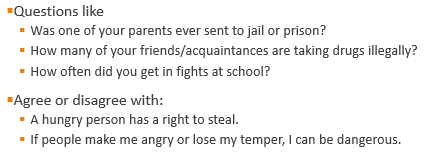
137 qs asked, no q was about race
more examples
29% people received credit scores that differed by atleast 50 points between three credit bureaus (either algo is highly biased or arbitrary)
medical school using program to screen job applicants - unfairly discriminate towards females and ethnic minorities (from surname, POB)
husky is classified as a wolf solely based on existence of snow in the background of a picture
theories of justice
john rawls - comprehensive/principle based
society’s basis is a set of tacit agreements - the social contract
agreed upon principles must not be dependent of ones place in society
believed that rational, self interested people with similar needs would choose these 2 principles to guide their interactions
principle of equal liberty - equality in the assignment of basic rights and duties (is the opportunity to receive open to everyone with the same criteria)
difference principle - principle of fair equality in opportunity - is the system not harming the least fortunate (defined before the system was implemented)
emphasizes redistributing wealth to benefit the least well off in society
robert nozick - comprehensive/principle based
inequalities are seen as a fact of life
is there deception or fraud or manipulation in the acquisition of data used in the program
deception or fraud in the use of the program
fairness of process by which property is acquired and transferred rather than the distribution itself
michael walzer - contextual/casuistical
different spheres of distribution
data from one sphere is used in allocation of a decision that is measuring success or failure in another sphere
distributing different social goods according to their distinct social meanings, argues against a single metric of equality
example
John Rawls - health care should be distributed equally, such that it would benefit the least well-off.
Nozick - access to healthcare would depend on one’s ability to pay, as long as the acquisition of wealth was just.
Walzer - healthcare should be distributed based on need and not influenced by one’s wealth, as it belongs to a different sphere with its own criteria for justice.

health and data
sources - clinical data, medical publications, clinical references, genomic data, streamed data, web and social networking data, business organizational and external data = big data
health data is sensitive
poses for diseases, health disorder, pre-existing conditions mental illness, drug abuse, suicide attempts, STDs, depression, abortion
what if health insurance companies get their hands on this data
HIPAA
wearables
dont actually make you healthier
motivation - leaderboards - setting goals
improve provision of care - for elders specially
population health implications
ethical concerns
health monitoring by wearables - new norm
beyond the superficial use, identification of early onset of disease, sleep and physical activity is revealing of psychological state
fitbit data is now googles data since g bought f
genetic information
biological samples - biological material in which DNA is present
genetic data is information about these characteristics
genome - total DNA sequence of a cell
unique features - identifying, ubiquitous, longevity, predictive, individual and familial in nature
tech and data assistance to healthcare
leverage technology to create a better system
must build business case to fund this
focus on electronic medical records is important but
health information exchanges provide immediate benefit and more cost savings
predictive analytics
AI
AI - mimics human intelligence like hearing, problem solving
ML aims to teach a machine how to learn a task and provide accurate results by analyzing patterns
use of AI
using common sense
learning and adapting constantly
understanding cause and effect
reasoning ethically
real AI
general purpose AI - science fiction robot types (full human mimicking)
specific purpose AI - nontrivial, automated cars, pokemon go, speech and image recognition
turing test
humans v AI
complex, messy and ambiguous tasks that come naturally to humans are hard for AI
clearly defined problems that we think need intelligence are solved by AI (chess)
AI lacks a broad understanding of the world, common sense, out of the box creativity, no consciousness
humans are good at finding solutions in messy situations
adapting/self evaluation/creativity
explaining our reasoning
tasks that need a broader understanding of our world - morally weighted questions
humor
social reasoning - knowing what it is like to be human
application
LLMs - predictive texts
generative AI - uses ML to create new original content like images, videos
GPT - generative pretrained transformer (create outputs, trained on huge amounts of data, uses deep learning to analyze relationships between data - word prediction)
two main approaches towards moral decision making for AI
game theory
studies settings where multiple parties have different preferences (utility/objective functions) and different actions
each agents utility depends on another’s actions - circular approach
how can agents rationally form beliefs over what other agents will do and hence how agents should act - predictive behaviour
machine learning
optimize a performance criterion using example data or historical data
association - market basket analysis
uses - prediction, knowledge extraction, compression, outlier detection
supervised learning - classification, regression
unsupervised learning
reinforcement learning
trolley problem in autonomous cars - if it were done by a human, would it be a crime?
ethical implications
people losing jobs to automation
workers displaced by AI
AI is faster and less expensive
people might have too much leisure time
utter boredom - wall-e
lost sense of being unique
what if we lose our humanity
if AI is created, would they be equal to humans
lost privacy rights
intelligent scanning of data
loss of accountability
if expert medical system kills a patient with a wrong diagnosis
autonomous cars
voting systems
might end the human race
laws of robotics
law 0 - a robot may not injure humanity through interaction
law 1 - law 0 + unless it would violate a higher order law
law 2 - a robot must obey humans except where such orders conflict with a higher order law
law 3 - robot should protect its own existence unless… higher law
gamification and addiction
gamification - adding game elements, mechanics, and thinking to non-game applications to engage people and influence behavior
main components - motivation, mystery, triggers
desire to play games is human nature
games influence behavior through fun and entertainment
entertainment inspires sharing
ethical concerns
exploitation and manipulation
data generation in gaming
50tb of data daily
2 billion gamers globally
EA hosts 2.5 billion game sessions per month (50 billion minutes)
game metrics
measures include player behavior, monetization, technical performance
game analytics involves analyzing these metrics
gaming industry statistics
65% of american households have someone who plays video games regularly
67% of households own a gaming device
average gamer age: 35
97% of americans aged 12–17 play video games
psychology and addiction
video games use rewards and punishment systems
emotional symptoms: restlessness, preoccupation, lying about time spent, isolation
physical symptoms include impacts on the brain similar to drug addiction
digital heroin
gaming and technology affect the brain's frontal cortex similar to cocaine
raises dopamine levels, driving addiction
social media positives
finding new friends, staying in touch, raising awareness, emotional support, creativity
useful for remote or socially anxious individuals
social media negatives
feelings of inadequacy, depression, anxiety, cyberbullying
compulsive use can harm relationships and productivity
how to reduce social media addiction
delete apps, turn off notifications, set limits, take up non-tech hobbies
transparency and accountability
problem with AI/ML systems
AI exceeds human performance but makes mistakes
lack of trust due to lack of explainability
tradeoff between accuracy and explainability
explainable AI
black-box predictions are not enough
explanations should be understandable to non-specialists
tradeoff between expert systems (good for explanations, less accurate) and neural networks (accurate, but not explainable)
crowdsourcing
uses internet workers to perform micro-tasks to solve complex problems
examples include wikipedia, recaptcha, foldit, and app testing
popular crowdsourcing tasks
sentiment analysis, search relevance, content moderation, data collection and categorization, transcription
surveillance and power
employee monitoring:
employers monitor for reasons like protecting trade secrets, reducing liability (e.g., harassment), and productivity.
searches depend on privacy expectations—invasive searches (body, clothing) vs. non-invasive (desks, company-provided devices).
employers can monitor communications (calls, emails) if policies eliminate privacy expectations.
telephone recording:
one-party consent (e.g., federal law, 38 states) vs. two-party consent (e.g., CA, FL, IL).
keystroke monitoring is legal but cannot capture passwords.
surveillance after hours:
legal questions: can actions be regulated without violating rights?
surveillance capitalism:
a new economic order: human experience becomes raw material for prediction and sales.
justifications often cited: consent, anonymity, and security.
power in surveillance:
persistent tracking reduces the power of those being watched (e.g., orwell’s "1984").
examples include the shift from "big brother" to the "electronic panopticon."
surveillance in data analytics:
surveillance creates negative externalities, such as loss of autonomy over personal data.
target individuals cannot avoid observation or identify watchers, leading to power imbalances.
data, democracy, and digital divide
democracy and technology:
democracy relies on informed citizens with access to unbiased information.
mass media historically acted as a "fourth estate" but struggles with issues like agenda setting and economic independence.
pillars of democracy (IF RIPE)
election of officials through free and fair elections
inclusive suffrage
right all citizens to run for public office
freedom on expression
right to information other than official sources
right to form political parties and interest groups
public sphere:
a space for public discourse; challenges include fragmentation and political/commercial bias.
internet’s democratizing potential:
features include global reach, low entry barriers, and participatory culture.
issues: information overload, accountability, and fragmentation of discussions.
participatory culture:
encourages users to contribute and share ideas, with support for informal mentorship.
social media enhances this but also creates echo chambers and filter bubbles.
digital divide:
barriers: tech literacy, language, broadband cost, and irrelevant content.
strategies: improve connectivity, contextual content, and education on technology use.
readings
biases
stanford vaccine algorithm: this case highlights how a vaccine allocation algorithm led to the exclusion of frontline doctors, raising questions about design flaws and the prioritization criteria embedded in the algorithm.
racial bias in medical algorithms: a healthcare algorithm was found to systematically prioritize white patients over sicker black patients, illustrating how historical inequities in healthcare data can perpetuate racial disparities in treatment.
fairness, justice, and discrimination
bias in criminal risk scores: research revealed that bias in criminal risk assessment tools is mathematically inevitable, highlighting trade-offs between predictive accuracy and fairness.
amazon ai recruiting tool: amazon’s ai recruiting tool showed gender bias by penalizing resumes that included references to women, such as participation in women’s organizations.
credit scores: this case examines systemic biases in credit scoring systems and the limitations of ai in addressing these entrenched disparities, raising questions about transparency and accountability.
transparency/accountability
houston school district: the district’s secret teacher evaluation system sparked controversy for its lack of transparency, leading to debates on fairness and accountability in automated decision-making.
cheating-detection: automated cheating detection systems in educational settings have raised ethical questions about privacy, false accusations, and due process.
blame on humans: in several instances, humans have been unfairly blamed for errors stemming from algorithmic decisions, highlighting the need for clearer accountability structures.
gamification
uber’s psychological tricks: uber uses gamification techniques like progress bars and incentives to influence driver behavior, often pushing them to work longer hours without fully understanding the psychological impact.
democracy/digital divide
what facebook did to american democracy: facebook’s algorithms and platform design have been scrutinized for amplifying divisive content and misinformation, which influenced democratic processes and public opinion.