FW 404: Managing Waterfowl Habitat, 11/13
Managing Waterfowl Habitat
Rule No. 1
Without a sound knowledge of the natural history of the species you are managing for, your likelihood of providing the quality, quantity and suitable arrangement of habitat for a particular species is doubtful
Waterfowl Species
Wintering waterfowl - 20+ species
most common = Tundra swan, Greater snow geese, green-winged teal, northern pintail, wood duck, lesser scaup, American wigeon, ring-necked duck, and ruddy duck
Breeding waterfowl - 3+ species
most common - wood duck, non-migratory Canada geese, and mallards
also American black duck, gadwall, hooded merganser
NC Wintering and Breeding Waterfowl Numbers
Dabblers 95,000-140,000
Divers 75,000-80,000
Snow Geese 14,000-53,000
Tundra Swans ~70,000
Atlantic Brant <1,000
Breeding Wood Ducks ~350,000+
Breeding/Resident Canada Geese ~150,000
Breeding Hooded Mergansers ??
Waterfowl Life Cycle
Wintering
migration to and from wintering grounds
pre alternate molt in males
pair bonding
re basic molt in females
Reproduction
egg laying
incubation
brood rearing
then molt flight feathers

Species Distribution
a variety of vegetation types are used
waterfowl are mobile and exploit new food
habitat “preferences” reflect niche and food segregation (linked to psychological traits)
Dabblers
select shallow water <10 inches
Divers
select open water
select water up to 10 feet
Geese/tundra swans
use dry agricultural fields and shallow wetlands
sea ducks (scoters, long-tailed duck, eiders)
use deep water, typically offshore
Dabblers vs. Divers
mallard
dabbler
tip into water, cannot really dive, shallow hunting
land majestically and jump up
lesser scaup
diver
goes below the water
crash landing
Carnivores
hooded merganser: diver for large invertebrates, small fish, amphibians
northern shoveler: surface dabbler for zooplankton, snails, small aquatic insects, small seeds
Herbivores
canada goose: grazer on sedges, grasses, aquaic plants
american widgeon: dabbler for aquatic plants and seeds, grazer on sedges and grasses
gadwall: dabbler for algae, aquatic plants, moist-soil plants
northern pintail: subsurface dabbler for large moist-soil seeds, marsh inverts
green winged teal: Dabbler for small moist-soil seeds, marsh inverts
ring necked duck: Diver for seeds of floating plants and aquatic plants
Omnivores
mallad: subsurface dabbler for acorns, moist-soil seeds, detrital inverts
wood duck: Surface feeder for acorns, small seeds, drupes, samaras, aquatic insects
Environmental Characteristics
typically in NC, hot and dry summers and fall, increasing by mid fall, wet in winter and spring
lowest elevation: rivers, open water (lakes and ponds, swamps)
low elevation = Submerged aquatic vegetation, emergent wetland, dense shrubs (e.g. marshes, ponds, button bush/willow swamps)
mid level elevation: flooded during winter & early spring (e.g. sloughs, bottomland hardwoods: overcup oak, maple, scattered cypress)
higher elevation = flooded periodicallly during winter (red oaks, winged elm understory)
highest elevation: uplands (e.g. hickory, plants intolerant of flooding)
tree gaps = shade intolerant plants flourish (e.g. grasses, sedges, forbs, young trees, moist-soil plants)
Waterfowl Managers
USFWS National Wildlife Refuge System
10 NWRS, purpose migratory birds
NCWRC
manage waterfowl impoundments
Ducks Unlimited
DU has worked to conserve over 130,000 acres of waterfowl habitat throughout NC since 1985
Natural Resources Conservation Service
farm bill programs
wetland reserve program
Private Landowners
Habitat Management
Habitat Management Goals*
to conserve broad, regional wetland complexes
isolated, small wetlands receive little use
to provide the resources needed by waterfowl for parts of their annual cycle
Basics
water management is fundamental
extensive alteration of hydrology has occurred
levees, channelization, and land leveling
must restore or modify the hydrological function
cannot control large-scale hydrology, so must rely on smaller scale manipulations to provide habitat,
e.g. can’t control flow volumes of the Roanoke River
Wetland Manager’s Toolbox
Levee/dike construction
water control structures
water pumping stations
diversion of water sources
restoration (e.g. wetland reserve program)
all likely require permits (e.g. 404)
Moist-Soil Management
construct levees/dike and water control structures that allow manipulation of water levels seasonally
wet in winter and moist in summer
encourages germination of desirable annual and perennial wetland plants that provide food
water level manipulation reverses, retards, or advances plant succession
plant response depends on:
seed bank
timing of annual draw downs
stage of succession (i.e. time since area was flooded continuously or disturbed by disking or burning)
strive for 30-70% vegetation to water ratio
ideal 50:50 ratio called “hemi-marsh”
Management Scenario:
Year 1: Fall/Winter Flood >> Spring Gradually dewater >> Summer Saturate soils- Repeat 2 years
Year 3: Fall/Winter >> Flood >> Early spring Dewater >> Summer Disk, burn, mow or herbicide treatment >> Late summer Saturate soils- Return to Year 1
Must disturb landscape or woody encroachment occurs.
THREE-YEAR CYCLE
General Plant Response
EARLY (March) DRAWDOWN – most common
SMARTWEEDS
MID-SEASON (April) DRAWDOWN
MILLETS
LATE SEASON (May/June) DRAWDOWN
FALL PANICUM and other grasses
Disking/Plowing/Tillage
Set back plant succession
Scarify seeds & stimulates annuals
Seed-producing plants (e.g., millets)
Prescribed Burning
Reduce cover of undesirable/invasive plants (e.g. Sesbania, cattail) for a short time – no kill
Recycle nutrients
Reduces aboveground plant biomass
Creates marsh heterogeneity
Stimulate seed bank
Promotes perennials
Herbicides and Mowing
Herbicides to control undesirable plants (e.g., Phragmites, alligator weed, woody)
Mowing reduces tall biomass
Promotes thatch
Promotes grass and woody sprouts
Possible loss of seed production and germination
Desirable Wetland Plants (Freshwater systems)
smartweed (annuals best)
wild millet
panic grasses
spikerushes
bulrushes
Common Submerged Aquatic Species
wild celerey
eurasian milfoil
muskgrass
widgeon grass and bushy pondweed
redhead grass
Undersirable Wetland Plants (freshwater systems)
moist soil emergent wetlands: phragmites, alligator weed
submerged aquatic vegetation: parrotfeather, giant salvinia
Greentree Reservoirs
bottomland forest shallowly flooded in fall and winter
mallards, black ducks, gadwall, wood ducks
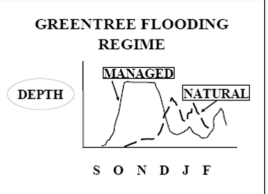
Greentree Reservoir Strategy
maintains flooded, mature hardwoods
flooding makes available mast (acorns), benthic inverts, and understory plants
red oaks best (willow and water)
flooded during dormancy limits tree stress
vary flooding regimes to prevent stress on trees
delay flooding if regeneration is desired
flooding should be shallow (<18”)
Agricultural Fields
Winter flooding of harvested and non-harvested agricultural crops (corn, soybean and rice fields)
Lower invertebrate abundance than moist soil impoundments
Wood Duck Nesting and Brood Cover
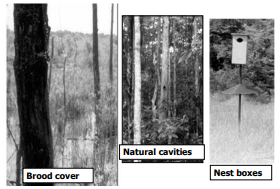
Brood Cover
75% vegetation and 25% open water
dense emergent wetland plants (American lotus, cattail, pickerelweed)
shrub thickets (buttonbush, willows)
calm water
strong, persistent overhead cover is present
american lotus and buttonbush
Beaver Ponds

Take Home Lessons
know species natural history
know site
have an objective
monitor results and adjustment
wetlands are dynamic
shallow water is best
think beyond one season