Class 6 lesson 7 In class notes
Biology follows the rules of thermodynamics
Living cells convert organized forms of energy to heat
spontaneous processes occur withotu enenrgy input ( they can happen quickly ro slowly )
for a process to ocur iwthout energy input, it must increase the entropy of the universe
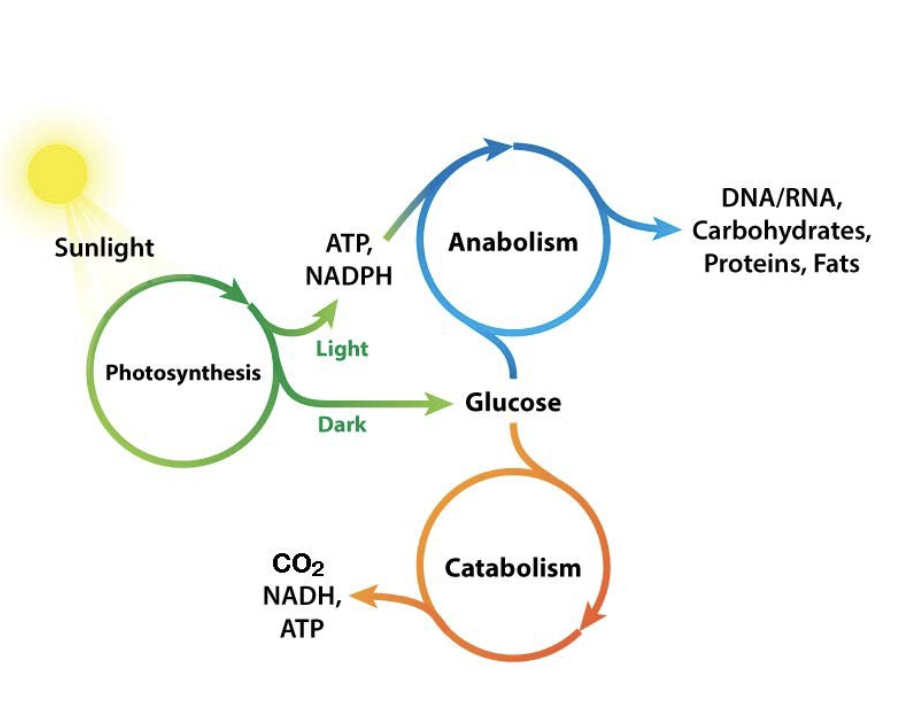
Energy transofmraiton and flow
cells create ordered sturctures from less ordered materials
organisms a lso replace oerdered forms of matter and energy wtith less ordered forms
energy flows into an ecosystem in the form of light and exits in the form of heat
redox reactions
cells convert energy by using the energy stored in one chemical bond to make another chemical bond
bonds = electrons
OIL RIG

oxidation is loss
Reduction is gain of electrons
oxidation means lose electron, so the atom turns positive
Atom taht has reduction, gains election, → negative charge
Gibbs free energy

Free energy change, delta G
Biologists sometimes want to know which reactions occur spontaneously and which require input of energy
so they need to determine energy changes that occur in chemical reactions
to determine this we need the delta G
delta G = free energy change = tells us whether reaction occurs spontaneously
energy released = - delta G
positive delta G reactions require energy
products have more free energy than reactants ( means higher enthrolpy and lose entropy ) → means products have higher H or lower S ( or both )
not spontaneous because it requires an input of energy
Endergonic
endo = within
gonic = energy in
ex: DNA synthesis
negative delta G reactions tend to occur spontaneosly
products have less free energy than reactions → products have lower H or higher S ( or both )
spontaneous
Exergonic
not always INSTANTANEOUS
energy released as heat
ex: burning brown fat increases body heat
ex: rusting ( iron oxidation )
Reaction Coupling
for a reaction to proceed, you need a overall negative delta G
energy released by exergonic reaction is used to make endergonic reaction proceed

You can add a negative delta G
part of the energy released, can be used to make that endergonic reactions occur
exergonic reaction releases energy while endergonic reactions ( left ) absorbs
ATP Hydrolysis relases energy to drive endergonic reactions and it is synthesized with energy from exergonic reactions
reaction coupling
overall negative delta G
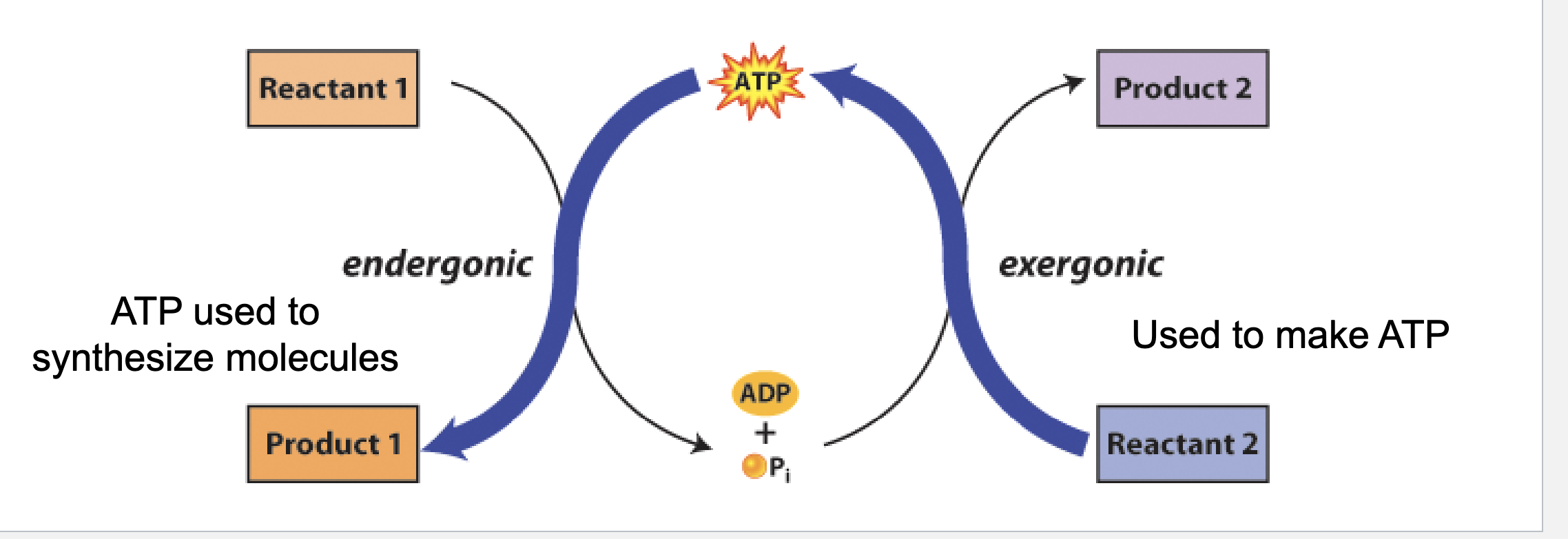
ATP
the readily spendable currency of the cell
can break ADP to make AMP

phosphates removed → energy release
activation energy
to speed up a reaction you need energy to get over the “activation energy” humg
speed up energy of reacting molecules ( heat )
enzymes can be used to speed it up or temperature increase and adding heat to get over up of activation energy ( but this temperature increase doesn’t work in cells )
use a catalyst to decrease energy needed
enzyme
decreases activation energy
catalyst
influence chemical bonds → lower activation energy of reaction
cannot make endergonic reaction spontaenous
dont make alter proportion of reactant turned into product
do not change equlilibrium between product and reaction ( same amount produced )
Enzymes
biological catalysts
Substrate bidning site
as it binds it changes the bonds to change change to maximize contact and lower the activation energy
factors that influnce enzyme function
temp, pH, inhibitors, activators, etc
inibitors = some attach to secondary sits ( allosteric site )
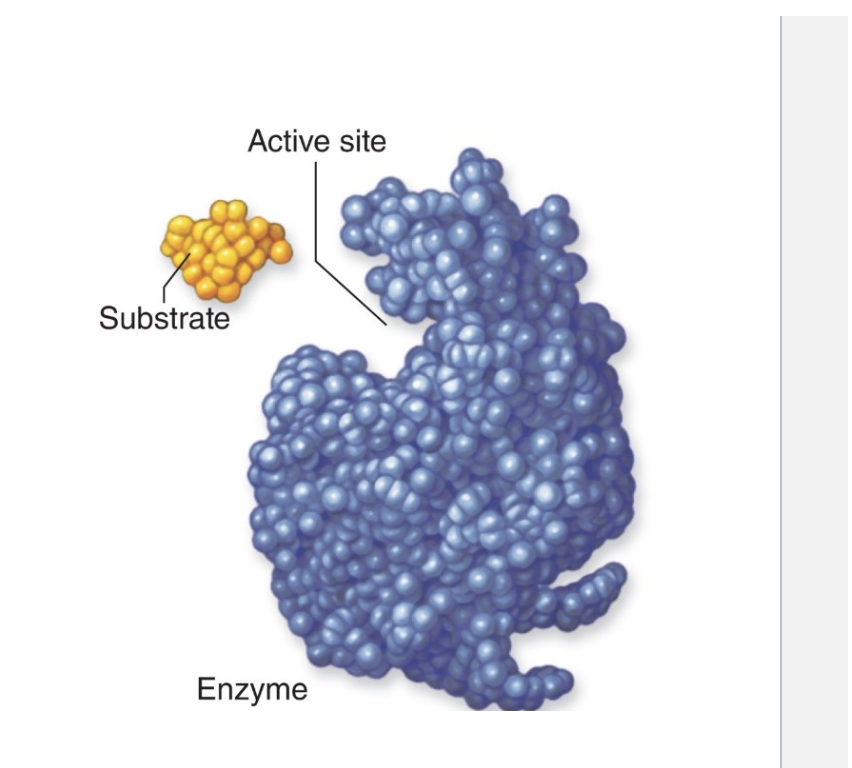
catalytic cycle of enzyme

Enzyme control
Competitive inhibitors
block active site because they fit better into the binding site
if you have enough substrate, competitve inhibitor can be diluted
Non-Compettive ( allostertic )
a site away from substrate site
makes binding site either more and less open

Feedback Inhibition
end product of pathway binds allosteric site on first enzyme in pathway
shuts pathway down so raw materials and energy are not wasted
stops production

Enzymatic pathways
enzymatic reactions can occur in sequences
you can have multiple enzymes in pathways
lots of places for control ( can regualted difference enzymes like the first one )
