FW 411 7: Risk Perception
Risk
Risk — what is it?
the chance of an adverse outcome to human health, quality of life or quality of the environment
the expected annual mortality that results from some condition
an individual’s intuitive judgment of both aspects of risk: the probability of occurrence and the severity of the associated consequences
Risk = likelihood x severity x freak out factor (outrage)
Risk Categories
Familiar high risks
high probability, large consequences
good info about the risk is available
Risk of low probability and large consequences
Risks buried in the background of “Natural occurrence”
Very low probability and very large consequences
Risk Perception — What is It?
Judgments people make when characterizing and evaluating hazardous activities and technologies
Perceived Risk
College Students: 1. Nuclear Power, 2. Handguns, 3. Smoking
Experts: 1. Moto Vehicles, 2. Smoking, 3. Alcohol
College students have a different perceived risk than risk experts.
Factors Influencing Risk Perception
Scale of Risk
Personal vs. Social → Did I get a COVID vaccine?
Choice
Voluntary vs. Non-voluntary
Awareness
Familiar vs. Exotic
Origin
Natural vs Technological
Social amplification: Media
Risk Perception
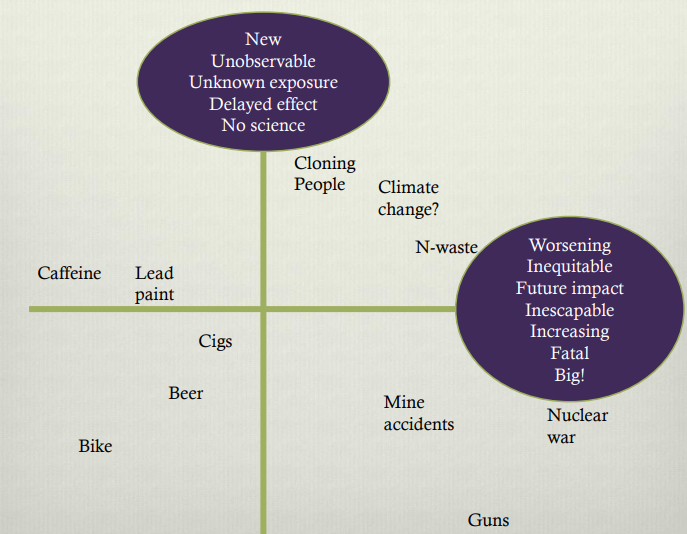
2 elements shaping risk perception
Dread Risk:
“perceived lack of control, catastrophic potential, fatalities, distribution of risks and benefits”
control
degree of risk
catastrophic potential
severity of consequences
reduction potential
choice
scale
Unknown risk
“…the extent to which it is observable, known, new & delayed in its manifestation of harm.”
observation ability
knowledge of risk
to effected
to science
onset of effects
history of knowledge
Risk Acceptance
Subjective balancing of benefits with risks
Can agree on the degree of the risk and disagree on its acceptability
How does risk acceptance influence stopping pesticide use to save a butterfly species?
Mosquitos
Butterflies
Signals
the event’s message
signal potential = degree of potential social impact
how far the event’s signal travels
“stone dropped into a pond”
depends on the type of event (poorly understood system vs well understood, messenger)
Risk Assessment: What is It?
Informal risk assessment:
we do this all the time (when we cross the street)
Formal risk assessment (by the experts)
identification of hazards
Biases in Risk Assessment: Incorrect framing and certainty bias
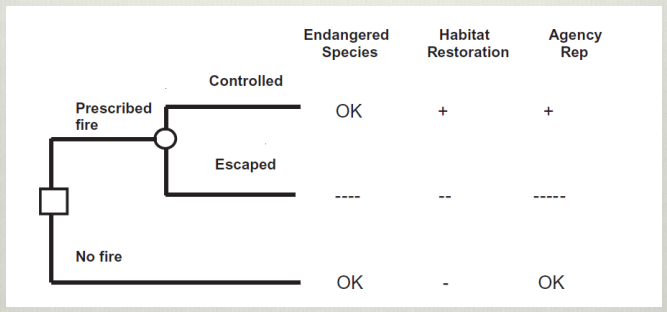
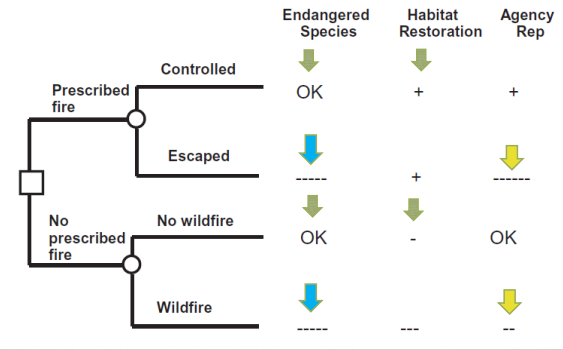
Technical Model of Risk Management
Inform local communities of an environmental or health hazard
help residents of affected communities understand risk assessment and the optimal response
Change risky behavior
don’t fish from this lake
don’t drink alcohol
Assure those exposed that the risk is acceptable.
Example – giving assurances to a local community that urban archery is a safe way to reduce urban deer
Cultural Model of Risk Management
Involves the affected public in assessing risk and designing risk communication campaigns
recognizes cultural knowledge and experiences of local communities
Hmong example—
recent immigrants from vietnam to midwest near great lakes
depend heavily on fish
did not understand or ignored methyl mercury and PCB’s in great lakes fish
objective—communicate in “a culturally sensitive way that results in active consideration of this issue within the context of the fishing practices of Hmong people”
Scientist used Hmong native language and cultural traditions
Used video with Hmong people to describe risk involved with fishing & focus groups