Overview of Classic and Matrix Structures
Chapter 1: Organizational Structure 🏢
Definition 📝
The way a company is arranged.
Purpose 🎯
It helps us to determine how tasks should be split and provided, who communicates with whom, and how frequently should we communicate.
It gives us a sense of hierarchy and reporting relationships.
Applicability 🧩
A very good representation of this is the Report Chart or Org Chart (as an abbreviation of Organizational Chart). This is a visual aid so we can comprehend the main roles and communication links to each member.
Chapter 2: Type Of Structure 🏢
Classic 📊
Definition 📝
Follows a top-down approach.
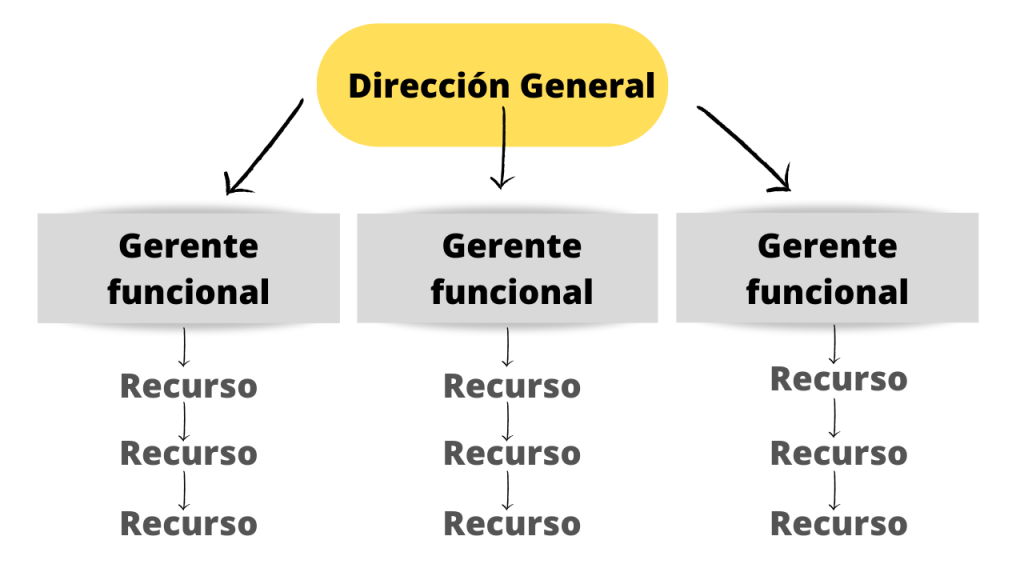
Examples 📌
Executives and CEOs are at the top, followed by directors or managers, and their direct reports.
In the military, where soldiers report to sergeants, who report to lieutenants, and so on.
How to manage this type of organization? 📃
What to do? 🤔
Defining in advance what is expected
Consult with functional managers to understand what resources you have and the capacity of each teammate.
Familiarize with the internal processes.
Cons 👎🏽
Authority may be somewhat limited due to competing priorities, approval chains, and other complexities, but
Matrix 🌐
Definition 📝
Matrix: where the PMs have people above them and also in adjacent departments who expect updates on work progress involving cross-functional collaboration and communication.
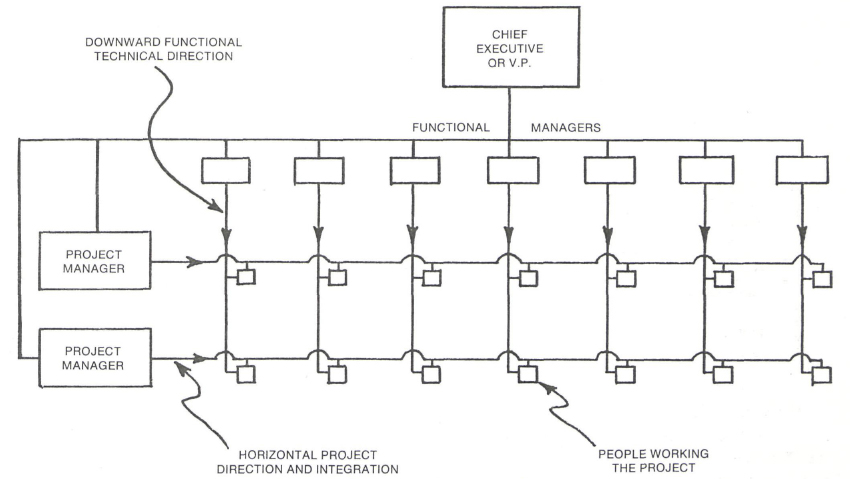
Examples 📌
Google, where primary functions have their reporting chains, but project teams consist of members from different departments.
Pro-Tip 😎
One can ask about a company's organizational structure to understand their role and communication expectations.
Project Management Office (PMO) 📊
Definition 📚
The PMO helps to coordinate everyone and every resource in the organization to work effectively.
Project Managers can work inside or outside the PMO.
Functions
🎯 Strategic planning and direction
By:
Deciding what projects are good and why 👍🏽
Addressing the bosses to tell which projects are a good choice and why it should receive support 🧑🏽💼
💪🏽 Recommended practices: They indicate which are the best practices and processes for the organization
🏢 Common culture of the project: By making sure that everyone follow the rules and method stipulated in the organization.
🏭 Resource management: Teach the organization how to use the resources available effectively.
📄 Documentation, files & project tools: Basically keeping track of the projects, learn from them and improving with the correct tools.