Method
Workflow
team
who is collaborating
team rules
how do we want to collaborate
if and else concept
milestones
review
how are you reviewing
Reflection
Gantt Charts were good initially to track progress of team members
However they are outdated, it doesn’t consist of contingency plans such as if and else plans. This is important because projects will never go exactly planned as unexpected circumstance can occur.
eg Critical Part Plan
Systematic Approach
Because this project is a system based approach with collaborators to develop a whole region within Panmure not just one small site.
A systematic approach is a structured, step-by-step method for solving problems or conducting tasks, ensuring consistency, accuracy, and efficiency. It involves defining, measuring, analyzing, and improving processes to avoid jumping to conclusions. By breaking complex tasks into manageable steps, this approach reduces mistakes and enhances productivity.
focuses on understanding how different components interact
looking at people, processes, technology, environment
interactions between components
Video explanation
Set of interrelated and interdependent parts arranged in a manner that produces a unified whole
we are all part of a system and interlated
Open systems dynamically interact with environment
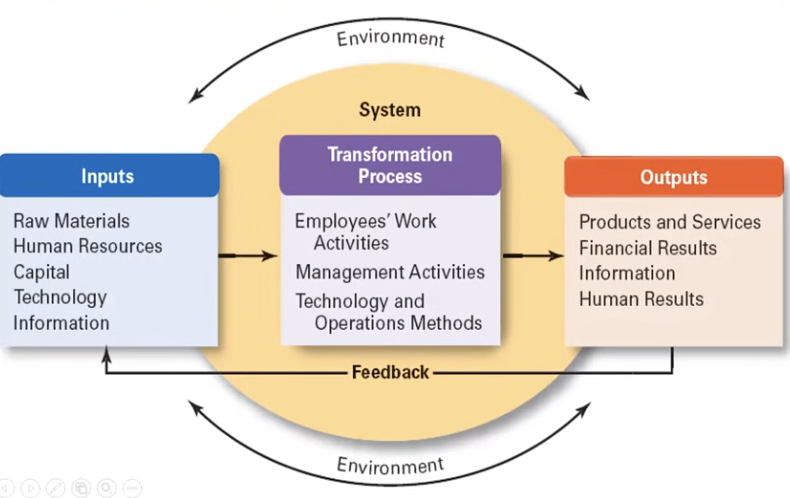
Inputs effects the process which effects the output
Resources an organisation draws from its environment to operate
ingredients, financial capital, human resources and knowledge, information like market research & feedback
Process makes Inputs to output through proceses
Decision making, manufacturating, service delivery, co-ordination across departments
Output final product/results to customers/society
provides feedback so input can make changes
tangible such as cars, meal, clothing
intangible such as satisfaction, health, knowledge creation
how product is percieved externally
In perfect system the output should effect the input and enhance the whole process
co-ordinate and integrate work activities of various parts of the organisation
make sure inputs are good, processes are right, and outputs are good
recognise external factors such as suppliers, labours, financial, government, and customers
Implications
if everything is interdependent then a small part of the system that is affected will effect the other areas.
Closed Systems are not influeced by or do not interact with the environment
Not analysing in isolation but ensure all parts of the system work in harmony
Holistic Thinking
looking at interconnectedness, where one decision influences another area
rippling effect to be anticipated and coordinate efforts more effectively
adjust strategies if decline then trace issue backto operations to find solution
increasing cross collaboration as one system
evaluate performance and make incremental improvements
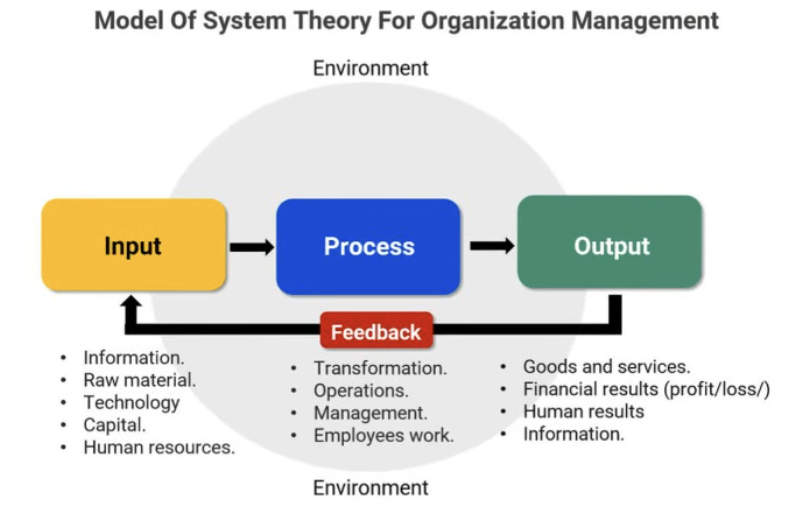
Bridge