Endocrine and Communicable Diseases
Endocrine
Pituitary Gland Function
Growth Hormone Deficiency (hypopituitarism)
Is the pituitary gland working? Will check labs to determine.
If yes- need to discuss plan w/ parents; insurance may not cover
If no, still need growth hormone
Insurance coverage challenges for FDA-approved treatment
Type 1 Diabetes
Manifestations
Weight loss, polydipsia, polyuria, fatigue, blurred vision, mood changes
EBP Screening and Diagnosis
Recommend screening for all family members for Type 1 Diabetes
Check for autoantibodies
If 2 or more autoantibodies, do A1C
Main reason for screening is to prevent Diabetic Ketoacidosis (DKA)
DKA= ICU stay for kids; hourly BG checks
kids are very sick
Preclinical Stages of Type 1 Diabetes Mellitus
Stage 1: Presence of beta-cell autoimmunity, but expected glucose-handling
Stage 2: Unexpected glucose handling but no clear manifestations
Stage 3: Manifestations of lack of insulin
New studies using monoclonal antibody therapy in kids Stage 2 diagnosis
Principles Insulin Therapy for Type 1 Diabetes
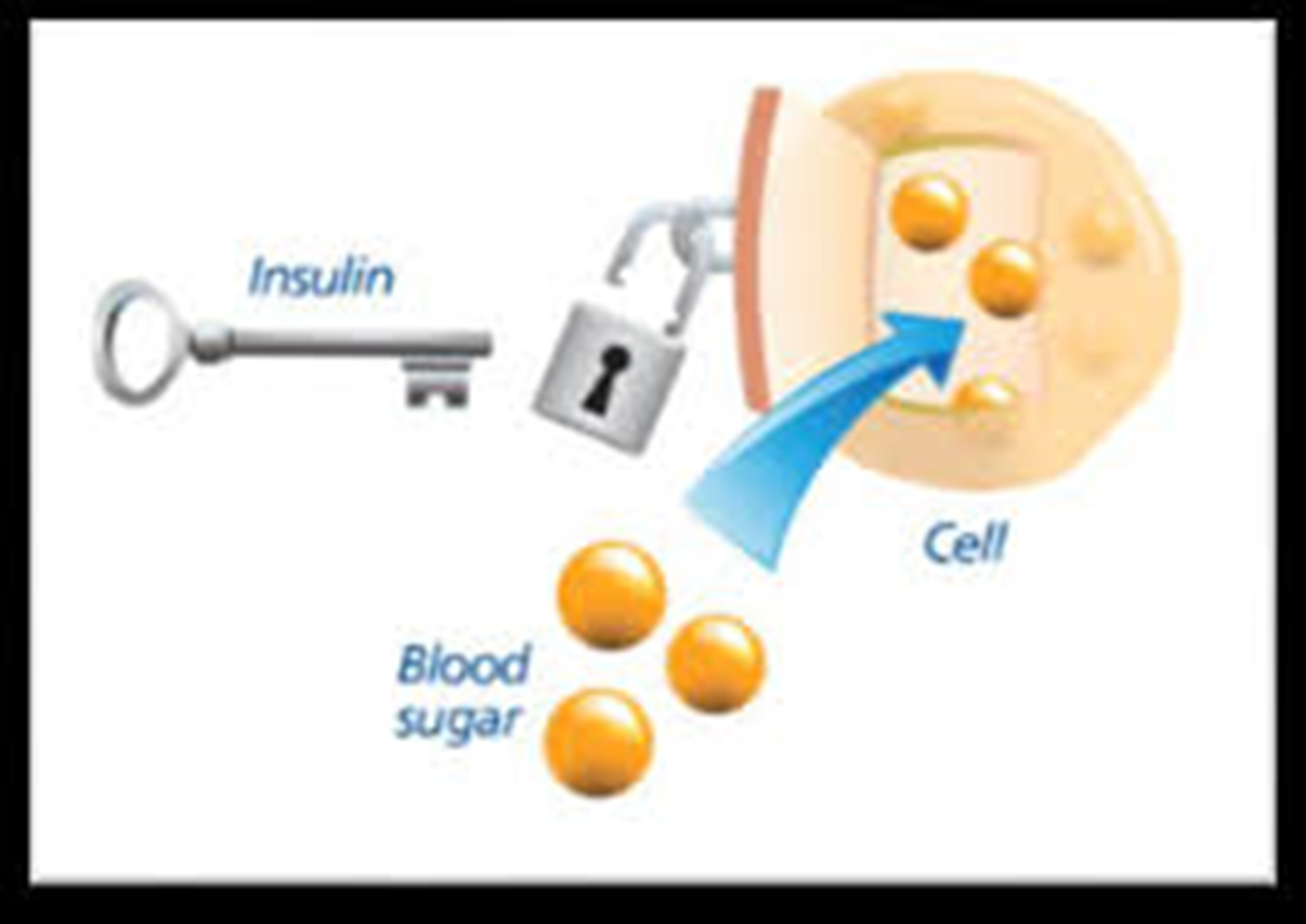
Based on blood glucose value, carbohydrate intake, insulin sensitivity factor (how sensitive kid is to insulin & how much bg drops when given insulin)
How do you know if a kid is sensitive to insulin?
they drop their blood glucose level when receiving insulin
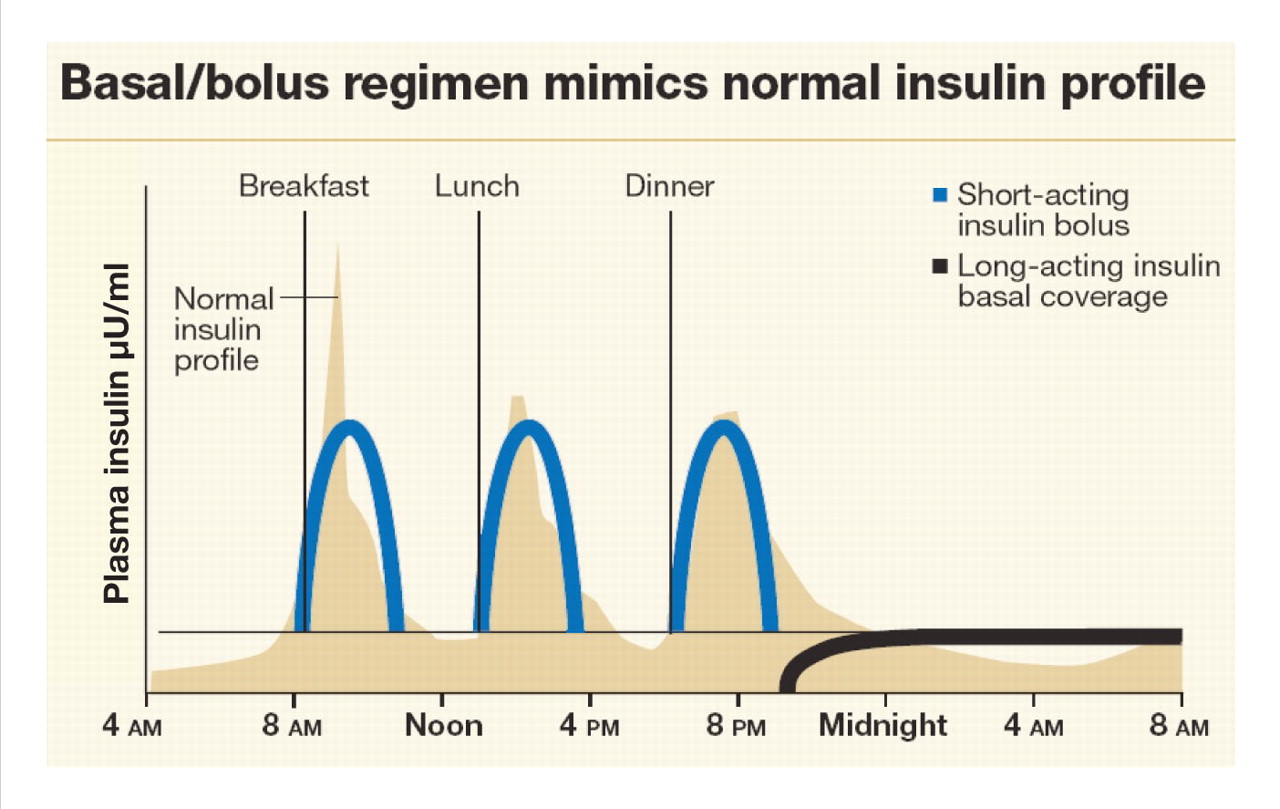
Goal of insulin therapy: to mimic body’s natural insulin production
Use of insulin pumps for some patients with Type 1 Diabetes (prevent long-term complications
So we give rapid-acting & long-acting insulin to do this.
Rapid-acting insulin for the spike in BG
Long-acting provides basal amount of insulin
provides continuous insulin (basal) & also allows patient to administer insulin as needed for high BG or eating (bolus)
What to know- it provides really tight control; still has to be managed very carefully.
Health Promotion and Education
Insulin Therapy Management
Honeymoon phase
BIGGEST RISK is HYPOGLYCEMIA
Most pt with type 1 diabetes have a period of time after they're diagnosed when their remaining beta cells can pump out enough insulin to control their blood sugar. This is the honeymoon phase. While it lasts, you may not need to take as much insulin.
What to do when they are sick
insulin needs- bg goes up when sick, check at least every 3 hours when sick. Notify doc if over 250.
checking urine ketones
not routinely used except to test every void during illness & whenever glucose is >/= 250 mg/dL when illness not present
S/S & tx of HYPO & HYPER glycemia
HYPOglycemia s/s:
Cold & Clammy
Tachycardia
Shaky
Irritable
Sweaty
HYPERglycemia s/s:
Blurred vision
Irritable
DKA- Kussumal breathing- trying to get rid of CO2
Rules for exercise- check bg before exercise & bring a snack incase bg drops
Routine Management:
Endo visits q 3 months
Upload technology
Target A1C age dependent
Think Developmentally…
Infants, toddlers, preschoolers, school-age, adolescents
Communicable Diseases and Vaccinations
Herd Immunity (aka Community Immunity)
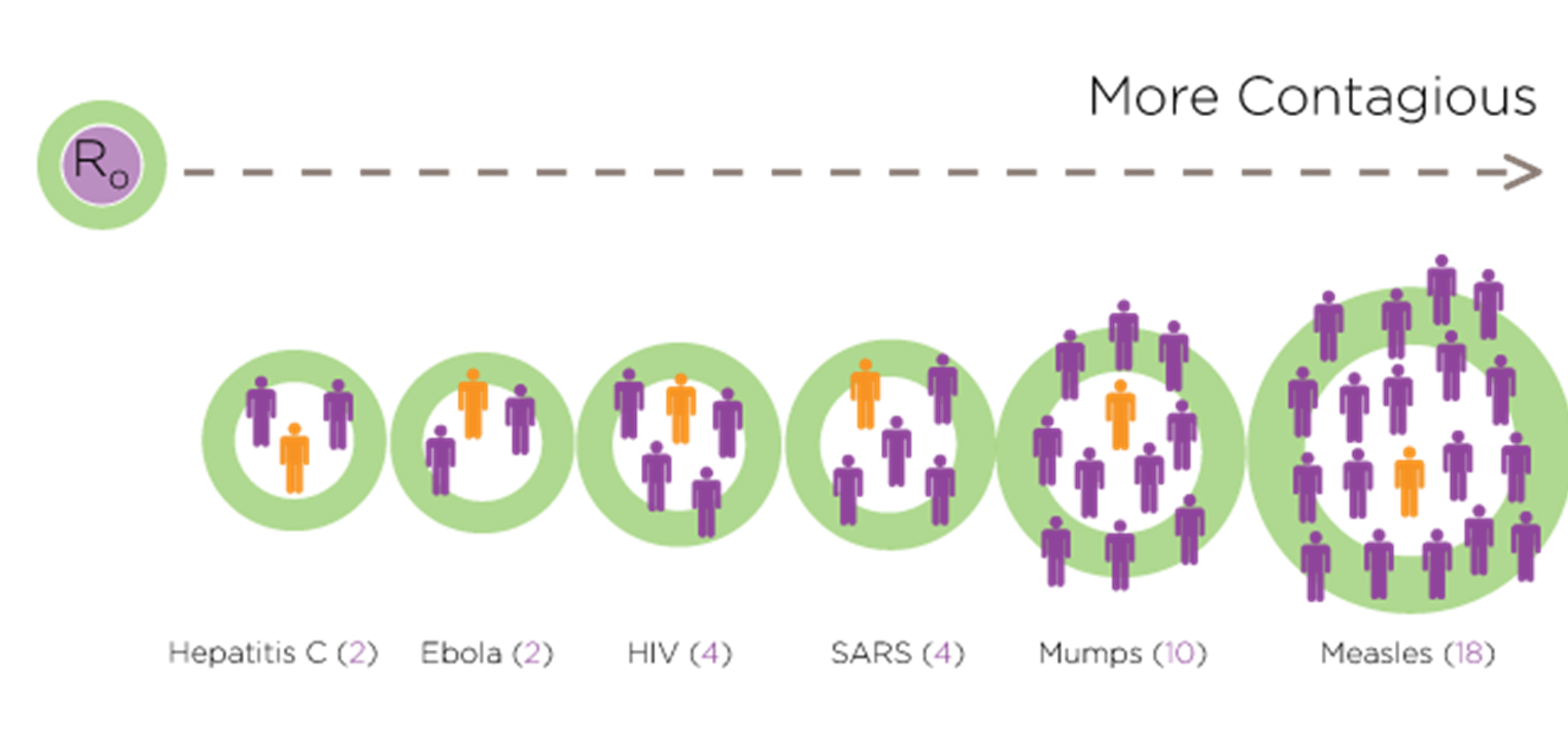
Need to understand what it means to have a low R factor vs high R0 factor & its relation to the percentage of herd community
R0 factor is how many people one person can infect
High herd community-meaning most of community is vaccinated
The higher the R0 factor and the lower the herd community, the more risk there is for infection & spread of disease
Vaccine Information
Common Contraindications:
anaphylactic reaction to eggs, gelatin, neomycin
Things needed to know:
NO live vaccines for immunocompromised & pregnancy
Live Vaccines: MMR, Varicella, Rotavirus & Live Attenuated Influenza
Mumps: need to booster at 4 y.o
Dtap: given between 2 months & 4 years
Tdap: given at age 11
Vaccine Info for Caregivers
Most vaccines will cause pain & redness at site
Varicella vaccine- can develop the vesicles 5-26 days after injection
Non-threatening systematic reaction: generalized urticaria (hives)
MMR: common to have fever & non-contagious rash 6-12 days after injection
We give immunizations for low-grade fever & mild illness
Anaphylaxis, hypotension, angioedema- GIVE EPI
Addressing Common Concerns:
CDC
Reflect on own feelings
Be curious but non-judgemental
Recommendations to help increase likelihood, vaccines are given (and on time)
Alert in chart that kid is due for vaccine
Give vax when kid has a minor illness (on abx or has low grade fever)
Use combination vaccines
Give multiple vaccines at same time in separate sites
Give medically stable low birth weight infants all vaccines appropriate for chronological age as full-term infants
Give vaccines even when a prior dose caused reaction in a family member
Directly & compassionately acknowledge parents concerns & educate on importance of vaccine administration
Administration Guidelines
Sub Q:
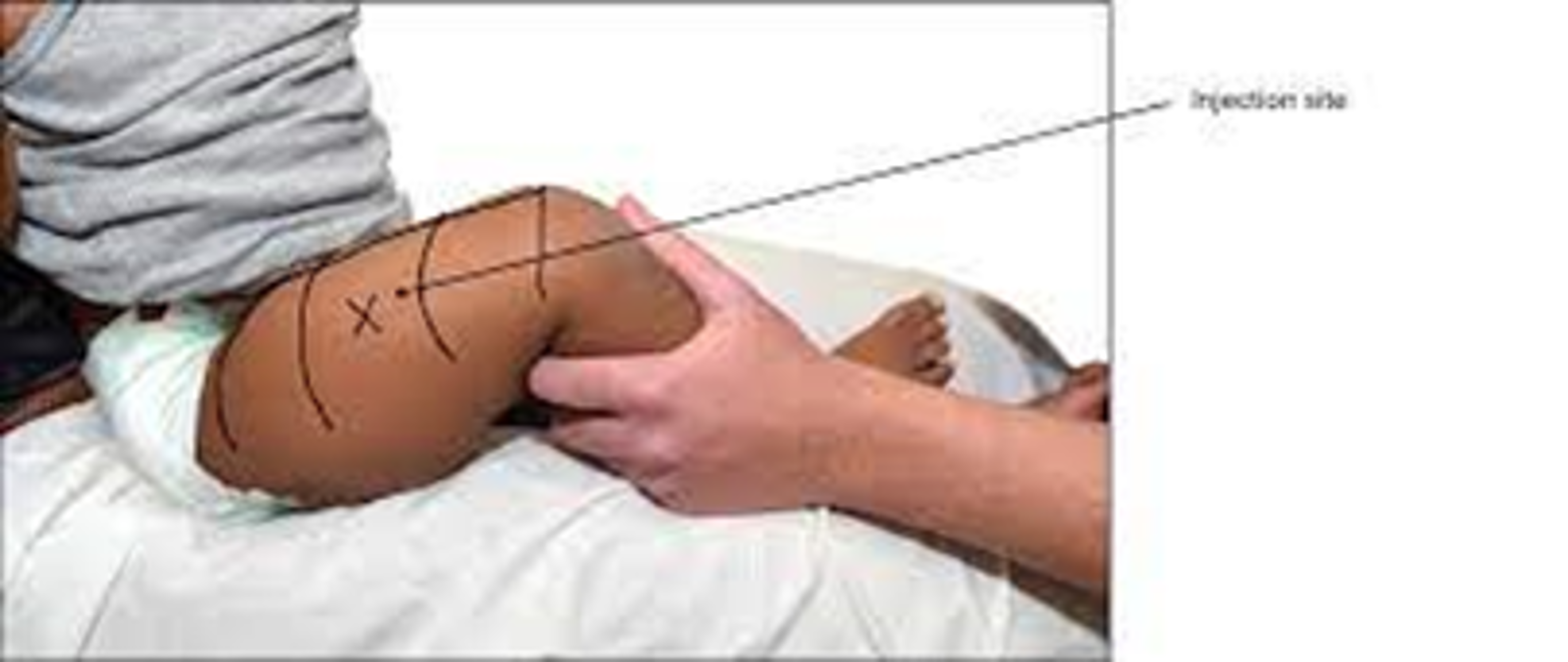
use anterolateral thigh in infants < 12 months
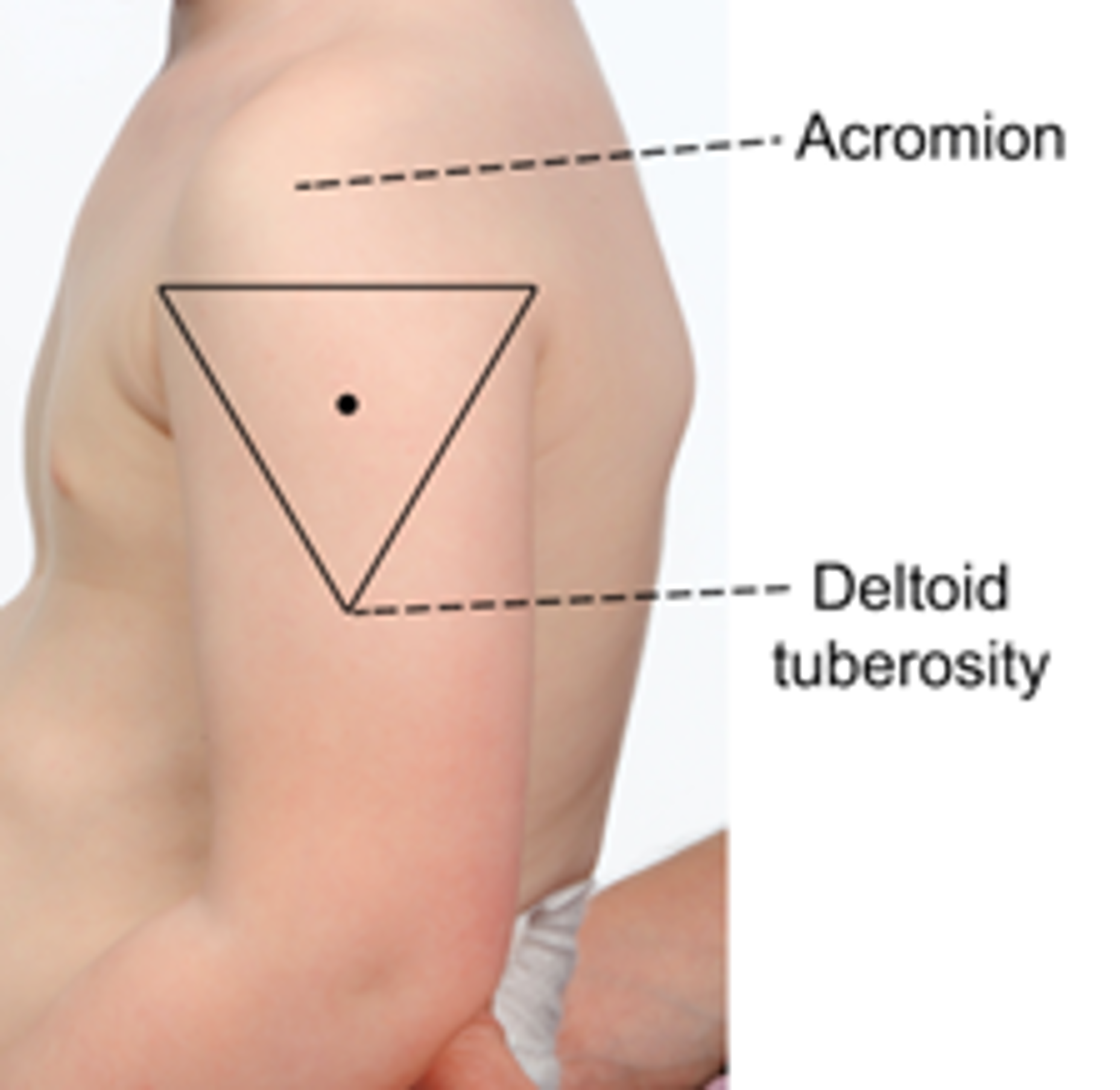
use outer aspect of upper arm in child
IM:
Give in vastus lateralis or ventrogluteal muscle & very young children (not walking)
Give in deltoid to older child
Documentation:
Must document: date, route, site of administration
Need to include: type, manu & lot #
Evidence of informed consent
Subcutaneous
Intramuscular
Fever
Pathophysiology review
A low-grade fever can be a good thing!
Cultural considerations
Measles
Highly contagious viral infection. 1 person infects 18 people (high R0 factor)
Airborne Precautions
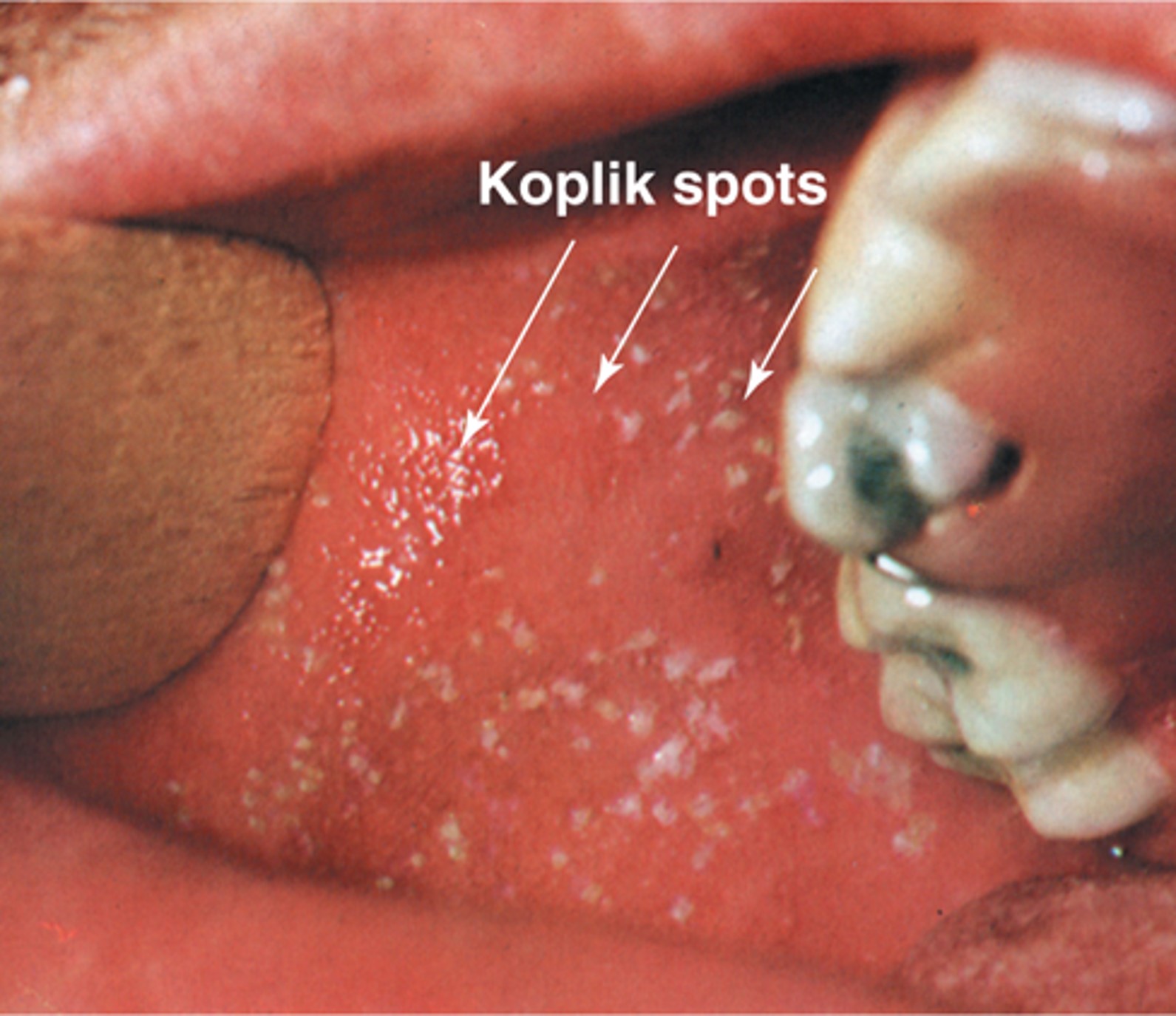
Manifestations: mild fever, 3 C’s: conjunctivitis, coryza, cough, Koplik spots & maculopapular rash
Supportive treatment: fluids, pain meds, supplemental oxygen if needed, & droplet precautions
Complications: pneumonia, encephalopathy & seizures
Mumps
Droplet precautions
Vaccinations have decreased incidence rates: best way to prevent, need booster at 4 years
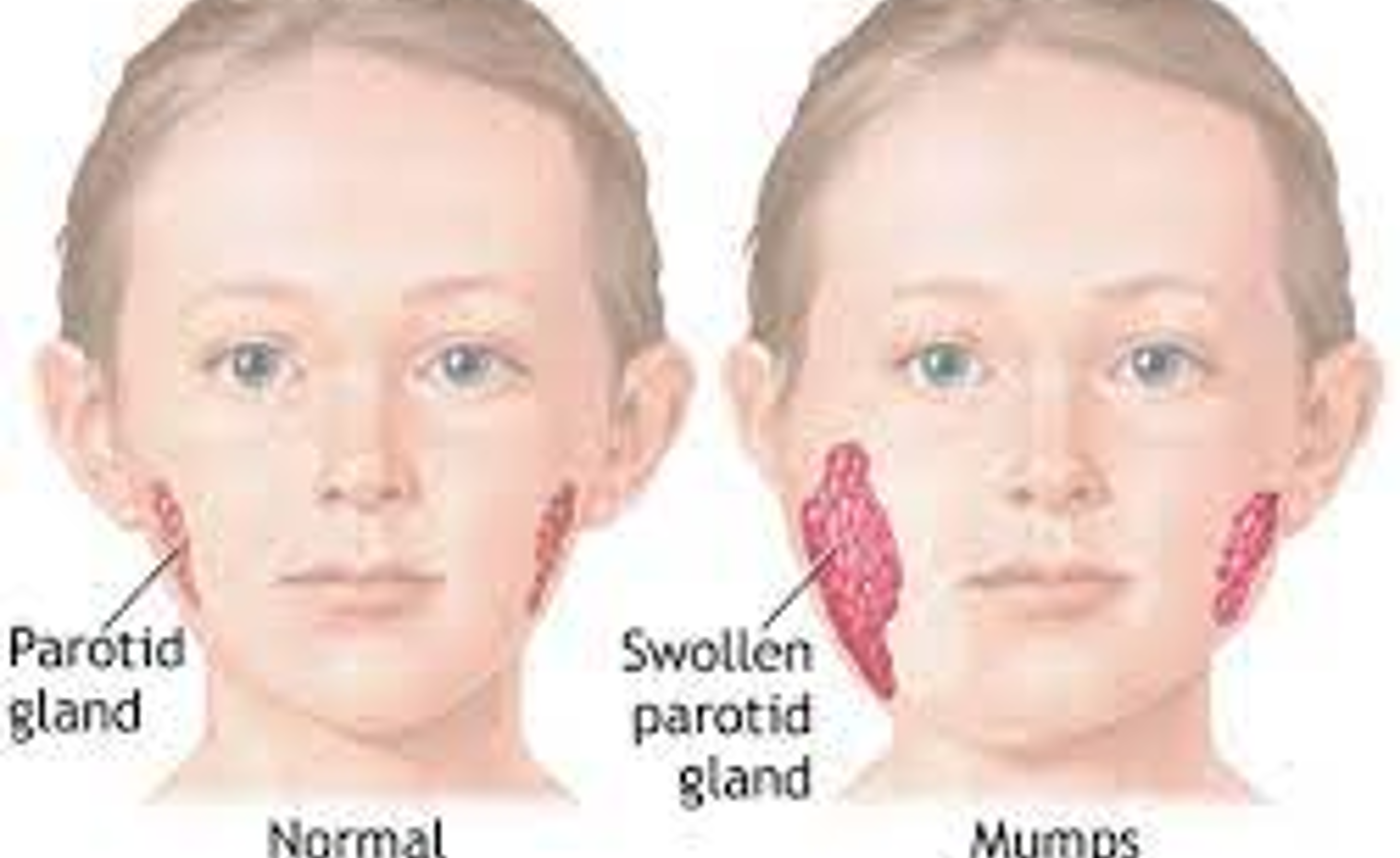
Manifestations: Parotid swelling, fever, aches
Supportive management with pain meds & fluids
Monitor for meningitis and/or orchitis (inflammation of testicle/s) (complications associated with the infection)
Mononucleosis
Caused by Epstein Bar Virus
Symptoms: sore throat, fatigue & splenomegaly
Spleen can rupture- no contact sports or rough play for at least 1 month
Streptococcus: Group A Strep
Sore throat that comes on quickly & is especially painful when swallowing
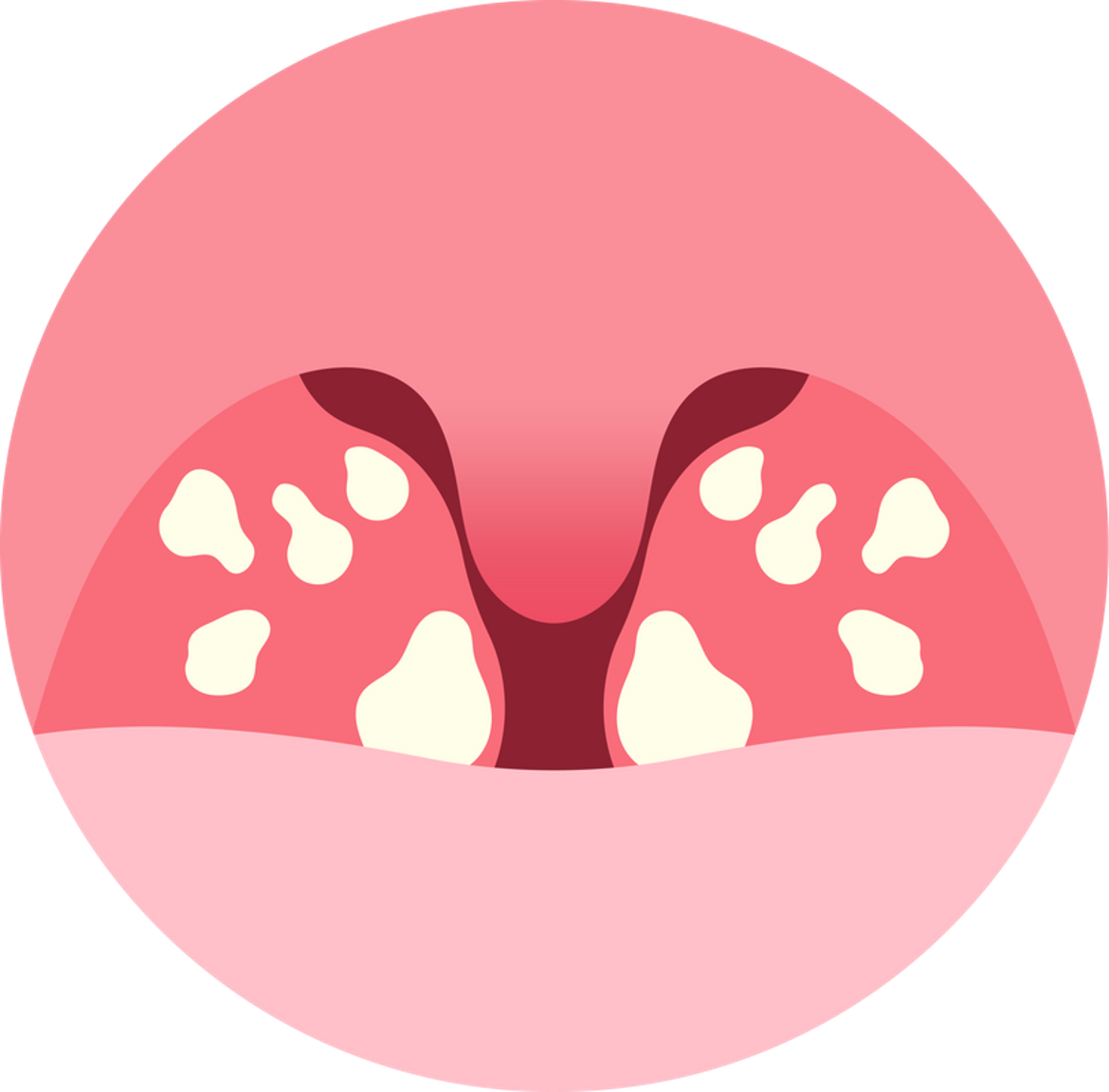
Red & enlarged tonsils with white patches or streaks on them
Painful or swollen lymph nodes
Treatment
Abx- Amoxicillin or Penicillin
Teaching:
Throw out toothbrush after 48 hours
If no fever, may return to school 24 hrs after 1st abx