The surgical client
Blue print
Explain preoperative nursing care responsibilities
Discuss surgical risk factors and potential complications
Describe components of the intraoperative surgical phase
Explore the role of the nurse when caring for the postoperative client
Discuss safety considerations when providing care for the surgical client.
Explain preoperative nursing care responsibilities
Pre-Op Assessment
patient education- do not explain a procedure if the surgeon has not explained the surgery
head-to-toe- to have a baseline of clients health. to see if there are any chances
ensuring informed consent- Nurses only witness consent
medical history review- medical issues if they make surgery risky. Sleep apnea will have client stop breathing in surgery .
lab results review- making sure a client has normal 14-20 hemoglobin.
diagnostic test review
proper identification
allergies- client may be allergic to iodine
medications- might react with anthesis
reactions to anesthesia
tobacco and alcohol use- tobacco increases risk of blood clots. alcohol increases risk for bleeding
spiritual/Cultural needs- Accommodate as best as you can
pain
Discuss surgical risk factors and potential complications
Risk factors
Age greater than 65
Obesity
Smoking
Diet/nutrition
Indications of complications
Nausea/vomiting
Venous thromboembolism(DVT)
Warmth, redness, swelling
Pulmonary embolism (PE)
SOB, hypoxia, blue/purple
Hypovolemia
low urine output, decreased pulses, dry mucous membranes, tachycardia(heart trying to make up for not having enough blood flow), hypotension
Hypervolemia
Crackles(fluid in the lungs), JVD(jugular venal distension), pitting edema(press your finger down to see how deep edema goes), 3+ bounding pulses
Atelectasis(lung collapse)
Hypoactive lung sounds, SOB
Notify provider if you see any of these
Dehiscence
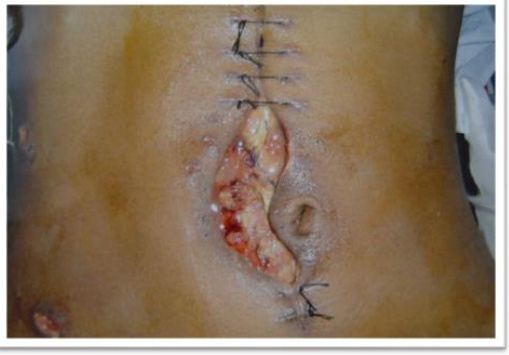
Evisceration
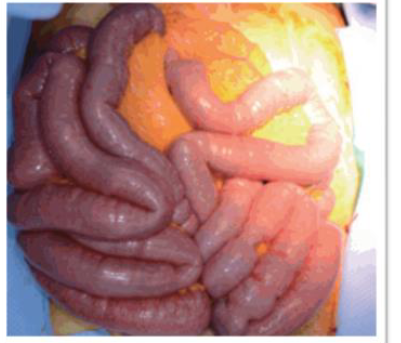
Ileus- something is causing intestines to not work, or digest
Distended abdomen, hypoactive/no abdominal sounds
Opioids can cause an ileus
Oliguria- (low urine output) even if there is water in our body it is not hydrating our body
Pitting edema, dry mucous membranes, JVD(jugular vein distension)
Acute Kidney Injury
Describe components of the intraoperative surgical phase
Verify the preoperative checklist
Informed consent is signed
Nurses cannot obtain consent, can only witness
confusion, questions about procedure
emancipated minor
Surgical prep
blood products available
IV access
remove dentures, glasses, hearing aids, piercings
Universal Protocol
Prevent wrong patient, wrong site, wrong surgery.
Time-out BEFORE anesthesia is given
Confirm correct patient via Name and DOB
Ensure the correct procedure is completed
Consent form for the correct site
marked surgical site
If issues with intra-op
STOP
first thing you do: verify your patient
double check name and DOB
if patient and site still do not match, do not do surgery
Circulating nurse
coordinating care of patient
Verifies identity, assess allergies, checks consent forms
Assisting anesthesia provider as needed
Safety, positioning and monitoring of patient
maintain sterility
provide supplies
counts instruments
documents information
Surgical environment
Antimicrobial environment
Cold 68-75 F
Humidity is 20%-60%
Sterile technique
Surgical attire(gown, mask, gloves, hair cover, shoe covers)
Skin Preparation
Shower/prepare skin
Shave/remove hair
Cleanse with iodine, chlorhexidine alcohol
Scrub in a circular fashion and move outward
New sponge for each area
Drape client per protocol
Anesthesia
look for local: tachypnea/tachycardia, tinnitus, numbness around the mouth, drowsiness
Look for in Regional: Temporary loss of feeling in localized areas of the body
look for in General: Nervous system suppressant
look for in Moderate sedation: Monitor blood pressure, respirations, oxygen saturation
Explore the role of the nurse when caring for the postoperative client
Post-Op monitoring for complications, remember ABCDE, frequent assessments and monitoring
Respiratory Status
Primary concern
Assess rate, depth, oxygen saturation
Provide O2 as needed
help suction seretions
Encourage the use of incentive spirometer to prevent pneumonia/ atelectasis
cough and deep breathing exercises
early ambulation is possible
Cardiovascular system
Assess circulation
Frequent vital signs
fluid/electrolyte imbalance
assess extremities, pulses, DVT
prevention: early ambulation, SCDs/TED positioning(what is it?)
Monitor for S/S: possible hemmroids
Bleeding
hypotension
tachypnea
Changes in LOC
decreased O2
weak thready pulse,
tachycardia
decreased urine output
Neurological and Integumentary
Nuero
Monitor LOC and mental status
The goal is the baseline from before Operation
Assess for oversedation
Integumentary
Assess dressing status for excessive bleeding
Monitor for infection: pain redness, inflammation, temp, greater than 100.4 F. fever, increased WBC count, tachycardia
Positioning
Reposition frequently
prevent blood clos, pneumonia, atelectasis, muscles weakness
Splinting with pillow during coughing for chest/ abdominal incisions to reduce pain and protect wound
Gastrointestinal and renal
Gastro
Auscultate bowel sounds
asses nausea/vomiting
early ambulation to promote gastric mobility and prevents Ileus
Abdominal surgery patients at high risk for Ileus
No bowel sounds or very faint.
abdominal distension
constipation
pain
If found,
Renal
Monitor urine output
Strick intake and outtake
Assess skin turgor, mucous membranes, eyes, skin tenting for dehydration
Discuss safety considerations when providing care for the surgical client.
Increased risk for falls
Older patients are more suscepts to falls
keep room free from tripping hazards
monitor for medications that cause dizziness
Nausea and vomiting can lead to aspiration
Keep patients upright for one hour after meals
Cut food into small bites
Monitor for confusing/delirium and keep patient safe
Practice Question answer
C
B
B,D,E
A and C